

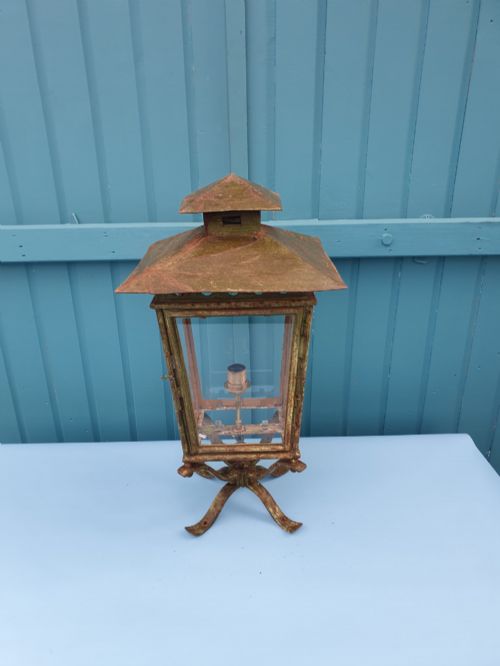


Victorian Gas Street Lamp
These robust victorian gas street lamp designs bring genuine architectural weight to an exterior, offering heavy metal frames and aged glass panels.
Victorian Gas Street Lamp
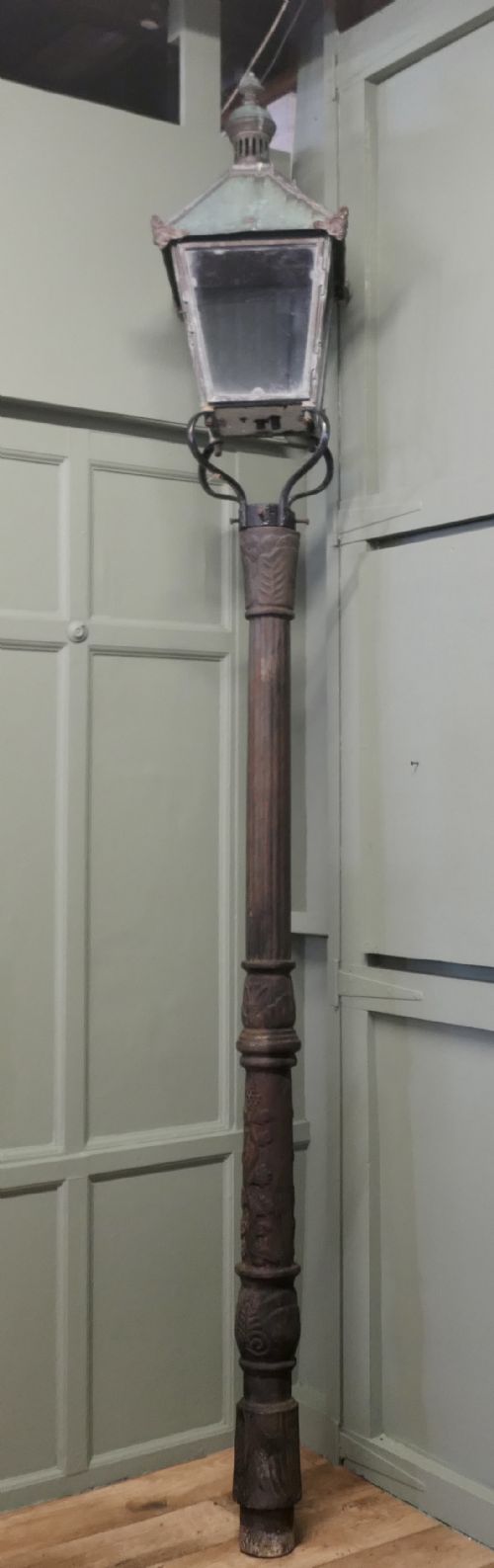
A victorian gas street lamp takes the form of a substantial outdoor lantern or lighting fixture, frequently mounted upon dedicated lamp posts or adapted for gate post placement. These pieces originate from the nineteenth century and the early twentieth century, spanning periods such as 1880, 1890, and 1900.
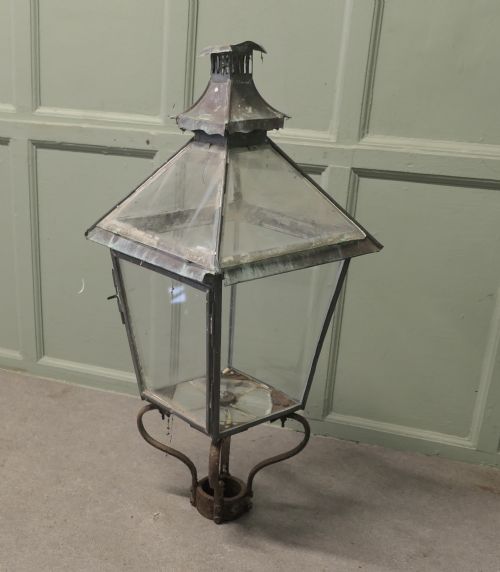
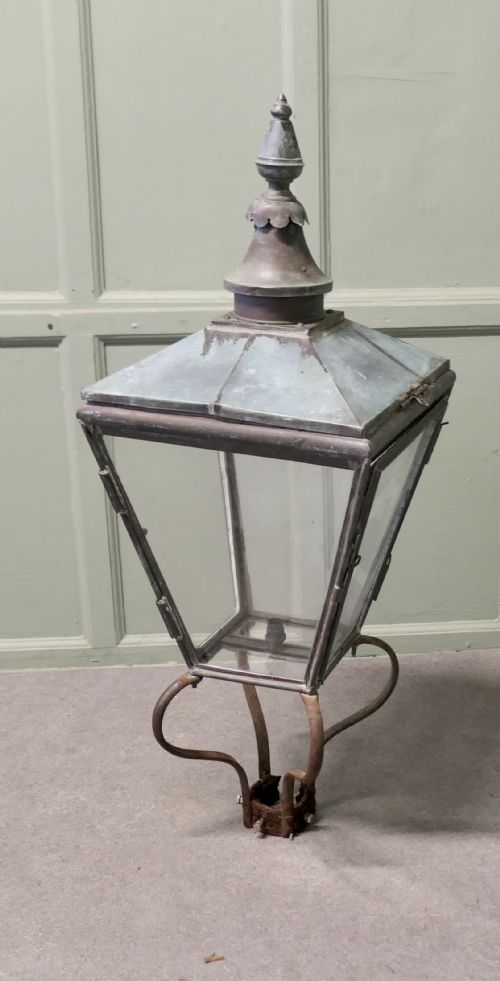
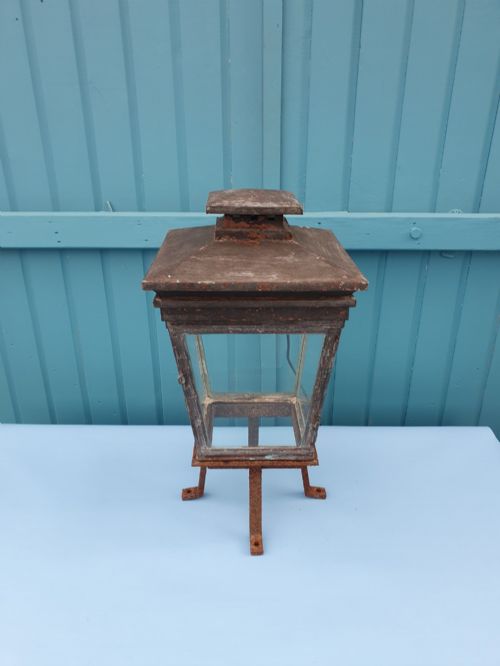
Buyers will most commonly encounter large copper lanterns and painted metal variations on this page, alongside paired lamp posts and structures featuring glass tops. Many examples show conversions from their original gas mechanism to modern electrical fittings while retaining their historic industrial character.
The objects encompass styles identified as Victorian, Victorian and Edwardian, and Victorian Industrial, reflecting their municipal and domestic functional origins across locations such as Edinburgh and Bradford.
How they were made
Makers constructed these lanterns using sheet copper, cast iron, and wrought iron, combining durable metals to withstand harsh outdoor conditions. Frameworks often incorporate painted metal finishes or protective paint layers over the underlying structural base.
Glazing relies on fitted glass panels secured within metal frames, designed to shelter the internal burner while distributing light evenly. Support bases and accompanying lamp posts utilise heavy cast iron engineering to ensure stability against wind and weather.
Victorian Gas Street Lamp Retail Price Guide 2026
Typical asking prices for victorian gas street lamp among the pieces listed under this phrase on Sellingantiques today, from the lower quarter to the upper quarter. They describe what is for sale here now, not the wider market.
The listings here demonstrate a strong presence of nineteenth-century copper lanterns, alongside cast iron lamp posts spanning the Victorian era up to nineteen-twenty.
What varies in quality
The calibre of a piece rests in the substantial weight of its metalwork and the complexity of its structural assembly. Heavier copper gauges and intricate iron brackets distinguish superior municipal installations from simpler domestic garden adaptations.
Proportion and scale dictate desirability, with larger lanterns and paired sets holding greater visual presence. The integrity of the original metal fabrication and the preservation of authentic surface patination elevate the standing of individual examples.
A FOSTER & PULLEN BRADFORD
The Victorian Gas Street Lamp Glossary
- Lantern
- An enclosed housing for a light source, designed with glass panes to protect the flame from wind and rain. These structures form the primary upper component of exterior street lighting assemblies.
- Wrought iron
- A tough, malleable form of iron that can be heated and forged into decorative brackets and structural supports. This material provides resilience and distinctive texture on period outdoor fixtures.
- Cast iron
- Molten iron poured into a mould to create rigid structural elements, heavy bases, and lamp posts. It offers exceptional compressive strength and allows for ornamental municipal detailing.
- Conversion
- The alteration of a vintage fuel-burning lamp to accommodate modern electrical wiring and bulb fittings. This process enables historical street furniture to function safely in contemporary domestic settings.
- Patina
- The natural surface transformation and weathering acquired by copper and painted metal over decades of exposure to the elements. Collectors value this stable oxidation for confirming genuine period age.
Victorian Gas Street Lamp: Frequently Asked Questions
How do I mount a street lamp?
Most large lanterns require secure fixing to a dedicated post, wall bracket, or stone gate pier. Their considerable weight demands professional anchoring into solid masonry or structural timber.
Ensure that the chosen mounting height allows for safe electrical connection and appropriate clearance for pathway illumination.
Are these lamps still wired for gas?
Almost all surviving examples have undergone conversion to electricity for modern practical use. The interior burners are replaced with standard electrical lamp holders while the outer shell remains unchanged.
This adaptation preserves the historical appearance of the street furniture while complying with contemporary safety standards.
How do I date a copper lantern?
Dating relies on construction techniques, metal thickness, and the style of the ventilation cap and glazing bars. Nineteenth-century examples typically feature hand-riveted copper panels and heavier structural iron components.
Maker stamps or city markings, when present, provide additional historical context regarding the origin of municipal street lighting.
Can these fixtures withstand outdoor weather?
The combination of copper, cast iron, and glass is inherently designed to endure exterior elements year-round. Regular maintenance of painted surfaces and protective sealants helps preserve the metal against active corrosion.
Glass panels are generally secured with traditional putty or metal glazing beads to prevent moisture penetration during heavy rain.