

Antique Portrait on Canvas
These canvases capture the living presence of past generations through centuries of oil paint.
Antique Portrait on Canvas
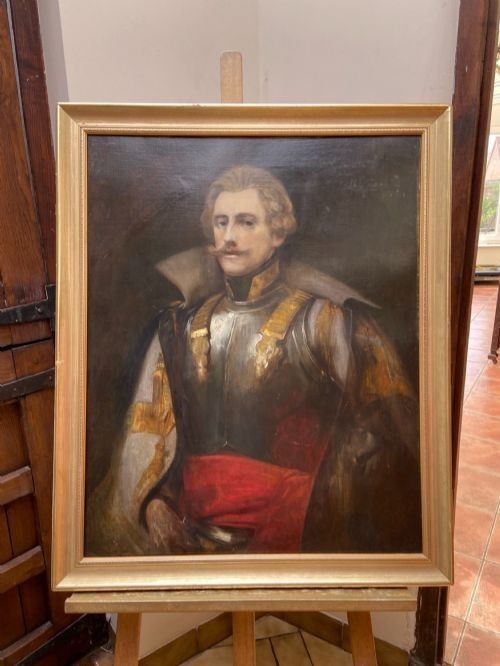
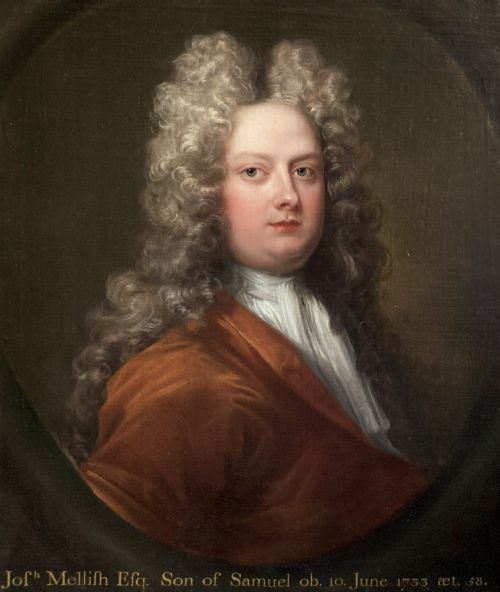
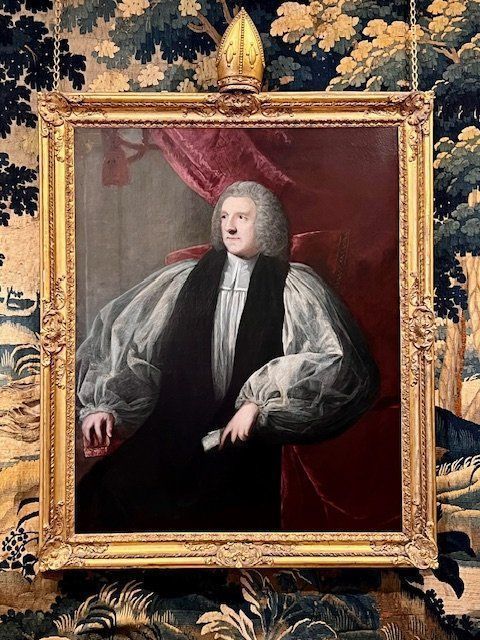
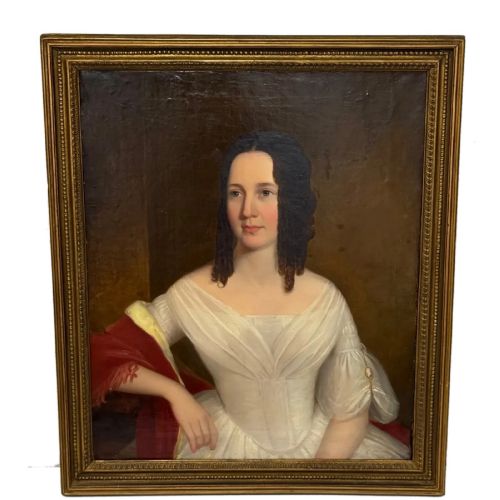
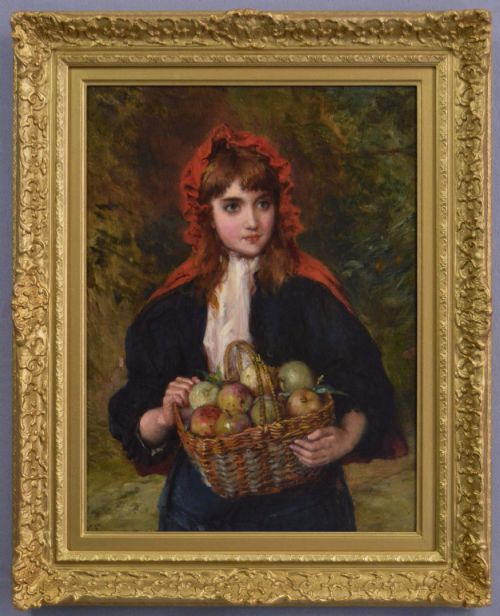
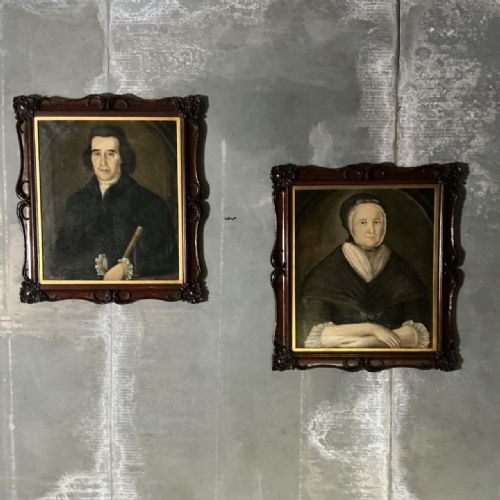
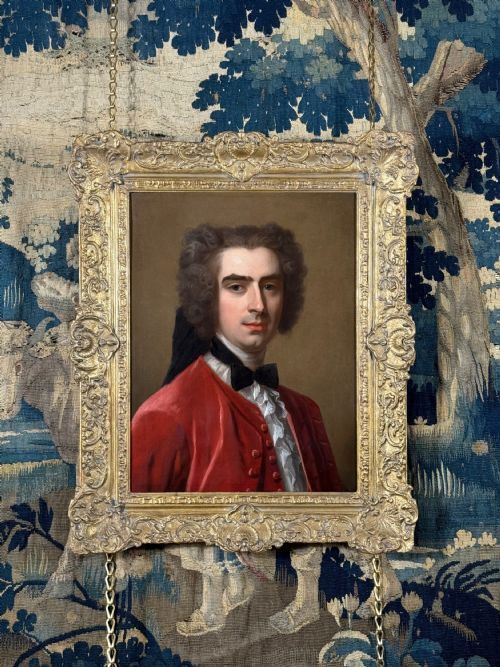
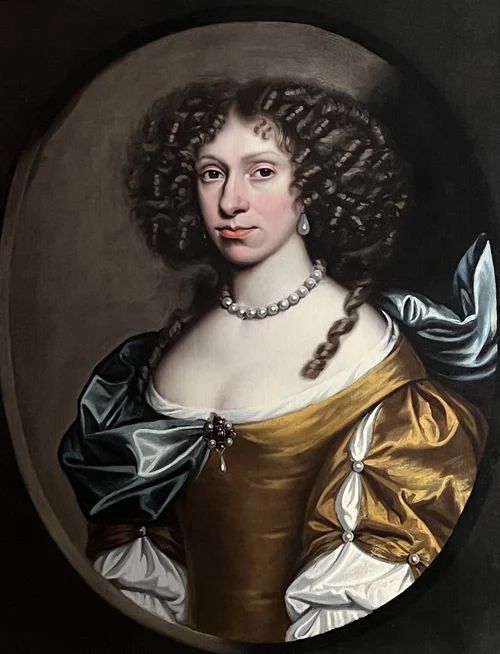
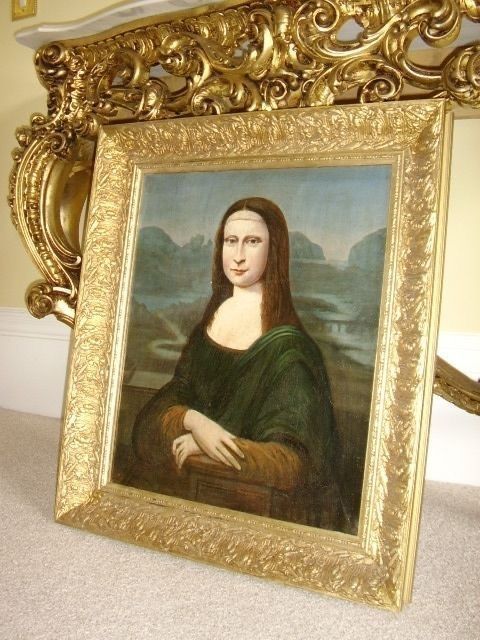
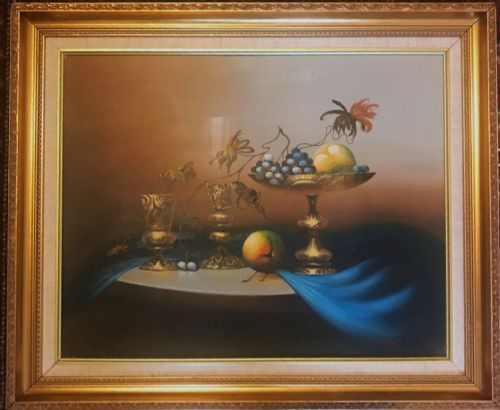
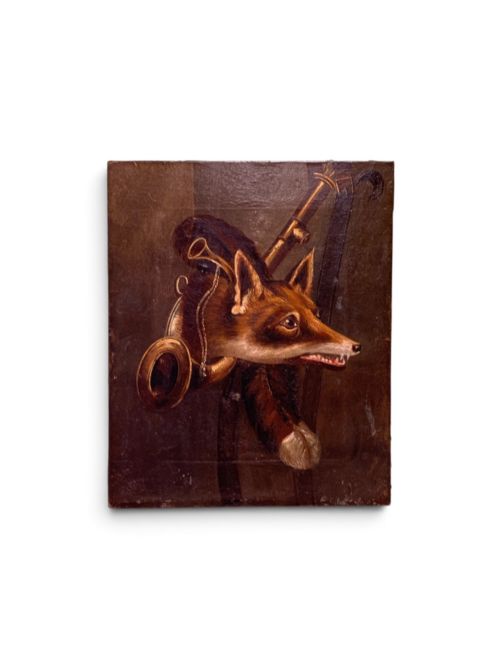
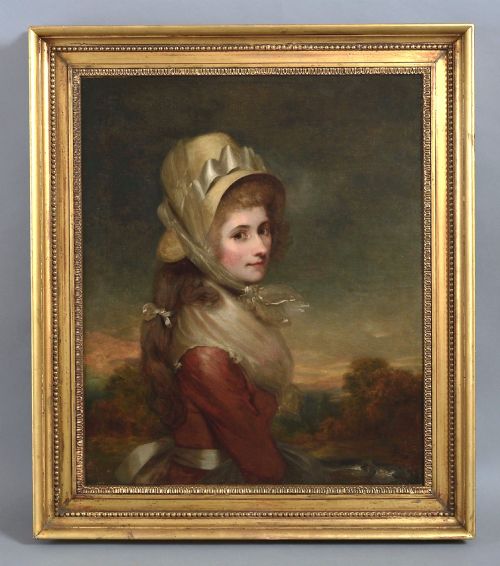
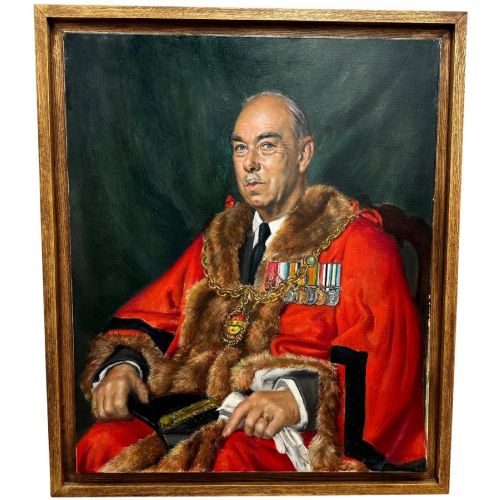
An antique portrait on canvas represents a painted likeness of an individual, ranging from seventeenth-century nobility to nineteenth-century family members and children. These works capture likenesses through painted oil on fabric, often retaining their original period frames of giltwood or wood.
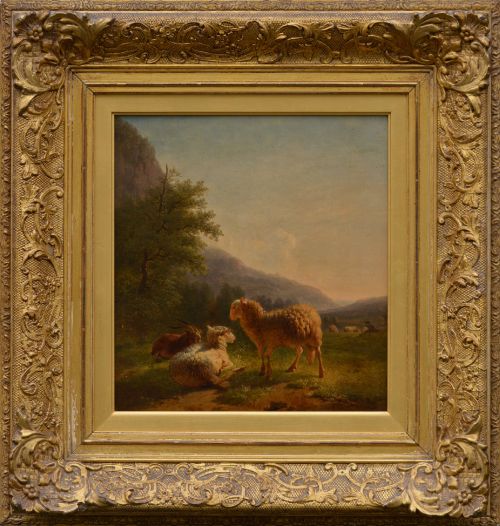
The selections span distinct historical eras, with seventeenth and eighteenth-century examples showing formal sitters in structured attire alongside later nineteenth-century interpretations that introduce domestic settings, landscapes, and softer romantic lighting.
Many items originate from British and European portrait traditions, produced by named masters, provincial studios, or anonymous hands working within established academic conventions.
How They Were Made
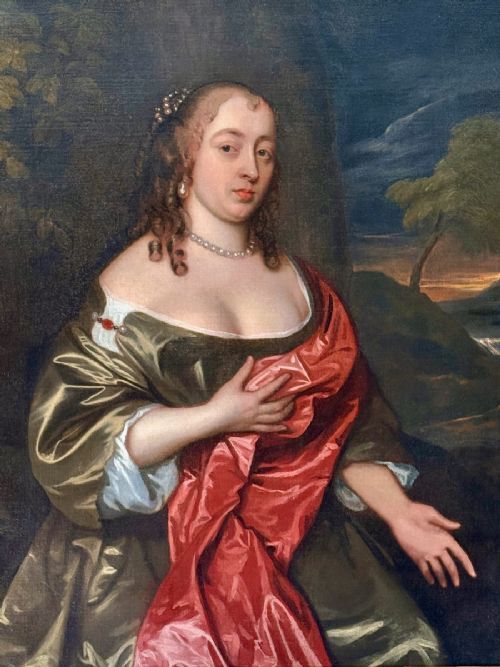
Artists applied oil paint directly onto stretched woven canvas supports, building up depth through successive layers of transparent glazes and opaque pigments. This technique allowed painters to render the subtle sheen of silk dresses, intricate lace collars, and the warm tones of human skin.
Finished canvases were secured into wooden stretchers and housed within decorative frames fashioned from carved giltwood or gold leaf over wood. These surrounds often complement the period of the painting, using applied ornamentation to enhance the visual weight of the portrait.
Antique Portrait on Canvas Retail Price Guide 2026
Typical asking prices for portrait on canvas among the pieces listed under this phrase on Sellingantiques today, from the lower quarter to the upper quarter. They describe what is for sale here now, not the wider market.
What Varies in Quality
Quality rests in the anatomical accuracy of the hands and face, the confident handling of drapery and fabric folds, and the psychological depth captured in the sitter's expression. Master works display a subtle command of light and shadow that gives the subject three-dimensional presence, whereas simpler studio productions rely on rigid formulas.
The survival of the original surface condition and the integrity of the canvas support influence the overall standard. Works that retain their untouched pigment layers without heavy modern overpainting offer a more direct connection to the original hand of the artist.
Charles Jervas·Sir Joshua Reynolds·William Oliver·Jean Baptiste Van Loo·David Scougall·Sir Peter Lely·Sir Martin Archer Shee·Bernard Hailstone·Georges de La Tour·Valentine T. Garland·John Maler Collier·Dumini Leopoldo·George Willison·John Opie·Jeremiah Davison·Anthony Van Dyck·Michael Dahl·Thomas Murray·Sir Godfrey Kneller·Constantyn Netscher·Alfred Holst Tourrier·Moritz Stifter·William Wissing·Herman Verelst·Jacob Huysmans
The Antique Portrait on Canvas Glossary
- Oil on Canvas
- A painting medium where pigments bound in drying oils are applied to a woven fabric support. This combination provides flexibility and allows for rich colour blending.
- Giltwood
- Timber that has been coated with a thin layer of gold leaf or gilt powder. It is frequently seen on traditional frames designed to complement formal portraits.
- Circle of
- A designation indicating that a painting was produced by an unidentified artist working closely within the studio style of a recognised master. It denotes period proximity rather than direct authorship.
- Provenance
- The documented history of ownership associated with a work of art. A clear lineage helps establish authenticity and historical context.
- Old Master
- A term applied to European painters of high skill working before the nineteenth century. These practitioners established enduring traditions of portraiture and narrative composition.
Antique Portrait on Canvas: Frequently Asked Questions
How do I identify the period of a canvas?
Examine the costume, hair style, and framing conventions of the sitter, which generally reflect the fashion of the decade in which the portrait was painted. Canvas preparation and stretcher construction techniques also offer clues to the age of the physical object.
Secondary documentation or recorded provenance can further anchor the date, though stylistic markers remain the primary guide for unrecorded works.
Were these portraits always meant for grand homes?
While monumental seventeenth and eighteenth-century canvases hung in country houses and town mansions, smaller nineteenth-century works were commissioned by a broader middle-class clientele for domestic parlours.
Portraiture served both as a display of social standing and as a personal memorial for family members.
How should I hang an oil portrait at home?
Position the canvas away from direct sunlight and damp environments to protect the oil paint and wooden stretcher from warping or fading. Ensure the wall structure can support the weight of the heavy giltwood frame.
Keep the centre of the canvas at average eye level to maintain the traditional viewing perspective intended by the artist.
What does attributed to an artist mean?
Attribution indicates that experts believe the work shares the style, technique, and period characteristics of a specific master, without possessing absolute documentation of authorship. This classification often bridges the gap between known studio output and unsigned regional painting.
It reflects informed scholarly opinion based on comparative analysis with authenticated pieces.