

Antique Porter Weight
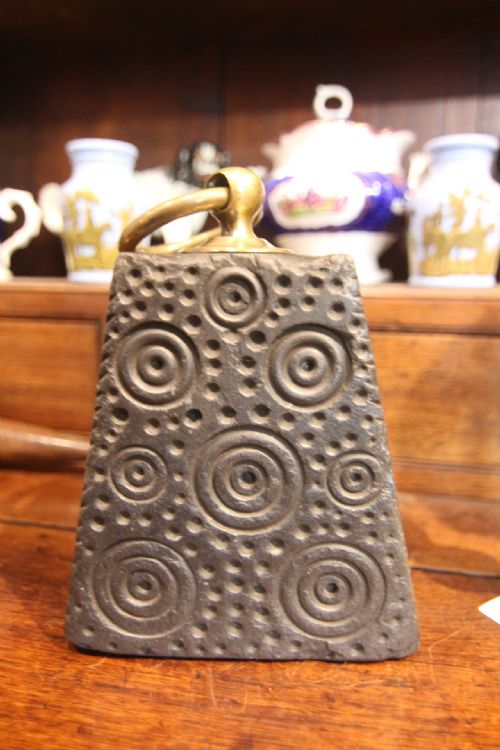
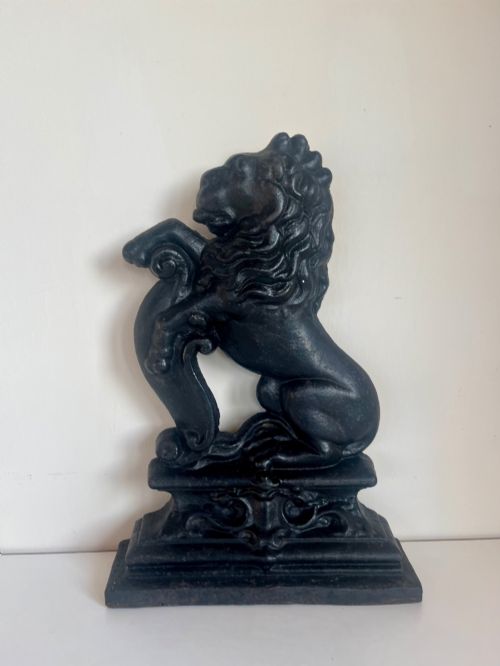
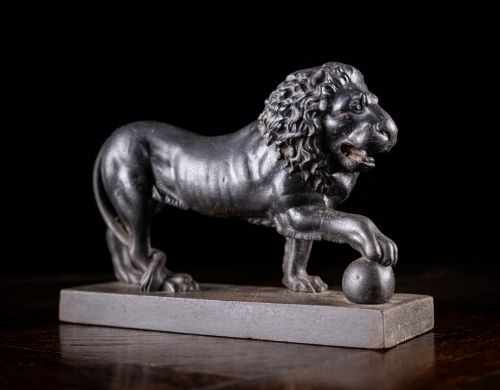
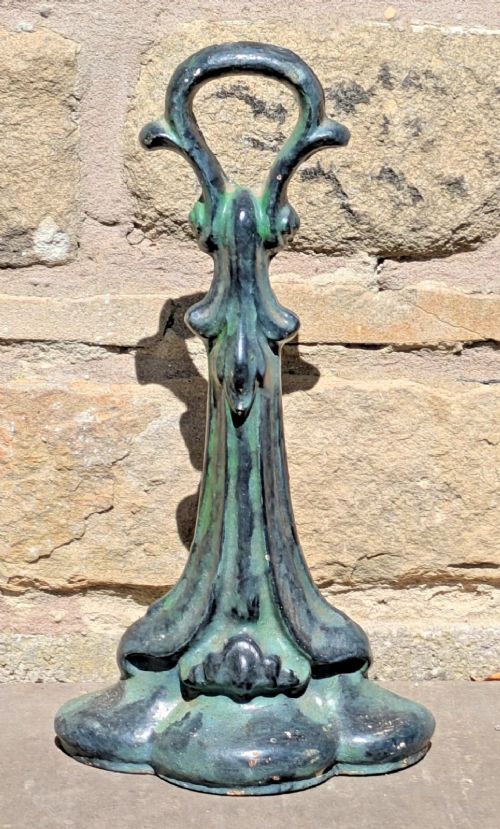
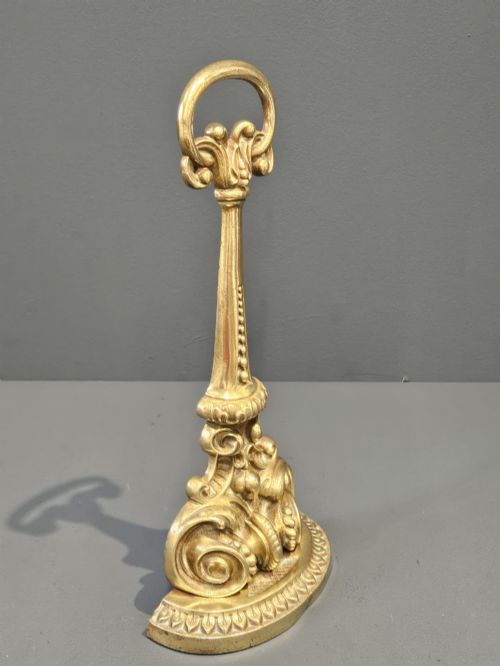
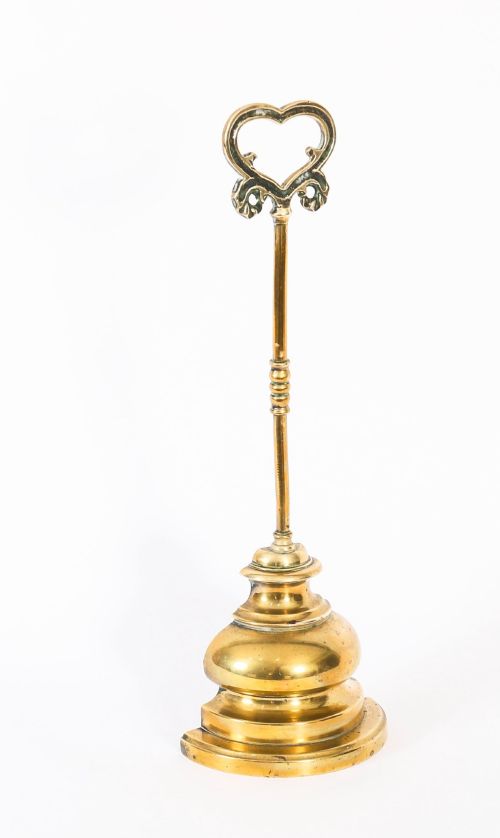
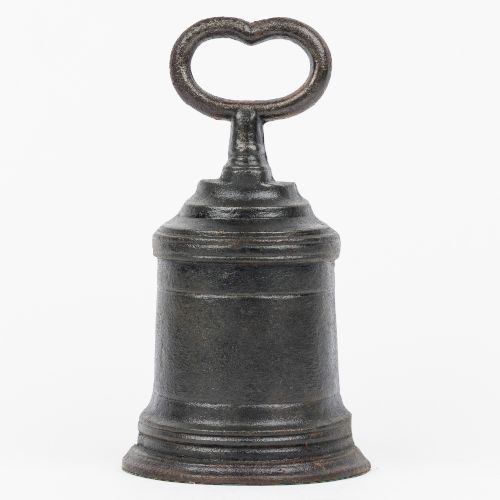
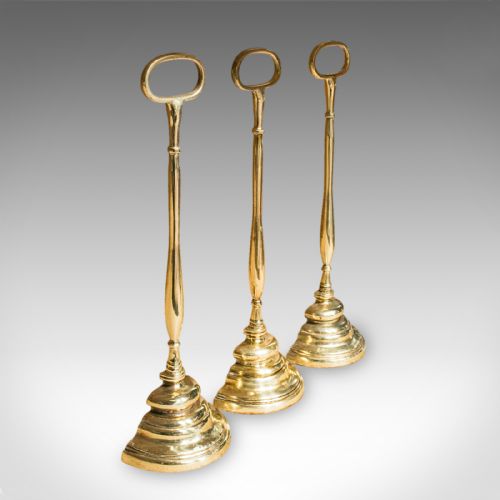
These heavy functional objects known as an antique porter weight are solid metal figures designed to hold heavy doors open against drafts.
Antique Porter Weight
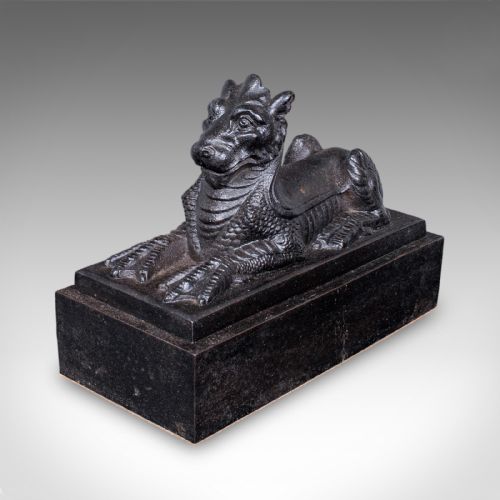
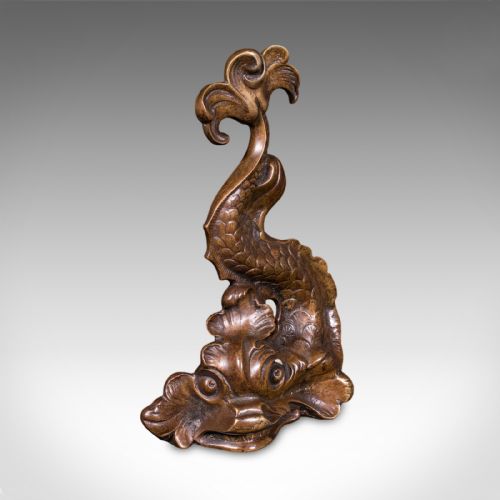
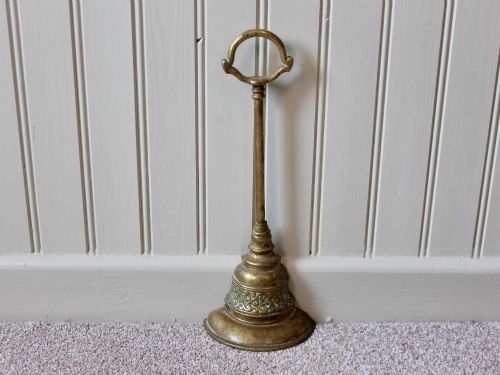
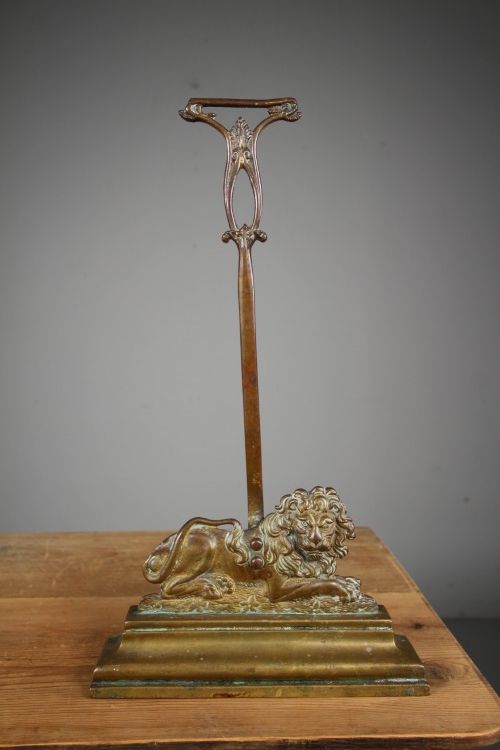
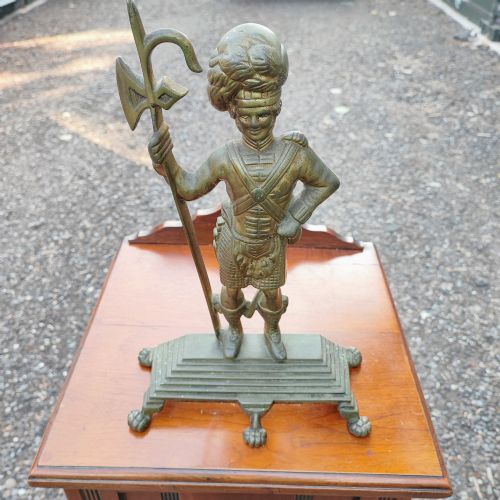
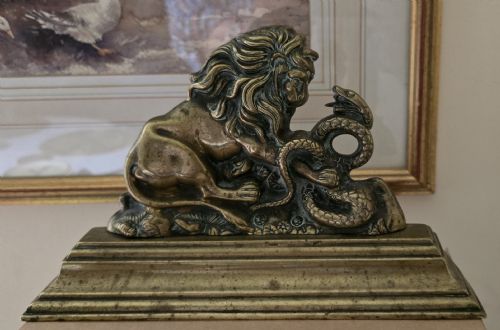
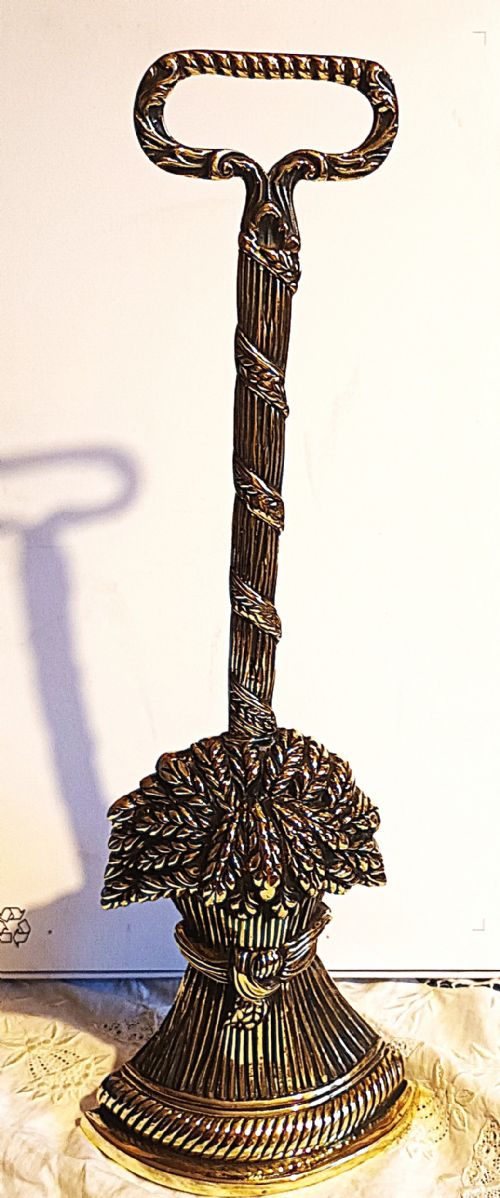
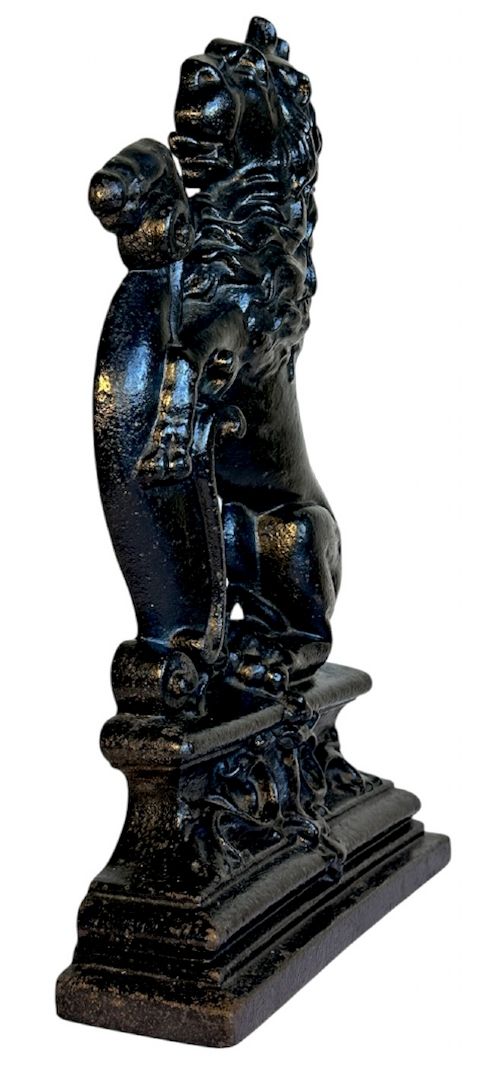
When you search for an antique porter weight, you encounter heavy functional pieces that double as decorative figures for the hearth or hallway. Most examples found on this page take the form of lions, mythological creatures, soldiers, and literary characters like Mr Punch.
The dominant forms span the Victorian and Regency periods, utilising sturdy metals to keep doors stationary. These items originate predominantly from English workshops, with occasional Welsh slate examples appearing among the heavier iron and brass pieces.
Makers produced these utilitarian objects in substantial weights to serve a practical household purpose in grand homes. Collectors today place them by heavy interior doors where their sculptural qualities remain visible.
How they were made
Foundry workers utilised sand casting techniques to pour molten iron, brass, or bronze into intricate moulds. This method captured fine details in animal manes, facial expressions, and military uniforms before the metal cooled.
Finishing work involved hand-chasing, polishing, or applying paint to cast surfaces to enhance decorative elements. Heavy materials like slate and lead occasionally served as plain bases or alternative bodies for the metal figures.
Antique Porter Weight Retail Price Guide 2026
Typical asking prices for porter weight among the pieces listed under this phrase on Sellingantiques today, from the lower quarter to the upper quarter. They describe what is for sale here now, not the wider market.
Mr Punch frequently guards Victorian doors with a permanent grin and a heavy iron truncheon.
What varies in quality
Crispness of the metal casting separates standard production from superior pieces, with finer details remaining sharp and clear on high-grade examples. Heavier weight and solid construction denote better utility and superior foundry work.
Archibald Kenrick & Sons·Tonks·William Tonks
The Antique Porter Weight Glossary
- Door porter
- An alternative term for a heavy weight used to keep interior doors from swinging shut. These items were essential in large rooms with frequent draughts.
- Cast iron
- An iron-carbon alloy poured into moulds to create rigid, heavy objects. It provides the dense mass required for functional door hardware.
- Cast brass
- An alloy of copper and zinc shaped through foundry casting. This material offers a bright golden appearance that polished well for formal interiors.
- Folk art
- Objects created by self-taught or traditional craftsmen outside mainstream academic traditions. These pieces often display charmingly naive interpretations of animal and human forms.
- Egyptian revival
- A nineteenth-century design style incorporating motifs from ancient Egypt such as sphinxes and pharaohs. It appeared frequently in Regency and Victorian metalwork.
Antique Porter Weight: Frequently Asked Questions
What is an antique porter weight?
An antique porter weight is a heavy decorative object used primarily to hold doors open in large houses. They were cast in metal or carved from stone to prevent draughts from slamming doors.
These items combine utilitarian function with sculptural design, featuring animals, figures, and heraldic motifs. They sat on the floor near heavy interior doors in hallways and reception rooms.
How do I date an iron porter weight?
Dating relies on stylistic clues, manufacturing techniques, and the historical periods associated with the design. Victorian and Regency examples often display distinct aesthetic movements and casting methods.
Examining the underside, the texture of the metal, and any registration marks helps determine the approximate decade of production. Stylistic markers like Egyptian revival motifs narrow down the era.
How were these heavy weights used?
Households placed these objects directly on the floor against the base of interior doors to keep them stationary. Their substantial mass prevented doors from moving in houses with strong draughts.
Beyond stopping doors, they served as decorative ornaments in grand hallways and by fireplaces. Their presence added a finished sculptural element to domestic interiors.
How do I clean a brass porter weight?
Cleaning requires gentle dusting and occasional wiping with a soft cloth to preserve the metal surface. Avoiding harsh chemical polishes maintains the authentic aged patina that collectors value.
If the brass requires brightening, a mild soapy solution removes accumulated dirt without stripping the historic surface. Heavy scrubbing should be avoided on cast details.