




Antique Porcelain Spill Holders
Antique porcelain spill holders are decorative ceramic vessels designed to hold thin tapers for lighting fires, offering a glimpse into domestic life before matches.
Antique Porcelain Spill Holders
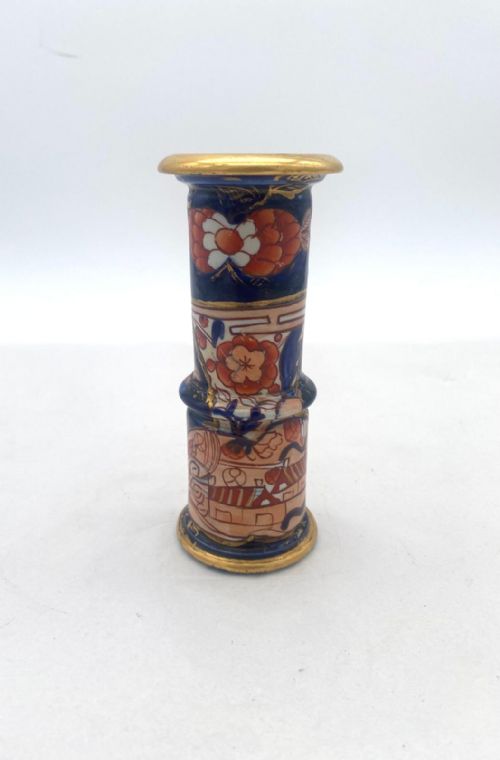
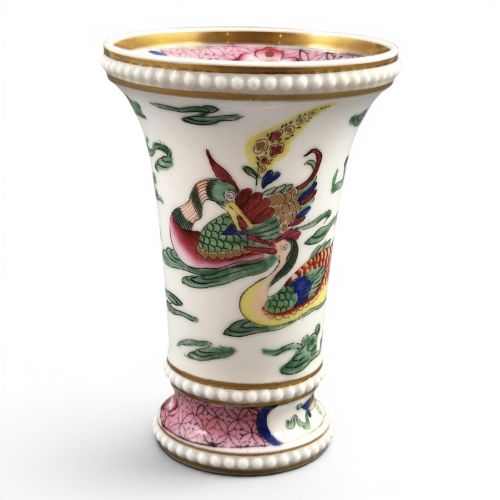
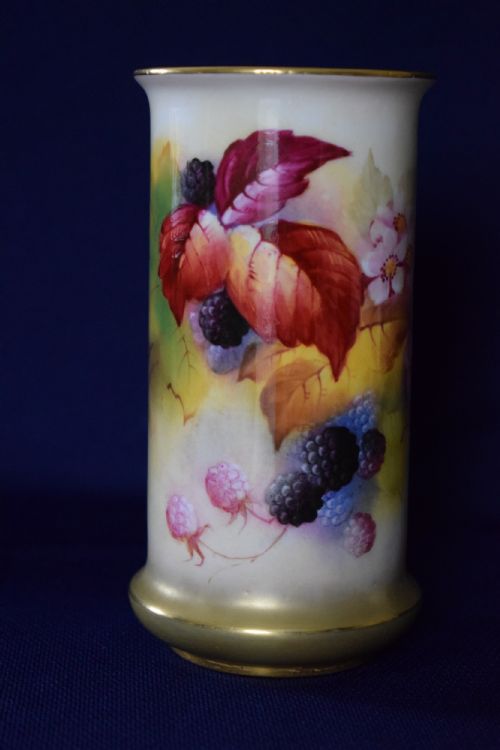
Antique porcelain spill holders take several distinct forms, most commonly appearing as cylindrical vases or figural groups produced across the nineteenth and early twentieth centuries. These vessels were placed on mantelpieces to hold wooden splints, known as spills, which transferred flames from the hearth to candles and lamps.
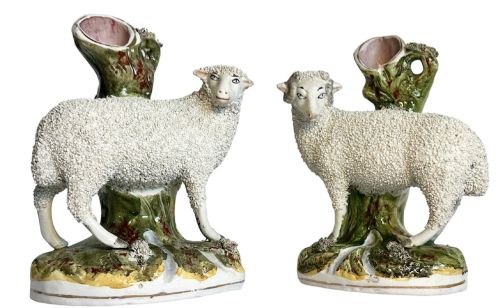
The pieces on this page span the Georgian, Victorian, Edwardian, and later eras, reflecting shifts in taste from naturalistic animal subjects to hand-painted botanical and pastoral scenes. Makers ranged from major factories like Royal Worcester and Spode to Staffordshire potteries producing charming figures of sheep, deer, and swans.
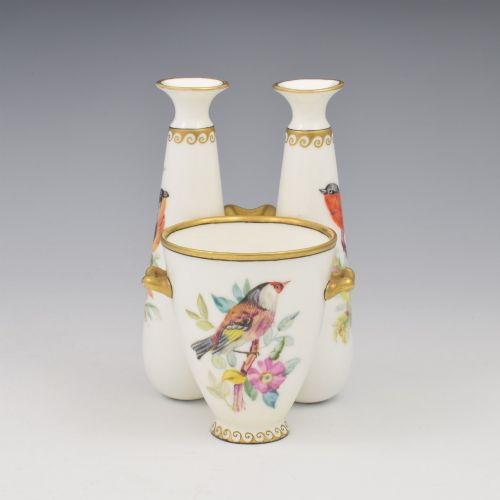
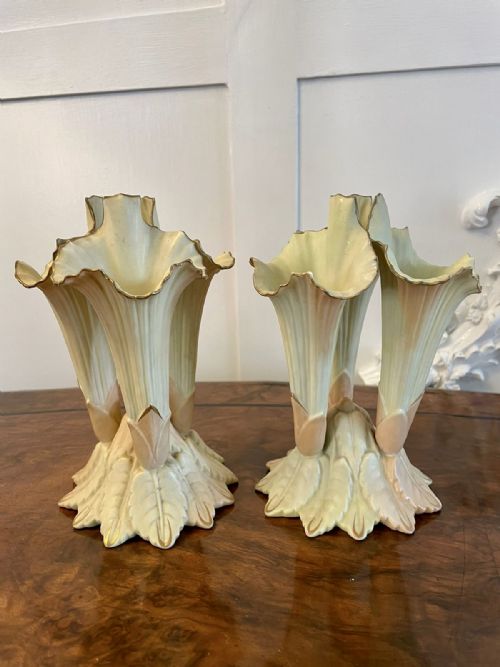
Forms vary from simple patterned cylinders to elaborate triple vases and figural pairs depicting subjects such as Scots harvesters or highland cattle. Earthenware and bone china appear alongside porcelain, often enriched with gilding, enamel, and intricate hand-painting by named artists.
How they were made
Makers shaped these vessels using traditional ceramic techniques, moulding porcelain, bone china, or earthenware into distinct vase and figural forms before firing them in kilns. Many pieces received a lead glaze or smooth glaze finish to seal the body and provide a glossy surface for subsequent decoration.
Decoration relied on skilled hand-painting, enamel work, and gilding applied over the glaze, often requiring multiple firings to fix the colours and metallic accents securely. Factories employed specialist artists to paint complex ornithological, floral, or landscape subjects onto the porcelain bodies.
Listings feature porcelain, earthenware, and bone china pieces decorated with gilding, enamel, and lead glaze.
What varies in quality
Quality in these vessels depends largely on the crispness of the moulding and the finesse of the hand-painted decoration. Pieces painted by known studio artists display a level of detail and brushwork control that elevates them above standard factory output.
The application of gilding and enamel also marks the distinction between ordinary production wares and superior examples. Heavier, more refined porcelain bodies and complex figural modelling indicate higher craftsmanship during the manufacturing process.
Royal Worcester·Spode·Locke And Co·Ernst Wahliss
The Antique Porcelain Spill Holders Glossary
- Spill Vase
- A small cylindrical vessel designed to hold wooden spills for lighting fires. These objects sat near the hearth for daily domestic use.
- Bone China
- A type of soft-paste porcelain containing bone ash, known for its high strength, chip resistance, and translucent white body.
- Bisque
- Unglazed white porcelain with a matte, marble-like texture. This surface finish highlights the fine sculptural details of figural pieces.
- Gilding
- The application of gold leaf or powdered gold to ceramic surfaces. It provides metallic highlights that frame painted panels and rims.
- Staffordshire Pottery
- Ceramics produced in the Staffordshire region of England. This area was a major hub for earthenware and figural spill holders.
Antique Porcelain Spill Holders: Frequently Asked Questions
What are antique porcelain spill holders?
These pieces are small ceramic vessels made to hold wooden tapers used for lighting fires and candles before matches became common.
They were essential mantelpiece accessories in homes, combining practical utility with decorative porcelain craftsmanship.
How were spill holders used?
Households kept thin wooden splints inside the vessels near the fireplace to easily transfer flames to lamps and candles.
When a fire was needed, a single spill was pulled out, lit at the hearth, and carried to the wick.
How do I date an antique spill vase?
Dating relies on factory marks, the style of decoration, and the material composition recorded in the piece details.
Victorian pieces often feature robust figural designs, while Edwardian and later examples frequently showcase delicate painted scenes by named artists.
What is the difference between porcelain and earthenware?
Porcelain is fired at higher temperatures to create a dense, vitrified body that is often translucent.
Earthenware is more porous and opaque, requiring a glaze to hold liquids, and forms the basis for many traditional Staffordshire figures.