


Antique Porcelain Portrait
An antique porcelain portrait brings the painted gaze of history into a room through delicate ceramic brushwork.
Antique Porcelain Portrait
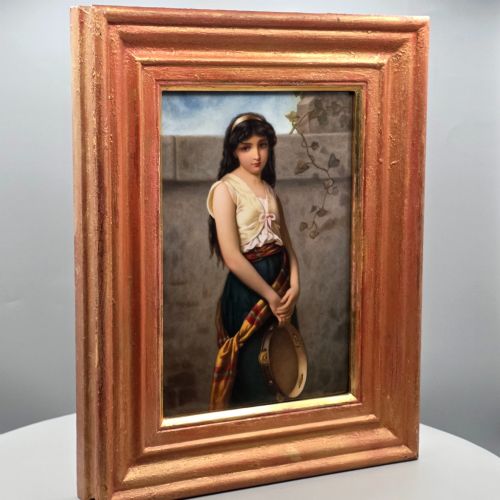
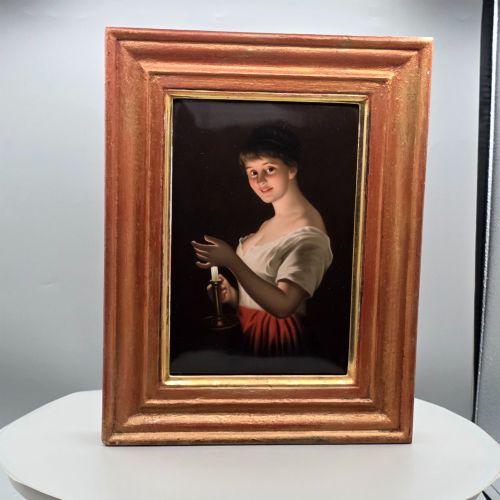
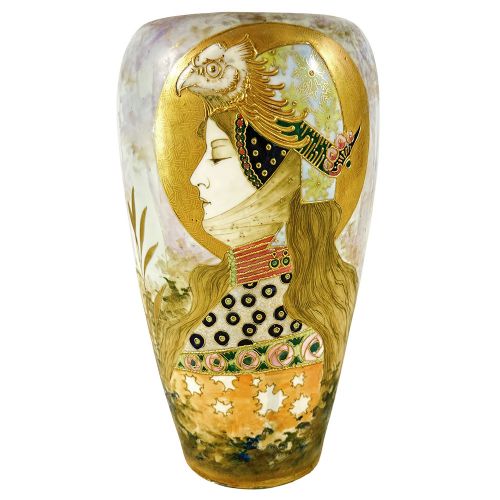
When you search for an antique porcelain portrait, you encounter hand-painted cabinet plates, wall plaques, miniature paintings, and ceramic busts spanning the Victorian, Edwardian, and Art Nouveau periods. These items record historical figures, literary characters, and classical subjects rendered in fine detail upon glazed ceramic surfaces.
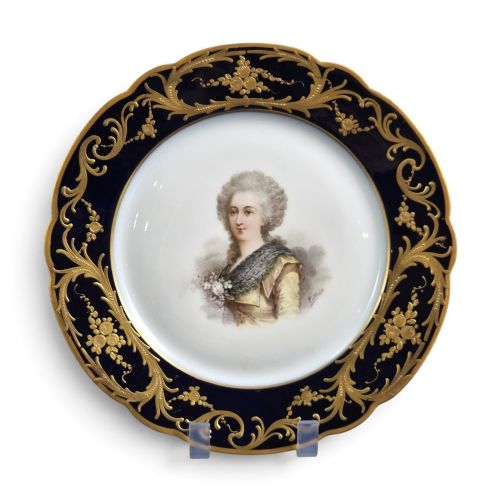
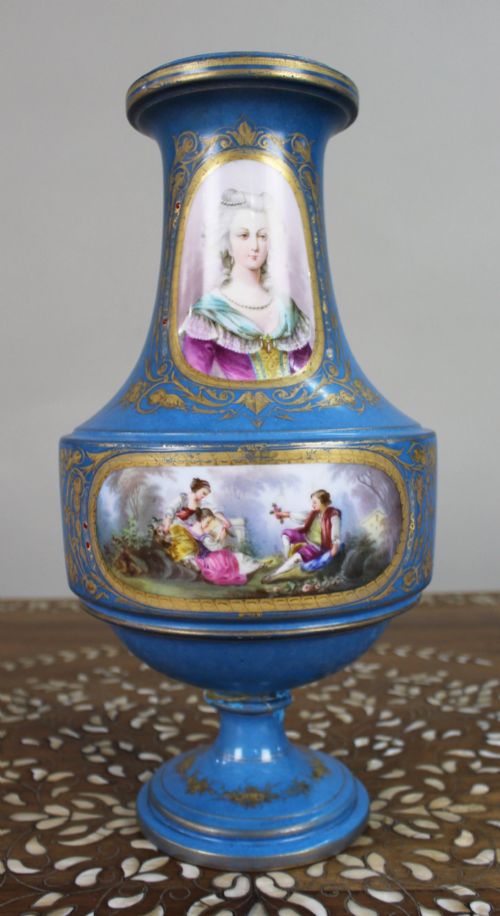
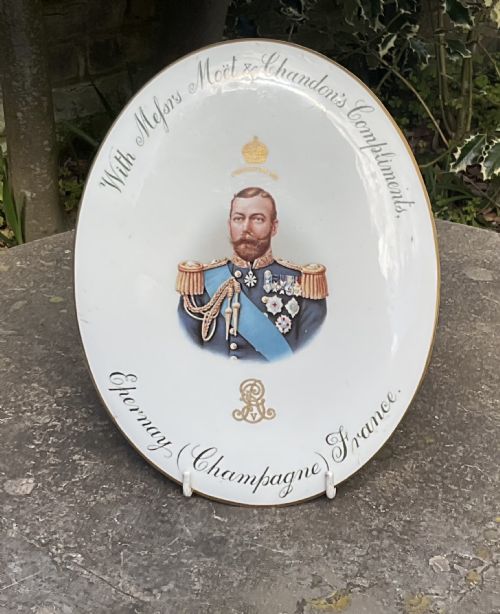
The most common examples on this page are circular cabinet plates and framed wall plaques originating from European factories such as Sèvres, Royal Vienna, and Limoges during the nineteenth century. These objects often portray named subjects like Marie Antoinette or Queen Victoria, framed by gilt detailing or cobalt borders.
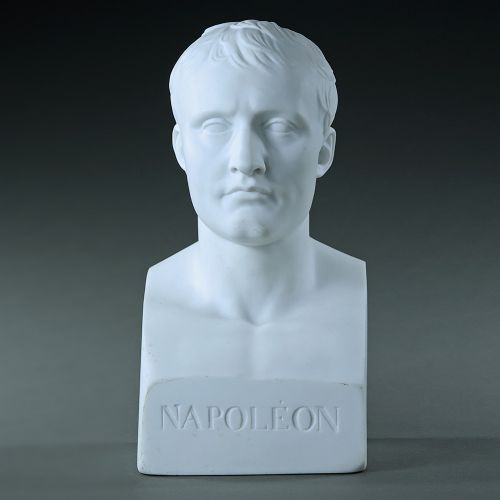
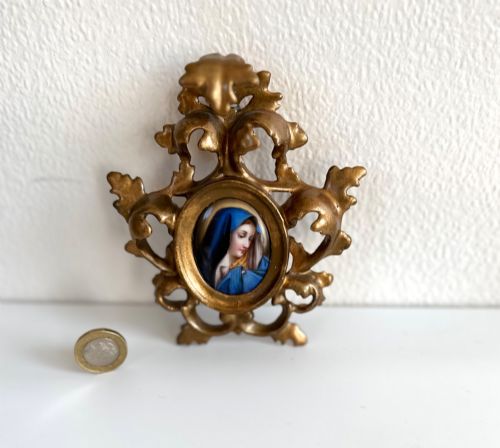
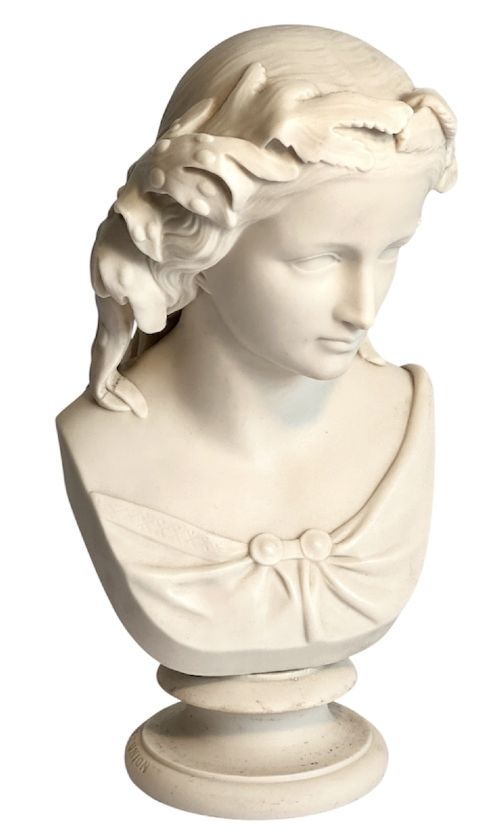
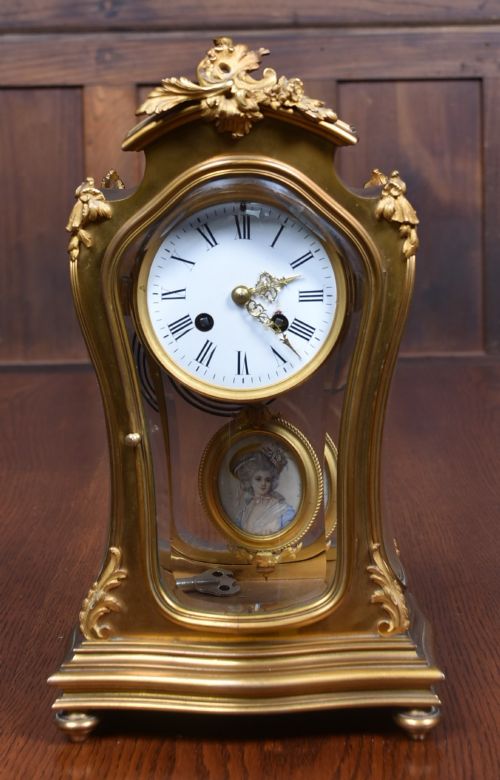
Beyond flat plates and plaques, the category includes three-dimensional portrait busts in Parian ware and porcelain, alongside decorative boxes and mantel clocks inset with painted enamel miniatures. Each form demonstrates how portraiture transitioned from canvas into kiln-fired ceramic media.
Materials and Techniques
Makers produced these portrait pieces by applying mineral pigments and ceramic paints onto white glazed porcelain bodies before firing them in kilns to fuse the colours permanently to the surface. Artists frequently added gold leaf and hand-gilded borders around the central image to accentuate the subject.
Finer works often utilised biscuit porcelain or Parian ware for sculptural busts and figures, capturing matte textures that imitated carved marble without a glaze. Painted plaques and cabinet plates relied on specialised enamel colours capable of withstanding high kiln temperatures without losing their tonal depth.
The listings show portrait pieces spanning from the Victorian era through the Edwardian period, utilising porcelain, enamel, and Parian ware.
Judging Quality and Execution
The quality of the surrounding mount or frame also influences the piece, from heavy cast ormolu mounts on clocks and wall lights to intricate hand-gilded borders on porcelain plates. Pieces bearing the signature of a known painter or a recognised factory mark generally reflect a higher standard of artistic execution.
Sèvres·Royal Bonn·Reissner Stellmacher and Kessel·Coalport·Royal Vienna·KPM·Ernst Whaliss
The Antique Porcelain Portrait Glossary
- Cabinet Plate
- A decorative ceramic plate intended for display in a cabinet or on a wall rather than for dining use. These plates frequently feature detailed painted scenes or portraits.
- Parian Ware
- A type of fine biscuit porcelain developed in the nineteenth century that resembles white marble. It was commonly used for sculptural busts and figures.
- Bisque Porcelain
- Unglazed ceramic ware that has been fired once, offering a matte, porous surface with a smooth texture. It is frequently employed for portrait busts and figures.
- Ormolu
- Gilt bronze mounts applied to decorative objects, clocks, and porcelain pieces during the nineteenth century. This technique added metallic ornamentation to ceramic forms.
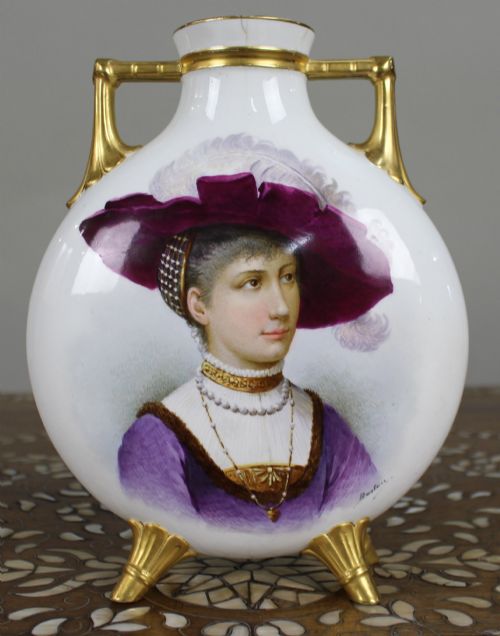
- Moon Flask
- A flattened ceramic flask with a circular body, narrow neck, and small handles, often decorated with hand-painted scenes or portraits.
Antique Porcelain Portrait: Frequently Asked Questions
How should I display a portrait plate?
Cabinet plates and wall plaques are typically mounted on sturdy wall hangers or displayed upright in specialised display cabinets where light can reach the glazed surface.
Avoid placing them in areas of direct sunlight that might fade delicate enamel colours over time.
Were these painted portraits mass-produced?
While major factories produced porcelain blanks in larger quantities, the actual portraits were executed by hand by skilled ceramic painters.
Signed pieces indicate individual artistry, though workshop standards varied considerably across different makers and periods.
How do I identify the period of a piece?
Stylistic clues such as the heavy gilding of the Victorian era or the flowing lines of Art Nouveau provide initial dates.
Backstamps and factory marks found on the underside of the porcelain offer more precise chronological markers.
What is the difference between a plaque and a plate?
A porcelain plaque is manufactured specifically to act as a flat canvas for a painting, often designed to be framed and hung on a wall like a canvas.
A cabinet plate retains the curved rim and shape of a traditional dining plate while featuring a central portrait intended solely for visual display.