


Antique Porcelain Display
Antique porcelain display pieces bring together glazed ceramics and specialised furniture, offering a tangible link to 18th-century, Victorian, and Edwardian interiors.
Antique Porcelain Display
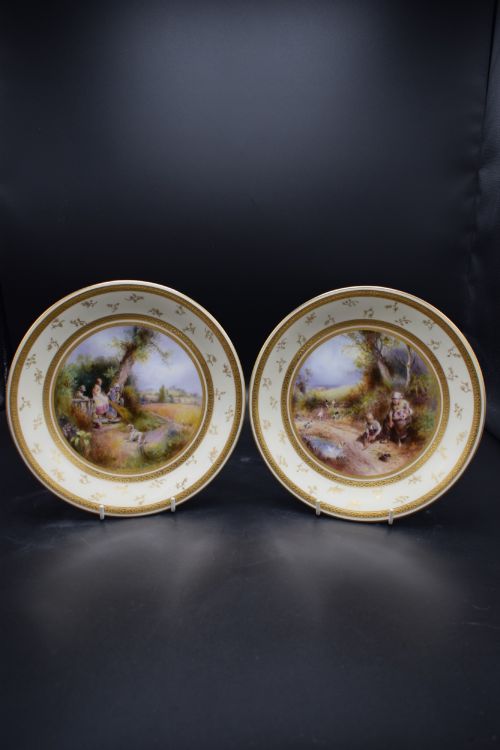
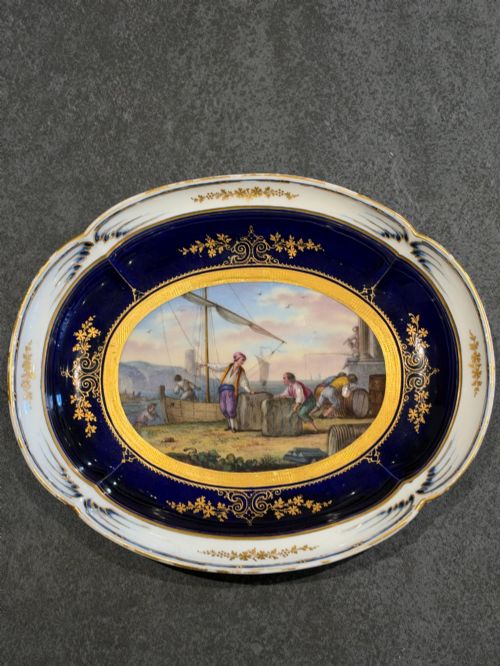
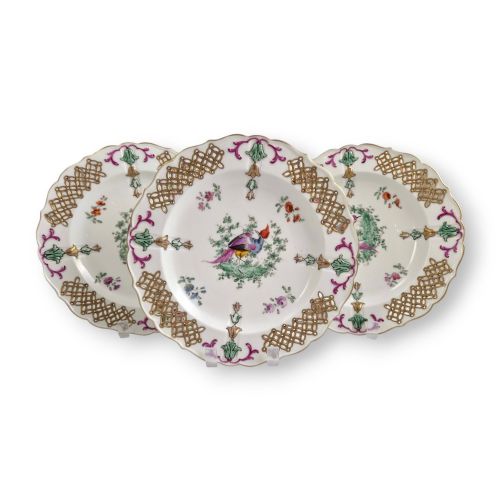
An antique porcelain display encompasses both the ceramic objects themselves and the dedicated furniture designed to showcase them. Buyers searching for an antique porcelain display will encounter a mix of freestanding plates, chargers, and vases alongside specialised cabinets, credenzas, and vitrines.
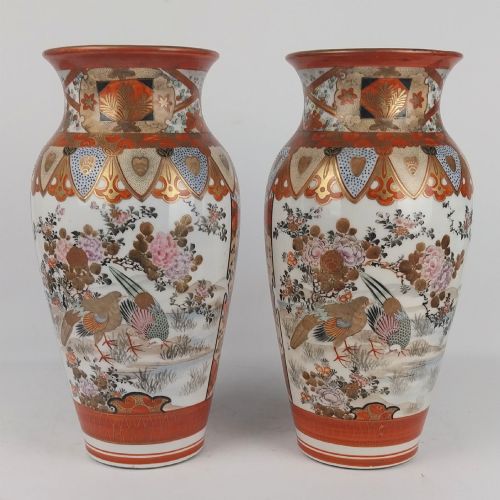
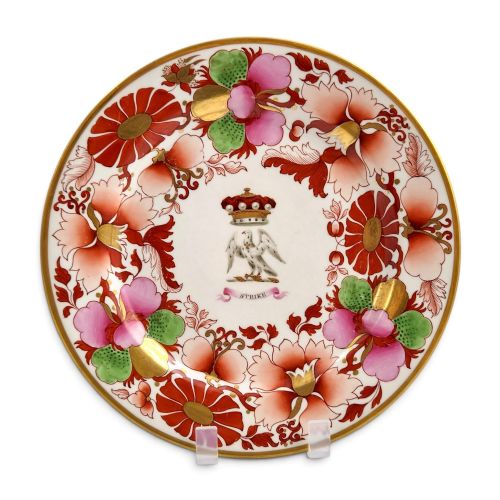
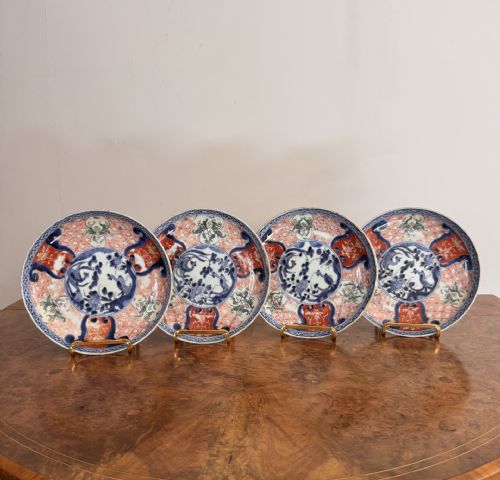
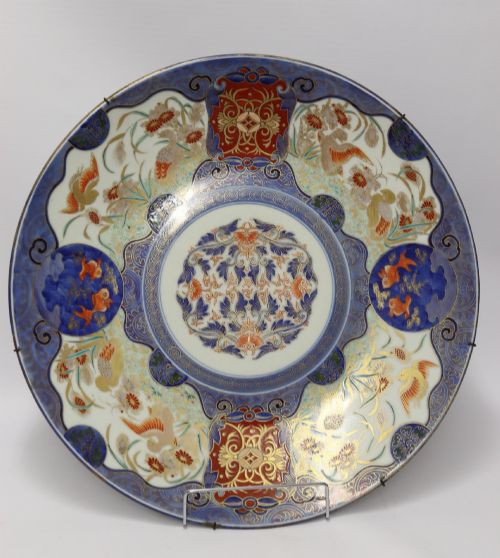
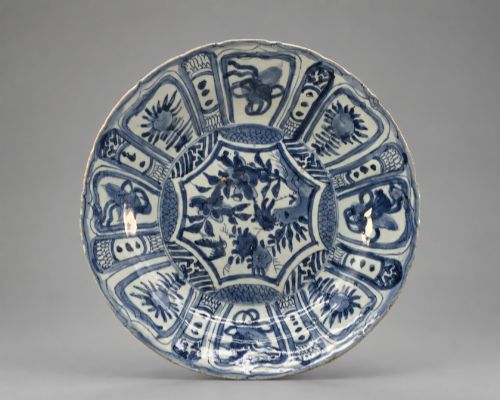
The ceramic components span diverse origins, from English factories like Worcester and Royal Crown Derby to continental European works and Asian traditions such as Japanese Imari and Chinese Qing Dynasty wares. These items range from single cabinet plates to large pairs of urns and comprehensive dessert services.
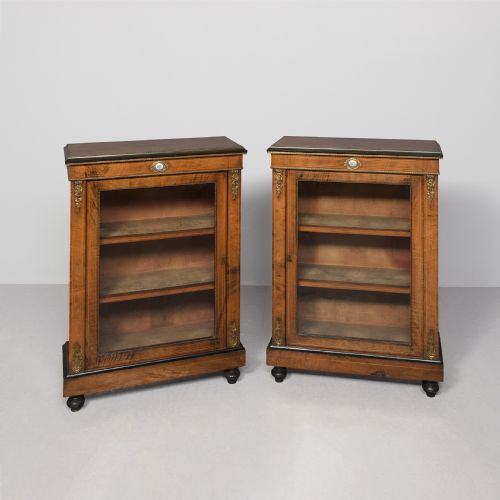
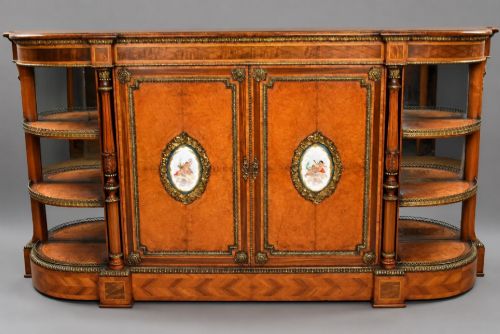
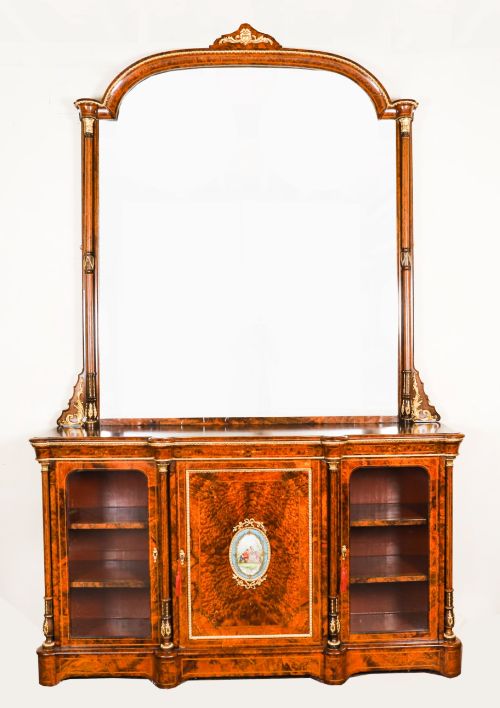
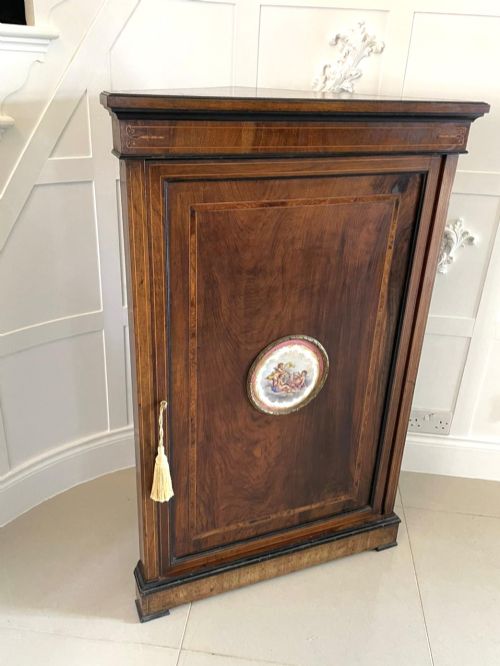
Furniture pieces in this category often integrate porcelain plaques directly into their woodwork, combining burr walnut, mahogany, or ebonised timber with ormolu mounts and glass panels. Such cabinets provide the structured setting necessary to exhibit delicate ceramic objects safely.
Materials and construction methods
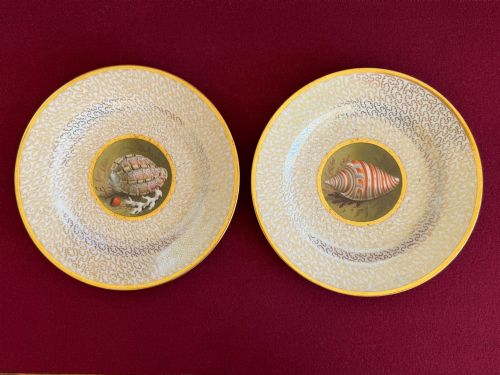
Porcelain bodies are fired at high temperatures using kaolin and petuntse, then hand-painted with cobalt blue underglazes, enamel pigments, and applied gold leaf or gilding. Makers often mounted these ceramics onto gilt bronze or ormolu stands, or integrated painted porcelain plaques into wooden furniture frames.
Cabinet makers utilised dense hardwoods such as burr walnut, satinwood, and ebonised timber, frequently employing marquetry inlay and brass fittings. Vitrines and display cases combine these structural timbers with curved glass doors and velvet-lined interior shelving to highlight the ceramic contents.
Antique Porcelain Display Retail Price Guide 2026
Typical asking prices for porcelain display among the pieces listed under this phrase on Sellingantiques today, from the lower quarter to the upper quarter. They describe what is for sale here now, not the wider market.
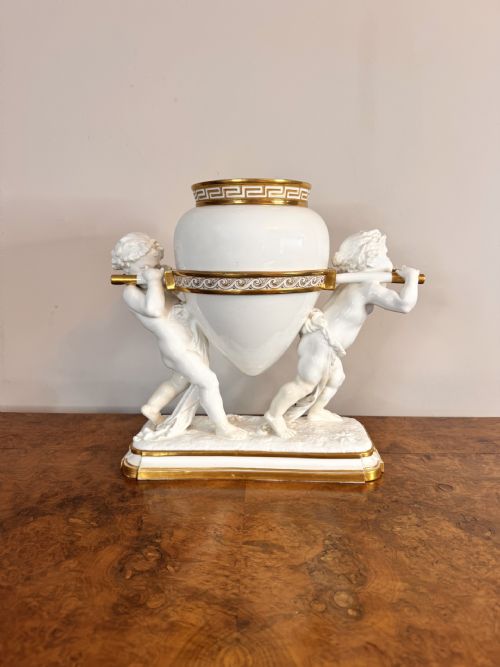
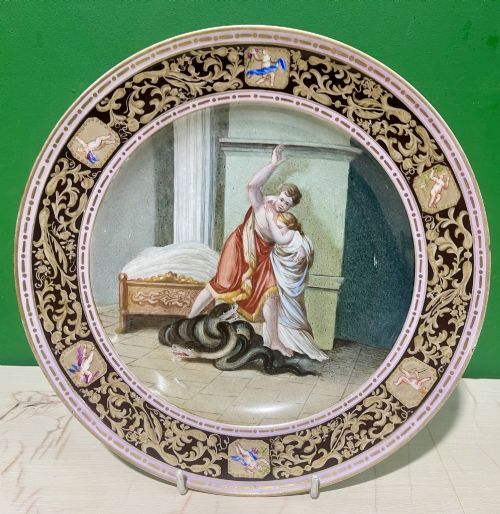
Several plates depict cheerful cherubs tending gardens, proving that historical porcelain makers also appreciated a light-hearted scene.
Factors of quality and execution
Quality rests in the precision of the hand-painted brushwork on the porcelain, the depth of the glaze, and the crispness of any gilt highlights or transfer prints. Superior ceramic pieces exhibit finer detail in figurative scenes or botanical motifs and maintain clean, well-vitrified bodies without kiln warping.
Barr Flight and Barr·Imperial Porcelain Factory·H and R Daniel·Royal Crown Derby·Hampton and Sons
The Antique Porcelain Display Glossary
- Imari
- A style of Japanese porcelain originating from Arita, characterised by a palette of underglaze blue, iron red, and gold. This decorative scheme was widely copied by European factories during the 18th and 19th centuries.
- Vitrine
- A glass-fronted cabinet designed specifically for the display of curiosities, porcelain, and fine objects. These cases often feature glazed sides to maximise light exposure on all sides of the displayed items.
- Ormolu
- Gilded bronze mounts applied to furniture and decorative objects, particularly popular during the Regency and Victorian periods. The technique involves applying a mercury and gold amalgam to cast bronze.
- Chinoiserie
- European artistic interpretations of Chinese and East Asian artistic traditions, prominent in ceramics and furniture decoration. This style frequently depicts imaginary landscapes, pavilions, and figures.
- Credenza
- A low cabinet or sideboard, which in Victorian examples frequently incorporated inset porcelain plaques and ormolu mounts. These pieces served both for storage and as a surface for displaying decorative ceramics.
Antique Porcelain Display: Frequently Asked Questions
How do I style porcelain display cabinets at home?
Arrange ceramic plates vertically using plate stands or group vases by height and palette inside the cabinet shelves. Ensure the interior lighting highlights the glaze without exposing the pieces to direct sunlight.
Leave adequate space between individual items to maintain a balanced visual arrangement that allows each ceramic piece to be examined clearly.
What is the difference between Imari and Arita ware?
Arita is the Japanese town where the porcelain clay was mined and fired, while Imari is the port from which these wares were shipped to Europe. Consequently, export pieces decorated in the traditional blue, red, and gold palette are commonly called Imari.
Both terms refer to the same robust ceramic tradition, though pieces labelled specifically as Arita often emphasise the early blue and white export aesthetic.
How do I care for antique porcelain?
Dust porcelain surfaces gently with a soft, dry brush or feather duster to prevent abrasive particles from scratching the glaze or gilding. Avoid using liquid cleaners on antique enamels and gold leaf, which can lift or degrade over time.
Keep display furniture away from heat sources and damp environments to protect both the wooden carcass and the stability of the ceramic bodies.
How do I identify Victorian porcelain mounted furniture?
Examine the cabinet doors and friezes for inset ceramic plaques, which were typically produced in factories such as Sèvres or English potteries. These plaques are secured within brass or ormolu frames built directly into the burr walnut or ebonised timber.
Look for structural joinery typical of the mid to late 19th century, including hand-cut dovetails in the drawers and original key escutcheons.