





Antique Porcelain Bedside Lamps
These antique porcelain bedside lamps bring character and soft illumination to a room, drawing on centuries of global ceramic and metalwork traditions.
Antique Porcelain Bedside Lamps
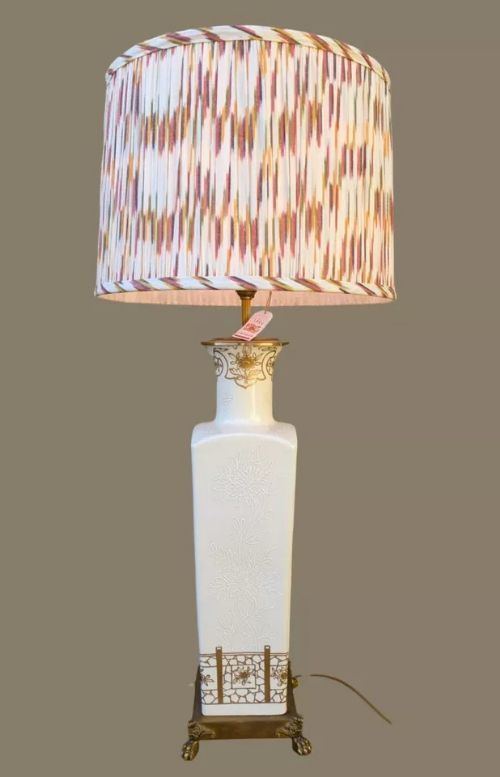
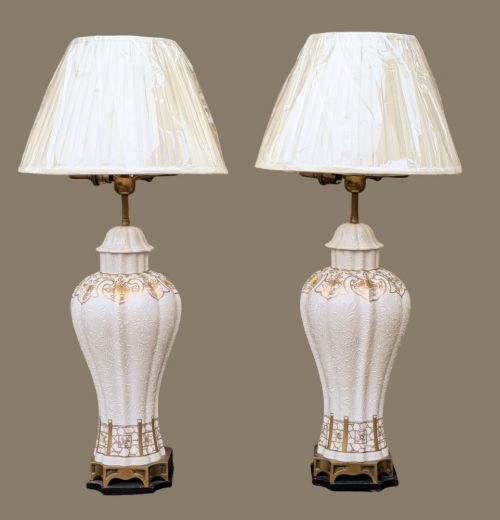
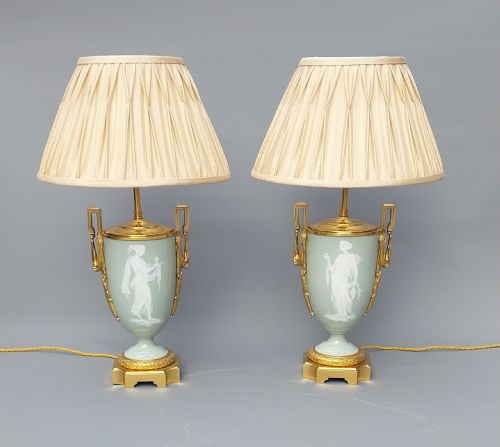
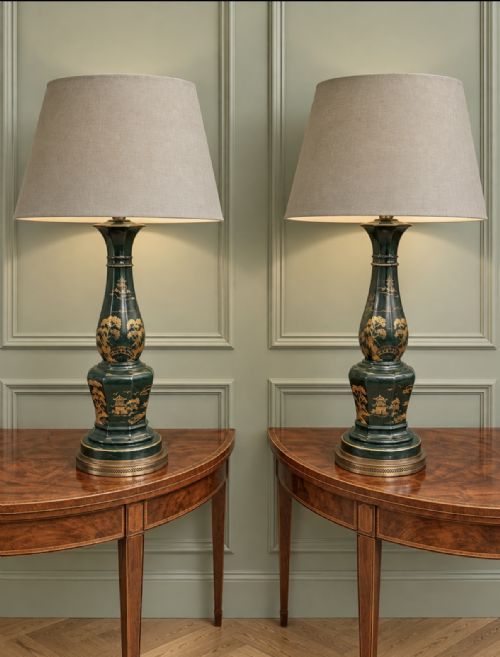
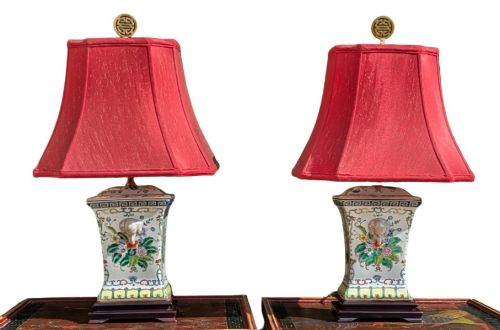
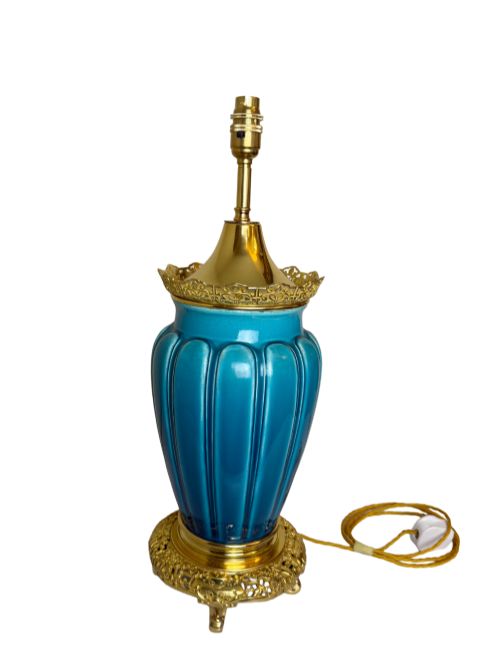
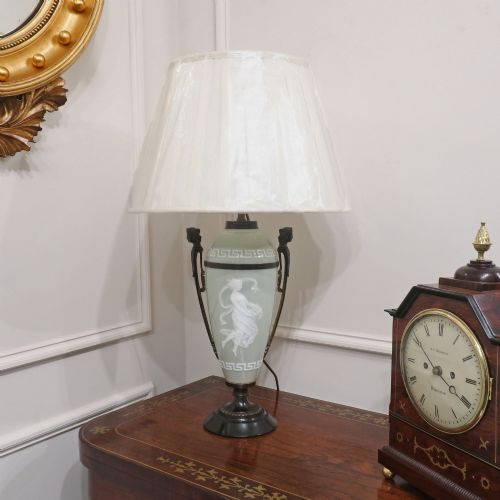
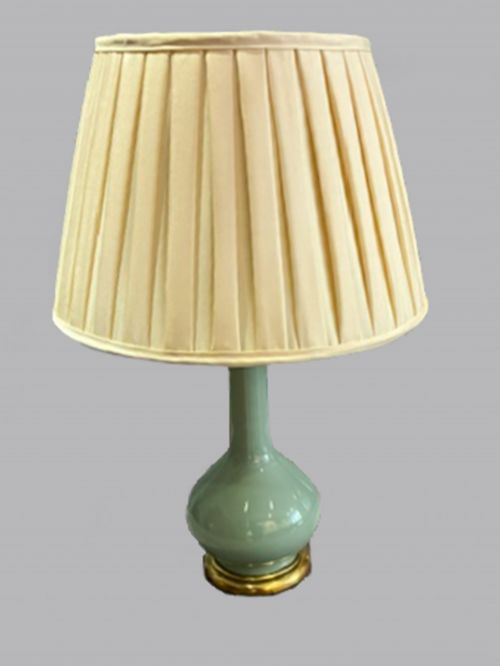
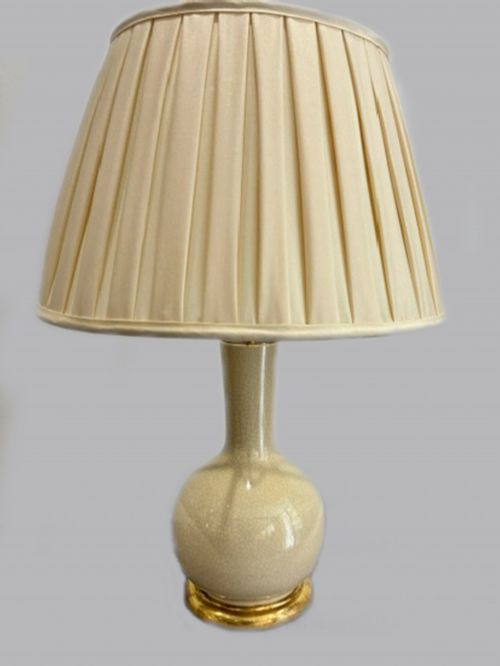
When you search for antique porcelain bedside lamps, you encounter vessels transformed for lighting, primarily originating from nineteenth-century France, China, and Japan. These pieces frequently take the form of converted vases, ginger jars, and cache-pots fitted securely for electrical use.
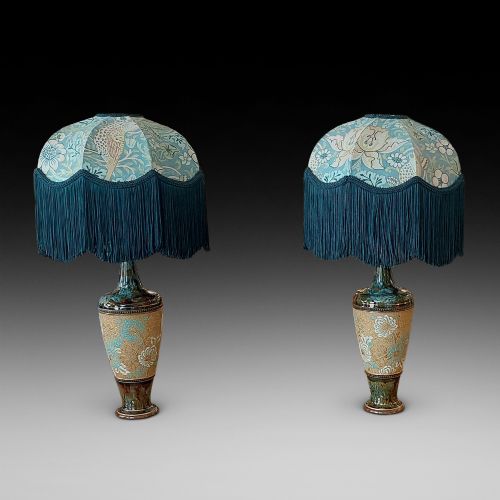
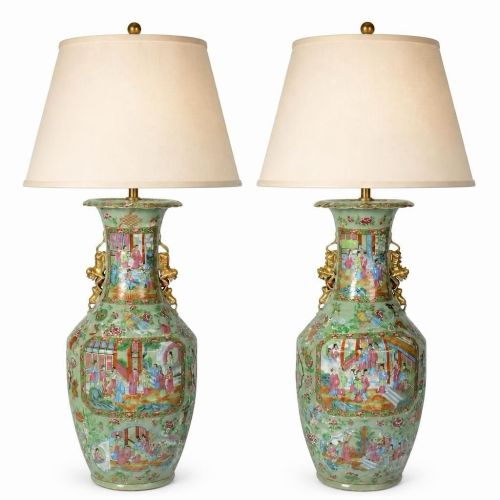
The domestic lighting found here relies heavily on pairs, especially in styles such as Japanese Satsuma, Chinese blue and white, and French Rococo Revival or Neoclassical designs. Such items span decades from the eighteen-seventies through to the nineteen-forties, maintaining their original decorative bodies while incorporating later wiring and hardware.
How they were made
The foundation of these objects rests on fired ceramic bodies, including hard-paste porcelain, celadon, crackleware, and Blanc de Chine, often hand-painted with cobalt blue, famille rose, or polychrome enamels. Artisans then mounted these ceramic vessels onto cast metal components.
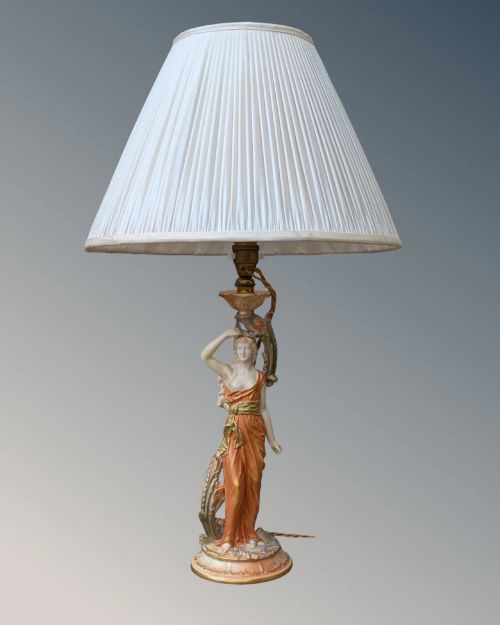
Mounts and bases utilise brass, gilt bronze, and ormolu, fastened to secure the porcelain body and provide stability for table use. Many examples integrate fabric or silk shades, sometimes paired with gilt toleware or beaded trims.
Antique Porcelain Bedside Lamps Retail Price Guide 2026
Typical asking prices for porcelain bedside lamps among the pieces listed under this phrase on Sellingantiques today, from the lower quarter to the upper quarter. They describe what is for sale here now, not the wider market.
The listings span the nineteenth and twentieth centuries, uniting French Neoclassical, Chinese Export, and Japanese Meiji styles.
What varies in quality
Distinction across these lamps lies in the crispness of the hand-painted detail and the finesse of the metal mounting. Finely chased ormolu and robustly potted porcelain sit at the higher end of the scale, showing precise brushwork and well-balanced proportions.
The integration of the ceramic body with the metal hardware also dictates the standard of the piece. Superior examples maintain the structural integrity of the original vase without compromising the ceramic through invasive drilling.
Ernst Bohne Und Sohn·Royal Worcester·Sitzendorf·Gien
The Antique Porcelain Bedside Lamps Glossary
- Ormolu
- Gilded bronze mounts used extensively in French decorative arts. This technique involves applying a finely ground gold-mercury amalgam to bronze before heating.
- Satsuma
- Japanese pottery originating from the Satsuma Province, typically characterised by a cream-coloured earthenware body with crackled glaze and elaborate polychrome and gilt decoration.
- Famille Verte
- A Chinese porcelain palette dominated by green enamel hues, developed during the Qing dynasty and widely emulated in later nineteenth-century exports.
- Pate Sur Pate
- A ceramic decorating technique where relief designs are built up using liquid clay applied layer upon layer to a contrasting body.
- Blanc de Chine
- White porcelain produced at Dehua in China, known for its milky glaze and smooth, uniform appearance.
Antique Porcelain Bedside Lamps: Frequently Asked Questions
Were these always lamps?
Most of these porcelain bodies started life as vases, ginger jars, or ceremonial vessels before being converted into lamps at a later date. This adaptation often occurred in the nineteenth or early twentieth century to suit contemporary domestic lighting needs.
Original factory-made lamp bodies do exist, but the majority represent a second life for decorative ceramics sourced from China, Japan, and Europe.
How do I date them?
Dating relies on combining the stylistic evidence of the ceramic body with the characteristics of the metal mounts and wiring hardware. Nineteenth-century pieces often display hand-mixed glazes and heavy brass or ormolu fittings.
Later pieces from the twentieth century may show different base constructions and modern cord wiring alongside Art Deco or transitional styling.
Are pairs common?
Matched pairs appear frequently among these listings, particularly with Chinese export ginger jars and Japanese Satsuma vases. These matching sets were often created together in the nineteenth century and later converted simultaneously.
Finding a balanced pair adds symmetry and visual weight to bedside tables or mantlepieces.
How do I care for them?
Gentle dusting with a dry, soft cloth preserves the hand-painted enamel and gilt surfaces without risking the ceramic glaze. Avoid using harsh chemical cleaners on both the porcelain and the ormolu mounts.
Wiring should be checked periodically by a qualified professional to ensure safety, particularly on older pieces retaining vintage fittings.