



Antique Pleated Door Cabinet
An antique pleated door cabinet brings rich wood and gathered textile into a room, offering refined storage through classic Regency and Victorian forms.
Antique Pleated Door Cabinet
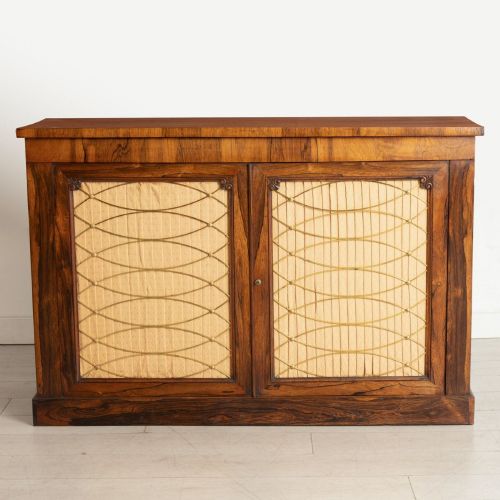
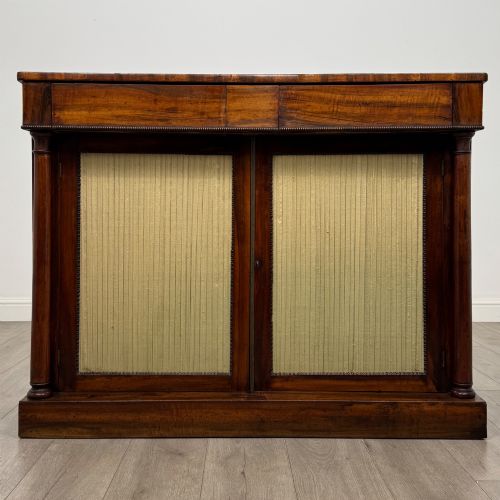
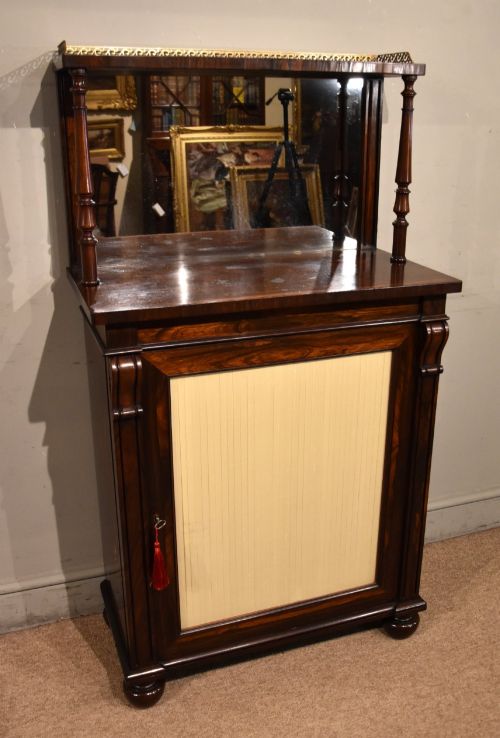
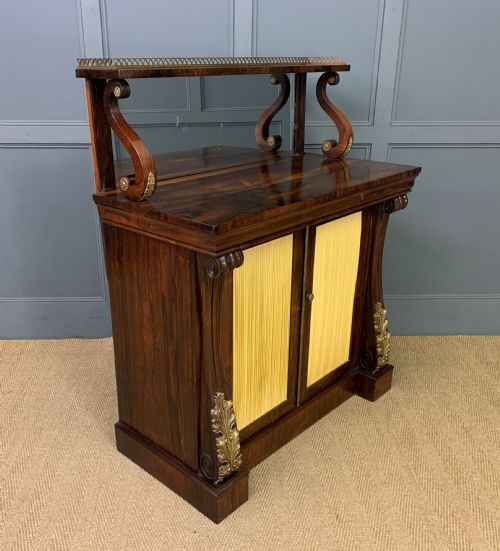
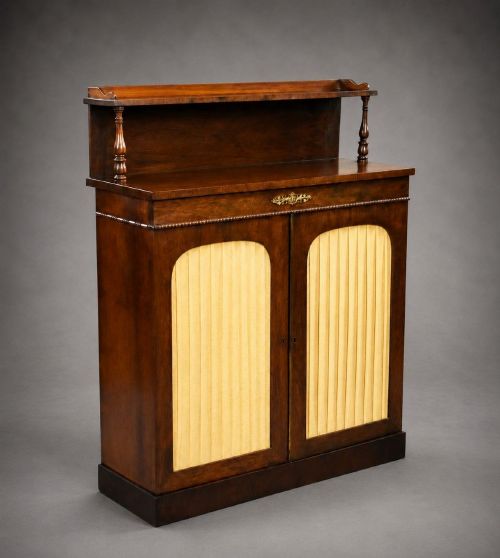
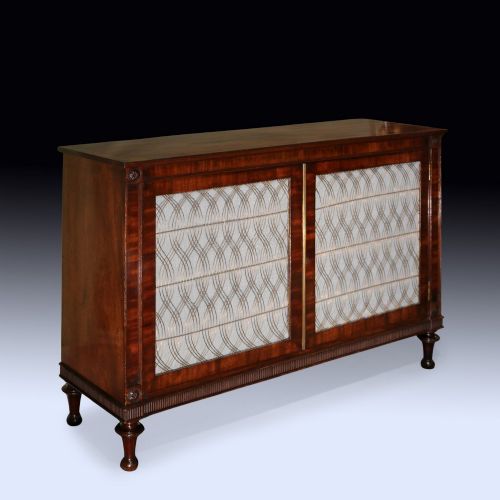
An antique pleated door cabinet is primarily represented in these listings by chiffoniers, side cabinets, and low cupboards dating from the Georgian, Regency, and Victorian periods. These pieces combine timber frames with fabric panels set into the doors, creating a softer texture than solid wood while concealing the contents within.
The prevailing styles span Regency, George IV, William IV, and Victorian designs, frequently taking the form of breakfront sideboards, credenzas, and bookcase combinations. Makers utilised these formats to introduce architectural presence alongside practical shelving for parlours and dining rooms.
How they were made
Cabinet makers constructed the carcases using dense hardwoods such as rosewood, mahogany, walnut, and goncalo alves, occasionally employing simulated rosewood or faux graining techniques. Brass mounts, delicate inlays, and mirror glass panels frequently complemented the primary timber structures.
The characteristic doors incorporated fabric pleating behind wood frames, grilles, or glass panes to soften the visual weight of the furniture. Selected pieces featured marble tops or elaborate breakfront profiles that demanded advanced joinery skills.
Listings demonstrate a strong prevalence of rosewood and mahogany across Regency and Victorian periods, alongside specialised forms like breakfront chiffoniers.
What varies in quality
Quality differences emerge in the selection of figured veneers and the precision of brass inlay work across the cabinet fronts. Dense, highly grained rosewood or mahogany indicates a more ambitious commission than plain secondary timbers.
The execution of the door pleating and the integration of brass mounts or grilles distinguish standard production from exceptional cabinet work. Structural harmony in breakfront forms and the crispness of classical moulding profiles further separate regional pieces from London workshops.
Gillows
The Antique Pleated Door Cabinet Glossary
- Chiffonier
- A low sideboard or cabinet developed in the early nineteenth century, typically featuring shelves or a mirrored superstructure above enclosed cupboards. This form became a staple of Regency and Victorian drawing rooms.
- Breakfront
- A piece of furniture having a central section that projects forward from the flanking outer sections. This architectural arrangement creates dynamic shadow and depth across the front elevation.
- Goncalo Alves
- A dense exotic hardwood with striking dark brown and warm golden figuring, utilised in high-end Regency cabinet making. It provides a distinct alternative to standard rosewood or mahogany.
- Palisander
- A term historically applied to various rich, dark rosewoods featuring pronounced grain patterns. It was favoured by nineteenth-century makers for decorative veneering.
- Simulated rosewood
- A painted or stained surface treatment applied to a more common timber to imitate the appearance of genuine rosewood. This technique achieved a fashionable aesthetic at a different cost.
Antique Pleated Door Cabinet: Frequently Asked Questions
What is an antique pleated door cabinet?
An antique pleated door cabinet is a nineteenth-century storage piece, such as a chiffonier or side cabinet, featuring doors inset with gathered fabric panels.
These cabinets were designed for reception rooms to store books, linens, or tableware while introducing softer textures through the textile inserts.
How do I identify a Regency cabinet?
Regency cabinets typically display classical architectural proportions, dark exotic timbers like rosewood or mahogany, and restrained brass inlay or mounts.
They date from the early nineteenth century and often incorporate elements such as brass grilles or pleated silk behind the door frames.
Where were these cabinets placed?
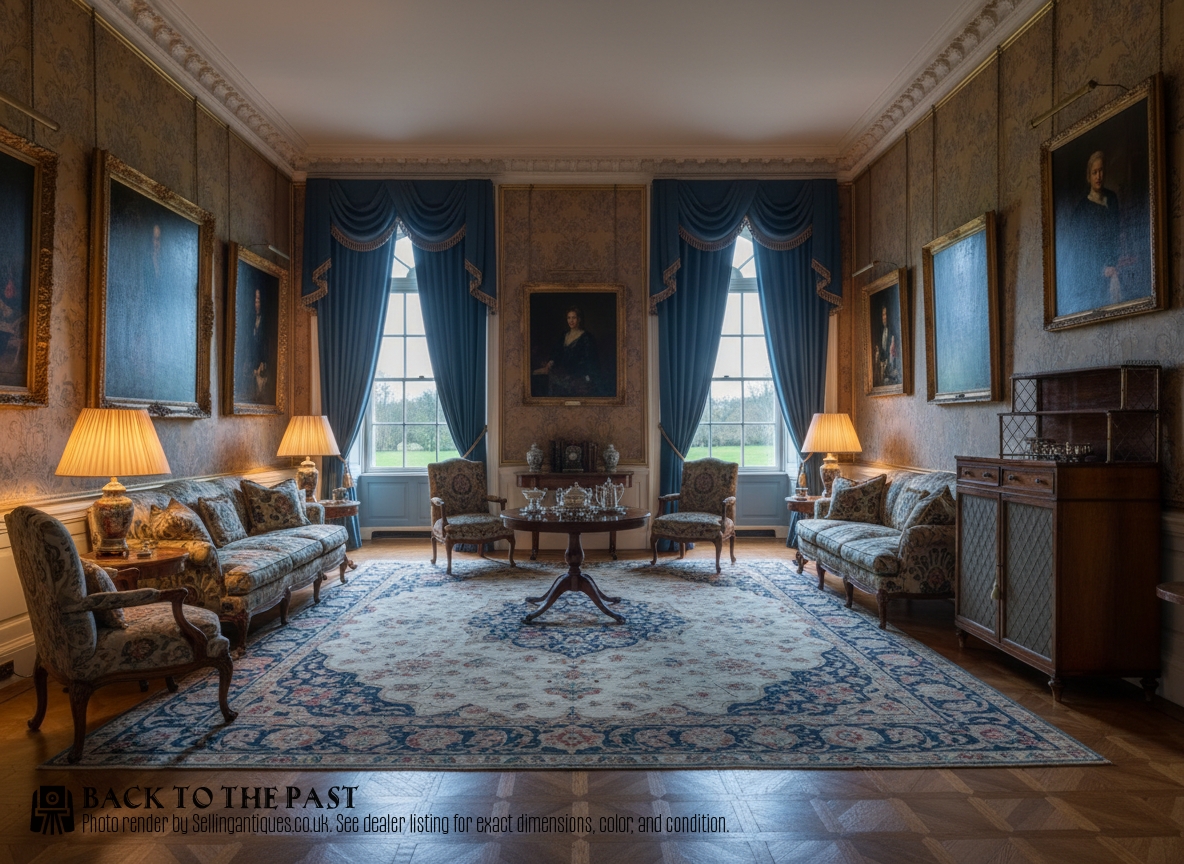
These cabinets were traditionally utilised in drawing rooms, dining rooms, and parlours as sideboards or serving tables.
Their low profiles allowed them to sit beneath wall mirrors or windows while providing accessible surface and interior storage.
What woods were commonly used?
Makers relied heavily on rosewood and mahogany, alongside walnut and goncalo alves for finer commissions.
Simulated rosewood and painted finishes also appeared as alternative treatments to achieve a uniform dark wood aesthetic.