


Antique Platinum Pin
An antique platinum pin brings together enduring precious metal and period stones in bar brooches, pendants, and figural designs from the early twentieth century.
Antique Platinum Pin
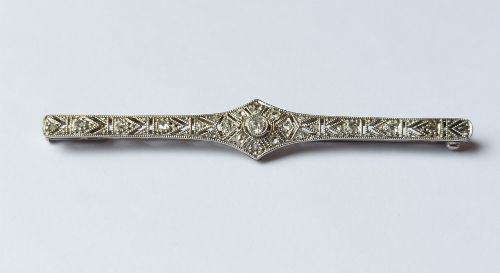
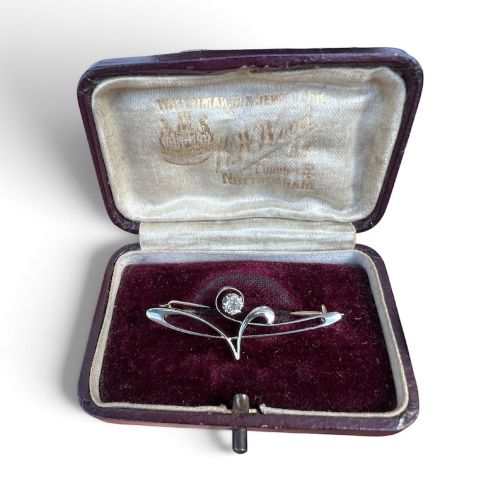
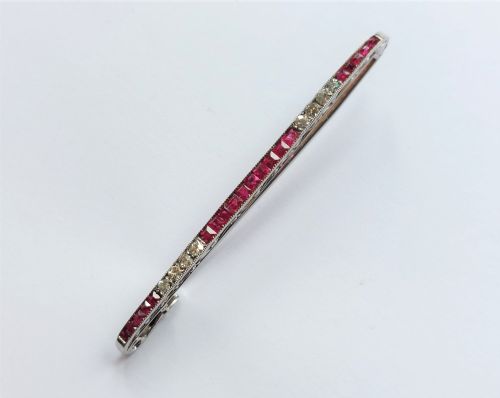
When you search for an antique platinum pin, you encounter finely worked brooches, bar pins, and convertible pendant pieces that span the Edwardian, Art Deco, and Retro eras. The forms range from geometric bar brooches to whimsical figural subjects such as owls, ducks, butterflies, and ram heads.
The most common examples on this page belong to the Art Deco period, typically featuring symmetrical or linear platinum settings encrusted with diamonds. Alongside these geometric creations, Edwardian pieces appear frequently, showcasing delicate pierced work, natural pearls, and softer floral or crescent motifs.
Many of these jewels combine platinum with yellow gold or white gold, a method that reflected changing metallurgical techniques and aesthetic preferences across the decades from 1900 to 1960.
Distinctions in quality
The standard of an antique platinum pin rests on the precision of its piercing, the crispness of its millegrain edge, and the matching of its stones. Superior examples display hand-cut diamonds and coloured gems that sit level within their bezels or channels, with no loose prongs or uneven gaps in the metalwork.
Design complexity and maker attribution elevate certain pieces above standard production, particularly when signed by prominent Parisian houses or executed with unusual pictorial subjects like birds or insects. The integrity of the platinum frame, the clarity of any hallmarks or metal tests, and the original preservation of the stones further separate ordinary items from exceptional survivors.
A flying duck brooch proves that early twentieth-century jewellers found genuine joy in pinning waterfowl to their lapels.
Cartier Paris·Liberty London
The Antique Platinum Pin Glossary
- Millegrain
- A decorative technique involving a row of tiny, raised metal beads along the edge of a setting. It softens the transition between metal and stone in Edwardian and Art Deco jewellery.
- Old cut
- A diamond facet style popular before modern brilliant cutting standards emerged. These stones feature higher crowns, smaller tables, and open culets that catch candlelight differently.
- Bar brooch
- A horizontal pin featuring a central gemstone cluster or linear motif mounted on a slender metal shaft. This form dominated daytime wear through the early twentieth century.
- Jabot pin
- A decorative pin originally designed to fasten folds of fabric on a cravat or jabot. These pieces often feature an ornamental terminal at each end of the pin stem.
- Platinum
- A dense, durable, and naturally white precious metal introduced widely in fine jewellery fabrication during the Edwardian era. It permits delicate structural designs that weaker metals cannot support.
Antique Platinum Pin: Frequently Asked Questions
What periods do these pins come from?
The selection spans several distinct eras from the late Victorian period through the Edwardian years, Art Deco movement, and into the mid twentieth century. Most pieces cluster around the 1910s and 1920s.
Each period brings its own aesthetic, moving from flowing Edwardian garlands to the geometric lines characteristic of Art Deco design.
How were these pins worn originally?
Owners fastened them to lapels, collars, hats, and the shoulders of evening dresses, or used them to secure scarves and cravats. Many bar brooches served as everyday fastenings for smart day wear.
Some larger examples were designed with hidden loops to transform from a brooch into a pendant worn on a chain.
How do I care for antique platinum jewellery?
Clean platinum and diamond pieces gently with warm soapy water and a soft brush to remove everyday oils from the settings. Avoid harsh ultrasonic cleaners if the piece contains softer organic gems like pearls or porous stones like emerald.
Store each item separately in a lined box to prevent the hard platinum metal from scratching softer items in your collection.
Are pearls in these pins natural?
Many Edwardian and Art Deco pieces incorporate natural pearls or pink pearls alongside diamonds and platinum. Determining origin often relies on historical context and gemological examination.
Care should be taken to protect organic pearls from cosmetics, perfumes, and prolonged moisture.