
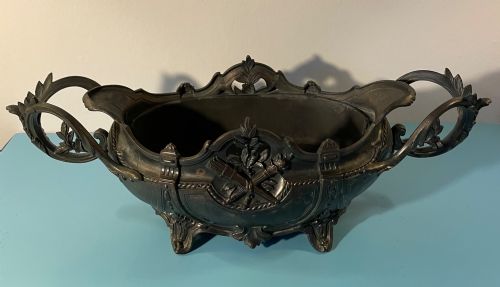
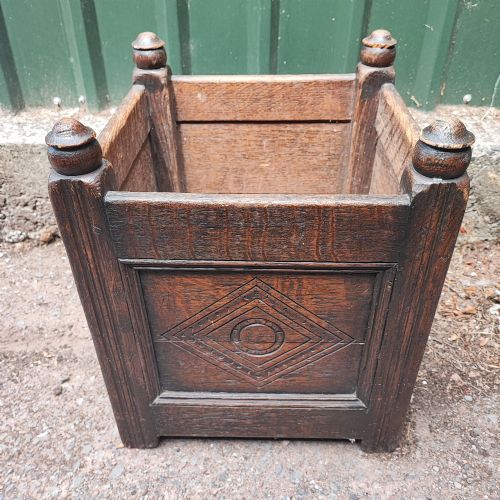
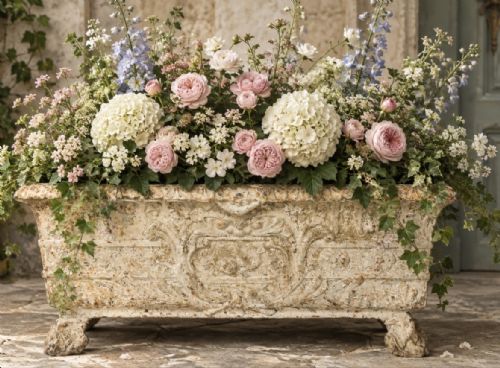
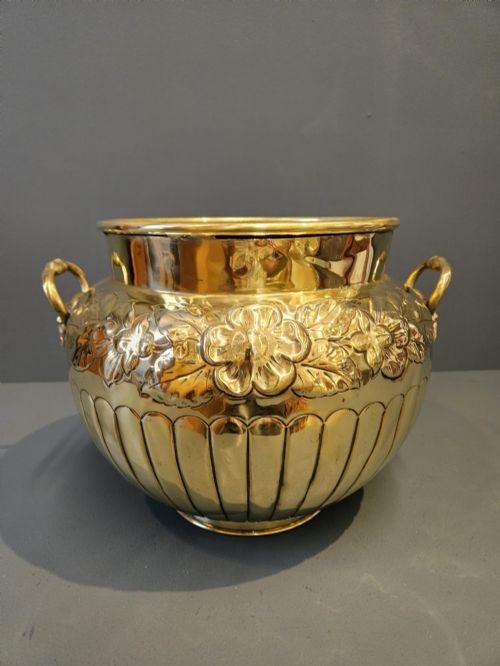
Antique Planter Trough
An antique planter trough brings architectural presence to greens and florals, housing everything from kitchen herbs to heavy foliage.
Antique Planter Trough
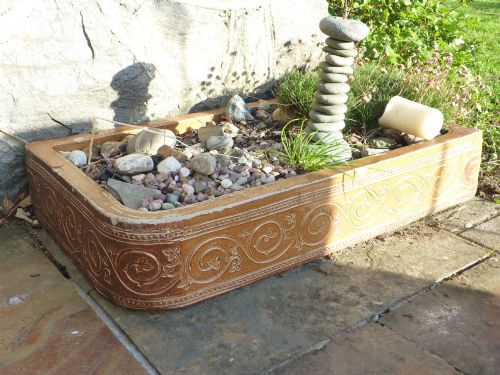
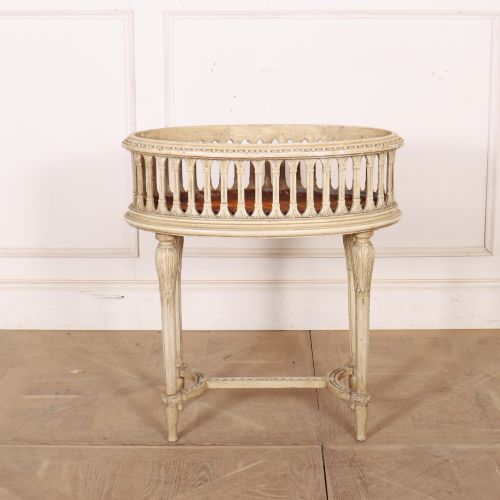
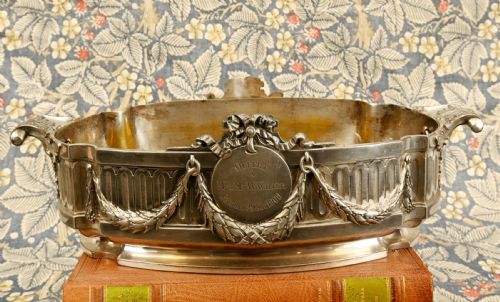
An antique planter trough encompasses long, shallow vessels and rectangular containers designed to hold earth and plants. The selection spans robust utility objects alongside decorative receptacles intended for formal interiors and conservatories.
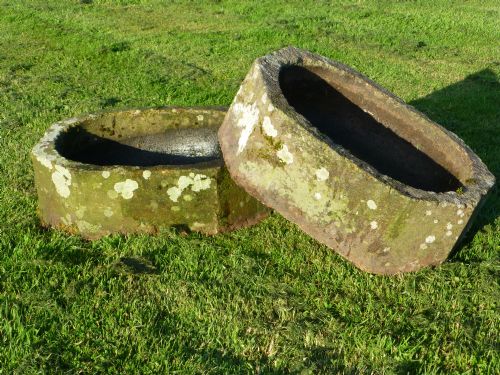
Most examples hail from the nineteenth century, though earlier Georgian, seventeenth-century, and Edwardian pieces appear regularly. Forms range from utilitarian metal washing tubs and stone troughs to refined wooden boxes and ceramic jardinieres.
Domestic and garden spaces alike receive these vessels, which adapt easily to windowsills, patios, and drawing rooms. Alongside traditional garden planters, the category frequently includes wine coolers and log boxes repurposed for flora.
How they were made
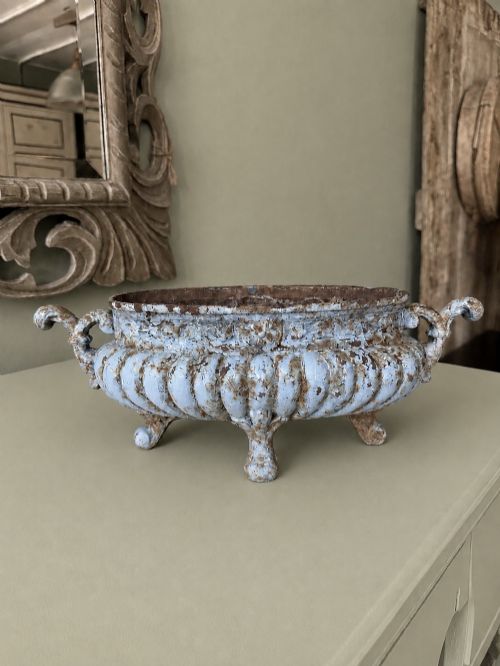
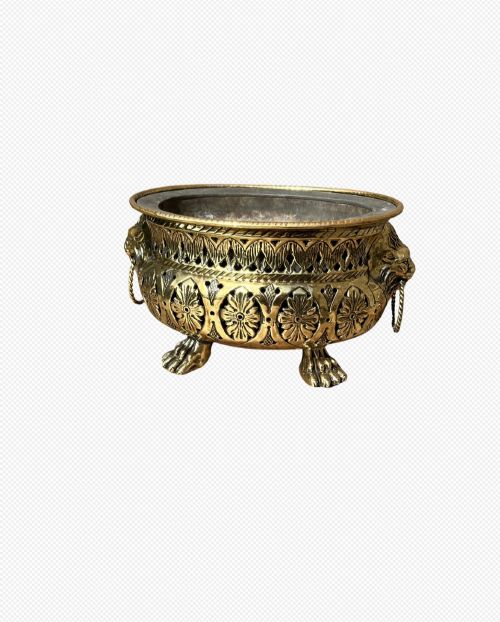
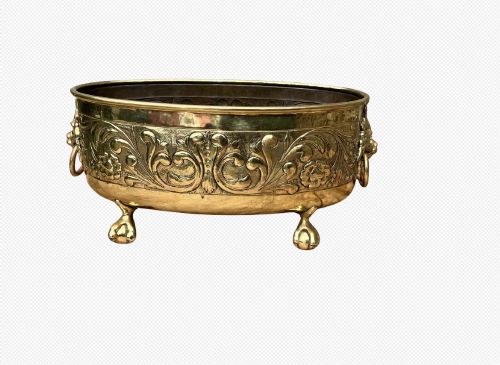
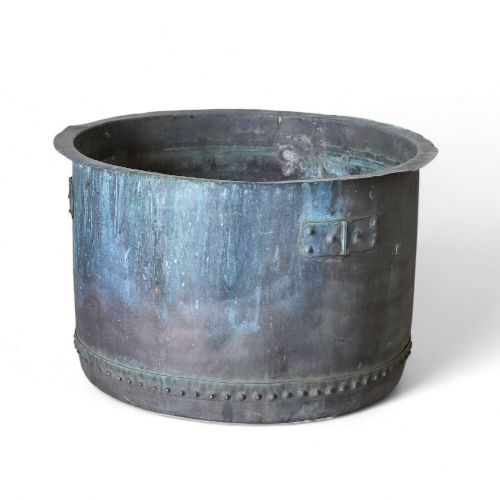
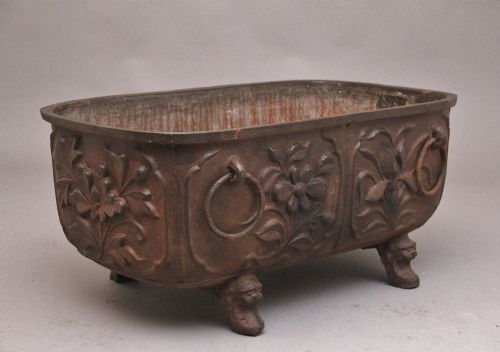
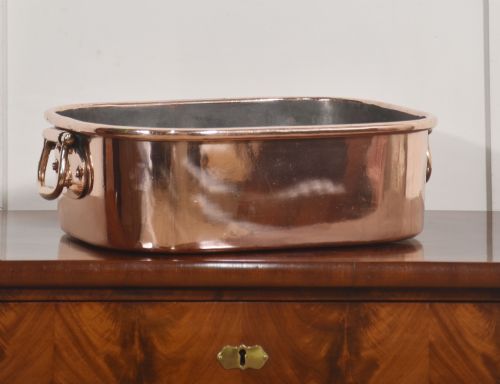
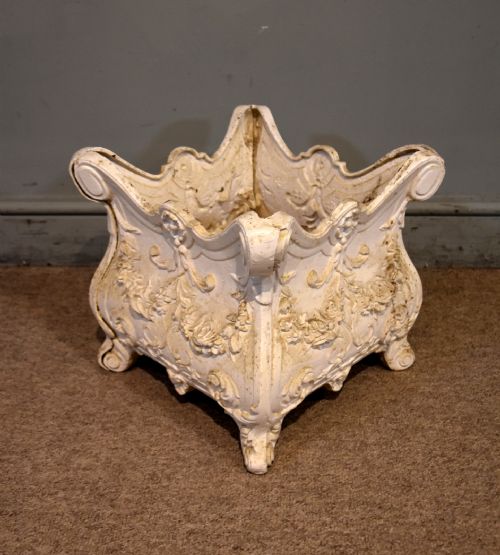
Makers utilised a diverse palette of metals, casting iron and brass, riveting sheets of copper and zinc, and working wrought iron. Heavy lead and carved stone suited outdoor installations, while interior vessels often employed mahogany, oak, burr walnut, and giltwood.
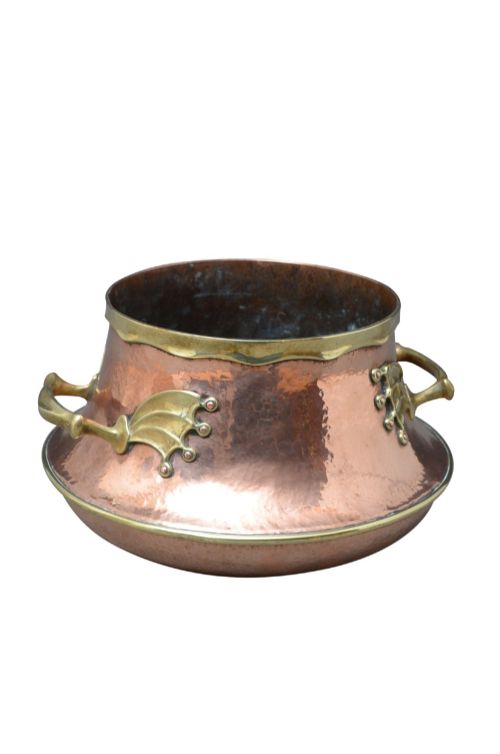
Construction techniques reflect the intended function, pairing hand-riveted joints on copper vessels with dovetailing on fine timber boxes and lead linings to protect wood from moisture. Decorative highlights include ormolu mounts, bronze fittings, and hand-carved details.
What varies in quality
Material thickness and structural integrity set apart superior examples, particularly in cast metals and heavy timber where weight indicates substance. Hand-finishing, such as visible rivet work or precise joinery, separates workshop output from mass production.
Surface character defines the upper tier of metal and wood pieces, where natural patination, original paint, or unpolished bronze displays age honestly. Finer stylistic elements, including classical brass mounts and crisp carvings, elevate a utilitarian trough to a piece of decorative art.
Coalbrookdale·Guichard Carriès
The Antique Planter Trough Glossary
- Jardiniere
- An ornamental pot or trough for holding plants or flowers. These vessels sit on tables or stands inside domestic rooms.
- Coopered
- Constructed using wooden staves bound with metal hoops, a technique borrowed from barrel-making. This method creates watertight vessels such as washing tubs and log buckets.
- Patina
- The surface texture and coloration developed through age, handling, and oxidation. On metal and wood, this signals authenticity.
- Ormolu
- Gilded bronze mounts applied to furniture and decorative objects. This technique adds ornamental detail to French walnut and mahogany planters.
- Lead planter
- A heavy garden vessel cast in lead, often decorated with neoclassical reliefs. These items withstand exterior weathering while supporting substantial root systems.
Antique Planter Trough: Frequently Asked Questions
Where should I place an antique trough?
Long metal and stone troughs suit garden paths, terraces, and windowsills where they withstand moisture and weathering.
Wooden and brass versions belong indoors on tables, plant stands, or sideboards, provided you use an internal liner to protect the timber.
How do I protect interior wooden planters?
Antique wood containers require a protective insert or zinc liner to hold soil and water safely away from historic timber.
Direct planting causes rot and staining, so keeping potted plants inside the trough preserves the wooden structure.
Can these troughs stay outside year round?
Lead, cast iron, zinc, and stone troughs endure winter weather outdoors without suffering structural damage from frost.
Timber, giltwood, and fine brass vessels require shelter inside homes or greenhouses to prevent degradation from damp and freezing temperatures.
What is the difference between a jardiniere and a trough?
A jardiniere typically presents a decorative, freestanding bowl or container designed to showcase flowering plants within a room.
A trough offers an elongated rectangular shape originally built for utility or linear planting along windowsills and garden walls.