
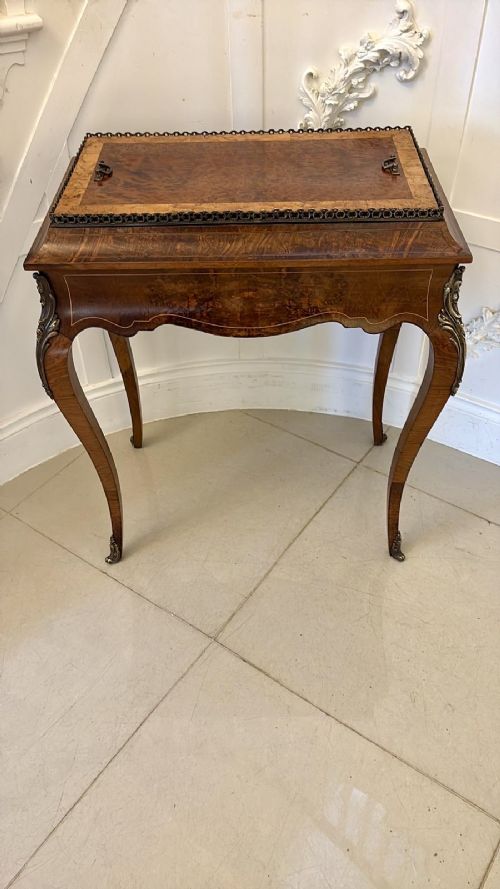


Antique Planter Side Table
An antique planter side table merges a functional occasional surface with a vessel for greenery, bringing living foliage into the principal rooms of a home.
Antique Planter Side Table
An antique planter side table sits at the intersection of horticulture and interior furnishing, designed to hold indoor plants while serving as an occasional surface. These pieces combine a stable table base with a central well, liner, or tier intended for floral displays or potted ferns.
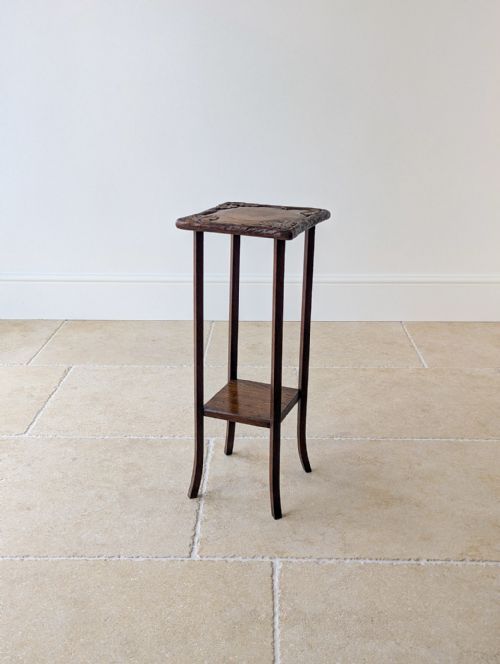
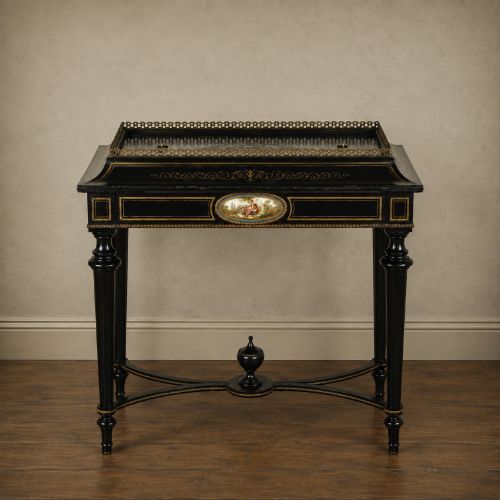
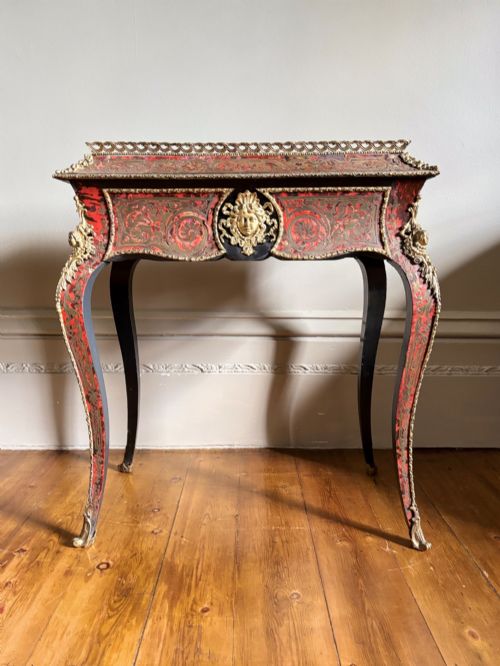
The versions most frequently encountered on this page originate in the nineteenth century, spanning Victorian, Edwardian, and continental European traditions. Formats range from French ebonised and marquetry-inlaid tables mounted in ormolu to Chinese carved hardwood stands and British oak examples.
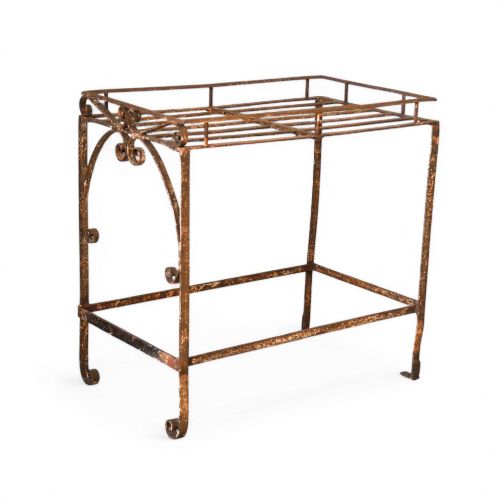
Makers adapted the form for varied interiors, producing everything from multi-tiered plant stands and torchere formats to refined French jardiniere tables fitted with porcelain plaques. The core purpose remains consistent: elevating greenery to eye level while offering a functional ledge for domestic objects.
Distinctions in Quality and Execution
Quality reveals itself in the selection of timber veneers and the precision of marquetry or inlay work. Superior examples display carefully matched burr walnut or intricate hand-carved hardwood details rather than simple painted surfaces.
The integration of metalwork and ceramic components separates standard production from finer pieces. Finely chased ormolu mounts, secure porcelain plaques, and robust internal liners indicate higher workshop standards during manufacture.
Listings feature walnut, burr walnut, and ebonised wood alongside brass and ormolu mounts, reflecting nineteenth-century European taste.
The Antique Planter Side Table Glossary
- Jardiniere
- A decorative pot or stand designed to hold plants or flowers indoors. This term is often used interchangeably with planter table.
- Ormolu
- Gilded bronze mounts applied to furniture for decorative effect. It gained widespread popularity in French nineteenth-century cabinetmaking.
- Marquetry
- Decorative veneer patterns formed by fitting together small pieces of wood, shell, or ivory. Craftsmen used this technique to create elaborate floral or geometric table tops.
- Torchere
- A tall, slender stand originally designed to hold a torch or candle, later adapted to support lamps or plants. Examples appear in various nineteenth-century British and continental styles.
- Portico
- A architectural framework or structural support style adapted for furniture bases. It provides elevated stability for heavy planter vessels.
Antique Planter Side Table: Frequently Asked Questions
What is an antique planter side table?
An antique planter side table is a dual-purpose piece of furniture featuring a flat surface alongside a built-in container or recessed well for holding plants. These pieces allowed nineteenth-century households to display indoor greenery cleanly within formal reception rooms.
Over time, the terminology evolved, meaning these items are frequently listed under names such as jardiniere tables, plant stands, or occasional tables with integrated planters.
How were these tables used originally?
In Victorian and continental drawing rooms, these tables held potted ferns, flowering plants, or trailing ivy to bring nature indoors. The waterproof liners or trays protected the surrounding wood from moisture and soil.
Beyond horticulture, the surrounding ledges and tiers functioned as standard side tables for lamps, books, or decorative objects when plants were not present.
How do I distinguish Victorian from Edwardian pieces?
Victorian examples tend to feature heavier ornamentation, dark ebonised finishes, ormolu mounts, and intricate marquetry in the French taste. Woods like burr walnut and exotic hardwoods are prominent in this era.
Edwardian pieces often reflect the lighter, more pared-back Arts and Crafts aesthetic, frequently utilising plain oak, simpler lines, and multi-tiered functional structures.