



Antique Planter Pot
An antique planter pot brings living green indoors or onto a terrace within vessels shaped by centuries of ceramic, metal and wooden tradition.
Antique Planter Pot
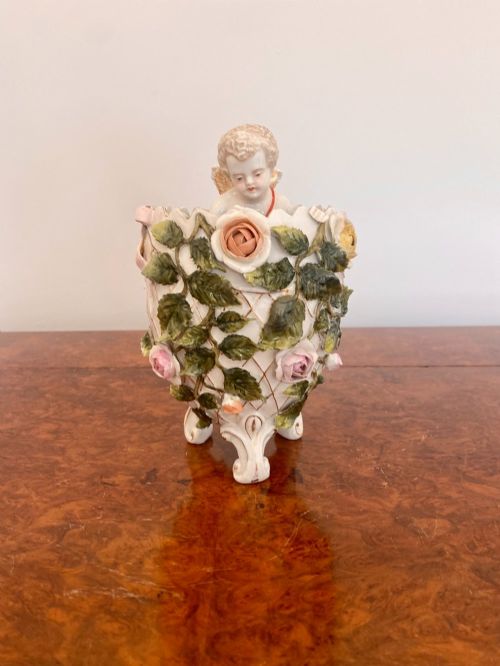
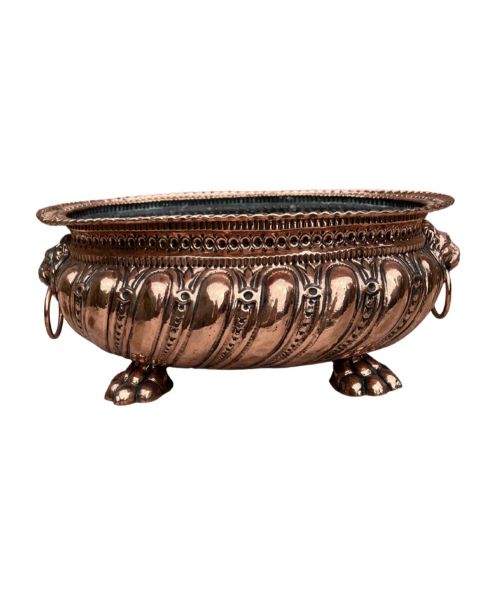
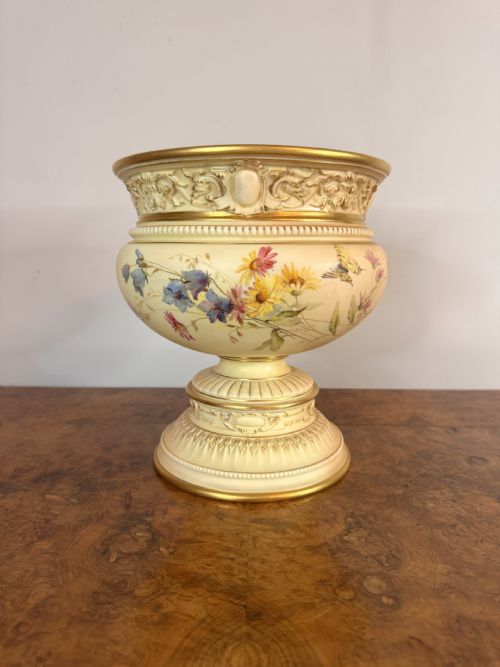
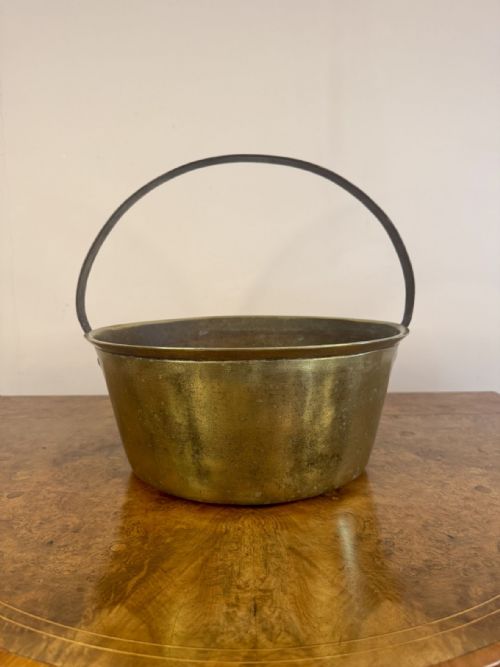
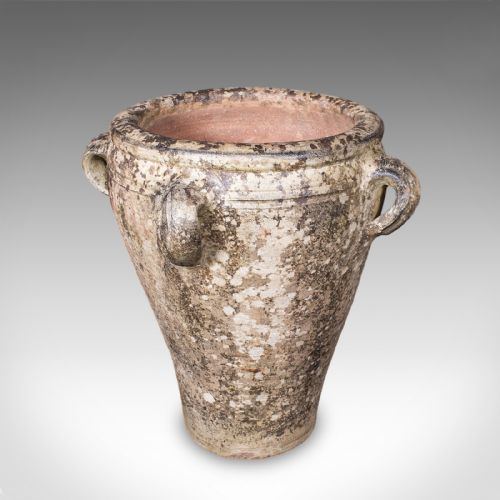
When searching for an antique planter pot, buyers encounter vessels designed specifically to house indoor greenery, blooming bulbs and garden displays. These objects span periods from the eighteenth century through the Edwardian era, taking forms such as jardinières, cachepots, troughs, pedestals and plant stands. The versions most commonly met on this page include nineteenth-century copper pots, brass vessels, and ceramic pieces from English and continental potteries.
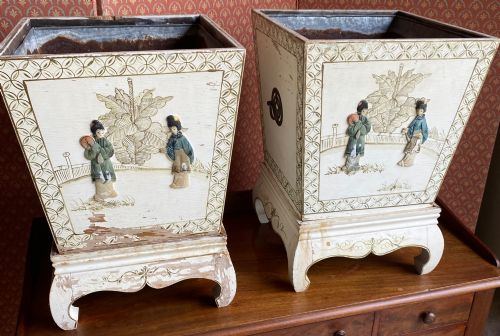
Makers fashioned these containers to sit on window sills, floor stands or an internal pedestal, often pairing a bowl with its own matching saucer or stand. Materials range from porcelain and salt-glazed stoneware to heavy cast iron, bronze, and riveted copper. Styles shift from Georgian and Victorian formality to Japanese Meiji motifs, Art Nouveau curves, and Arts & Crafts simplicity.
How they were made
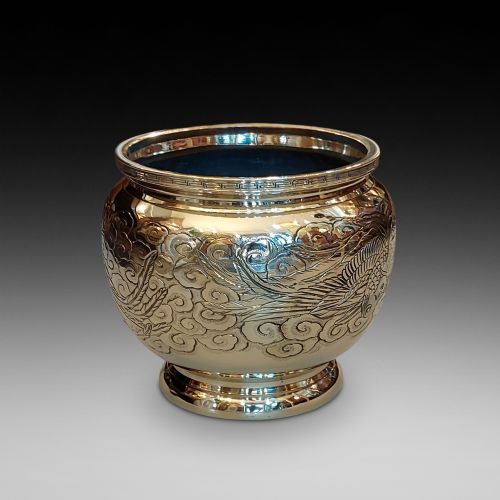
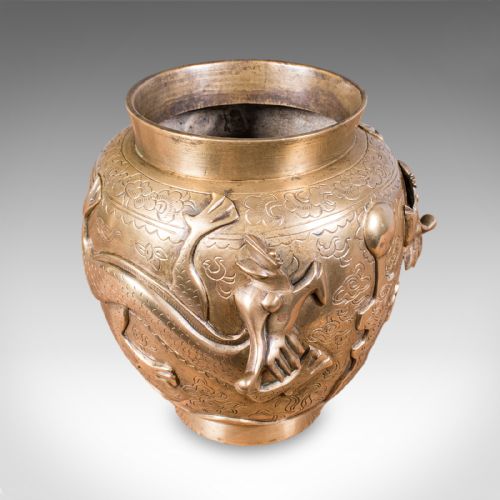
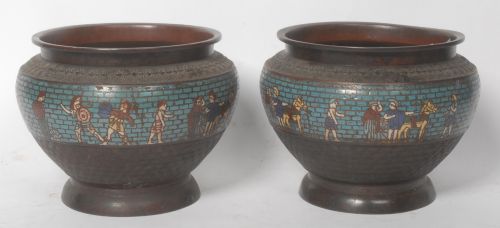
Metalsmiths shaped copper and brass by hand, joining heavy sheets with visible rivets, hammering decorative repoussé patterns, or casting bronze elements with intricate champlevé enamel work. Potters utilised salt glaze, majolica, and fine porcelain, throwing clay on a wheel or pressing it into moulds before firing and painting by hand.
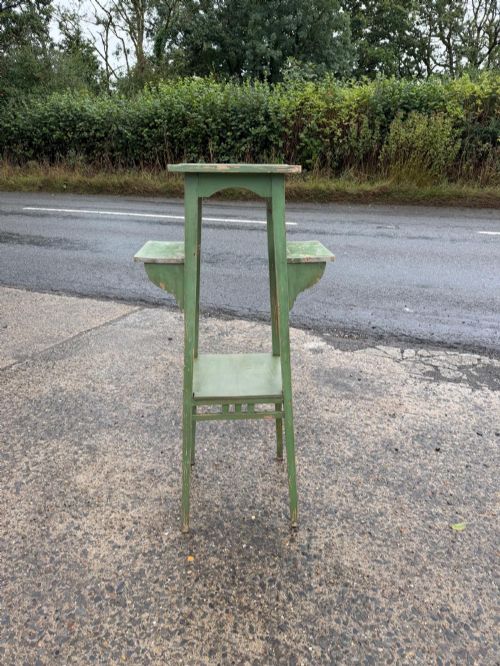
Woodworkers constructed plant stands and indoor troughs from mahogany and oak, incorporating marquetry inlay, carved fretwork, and applied brass detailing to support heavy ceramic and metal bowls. Cabinet makers and metalworkers selected these robust materials to withstand damp soil and heavy watering over decades of daily use.
Antique Planter Pot Retail Price Guide 2026
Typical asking prices for planter pot among the pieces listed under this phrase on Sellingantiques today, from the lower quarter to the upper quarter. They describe what is for sale here now, not the wider market.
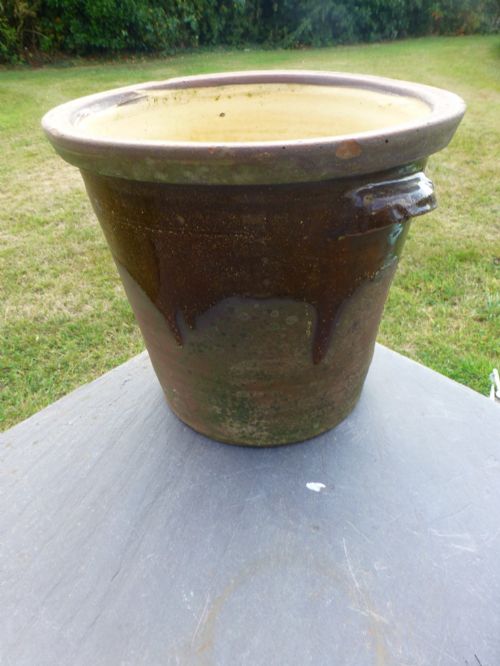
Some nineteenth-century gardeners used tall ceramic rhubarb forcers to trick vegetables into growing early in the dark.
What varies in quality
Quality rests upon the crispness of casting in bronze or brass, the depth of hand-hammered relief on copper bodies, and the complexity of glaze and painting on ceramics like majolica or porcelain. Superior examples retain original surface patinas, matching stands or pedestals, and intact interior liners rather than modern replacements.
Makers who applied detailed champlevé enamel or delicate hand-painted motifs achieved a level of artistry absent in utilitarian vessels meant purely for agricultural storage. Structural integrity also separates standard gardenware from fine parlour pieces, particularly where metal joints, riveted seams and wooden frames meet.
Flight And Barr·Minton·Doulton Lambeth·Guichard Carries
The Antique Planter Pot Glossary
- Jardiniere
- A large ornamental pot or stand for holding plants or flowers. These vessels often sit directly on the floor or upon a matching pedestal.
- Cachepot
- An ornamental flowerpot holder that conceals a plain growing pot inside. This French term translates literally as hide-pot.
- Champleve
- An enamelling technique where troughs are carved into a metal surface and filled with vitreous enamel before firing. It frequently appears on Japanese and Chinese export bronze vessels.
- Majolica
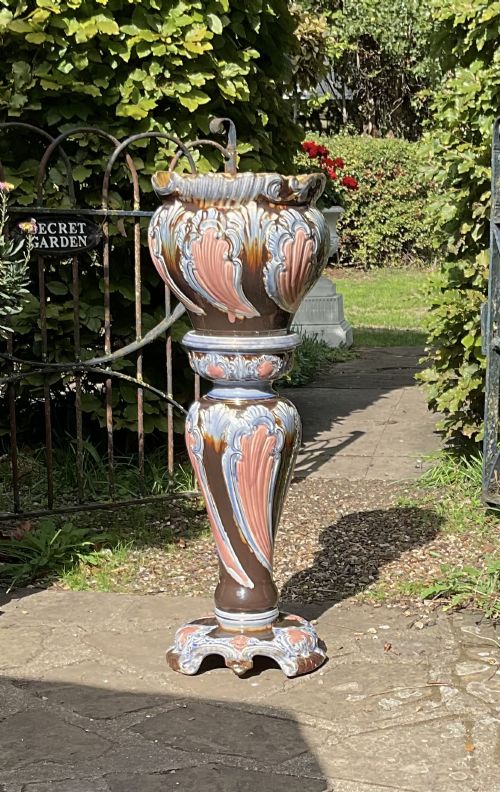
- A type of earthenware glazed with tin opacifiers and painted with colourful metal oxides. It became highly popular in the nineteenth century for garden and indoor plant vessels.
- Faux bois
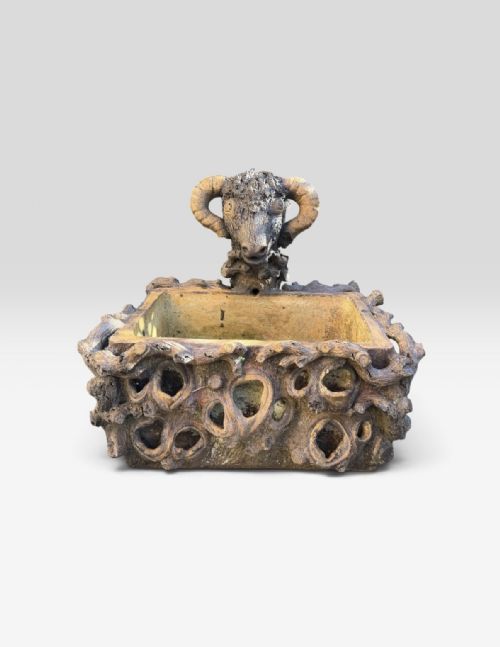
- An artistic imitation of wood created in concrete, ceramic or metal. Makers utilised this technique on nineteenth-century garden containers to mimic natural branches and logs.
- Rubarb forcer
- A heavy ceramic vessel placed over rhubarb plants in winter to shut out light and force early growth. These tall, domed pots double as striking garden planters.
Antique Planter Pot: Frequently Asked Questions
What is an antique planter pot used for?
These vessels held indoor foliage, decorative flowering plants, and bulbs in nineteenth-century parlours and conservatories. They served both a practical horticultural function and a decorative role in interior design.
Today, collectors utilise them in much the same way, housing modern houseplants or displaying them empty as sculptural objects. Their varied forms allow them to sit on tables, floors, or dedicated plant stands.
How do I care for a metal antique planter pot?
Copper, brass and bronze vessels require gentle cleaning to preserve their historic surface appearance. Avoid harsh chemical polishes that strip away age-related patinas.
Because antique metal pots often lack modern drainage holes or waterproof linings, place a contemporary plastic pot inside to catch excess water and protect the historic base from moisture damage.
How can I tell a Victorian planter from an Edwardian one?
Victorian pieces frequently display heavier ornamentation, classical revival motifs, or rich majolica glazes. They lean towards formal symmetry and robust proportions.
Edwardian items often reflect lighter aesthetic movements, incorporating Art Nouveau whiplash curves, simpler Arts & Crafts lines, or Japanese-inspired decoration. Their forms tend to be airier and less ornate than their mid-nineteenth-century predecessors.
Can these antique pots go outdoors in the garden?
Ceramic and terracotta items fired at lower temperatures may crack during freezing winter weather if left exposed to damp soil. Salt-glazed stoneware and heavy cast iron handle outdoor conditions better.
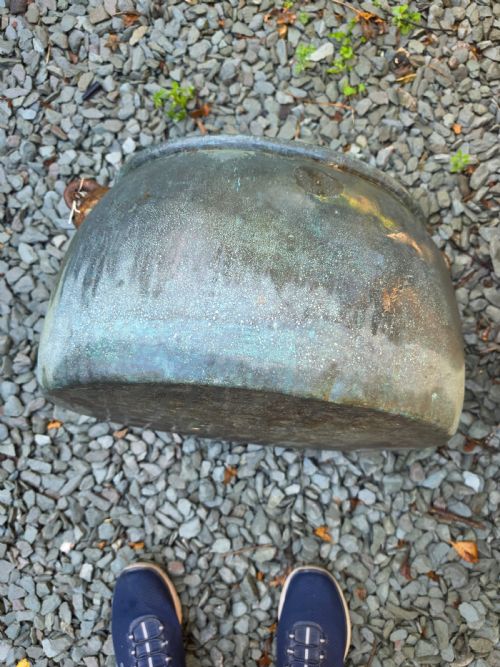
Copper and brass vessels will weather outdoors and develop a green verdigris patina when exposed to rain. Many collectors prefer to keep delicate porcelain and fine metal pieces indoors to protect their glazes and surface finishes.