



Antique Plant Basin
An antique plant basin brings form and greenery together indoors, using rich timber and polished metal to frame living stems.
Antique Plant Basin
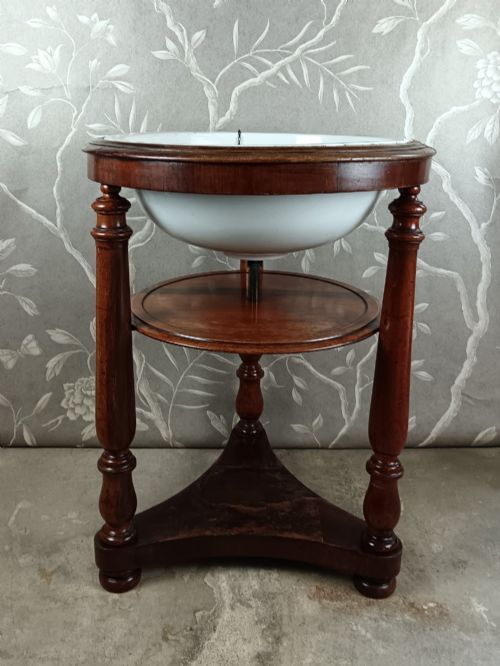
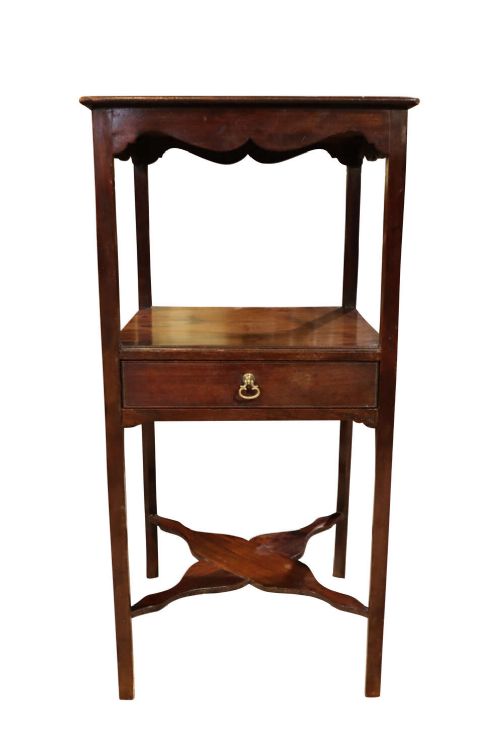
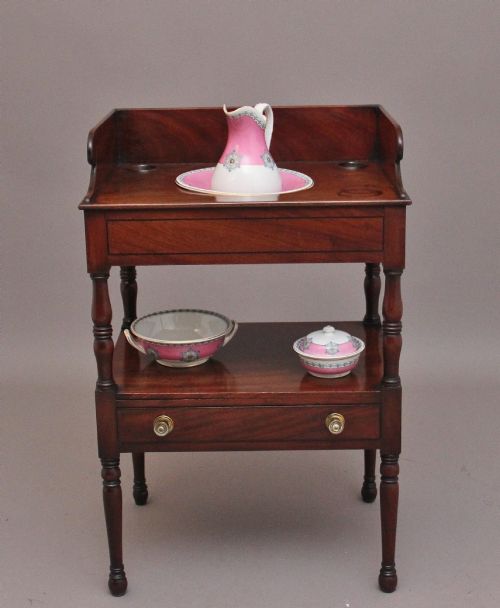
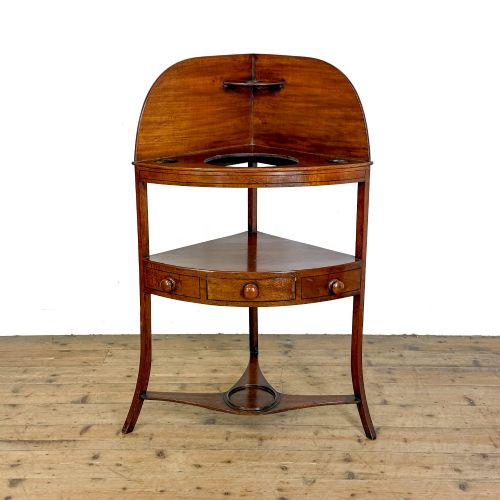
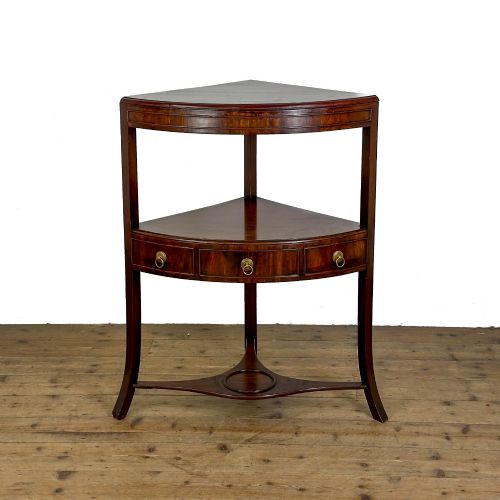
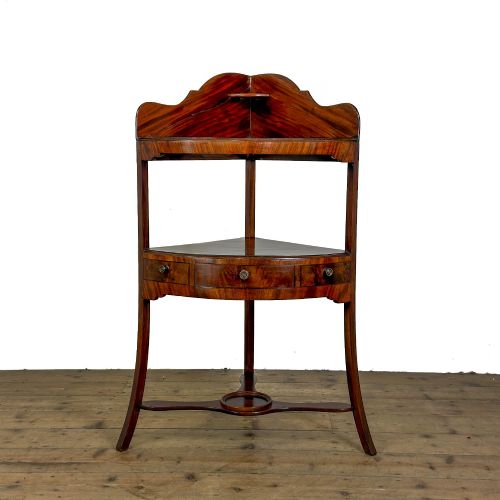
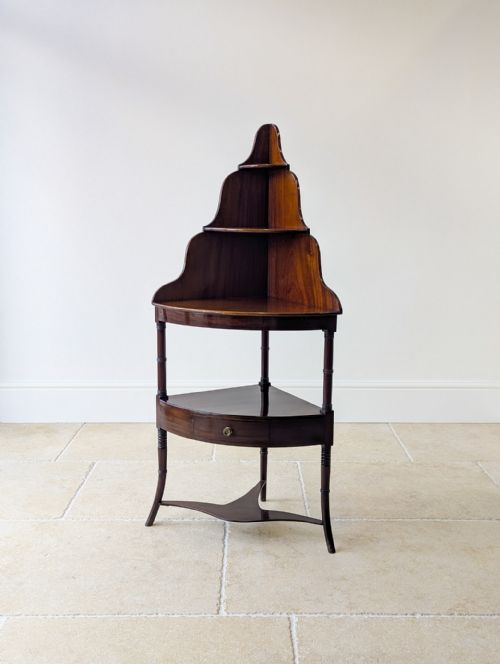
When you search for an antique plant basin, you encounter vessels designed to hold greenery or accommodate interior washing apparatuses. The selection on this page centres heavily on mahogany washstands, corner stands, and metal or ceramic jardinieres.
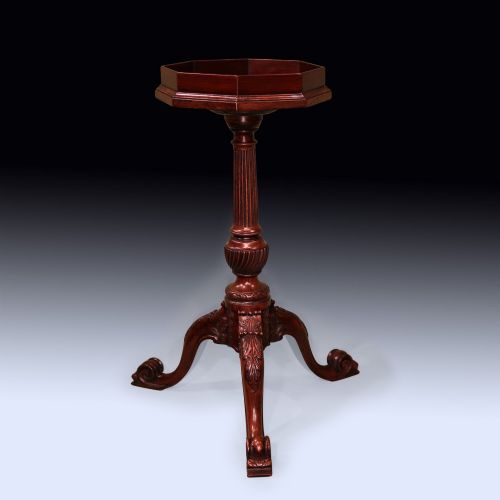
The periods represented span the Georgian, Regency, and Victorian eras, alongside Japanese Meiji and Edo pieces. Many items listed as washstands or wig stands serve effectively today as plant basins or occasional tables.
Originating from British workshops, continental Europe, and East Asia, these vessels range from functional campaign pieces to decorative Imari and Arita porcelain bowls.
Materials and Construction
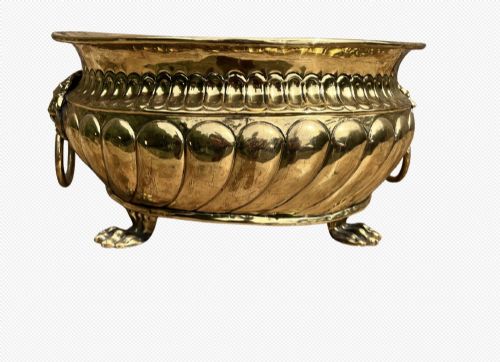
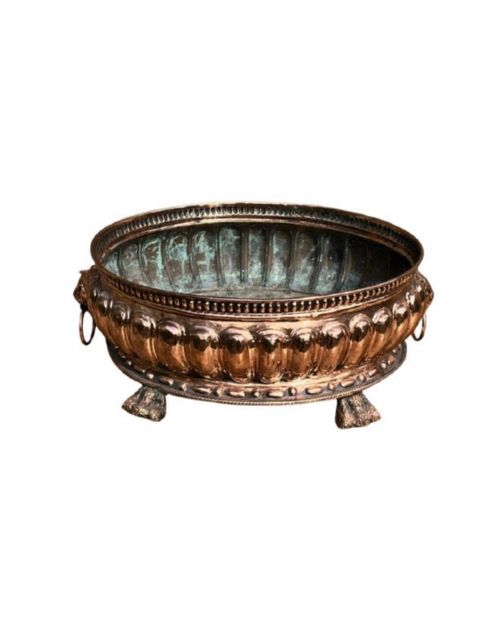
Makers utilised solid and veneered mahogany for furniture pieces like washstands, often incorporating tiered shelves or bow fronts. Brass and copper feature prominently in the metal jardinieres, frequently finished with repoussé detail or cast animal heads.
Ceramic and porcelain examples employ detailed glazes and hand-painted Chinoiserie or Imari motifs. Pine appears with painted faux marble tops, while bronze defines Japanese decorative planter bowls from the Meiji and Edo periods.
Listings feature mahogany, copper, brass, and porcelain across Georgian, Victorian, and Japanese Meiji periods.
Evaluating Quality and Finish
Quality rests in the crispness of the timber carving, the depth of the repoussé work on metal vessels, and the preservation of original grain finishes. Superior examples display careful joinery, such as dovetailed drawers or tightly fitted tier supports.
Hand-painted ceramics distinguish themselves through the precision of the glaze and the complexity of the oriental motifs. The integrity of the original metal surface, whether warm copper or patinated bronze, separates standard items from exceptional ones.
The Antique Plant Basin Glossary
- Jardiniere
- A large ornamental pot or stand for holding flowers or plants. These vessels appear in ceramic, copper, and bronze.
- Washstand
- A piece of furniture designed to hold a basin and pitcher for personal washing. Many examples feature cut-outs suited for contemporary plant pots.
- Repoussé
- A metalworking technique where the metal is hammered from the reverse side to form a raised design in relief. This finish frequently decorates brass and copper planters.
- Imari
- A style of Japanese porcelain decorated in underglaze blue and overglaze red, gold, and green. These pieces were exported to Europe in significant quantities.
- Campaign
- Portable furniture made for travel, often featuring folding elements or carrying handles. These pieces utilise sturdy timbers like mahogany.
Antique Plant Basin: Frequently Asked Questions
What is an antique plant basin?
An antique plant basin is a historical vessel or adapted stand used to display greenery indoors. These objects include copper and brass jardinieres, porcelain bowls, and converted mahogany washstands.
Originally built for functional domestic tasks or decorative display, these pieces now serve well as plant holders and occasional tables in modern rooms.
How were washstands converted into plant holders?
Washstands typically feature circular apertures designed to hold washbowls. These pre-existing cut-outs make them ideal receptacles for modern plant pots.
Owners simply place a suitable potted plant directly into the basin aperture, utilising the lower tiers or shelves for additional display space.
How do I care for a metal planter?
Metal planters in copper and brass require gentle cleaning to preserve their historic patina. Avoid abrasive polishes that strip the aged surface.
Use a waterproof liner inside antique metal bowls to protect the historic interior from moisture and soil damage during watering.
How can I tell a Georgian washstand from a Victorian one?
Georgian washstands, particularly from the George III period, often exhibit refined mahogany joinery, slender legs, and subtle inlay. They were designed with careful attention to proportion.
Victorian pieces tend to be heavier in construction and may incorporate alternative materials like pine with painted faux marble tops or cast iron.
Where were Japanese Imari jardinieres made?
Japanese Imari jardinieres were produced in Arita, Japan, for both domestic use and export to Western markets. They date primarily to the Meiji and Edo periods.
These ceramic bowls feature distinct blue, red, and gold palettes that became highly prized in European interiors during the nineteenth century.