


Brass Vessel Lion Heads
These brass vessel lion heads are robust metal containers finished with cast mask mounts, offering both functional weight and classical presence for your interior.
Brass Vessel Lion Heads
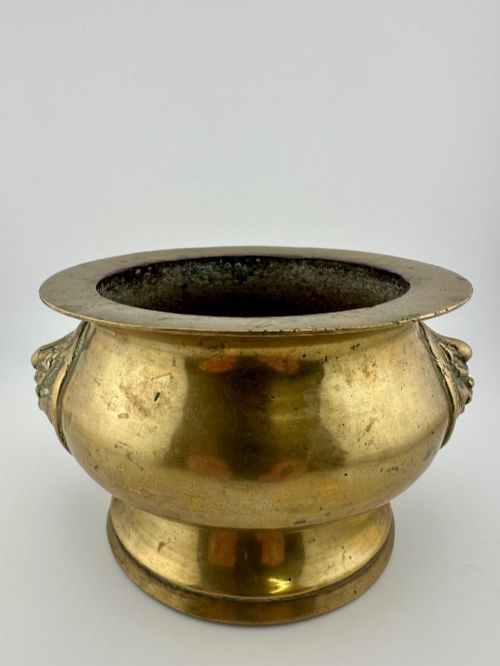
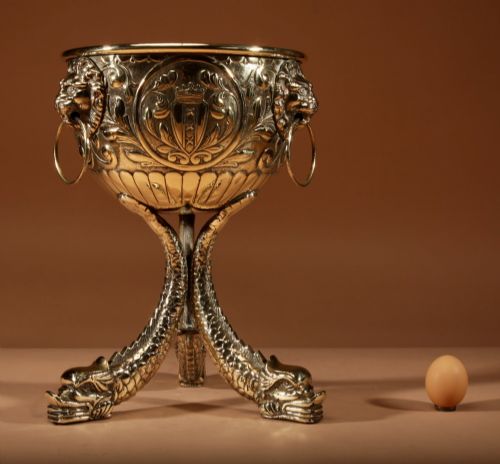
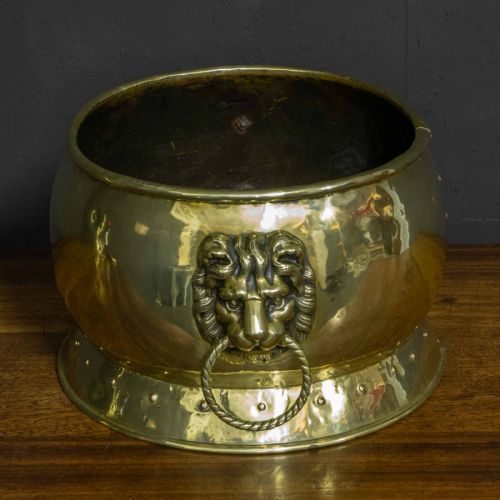
When you search for brass vessel lion heads, you are looking at heavy metal containers and planters furnished with cast handles or mounts depicting the king of beasts. The examples you meet on this page span several centuries and styles, ranging from domestic hearthware to decorative jardinieres.
The forms encompass large jardinieres, log bins, coal scuttles, cauldrons, and incense burners. These pieces serve primarily to hold plants, fuel, or incense, bringing functional utility together with sculptural display.
Origins stretch across British Victorian workshops, French chateaux, Dutch traditional metalwork, and Chinese export pieces. You will find that Victorian and Edwardian items sit alongside earlier continental European and Asian examples.
Materials and construction
Makers utilised brass, copper, bronze, gilt bronze, and ormolu to construct these vessels. The main body is frequently beaten, hammered, or cast into deep bowls and scuttles.
Techniques such as repoussé create raised relief patterns directly on the metal surface, while casting produces heavier structural components. Lion mask handles are typically cast separately and securely fastened to the sides of the vessel.
Materials represented include brass, copper, bronze, gilt bronze, and ormolu fashioned into jardinieres, coal scuttles, and incense burners.
Judging quality in metalwork
The method of construction also separates ordinary utility items from finer decorative works. Heavier gauges of brass and copper, combined with skilled repoussé work or gilded finishes, indicate a higher standard of craftsmanship.
The Brass Vessel Lion Heads Glossary
- Dinanderie
- Medieval and later Belgian brassware and copperware produced in towns such as Dinant. This term applies to hammered and cast decorative household vessels.
- Repoussé
- A metalworking technique where the artisan hammers the metal from the reverse side to form a raised design on the front. This creates textured patterns across planters and scuttles.
- Ormolu
- Ground gold applied to a bronze base, often used for decorative mounts and furniture embellishments. It provides a bright, lasting golden finish on French pieces.
- Jardiniere
- An ornamental pot or stand designed to hold plants or flowers. These items form a large portion of the metal vessels found here.
- Censer
- A vessel made for burning incense, frequently featuring mask handles and pierced lids. These items often originate from Asian traditions.
Brass Vessel Lion Heads: Frequently Asked Questions
What were brass lion head vessels used for?
These vessels served various domestic purposes, from holding houseplants and cut flowers to storing coal and peat by the hearth. Some specific forms functioned as incense burners in ritual or decorative settings.
The sturdy metal construction made them durable enough to handle heavy materials like fuel or wet soil on a daily basis.
How do I care for antique brass and copper?
Most collectors prefer to maintain a dark, natural oxidation or mellow patina rather than polishing the metal to a bright shine. Gentle dusting with a dry cloth keeps the surface safe from accumulation.
Avoid using harsh chemical cleaners that strip away the aged character accumulated over the centuries.
How do I tell an 18th century piece from a Victorian one?
Earlier pieces from the eighteenth century often display hand-beaten irregularities and distinct Dutch or continental forms. Victorian and Edwardian examples tend to show more uniform machine rolling alongside traditional cast mounts.
Examining the construction of the seams and the style of the lion mask handles provides strong clues to the date.
Are all these vessels British?
No, the selection includes items from various European countries and Asia. French baroque styles, Dutch traditional forms, and Chinese bronze pieces all feature prominently alongside British Victorian items.
Each region brought distinct metalworking techniques and stylistic preferences to the creation of the vessels.