
Antique Plank Table
An antique plank table brings centuries of domestic history into a room through solid timber tops built to last.
Antique Plank Table
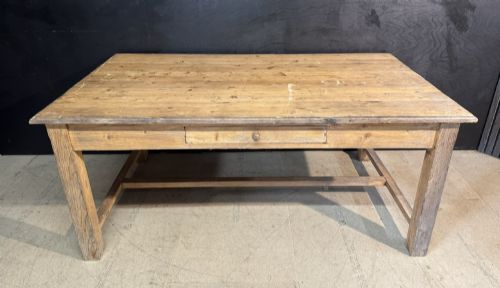
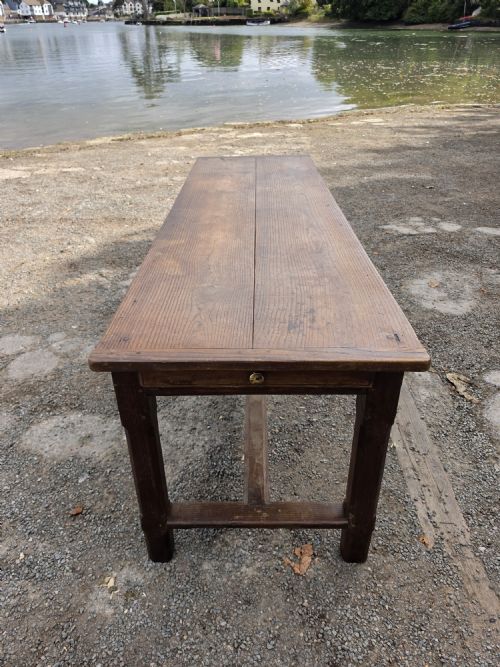
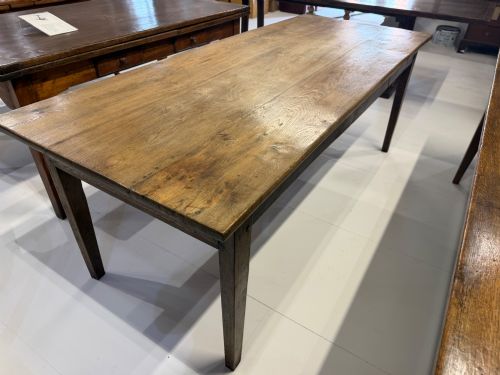
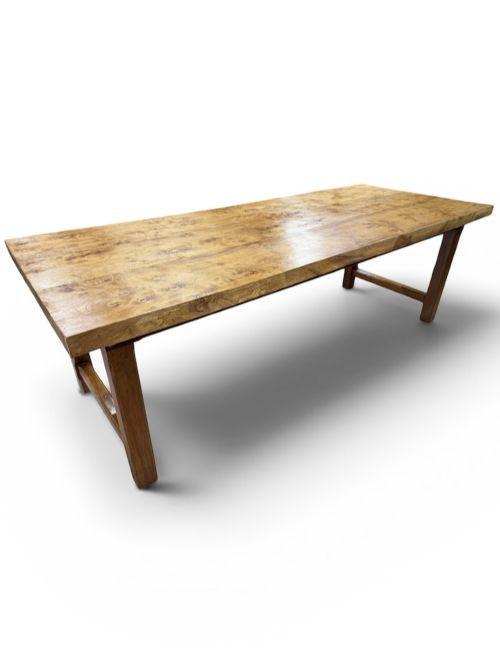
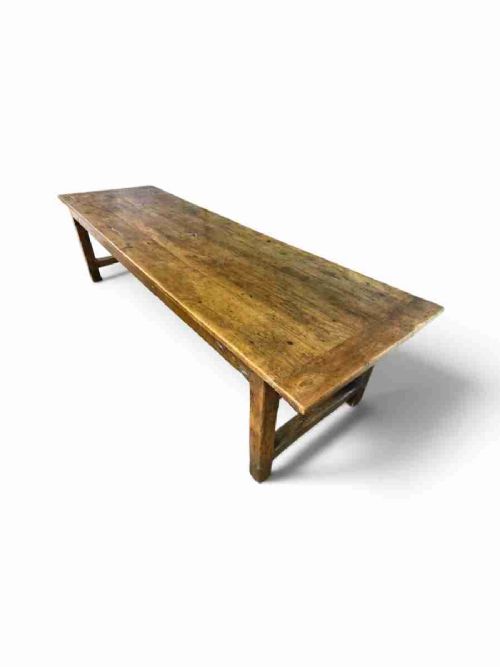
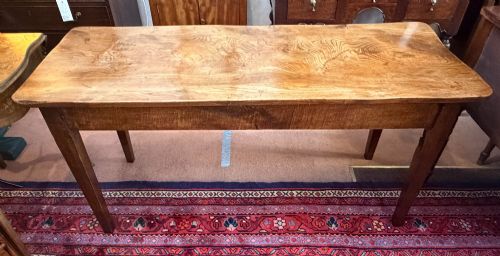
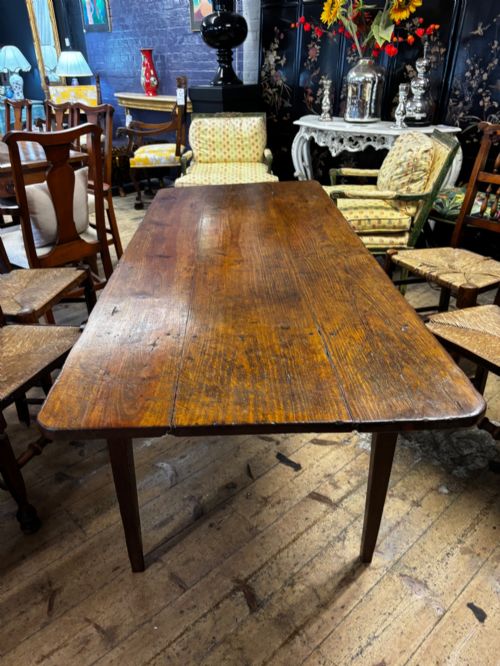
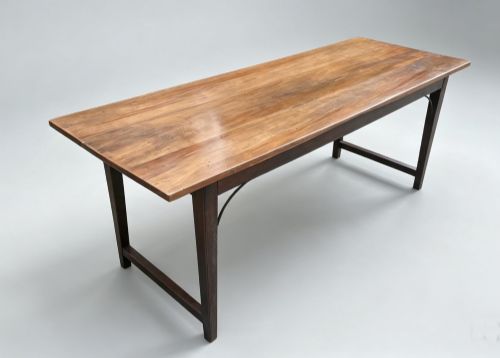
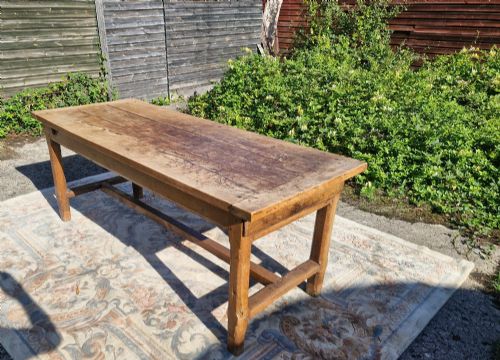
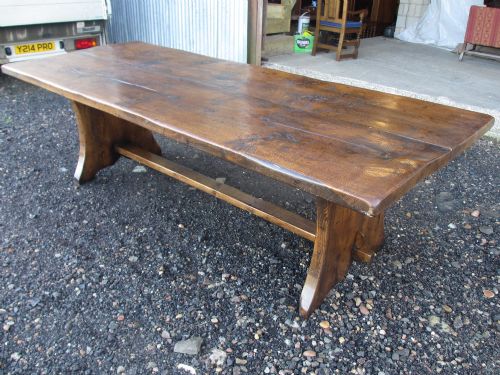
An antique plank table encompasses robust dining surfaces, refectory designs, and kitchen tables constructed from single or multiple boards of timber. Buyers searching for an antique plank table frequently encounter oak, elm, and pine examples dating from the 17th century through the Edwardian period.
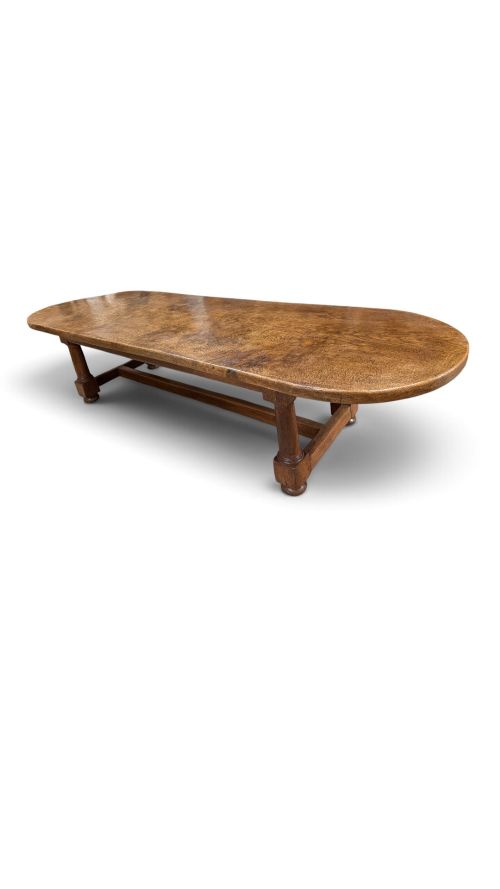
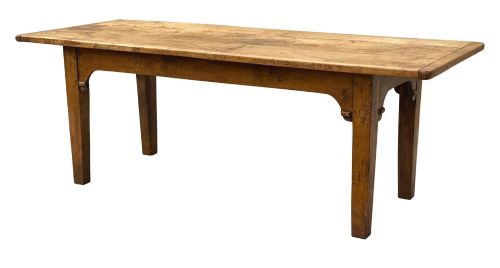
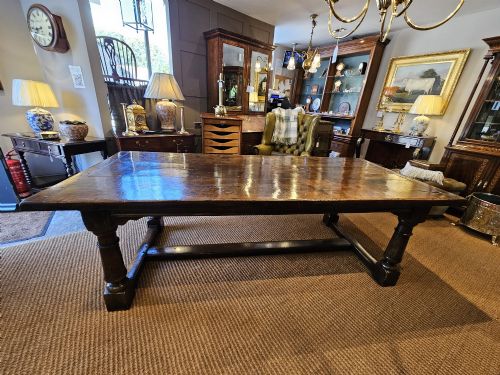
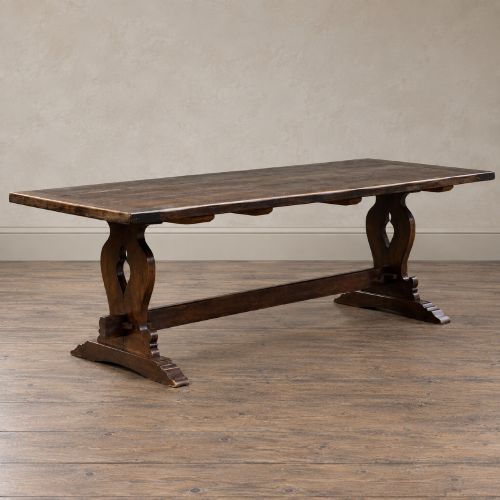
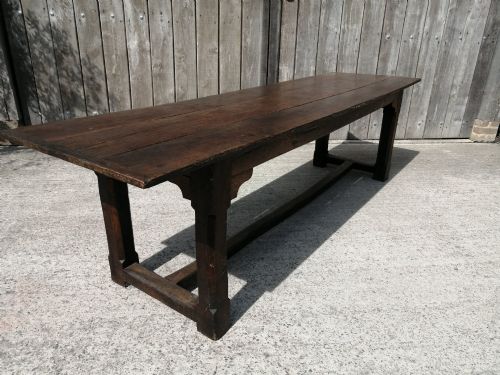
The form spans straightforward farmhouse tables, gateleg variants with drop leaves, and long refectory styles supported by trestle ends or turned baluster legs. Many items reflect regional English and French provincial traditions tied to everyday country house use.
Surviving formats range from compact tavern tables and side tables to large eight-seater dining surfaces equipped with bread slides or drawers. These pieces display the functional honesty of domestic furniture built before mass production.
How they were made
Construction relies on solid hardwoods and softwoods including oak, elm, fruitwood, sycamore, ash, chestnut, and pine, frequently reinforced with wrought iron or iron fixings. Joinery techniques involve pegged joints and heavy timber framing designed to support thick plank tops.
Tables feature boards selected for width and grain, joined edge to edge or presented as single-plank surfaces, often mounted on robust trestles, tapered legs, or gateleg actions. Surfaces show the marks of hand-planing and early tool use rather than modern mechanical finishing.
Several tables retain bread slides originally designed to cool dough straight from the village oven.
What varies in quality
Quality rests in the selection of the timber, particularly the width and maturity of the boards used for the top. Single-plank surfaces from early periods demand trees of exceptional girth, which alters the desirability of the piece.
The integrity of the original base relative to the top determines the coherence of the construction. Tables retaining their early joined frames and uncompromised structural timbers hold greater authority than heavily restored examples.
The Antique Plank Table Glossary
- Refectory table
- A long dining table traditionally used in monastic refectories and later adopted in domestic country houses. These pieces often feature trestle ends or substantial longitudinal stretchers.
- Gateleg table
- A drop-leaf table where the leaves are supported by hinged legs that swing out like a gate. This form allows the table to expand or contract depending on space.
- Bread slide
- A pull-out wooden shelf integrated beneath the tabletop of French provincial tables. It was historically utilised for cooling bread or expanding workspace.
- Trestle ends
- Upright supports connected by a horizontal beam, commonly found on heavy oak refectory tables. This design provides robust floor contact without corner legs restricting seating.
- Plank top
- A tabletop constructed from one or more wide wooden boards joined together rather than veneered panels. The grain pattern and thickness of these boards define the character of the surface.
Antique Plank Table: Frequently Asked Questions
How do I clean an antique wooden table?
Maintenance requires soft dusting and occasional treatment with natural beeswax to nourish the dry grain. Avoid modern chemical sprays and excessive moisture that might damage old finishes.
Protecting the surface from direct heat and spills preserves the historic patina developed over centuries of household use.
Did these tables originate in kitchens?
Many examples served utilitarian roles in farmhouses, taverns, and country kitchens where daily food preparation and dining occurred. Others belonged to larger country houses or institutional refectories.
Their heavy construction reflected the demanding nature of daily domestic labour before specialised furniture became common.
How do I date an oak refectory table?
Dating relies on observing construction methods, tool marks, timber shrinkage, and the style of the legs and stretchers. Early 17th and 18th-century pieces often display hand-pegged joinery and wider single-plank boards.
Later Victorian and Edwardian revivals tend to utilise more uniform machining while copying earlier traditional forms.
Can I seat many people at these tables?
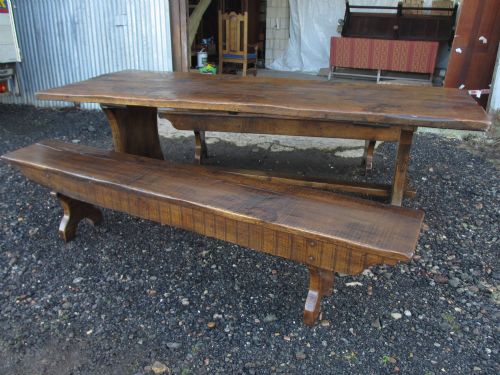
Refectory and farmhouse formats frequently accommodate eight to twelve diners due to their length and the absence of corner legs. Trestle designs offer flexibility for positioning benches or chairs along the sides.
Checking the clearance beneath the stretchers ensures comfortable legroom for modern seating.