

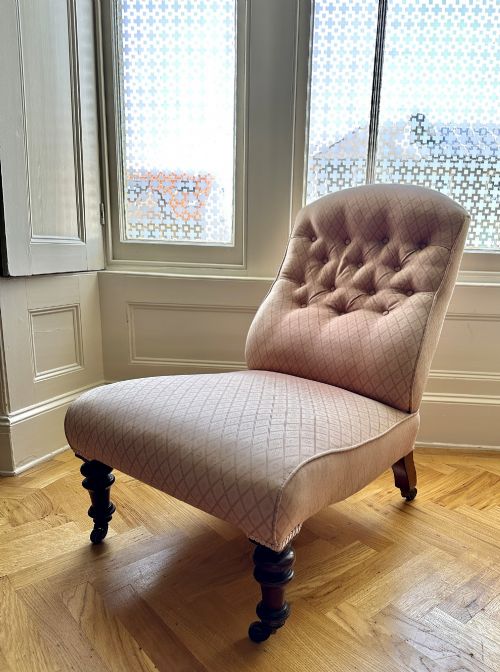
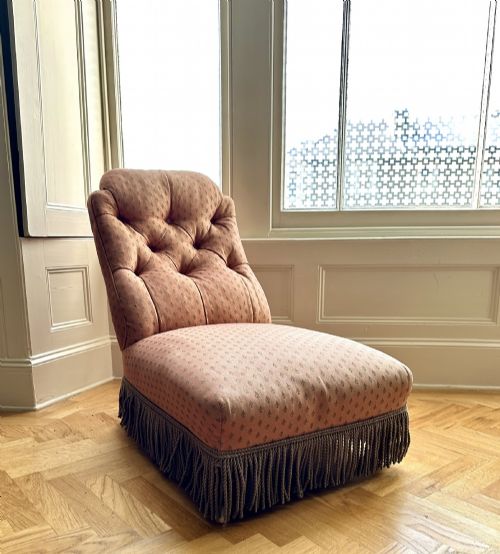


Antique Pink Accent Chair
An antique pink accent chair brings rich Victorian and Edwardian character to a room, offering low-slung comfort and distinctive period upholstery.
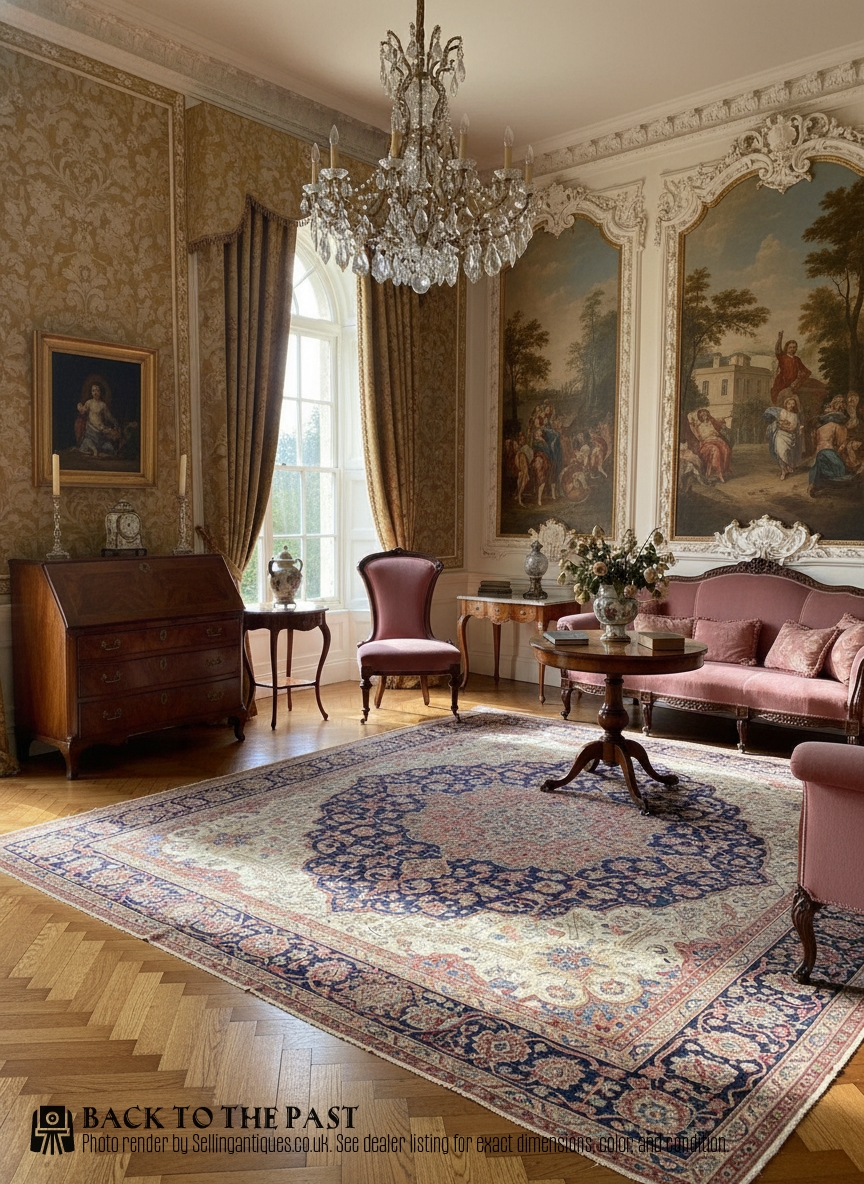
Antique Pink Accent Chair
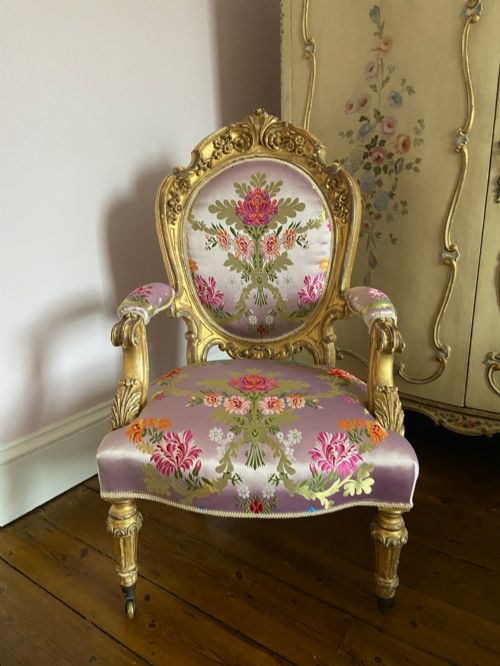
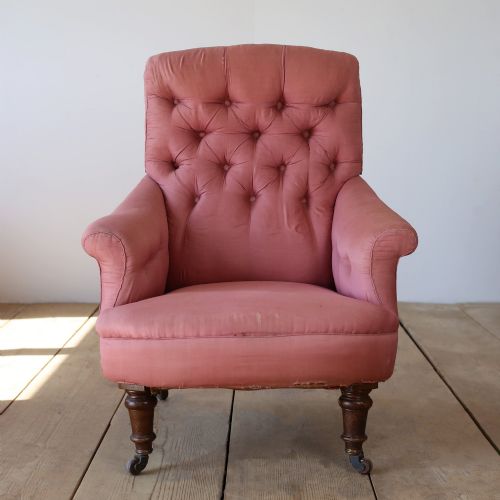
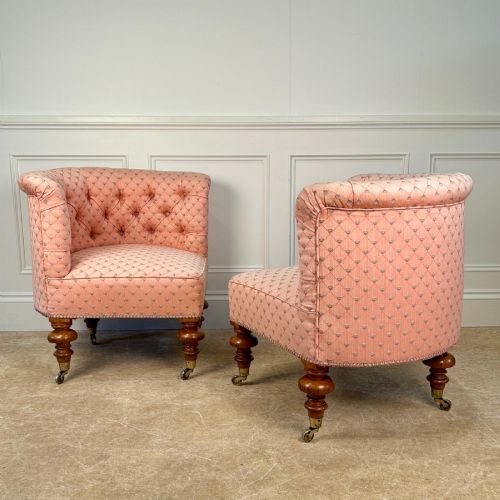
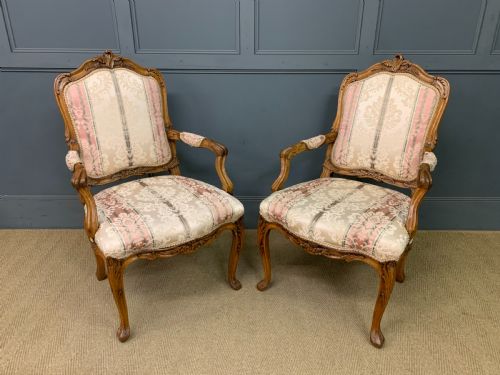
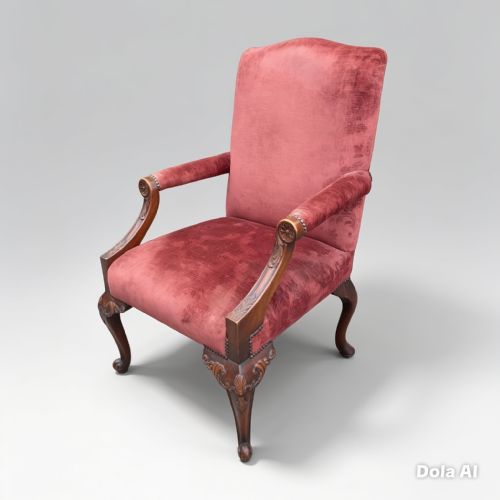
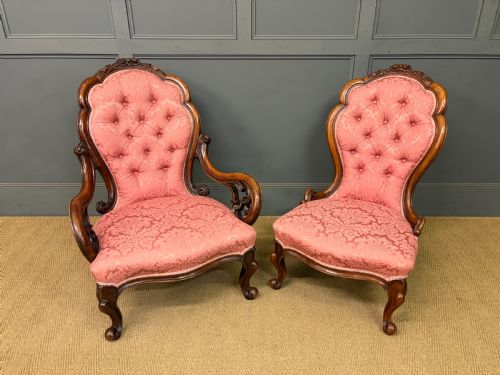
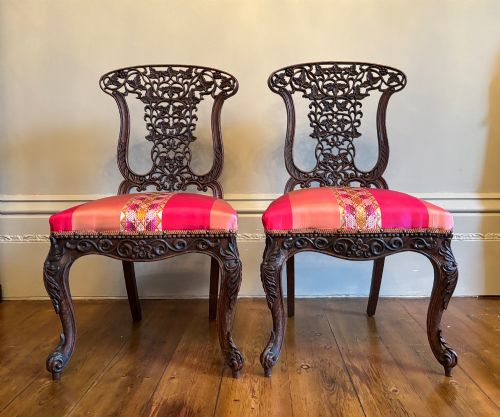
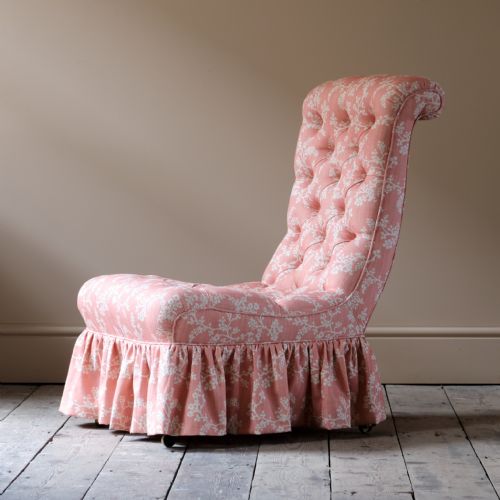
When searching for an antique pink accent chair, buyers encounter a variety of nineteenth-century and early twentieth-century seating forms. These pieces span from Victorian nursing chairs and slipper chairs to French rococo revival armchairs upholstered in velvet, coral tones, and pink textiles.
The selection on this page relies heavily on Victorian and Edwardian pieces, alongside French stylistic revivals. Low seats designed for bedrooms and drawing rooms dominate the forms, offering compact proportions suited to modern sitting spaces.
Materials and construction
Frames are constructed from hardwoods such as walnut, mahogany, oak, and satinwood, frequently paired with exposed carved giltwood or polished finishes. These timbers provide the structural rigidity necessary for elaborate balloon backs and open armchair frames.
Upholstery techniques involve deep buttoning, brass detailing, and fringe work applied over fabric or velvet textiles. The integration of iron back supports and turned wooden framing demonstrates traditional joinery methods of the nineteenth century.
Listings feature walnut, mahogany, and giltwood frames paired with velvet, fabric, and textile upholstery across the nineteenth and early twentieth centuries.
Assessing quality and craftsmanship
Quality rests upon the crispness of the wood carving and the integrity of the frame construction. Superior examples display refined proportions and hand-carved detailing that reflect the specific workshops and cabinet makers of the period.
The sophistication of the upholstery work and the choice of textile also separate standard examples from finer pieces. Original framing combined with sympathetic fabric selection determines the visual impact and historical authenticity of each chair.
Gillows·Hindley & Sons·Lamb of Manchester
The Antique Pink Accent Chair Glossary
- Slipper chair
- A low-seated upholstered chair originally designed for ladies' bedrooms during the nineteenth century. Its low profile made it convenient for putting on shoes.
- Nursing chair
- A low-slung Victorian chair featuring a high back, traditionally used for feeding infants. These pieces often display buttoned upholstery and walnut frames.
- Fauteuil
- An open-framed armchair with upholstered armrests, originating from French design traditions. The wooden frame is typically carved and exposed around the arms and back.
- Giltwood
- Timber coated with a thin layer of gold leaf. This finish appears frequently on decorative frames from the nineteenth century.
- Button back
- An upholstery technique where buttons are pulled deep into the padding to create a tufted diamond pattern. This method adds structural tension and distinct texture to nineteenth-century seating.
Antique Pink Accent Chair: Frequently Asked Questions
What rooms suit an antique pink accent chair?
These compact chairs fit well in bedrooms, dressing rooms, and smaller reading corners where traditional seating adds soft colour and texture. Their low profiles allow them to sit comfortably alongside modern furnishings without dominating the floor plan.
Placing one near a dressing table or in a drawing room echoes their original nineteenth-century domestic placement. The muted pink and coral velvet tones bridge historic woodwork and contemporary interior palettes.
How do I identify a Victorian nursing chair?
Victorian nursing chairs feature notably low seats paired with elongated, often button-backed upholstery designed for comfort. They frequently rest on turned wooden legs with castors for easy movement across carpeted drawing rooms.
Checking the frame reveals walnut or mahogany construction beneath the fabric. The absence of high arms distinguishes them from standard fireside armchairs of the same era.
Are these chairs comfortable for daily use?
Most antique accent chairs offer firm support through traditional sprung or padded upholstery bases. Their compact dimensions make them ideal for relaxed sitting rather than lounging.
Upholstery condition varies across pieces, so buyers should consider whether the existing padding meets personal comfort preferences. Many retain supportive sprung seats housed within sturdy hardwood frames.
How can I tell the difference between periods?
Early nineteenth-century pieces often display restrained lines influenced by Georgian and Regency styles, while mid-Victorian examples favour carved walnut and balloon backs. Edwardian chairs introduce lighter satinwood frames and inlaid details.
Examining the turning of the wood and the style of the carving helps date the frame. French revival pieces from the later nineteenth century bring more ornate giltwood and sweeping cabriole legs into the mix.