

Antique Pine Storage
Antique pine storage pieces provide practical utility through chests of drawers, cupboards, mule chests, and trunks dating from the Georgian and Victorian eras.
Forms and Origins of Antique Pine Storage
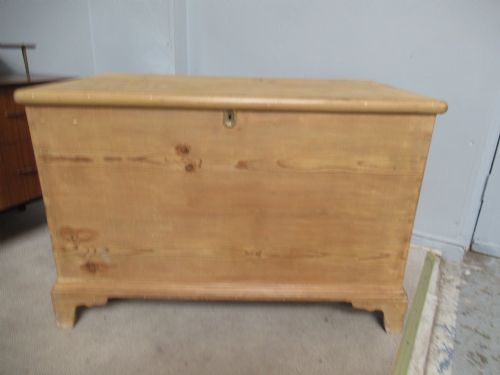
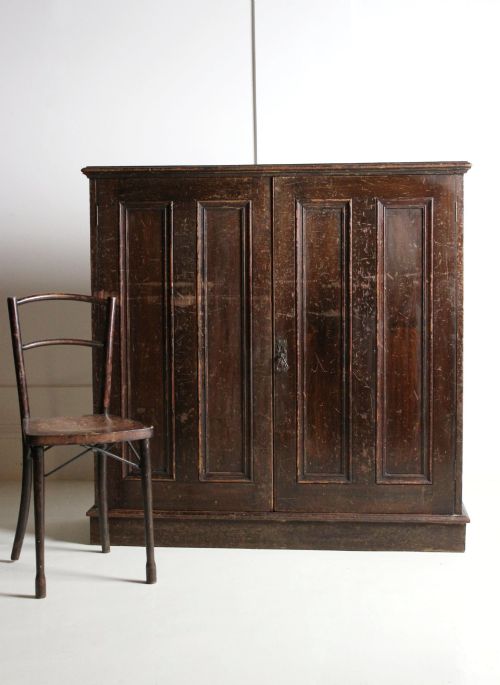
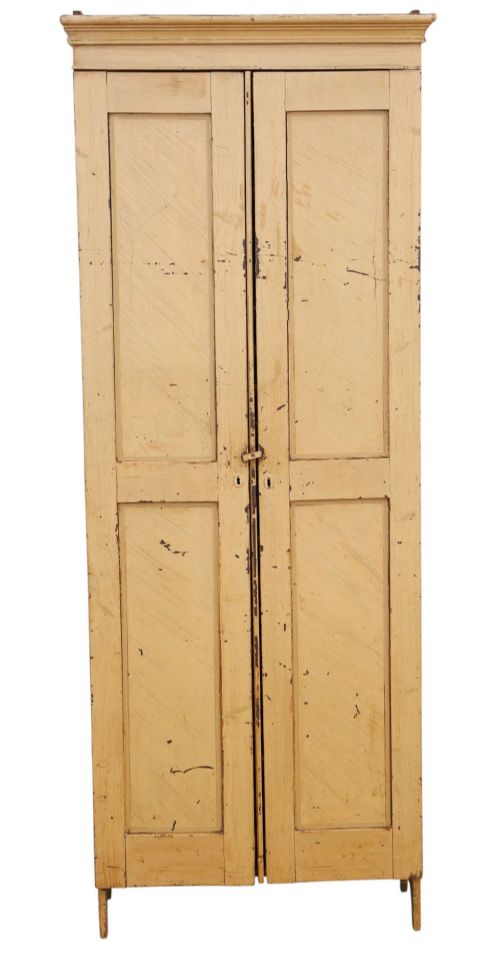
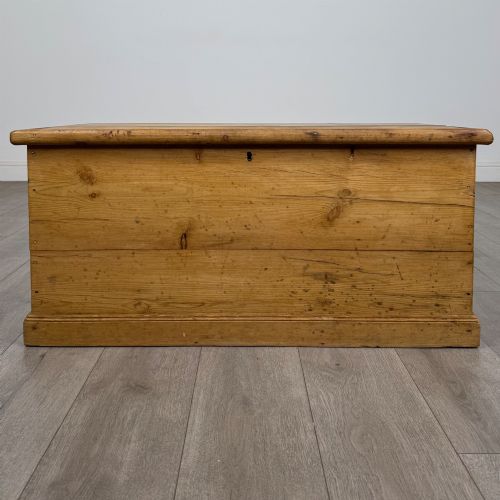
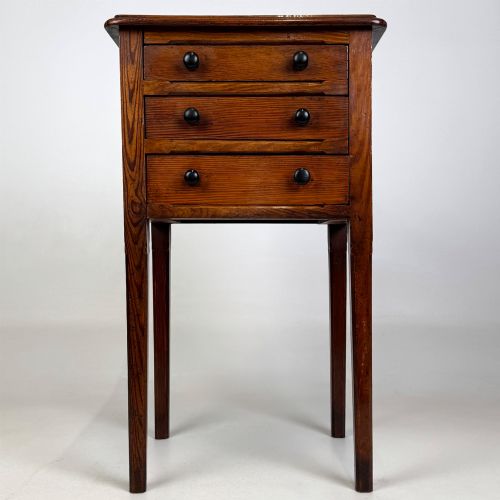
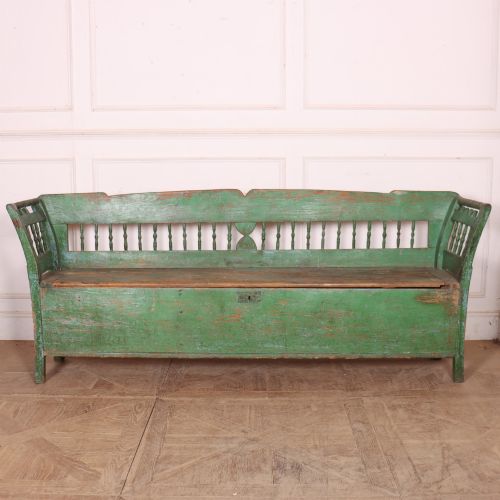
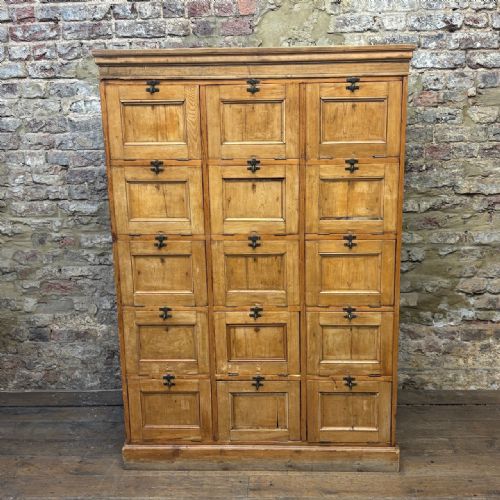
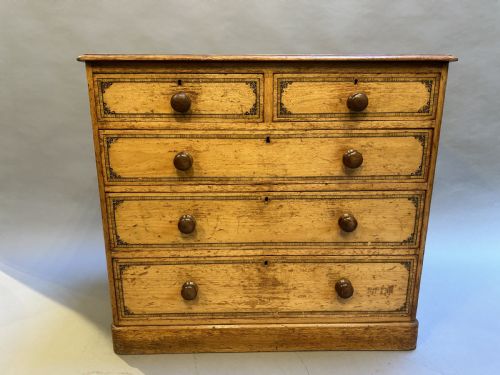
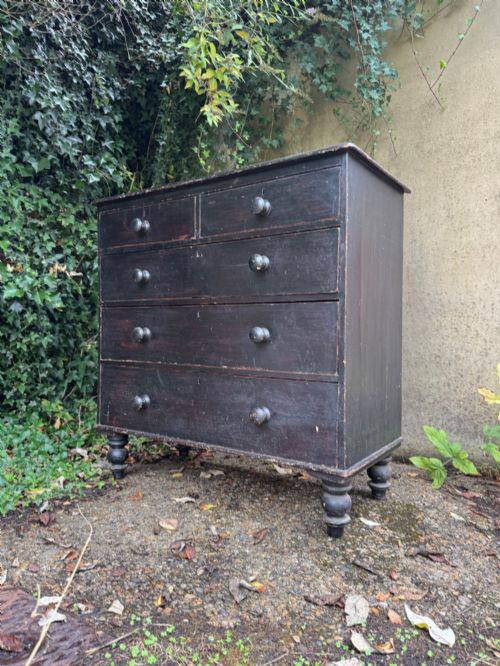
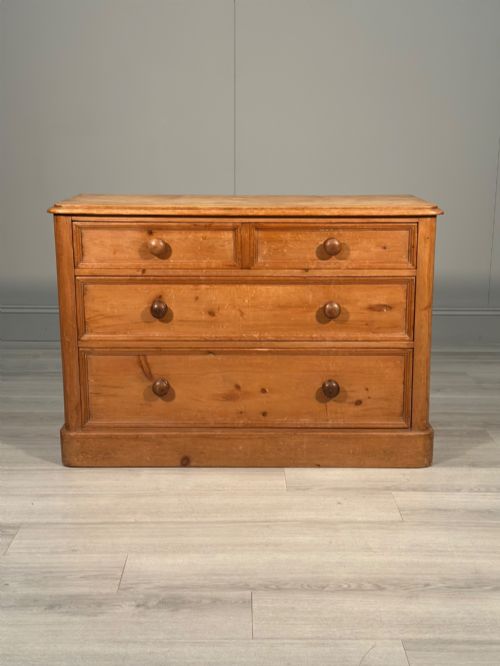
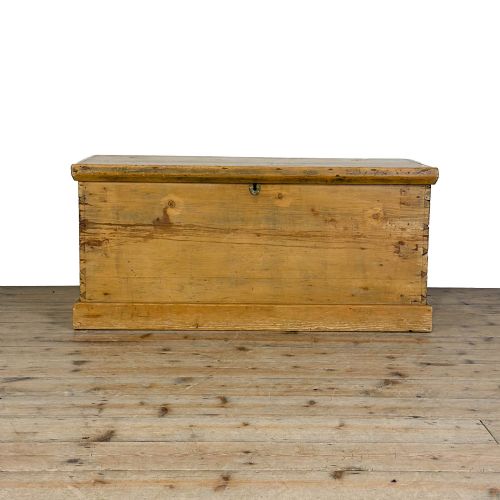
These antique pine storage items encompass a variety of domestic forms including chests of drawers, mule chests, school cabinets, bedside units, benches, and multi-door cupboards. The search phrase covers utilitarian furniture produced across the Georgian and Victorian periods, extending into the early twentieth century around nineteen hundred and nineteen twenty.
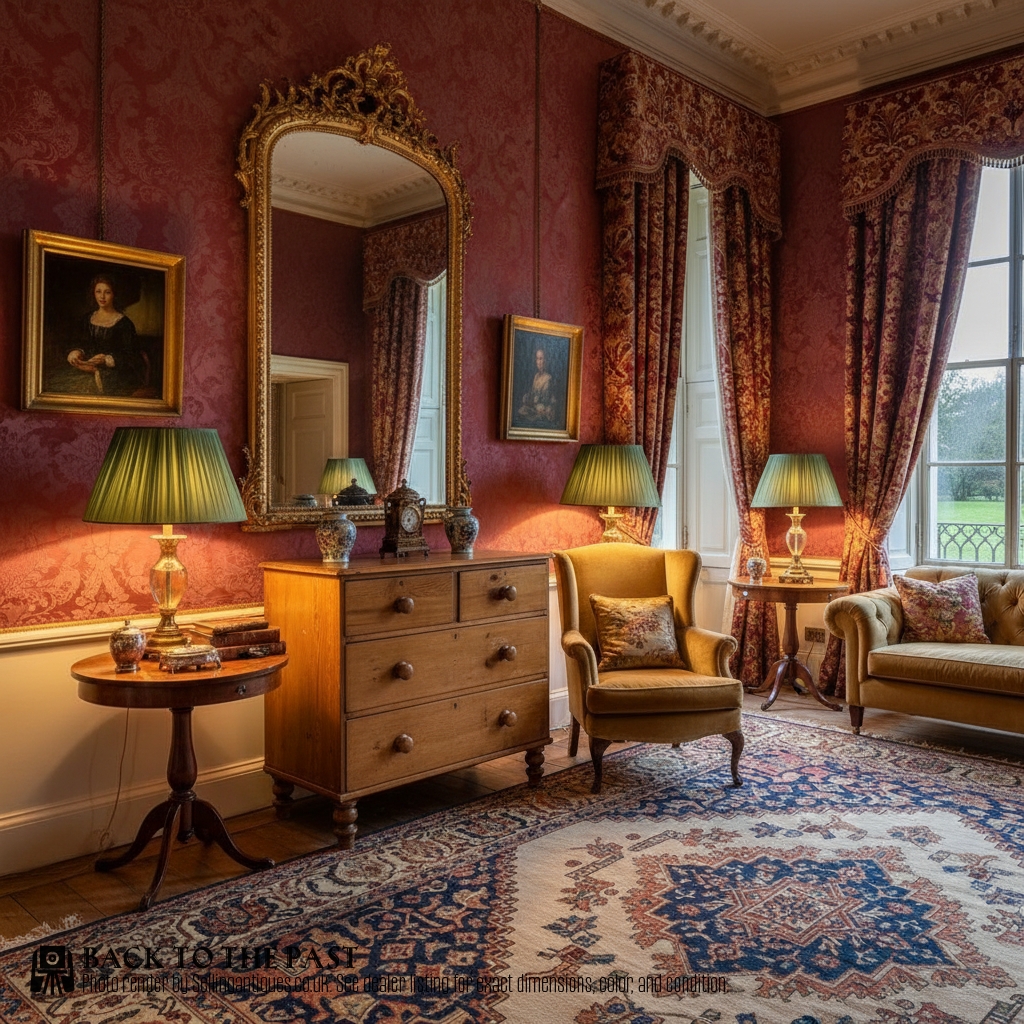
The version most commonly encountered on this page is the Victorian pine chest of drawers or storage cupboard, often finished in waxed, painted, or stripped surfaces. Pieces originate from domestic, school, and shop settings, reflecting regional British cabinet-making traditions of the nineteenth century.
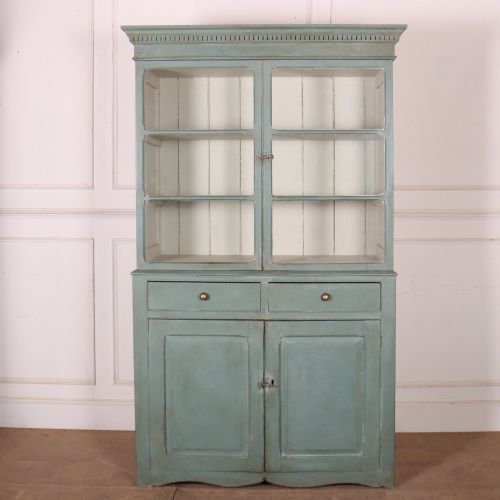
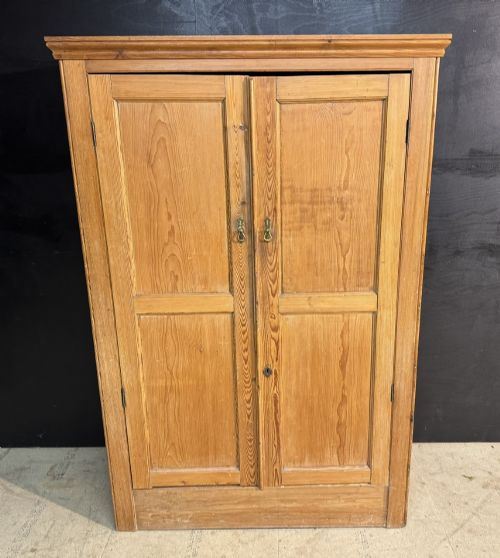
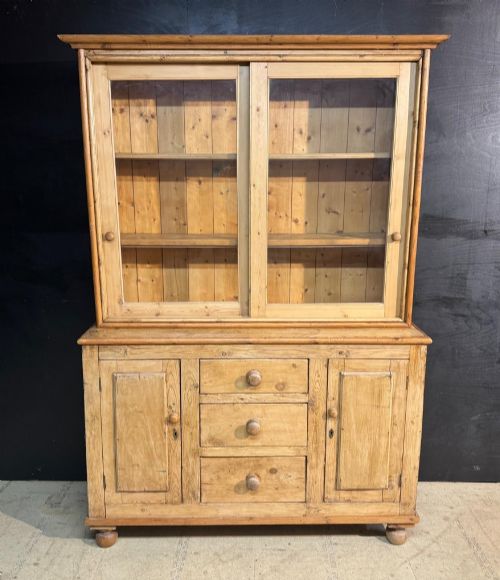
Larger forms include multi-piece kitchen storage cupboards, wide two-door cupboards with brass vents or arched panels, and tall narrow wardrobes or linen presses. Smaller items such as bedside cabinets, shallow cupboards, and rustic storage trunks also appear frequently in the record.
Materials and Construction Techniques
Construction relies primarily on pine and pitch pine timber, supplemented by hardware components in brass, glass, and metal. Surfaces are handled in multiple ways, ranging from original paint layers and teal or blue finishes to stripped wood and waxed treatments.
Joinery techniques serve the functional demands of daily utility, forming sturdy carcases for chests, trunks, and cupboards with fitted drawers and panelled doors. Secondary woods such as cedar sometimes appear in internal construction alongside brass vents and metal fixtures.
Retail Price Guide 2026
Typical UK retail prices for pine storage, calculated from the Sellingantiques database of over a million retail prices indexed since 2003. This retail price guide relies exclusively on Sellingantiques data; no external sources or auction records are used, so the figures do not describe the wider market.
Listings feature pine, pitch pine, brass, glass, and metal across Georgian, Victorian, and early twentieth-century periods.
Distinctions in Quality and Make
Quality separates through the integrity of the original timber structure, the survival of early or original paint surfaces, and the restraint of subsequent restoration. Pieces retaining untouched Georgian proportions or specific Victorian functional details such as arched doors and brass ventilation grilles demonstrate higher artisanal consideration.
Scale and configuration dictate desirability, with narrow footprints, single-piece multi-door carcases, and multifunctional internal arrangements showing superior spatial planning. The relative crispness of drawer construction and the honesty of the pine grain without excessive structural rebuilding mark the upper tier of surviving examples.
The Antique Pine Storage Glossary
- Pitch pine
- A resinous North American pine species utilised for durable nineteenth-century furniture including campaign chests. It offers enhanced hardness and a distinct linear grain compared to standard softwoods.
- Mule chest
- A traditional storage form combining a blanket chest with one or more lower drawers. This hybrid piece bridges the evolution from simple trunk storage to the modern chest of drawers.
- Campaign chest
- Portable modular furniture made in sections with brass corners and flush handles for transport. Examples in pitch pine reflect military or travel utility during the Victorian era.
- Waxed pine
- A surface treatment applied to softwoods to nourish the timber and impart a mellow sheen. It is a common finish for nineteenth-century domestic cupboards and chests.
- Stripped pine
- Wood from which subsequent layers of paint or dark varnish have been chemically or mechanically removed to expose the raw grain. This finish highlights the natural knotwork and tonal variations of the softwood.
Frequently Asked Questions
What periods do these pieces date from?
The inventory spans the Georgian and Victorian eras, with examples continuing into the early twentieth century around nineteen hundred and nineteen twenty.
Most surviving items originate from the nineteenth century, reflecting domestic utility and workshop production of that time.
How were these storage pieces originally used?
They served practical domestic and institutional functions, holding linens, kitchen provisions, clothing, books, and personal belongings.
Formations ranged from bedside nightstands and school cabinets to large kitchen cupboards, mule chests, and hallway benches with integrated trunk space.
What finishes should I expect to find?
Surfaces vary widely depending on historical treatment and subsequent intervention by dealers and owners.
Record shows examples with original paint finishes in teal, blue, or black, alongside stripped pine, waxed softwoods, and pitch pine surfaces.
Are these pieces made entirely of pine?
Pine and pitch pine form the primary structural material across the inventory, supplemented by functional hardware in brass and metal.
Certain pieces incorporate secondary timbers such as cedar in internal components like drawer linings and shelving.