
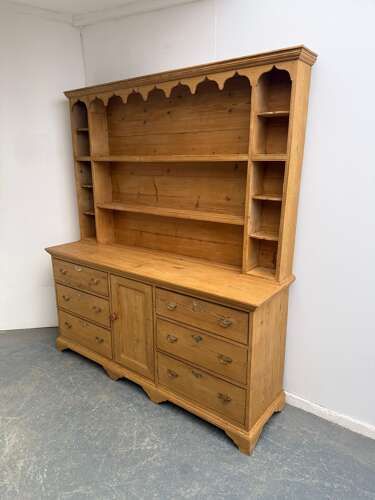
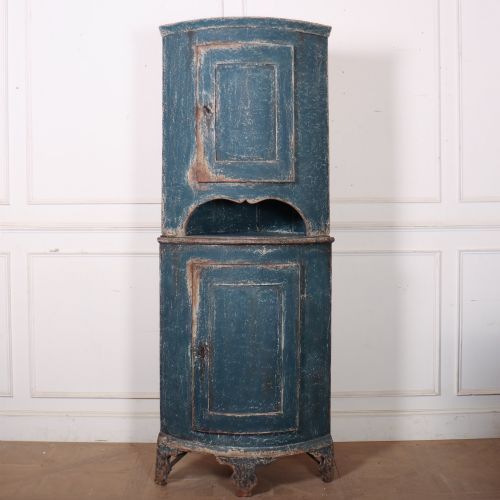
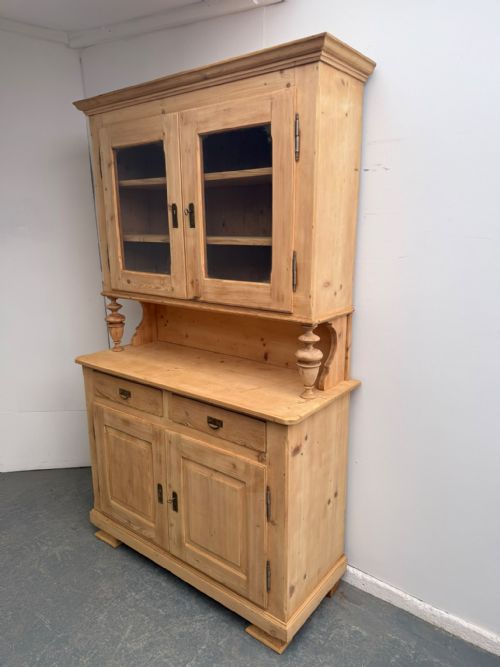
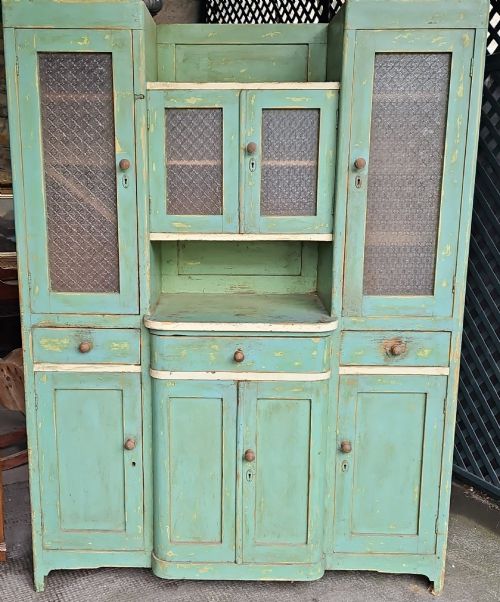


Antique Pine Hutch Cabinet
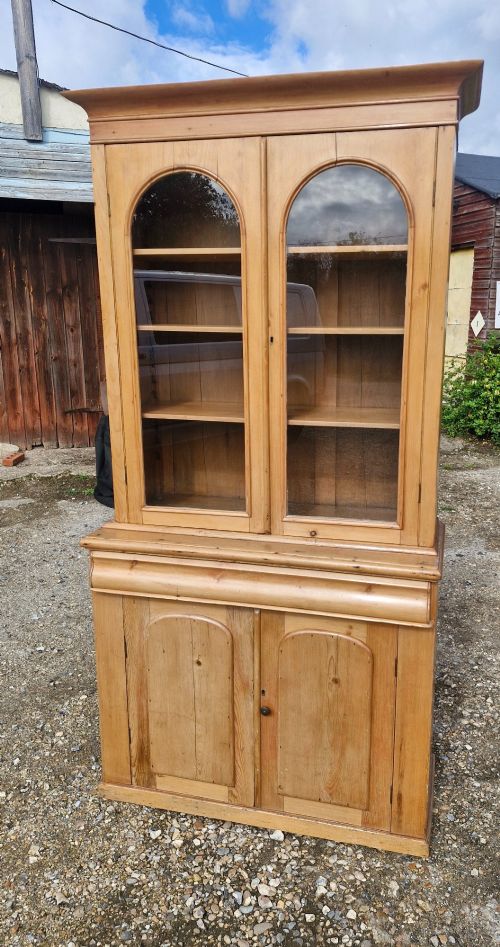
An antique pine hutch cabinet brings honest utility and vernacular charm to a room, offering generous storage through fitted shelves and cupboards.
Antique Pine Hutch Cabinet
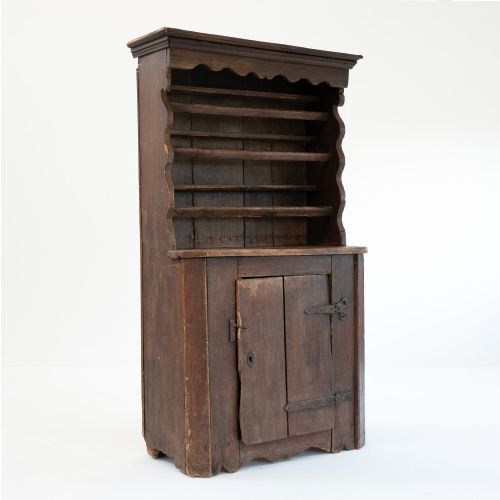
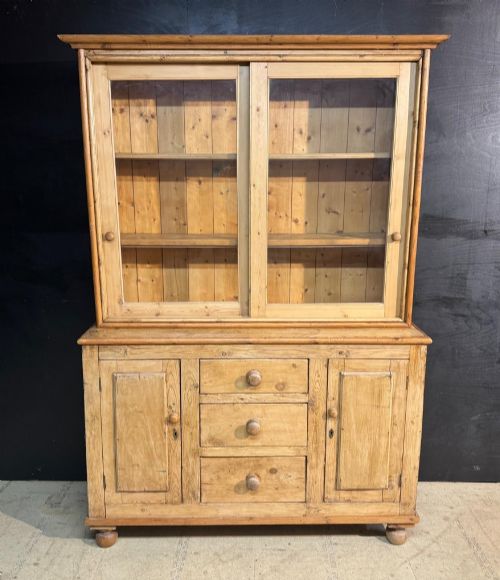
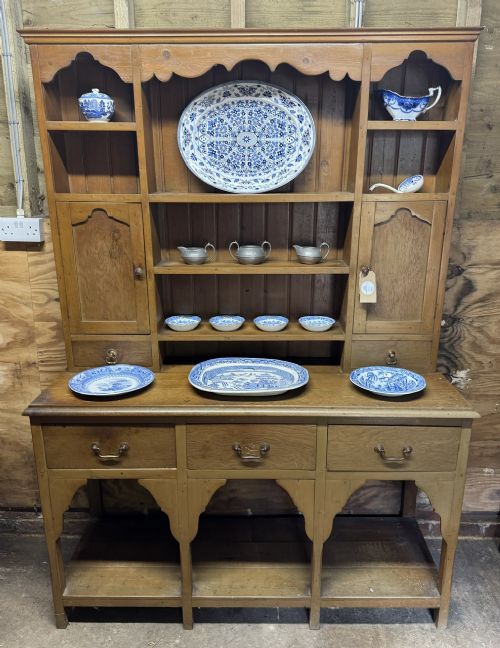
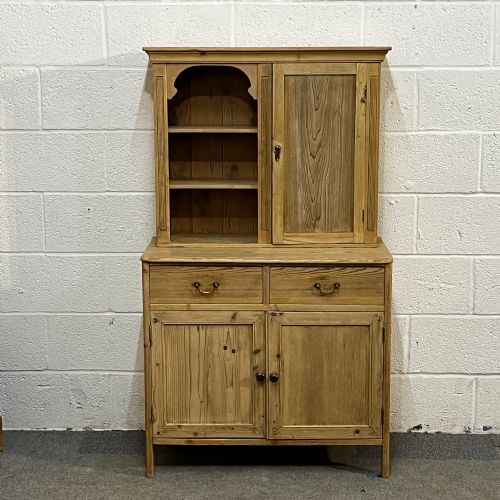
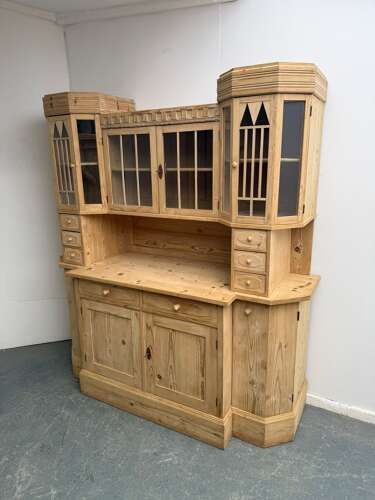
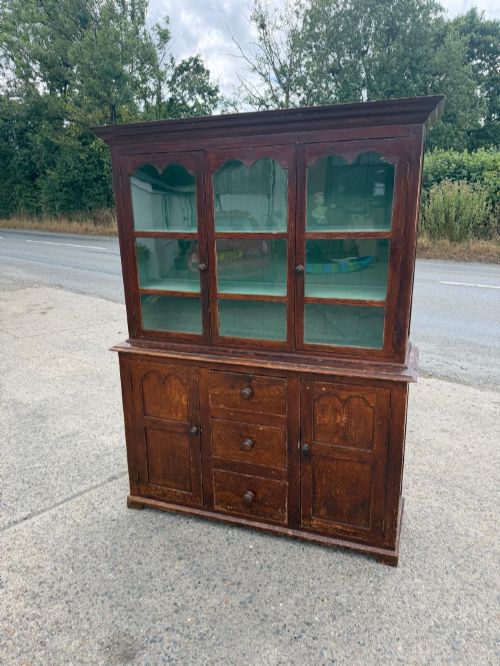
When searching for an antique pine hutch cabinet, buyers encounter a robust variety of kitchen dressers, glazed top cabinets, and regional cupboards spanning the eighteenth, nineteenth, and early twentieth centuries.
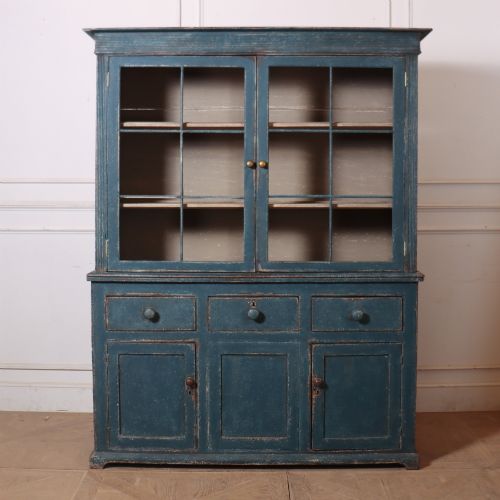
The pieces appearing on this page encompass English country forms, Welsh vernacular pieces, Irish country furniture, and Scandinavian painted styles, reflecting the diverse domestic traditions of rural Europe.
Among these forms, the kitchen dresser with an open rack or glazed upper section stands out as the version most frequently met by collectors browsing current selections.
Materials and construction
Makers utilised solid pine timber for the primary carcass, combining it with brass, iron, or wrought iron hardware such as hinges, handles, and latches.
Surface finishes range from simple wax applications and original paint to detailed folk art decoration, scrumbled layers, and ceramic tiling incorporated into Arts and Crafts variants.
Listings feature pine furniture spanning the eighteenth, nineteenth, and early twentieth centuries, incorporating materials like glass, ceramic, and wrought iron.
Assessing quality and character
The distinction between tiers rests upon the integrity of the original surface, whether preserved wax, historic paint, or authentic patina accumulated through generations of domestic use.
The Antique Pine Hutch Cabinet Glossary
- Vernacular
- Everyday furniture built by local craftsmen for practical domestic use rather than following formal high-style metropolitan designs. These pieces often incorporate regional building traditions.
- Scrumble
- A decorative painting technique involving layers of translucent glaze manipulated to imitate the grain of more expensive woods or to create textured patterns. It appears frequently on nineteenth-century painted pine.
- Dresser rack
- The upper shelving unit fixed above the base cabinet, traditionally used for displaying plates, ceramics, and kitchen provisions. It forms an integral part of many traditional hutch designs.
- Breakfront
- A cabinet configuration where the central section projects forward slightly from the flanking wings. This architectural detail adds depth and visual interest to larger case pieces.
- Patina
- The surface sheen and softening of edges developed by wood and paint over decades of handling and polishing. It serves as a primary indicator of age and authenticity.
Antique Pine Hutch Cabinet: Frequently Asked Questions
What is a pine hutch cabinet?
A pine hutch cabinet is a traditional storage piece combining a lower cupboard or drawer base with an upper shelving rack or glazed cabinet. These pieces served historically for food preparation and the display of household crockery.
Today, they function as versatile storage and display furniture in domestic settings, accommodating kitchenware, books, and collections while adding warmth to a room.
How do I date an antique pine cabinet?
Dating involves examining construction methods, timber characteristics, hardware types, and surface finishes. Earlier pieces from the eighteenth century often display hand-sawn boards and specific regional joinery.
Later Victorian and early twentieth-century examples introduce machine-sawn elements, different hinge styles, and variations in paint layering that help establish their period of origin.
Where were these cabinets made?
These cabinets originate from various regions across the British Isles and continental Europe. Distinct styles emerge from Wales, the English West Country, Ireland, Sweden, Denmark, and Hungary.
Each region developed specific proportions, cornices, and decorative treatments that reflect local woodworking traditions and domestic habits.
Are these cabinets painted or waxed?
Pine cabinets appear in both waxed wood finishes and painted surfaces. Many pieces retain their original painted finishes, including folk art decoration, cream and teal schemes, or scrumbled effects.
Others display a natural waxed pine surface that highlights the grain and develops a warm patina through regular polishing.
How should I care for antique pine?
Maintaining antique pine requires stable indoor humidity levels and protection from direct heat sources and strong sunlight. Regular dusting with a soft cloth keeps the surface clean without damaging the finish.
For waxed pieces, occasional application of traditional beeswax nourishes the timber and preserves the depth of the patina over time.