



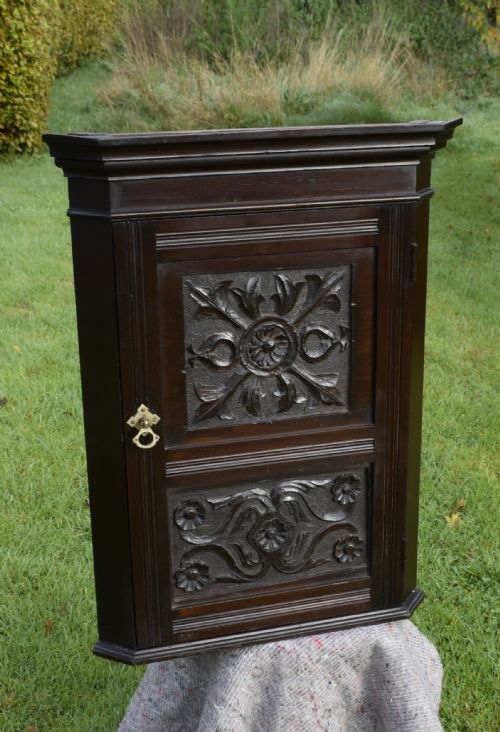


Antique Pine Corner Cupboard
An antique pine corner cupboard provides a practical storage solution that maximises neglected room angles with period charm.
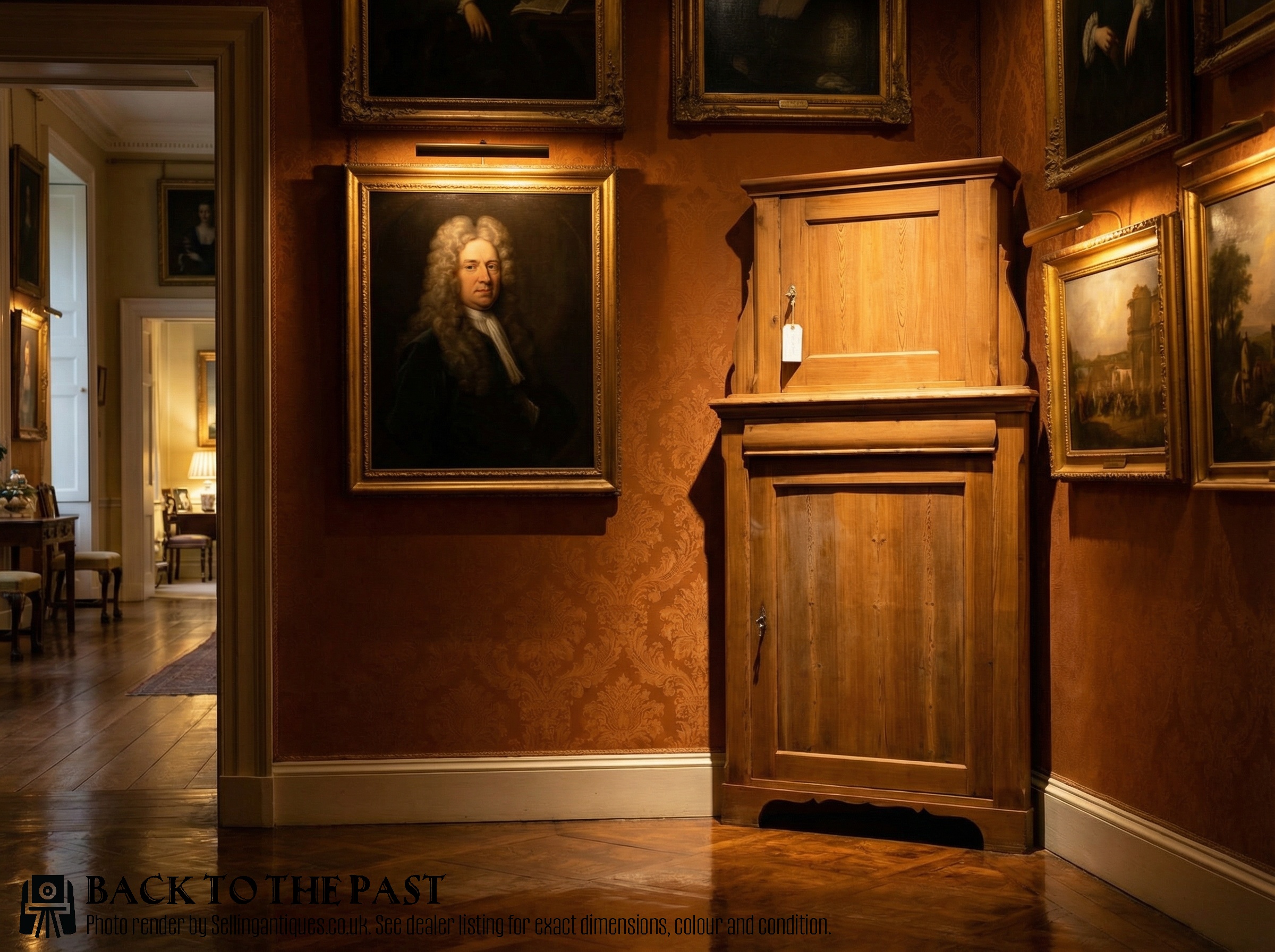
Antique Pine Corner Cupboard
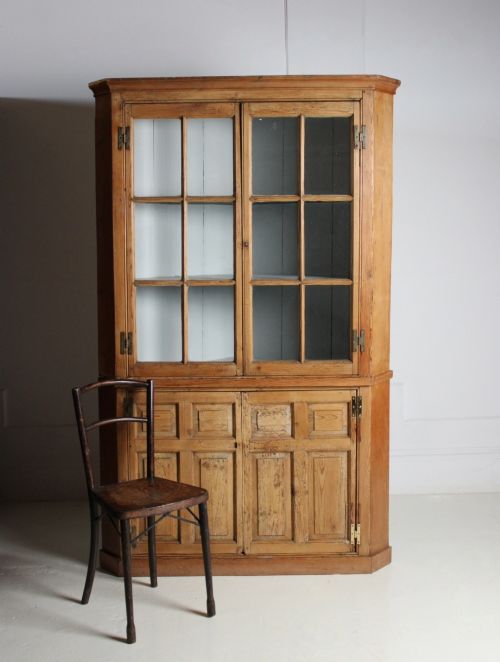
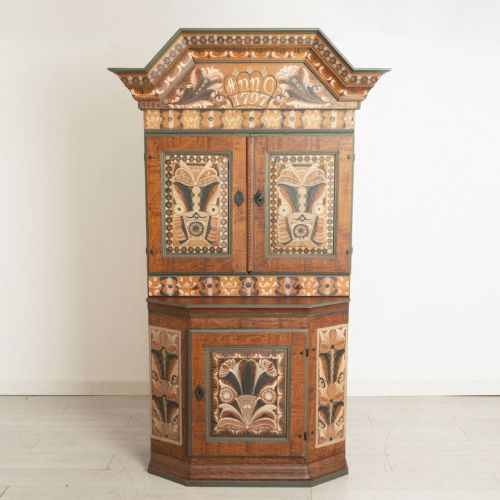
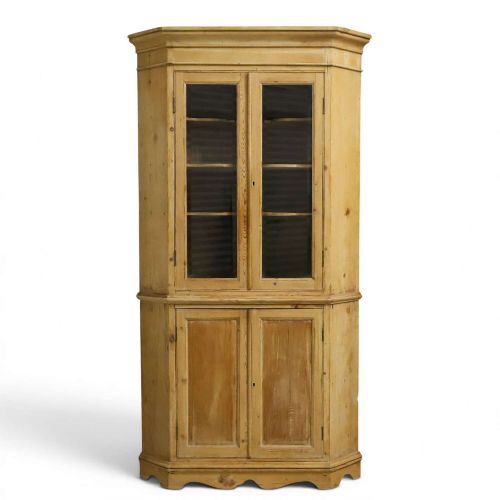
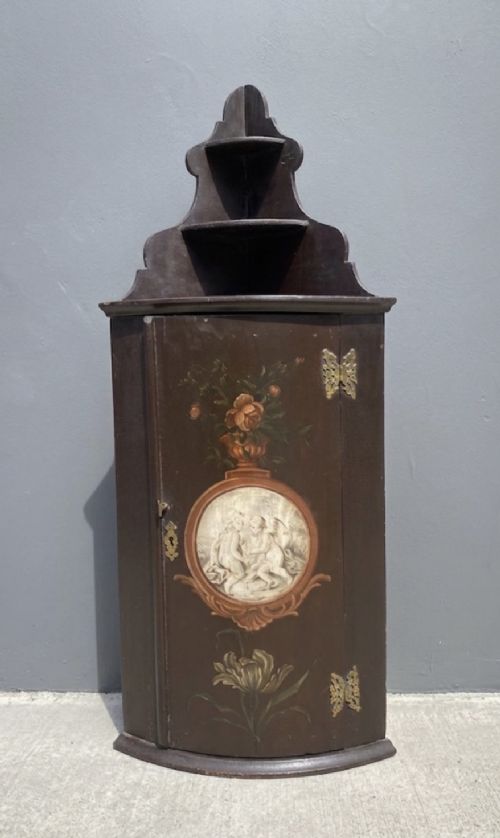
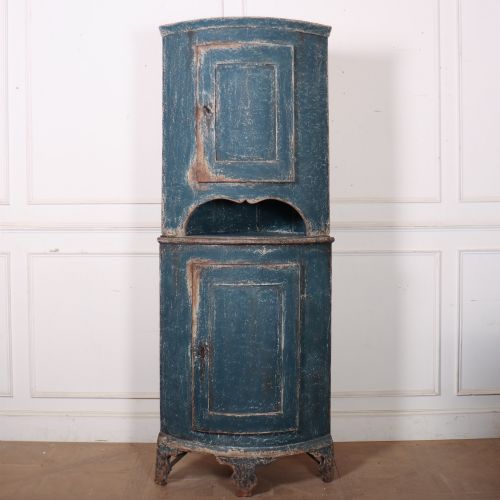
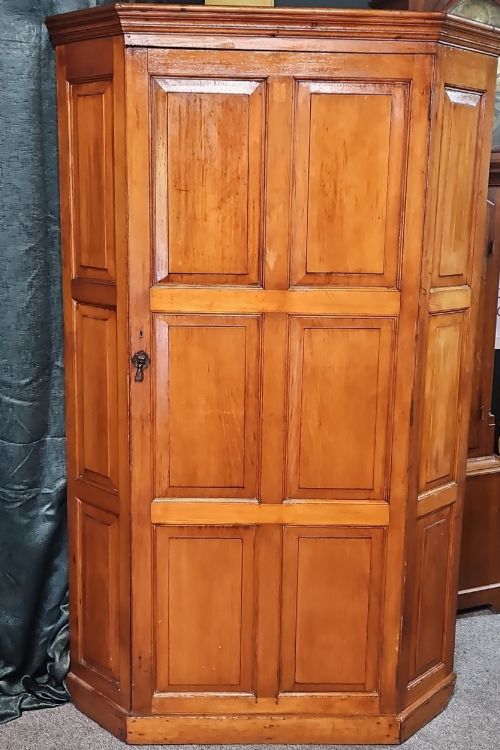
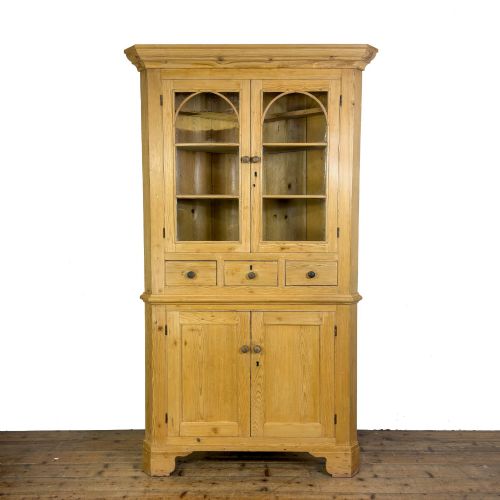
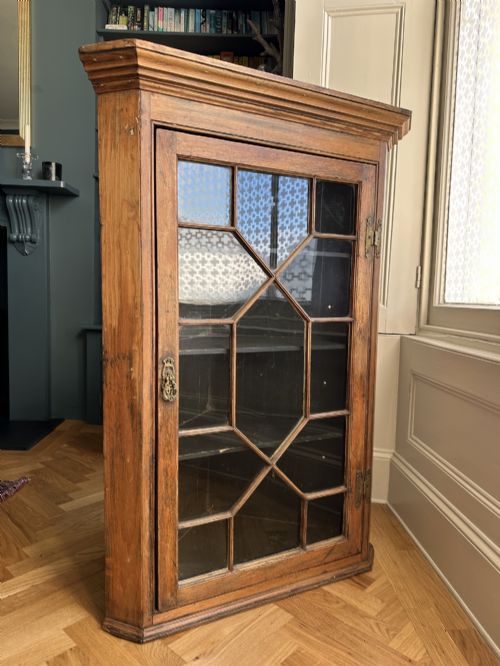
An antique pine corner cupboard is a fitted or freestanding storage unit designed to occupy the junction of two walls. The selection spans structural forms ranging from wall-hanging single doors to grand two-part standing cabinets and tall architectural designs.
Most examples originate from the eighteenth and nineteenth centuries, taking influences from Georgian cabinet makers, Victorian country workshops, and continental folk traditions. Buyers encounter variations including glazed doors for display, solid panelled fronts, and barrel-backed interiors.
Materials and Construction
Cabinet makers constructed these pieces primarily using solid pine, occasionally incorporating pitch pine or secondary timbers like elm for internals. Surfaces frequently display historical finishes, including original paintwork, simulated grain, or stripped wood showing natural grain patterns.
Hardware details typically include brass escutcheons, iron hinges, and glass panes set into astragal bars for display sections. Joinery methods encompass traditional pegging, dovetailed cornices, and multi-part construction to facilitate movement between rooms.
Antique Pine Corner Cupboard Retail Price Guide 2026
Typical asking prices for pine corner cupboard among the pieces listed under this phrase on Sellingantiques today, from the lower quarter to the upper quarter. They describe what is for sale here now, not the wider market.
Several cupboards preserve secret painted interiors behind closed doors, offering a cheerful splash of unexpected colour from centuries past.
Proportion and Finish
Quality rests upon the balance of proportion, architectural presence, and the integrity of the timber. Better examples maintain crisp mouldings, original hardware, and untouched painted surfaces or desirable patination from age.
Internal elements such as shaped shelving, fitted drawers, and painted interiors distinguish superior cabinets from utilitarian storage pieces. The complexity of the carcass, whether single-piece or two-part, dictates the sophistication of the construction.
The Antique Pine Corner Cupboard Glossary
- Astragal glazed
- Glass doors divided into smaller panes by narrow wooden glazing bars. This arrangement provides structural support while offering visibility for contents.
- Barrel back
- A curved interior back panel designed to follow the circular contour of the cabinet. This feature is frequently found in formal eighteenth-century examples.
- Simulated oak
- A painted surface treatment mimicking the grain pattern of oak. Artisans applied this technique to pine furniture during the Georgian and Victorian eras.
- Two-part form
- A cabinet constructed in separate upper and lower sections. This modular design assists with transport and installation in domestic spaces.
Antique Pine Corner Cupboard: Frequently Asked Questions
How do I hang a wall-mounted cupboard safely?
Hanging cupboards require secure fixing to solid wall studs or masonry using appropriate brackets. Due to the weight of solid pine and internal shelving, professional installation ensures stability.
Check the integrity of the original hanging loops and backboards before mounting. Distribute heavier items on lower shelves to maintain balance.
What is the difference between hanging and standing cupboards?
Wall-hanging models are compact units designed to save floor space, usually featuring a single door. Standing versions extend to the floor, often utilising tall single-piece or two-part architectural forms.
Floor-standing variants offer significantly greater storage capacity, occasionally incorporating multiple doors or dedicated display shelving.
How do I care for original painted surfaces?
Original painted finishes require gentle dusting with a dry, soft cloth. Avoid harsh chemical cleaners or excessive moisture that might lift historic pigments.
Maintain stable room humidity to prevent timber movement beneath the paint layer. Wax should only be applied if the surface finish confirms it is appropriate.
Can I strip modern paint from an antique cupboard?
Stripping paint removes historical character and patina developed over centuries. Many collectors prefer pieces retaining their original painted finish or aged scrubbed surfaces.
Consult a professional restorer before undertaking chemical or heat removal. Underlying pine can reveal varied colour and grain depending on its exposure to light.