
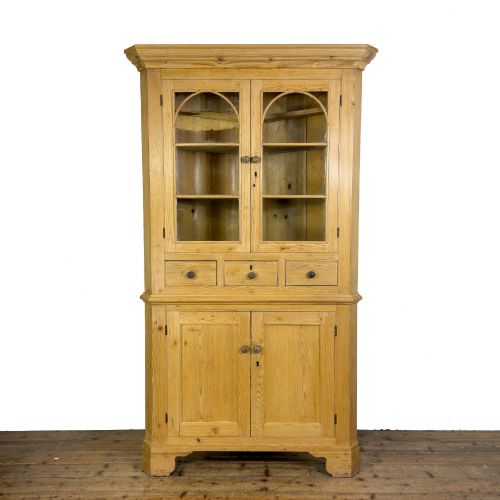
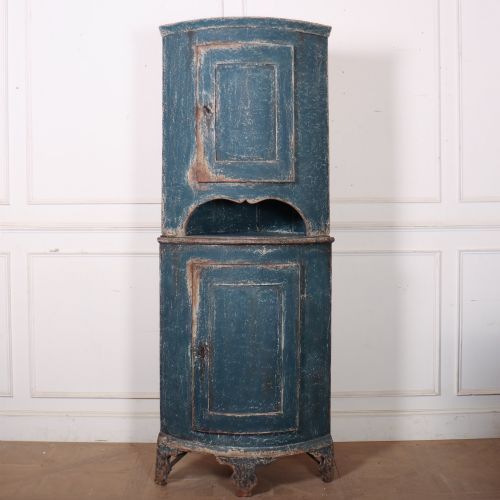
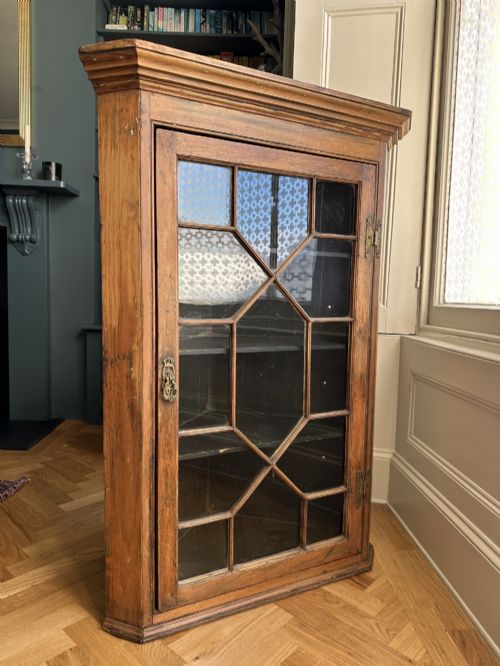


Country Pine Corner Cabinet
These country pine corner cabinet examples turn forgotten corners into focal points while keeping domestic storage honest and practical.
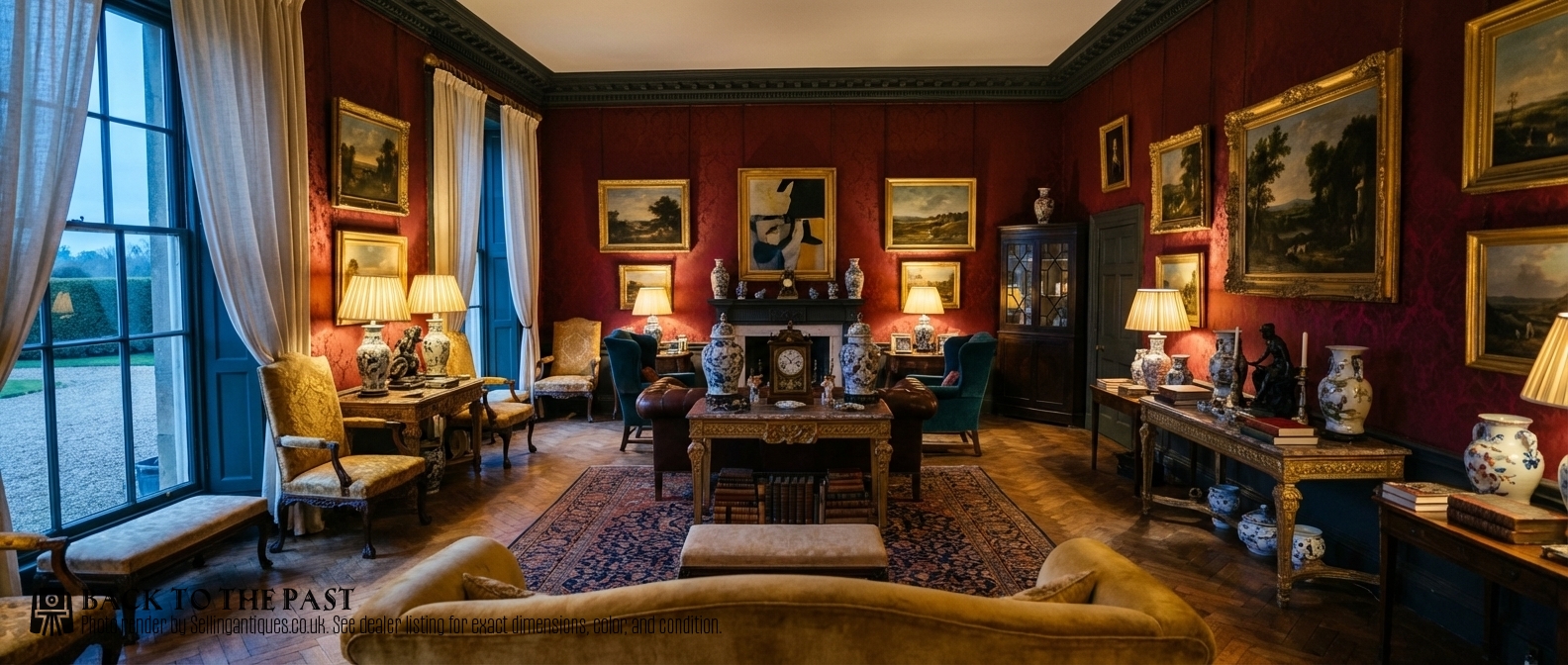
Country Pine Corner Cabinet
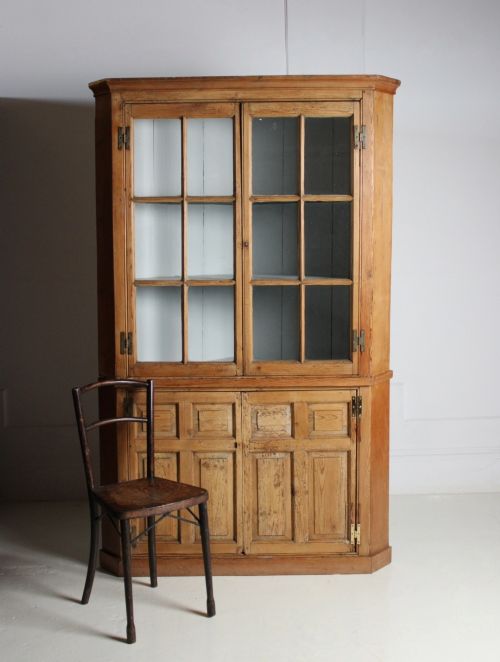
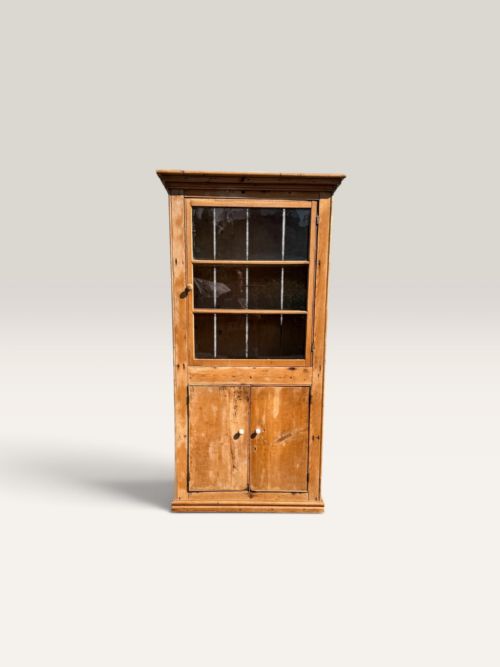
A country pine corner cabinet makes use of neglected room angles by offering fitted storage behind single or double doors. When you search for a country pine corner cabinet, you encounter pieces built for utilitarian rooms rather than grand reception rooms.
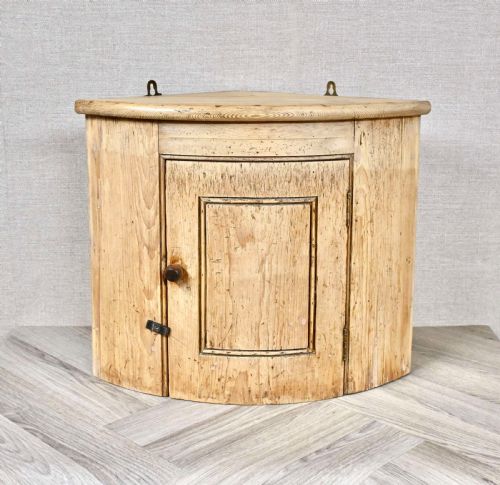
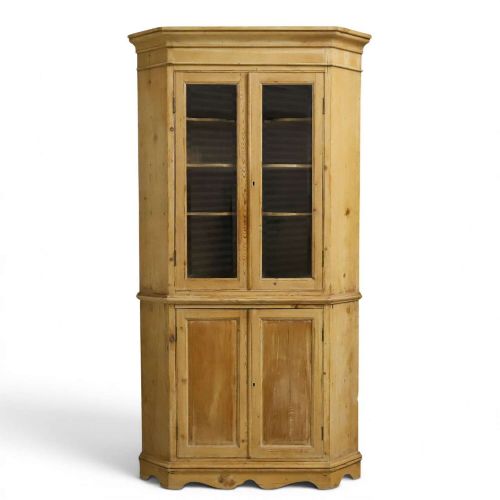
The selections range from tall standing cupboards to wall-hanging formats, often featuring glazed upper sections or solid timber doors. Surviving examples span from the Georgian period and the eighteenth century through to Victorian times and nineteen-ten.
Regional variations include English, Welsh, and Scandinavian pieces, encompassing Gustavian designs and rustic farmhouse styles. Many retain stripped finishes or original painted surfaces inside and out.
Materials and construction methods
Makers built these pieces primarily using solid pine and pitch pine timbers, chosen for availability and workability in domestic workshops. Joinery relied on traditional housing and pegged joints to maintain stability within changing household temperatures.
Iron and brass hardware, including hinges and latches, secure the doors and provide structural reinforcement. Glazing bars hold individual panes of glass within the upper cabinet doors on display-focused pieces.
Several cabinets refuse to stand straight, preferring a slight lean that reminds everyone they survived centuries of shifting farmhouse floors.
Judging quality and proportion
Quality rests upon the balance of the proportions and the cleverness of the corner integration, ensuring the piece sits flush against adjacent walls. Superior examples show thoughtful placement of timber knots and clean lines rather than clumsy, heavy-handed construction.
The survival of original painted finishes or untouched interior paint schemes elevates a piece far above items stripped bare in later decades. Hardware choices, from forged iron to brass fittings, also distinguish utilitarian workshop output from more considered regional furniture.
The Country Pine Corner Cabinet Glossary
- Bow front
- A cabinet front curved outward in a gentle convex sweep. This curved profile softens the hard angles typical of standard corner furniture.
- Gustavian
- The Swedish interpretation of French neoclassical style, characterised by restrained carving and pale painted finishes. It brings a lighter aesthetic to traditional pine furniture.
- Pitch pine
- A dense, resinous variety of pine with pronounced grain patterns. It offers greater durability than standard softwoods.
- Two-part form
- A piece constructed in separate upper and lower sections stacked together. This construction aided transport into domestic spaces.
- Standing corner cupboard
- A tall cabinet resting directly on the floor rather than hanging on a wall. These units provide maximum storage capacity.
Country Pine Corner Cabinet: Frequently Asked Questions
How do I fit a corner cabinet into a modern room?
Measure the wall depth from the exact corner vertex outward along both baseboards to ensure the cabinet flanks fit neatly without overlapping door frames or sockets.
Consider the door swing radius, as angled cupboard doors require unobstructed clearance into the room to open fully.
What is the difference between wall hanging and standing versions?
Wall-hanging models mount directly to wall studs and typically feature portrait fronts or shorter bodies, freeing up floor space underneath for other furniture.
Standing versions rest on the floor, offering greater height, deeper internal shelving, and often a two-part construction for easier moving.
How do I care for stripped pine furniture?
Dust regularly with a dry cloth and occasionally feed the bare timber with a traditional beeswax polish to prevent the wood from drying out.
Keep pine cabinets away from direct heat sources and dramatic humidity shifts to avoid timber movement or splitting.
Are painted interiors original?
Many country pine cabinets retain their original painted interior finishes, which protected the softwood and brightened the display space behind glass doors.
Original pigment layers show characteristic wear and craquelure that modern repainting cannot replicate.