


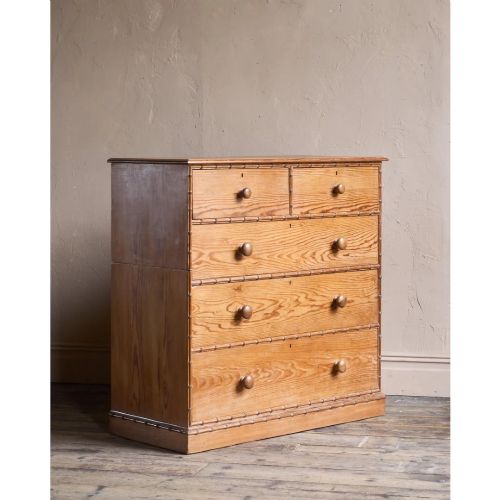
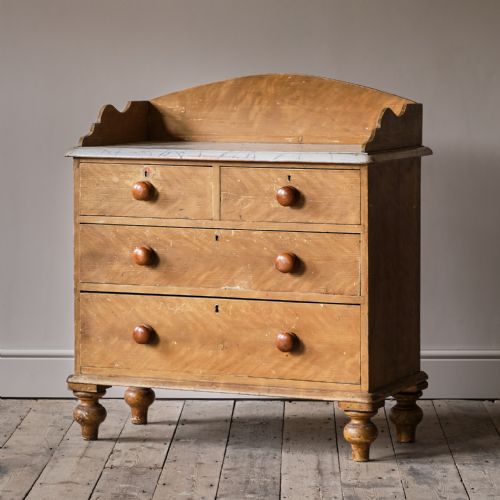
Antique Pine Commode Drawers
These antique pine commode drawers offer sturdy storage, bringing honest country craftsmanship and practical warmth to a bedroom.

Antique Pine Commode Drawers
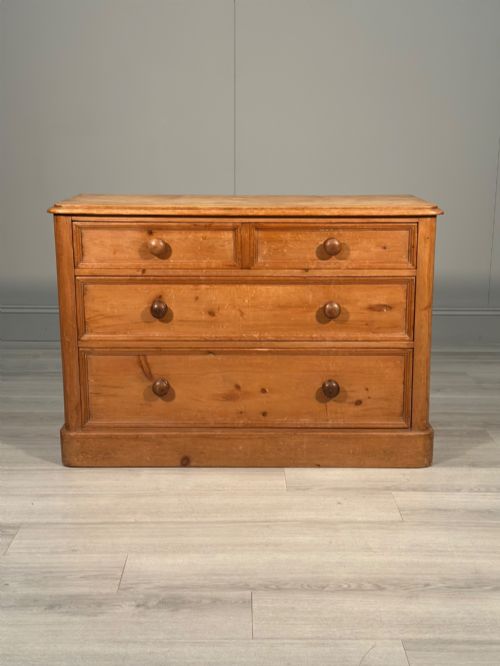
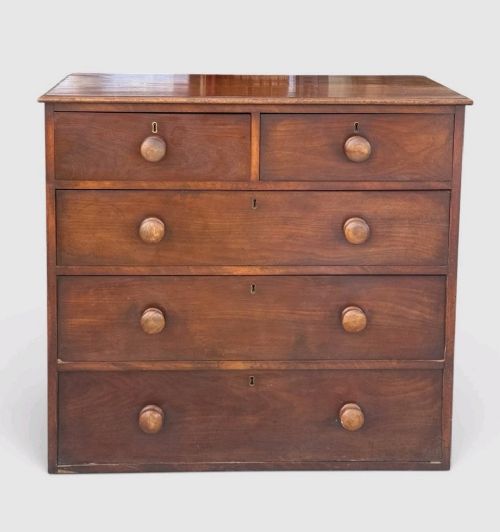
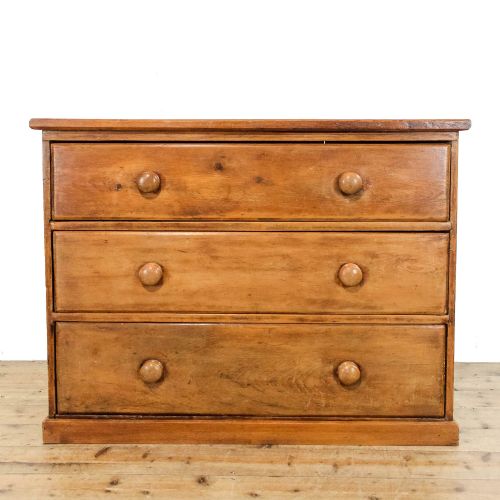
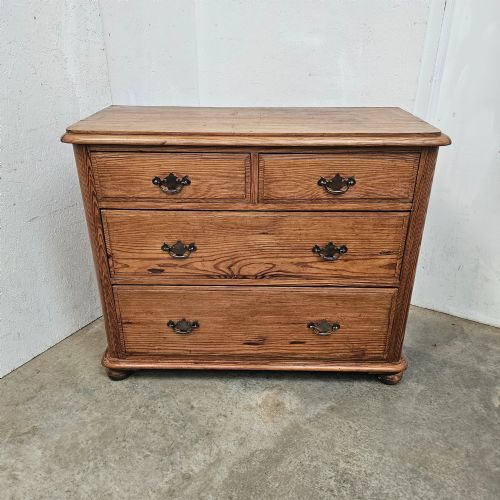
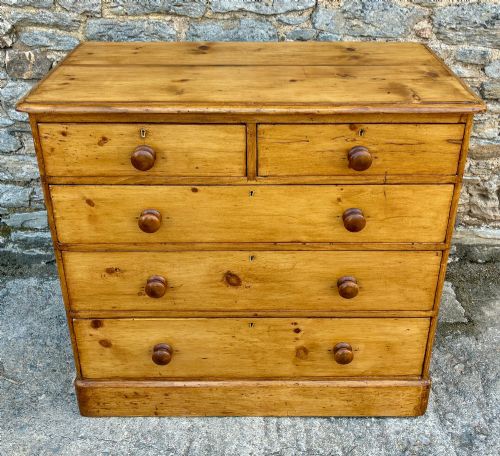
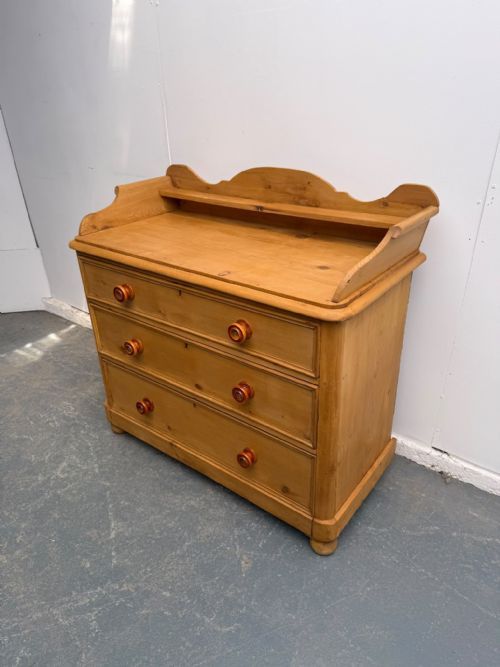
When searching for antique pine commode drawers, buyers encounter substantial chests of drawers spanning the Georgian, Victorian, and Edwardian periods. Most items on this page take the form of traditional drawer chests, occasionally described as commodes or washstand chests.
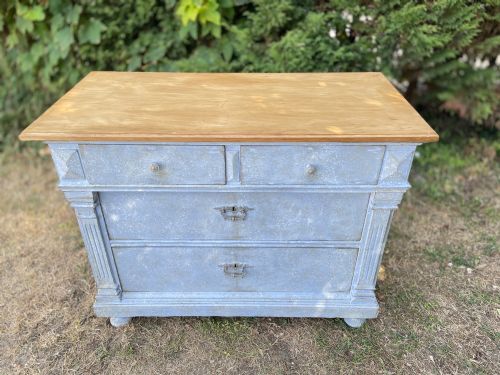
The selection ranges from simple scrubbed and waxed English country pieces to painted continental examples, including Swedish Gustavian and Hungarian variants. Buyers find both tall storage units and low, wide configurations designed for domestic bedrooms.
How they were made
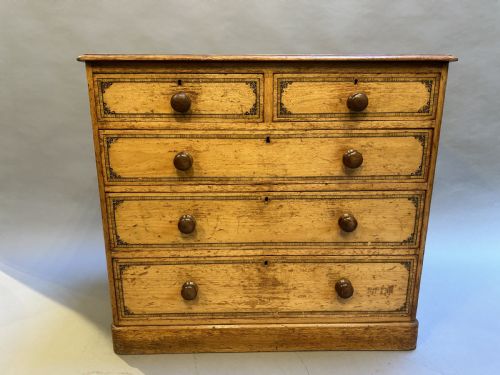
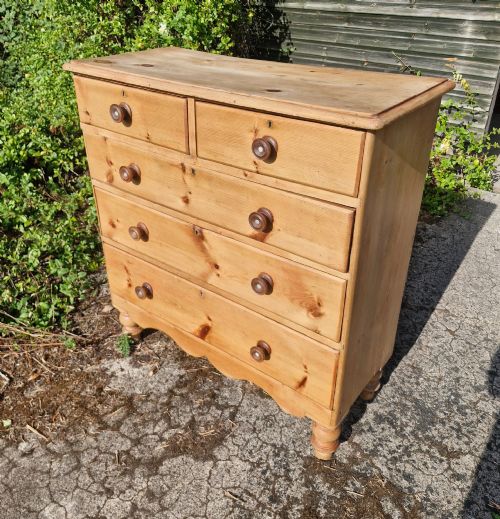
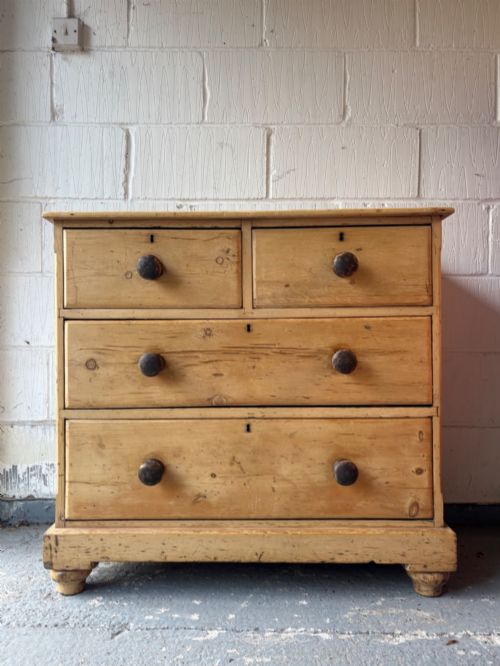
Carpenters built these chests primarily from solid pine and pitch pine, often applying surface treatments such as wax, clear varnish, or original scumble paint. Drawer construction relies on traditional timber joinery, complemented by turned wooden bun handles and occasional metal fittings.
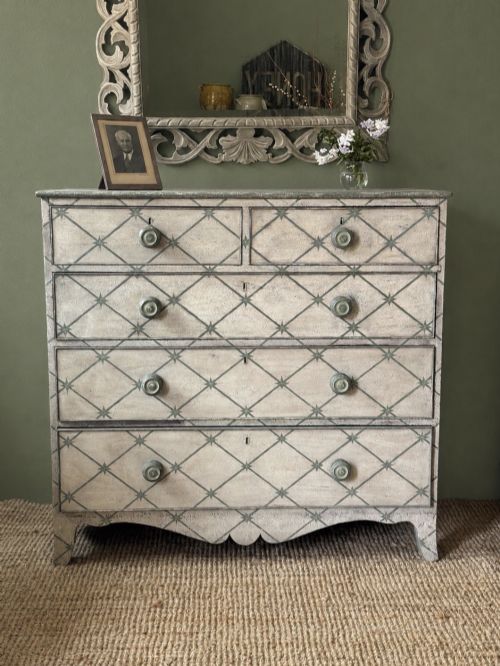
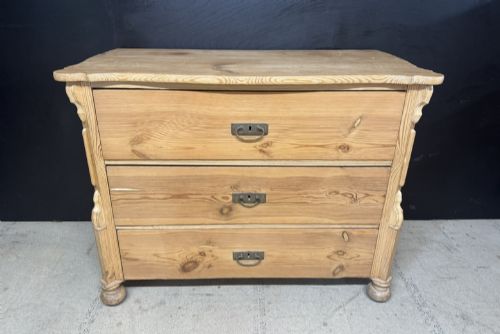
Makers finished many surfaces with decorative paintwork, ranging from plain coats to stencilled details and dark Hungarian finishes. Structural hardware includes brass pulls and ceramic elements, while specialised items feature faux bamboo moulding or diamond-point drawer fronts.
Materials across the inventory include solid pine, pitch pine, original paint, brass hardware, and ceramic details.
What varies in quality
Quality rests heavily on the survival of original surface finishes, such as early paint layers and scumble effects, compared to later stripping or repainting. The crispness of carved details, such as fluted drawer fronts or faux bamboo turning, also distinguishes finer cabinetwork.
Proportion and scale dictate the visual weight of each chest, with harmonious drawer configurations and sound timber movement setting apart superior regional examples from utilitarian workshop output.
Howard and Sons
The Antique Pine Commode Drawers Glossary
- Commode
- A low chest of drawers or cabinet used for bedroom storage. The term often describes continental European pieces alongside standard English chests.
- Scumble paint
- A translucent decorative glaze applied over a base coat to imitate finer grain or create mottled textures. It appears frequently on Victorian and Edwardian pine furniture.
- Pitch pine
- A dense, resinous softwood with pronounced grain patterns utilised for sturdy Victorian furniture. It provides greater durability than standard softwoods.
- Bun handle
- A rounded, protruding wooden knob attached to drawer fronts for pulling. These appear commonly on 19th-century country chests.
- Gustavian
- The Swedish interpretation of French neoclassical design, characterised by pale painted finishes and restrained classical ornamentation.
Antique Pine Commode Drawers: Frequently Asked Questions
What is scumble paint?
Scumble paint is a decorative surface finish created by dragging or wiping a translucent glaze over a lighter base colour. This technique creates mottled or simulated wood grain effects popular during the late 19th century.
Finding a chest with its original scumble paint intact preserves the intended aesthetic of the period. These surfaces provide valuable evidence of historical decoration methods.
Are painted pine chests English?
Painted pine chests originate from both British workshops and various continental European regions, particularly Sweden, France, and Hungary. English country pieces often feature scrubbed wood or dark wax finishes.
Continental examples frequently display pale Gustavian palettes or distinct regional paint colours. Origin influences the decorative motifs and overall proportion of the cabinetwork.
How do I care for waxed pine?
Waxed pine benefits from occasional application of quality beeswax to nourish the timber and maintain a soft sheen. Keeping the wood away from direct heat sources prevents the panels from drying out or splitting.
Routine dusting with a dry cloth protects the surface finish. Avoid harsh chemical cleaners that strip the historical wax layer.