



Antique Pill Pot
These small antique pill pot containers kept remedies and personal items close at hand, offering neat craftsmanship in miniature silver, glass and tortoiseshell forms.
Antique Pill Pot
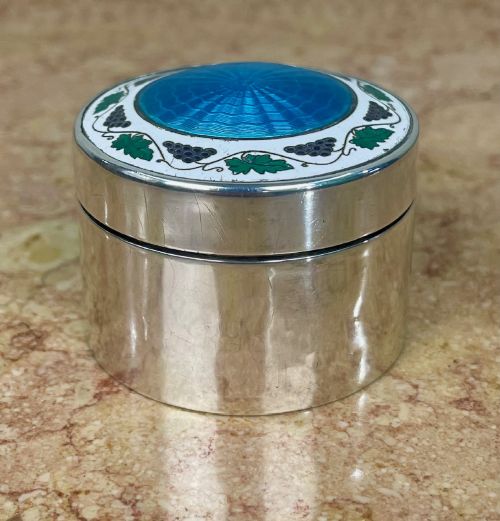
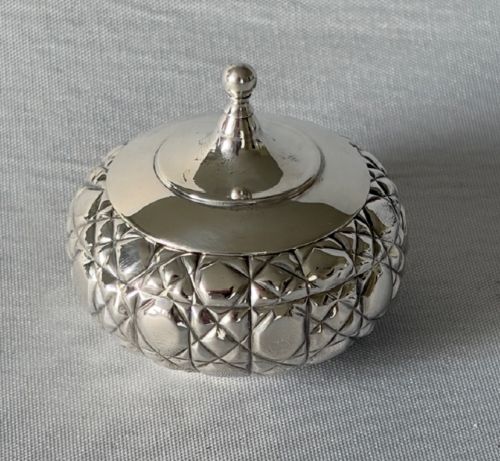
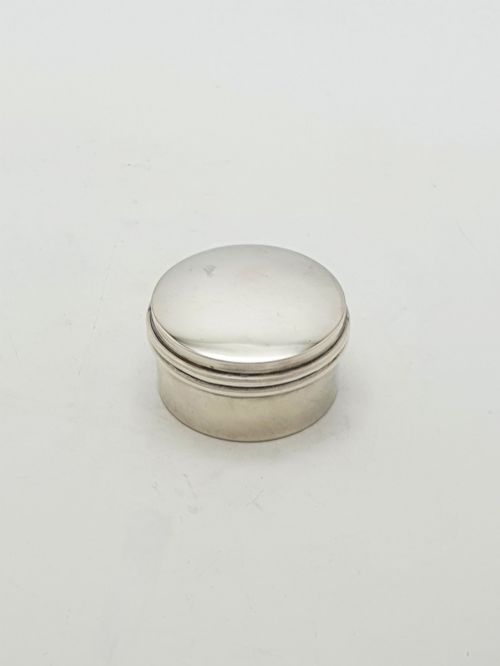
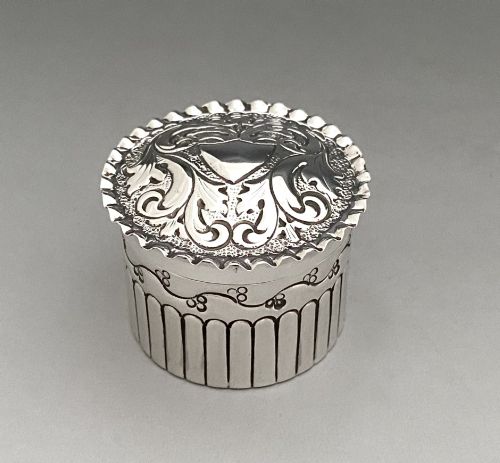
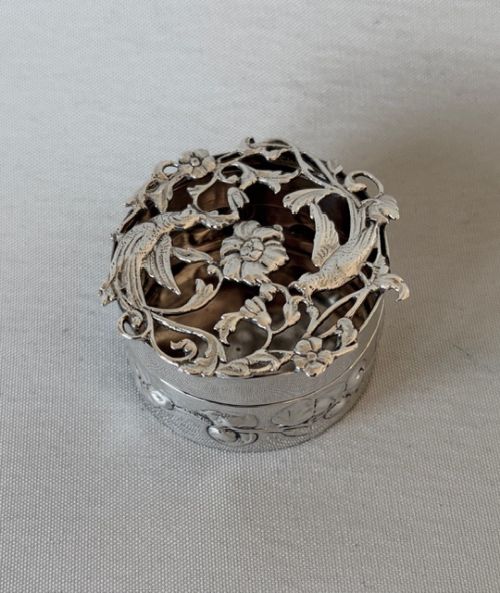
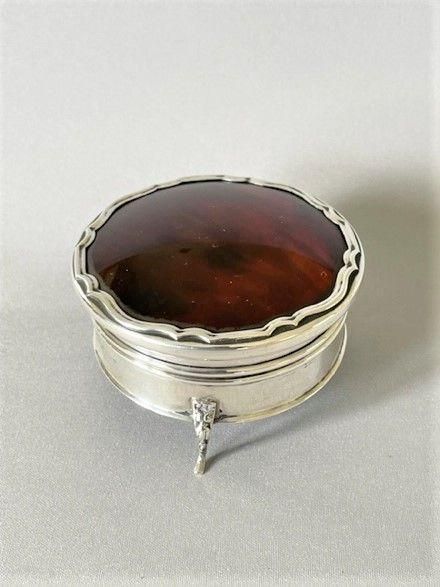
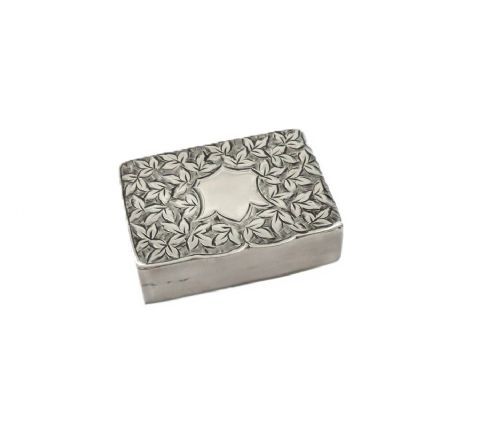
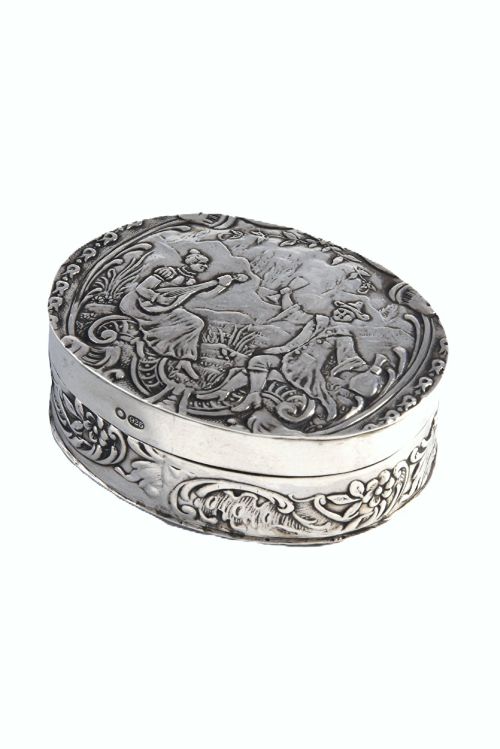
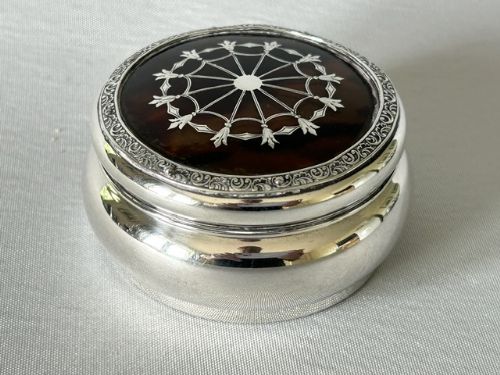
An antique pill pot is a diminutive container designed to hold medicines, powders, or small personal items, appearing frequently on this page in sterling silver, glass, and tortoiseshell. Buyers encounter formats spanning the 18th century through the Edwardian period, with silver examples from the Victorian and George V eras dominating the selection. These pocket-sized pieces often double as snuff boxes, patch boxes, or trinket containers.
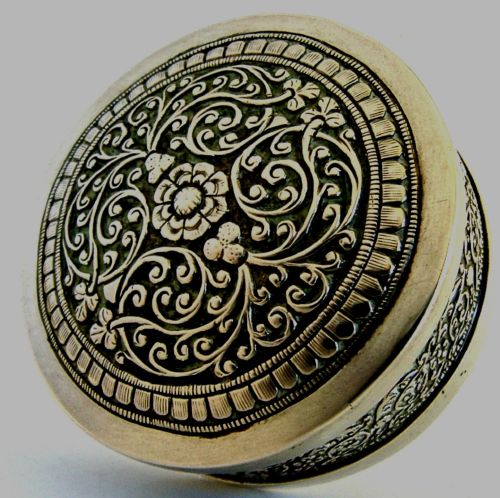
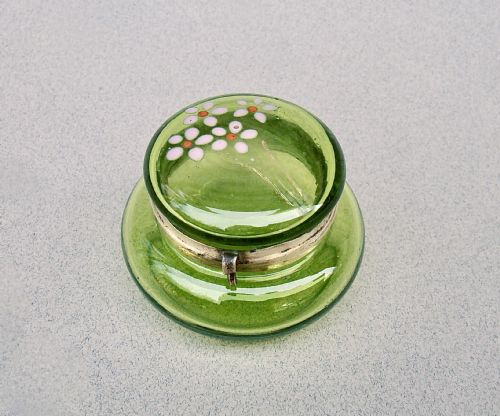
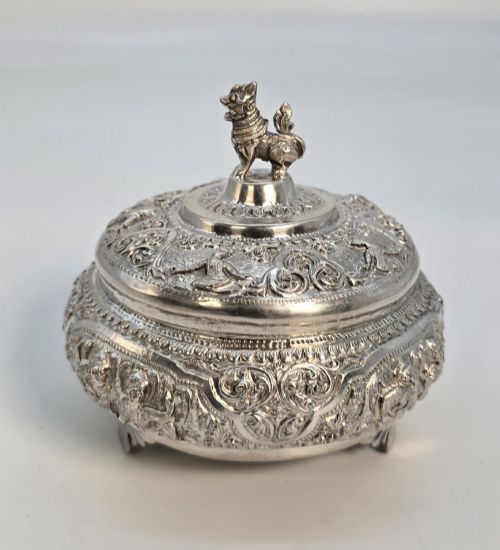
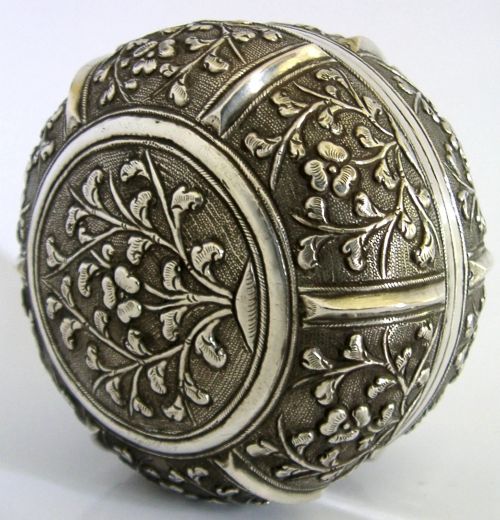
The assortment includes Georgian inlaid wooden items alongside intricate Asian export silver and enamelled glass vessels. Formats vary from simple cylindrical jars to heart-shaped boxes and engine-turned designs. Such variety reflects the diverse daily requirements of past owners who needed portable storage for personal items.
Materials and construction
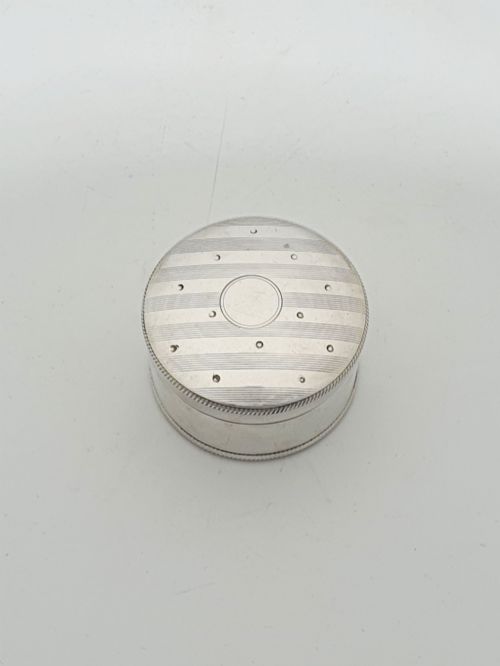
Makers shaped these items using sterling silver, brass, glass, and tortoiseshell, frequently employing engine-turning or guilloche enamel to decorate the metal surfaces. Silversmiths hammered, stamped, and chased the precious metal to create tight-fitting lids and hinged compartments. Wood and boxwood containers rely on fine turning and stacking techniques.
Detail work involves pique inlay, hand-painted enamel scenes, and spot-hammered textures. These construction methods ensure that despite their diminutive scale, the vessels maintain structural integrity and secure closures for their contents.
Antique Pill Pot Retail Price Guide 2026
Typical asking prices for pill pot among the pieces listed under this phrase on Sellingantiques today, from the lower quarter to the upper quarter. They describe what is for sale here now, not the wider market.
A brass container sports a bear finial, standing guard over its tiny contents.
Assessing quality in miniature vessels
Quality rests in the crispness of the engine-turning, the smooth action of the hinges, and the clarity of any enamelling or pique work. Superior pieces display precise maker marks and balanced proportions, whereas simpler items rely entirely on plain sheet metal. The weight of the silver and the tightness of the lid closure separate standard production wares from finer workshop commissions.
Decoration also dictates distinction, as hand-painted Bilston enamel or intricate tortoiseshell demands higher skill than basic stamped brass. The integration of materials, such as glass fitted cleanly into silver mounts, demonstrates the maker's precision.
Asprey & Co.·Nathan & Hayes
The Antique Pill Pot Glossary
- Engine turned
- A decorative pattern of geometric lines cut mechanically into metal. This technique creates a textured surface that catches the light.
- Guilloche enamel
- Translucent enamel applied over an engine-turned metal background. It allows the engraved pattern to show through the glossy coloured surface.
- Pique work
- Tiny points of gold or silver inlaid into tortoiseshell or ivory. Artisans arrange these metallic pins to form delicate decorative motifs.
- Patch box
- A small container used for holding cosmetic beauty patches worn on the face. These pieces often feature hinged mirrors inside the lid.
- Bilston enamel
- Enamel painted on copper originating from workshops in the English Midlands. These small boxes date primarily to the 18th century.
Antique Pill Pot: Frequently Asked Questions
What were antique pill pots used for?
These small containers held personal medicines, lozenges, or powders for daily use away from home. Their portable nature allowed individuals to carry remedies discreetly in a pocket or reticule.
Over time, many owners repurposed them to store stamps, pins, or other tiny keepsakes. Their secure lids kept the contents safe during travel.
How do I clean silver pill boxes?
Silver pieces require gentle dusting with a soft cloth to maintain their natural finish. Aggressive polishing removes the accumulated character and thin hallmarks.
Avoid getting moisture into hinged mechanisms or behind enamel panels. Professional care is best for fragile glass or tortoiseshell combinations.
How do I date an antique pill pot?
Hallmarks on silver items provide specific assay office symbols and date letters for exact identification. Comparing the style of decoration, such as Art Deco geometric lines or Victorian floral chasing, helps narrow the period.
Material choices like Bilston enamel point directly to the 18th century. Construction techniques also reveal the manufacturing era.
Are these pots safe for modern use?
While physical structures remain intact, historic metals and interior linings may not meet modern hygiene standards for storing consumable items. They suit display or the storage of non-medical trinkets.
Gentle handling preserves the fragile enamel and delicate hinges during everyday interaction.