

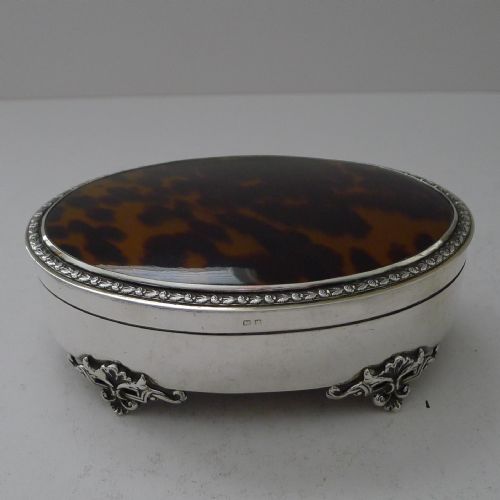


Victorian Silver Vanity Case
A victorian silver vanity case offers fitted compartments and gleaming mounts for travel, combining practicality with nineteenth-century elegance.
Victorian Silver Vanity Case
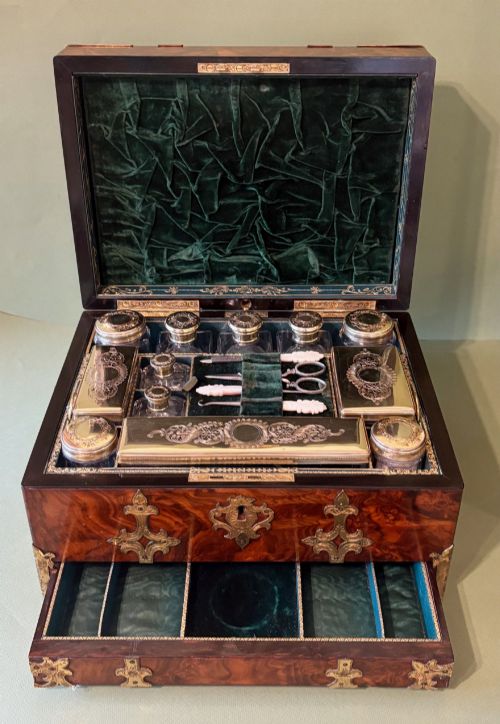
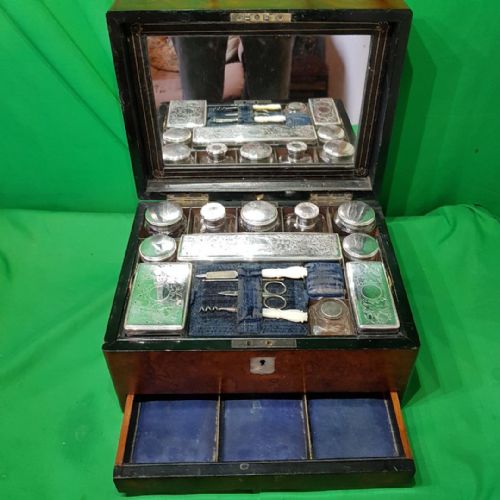
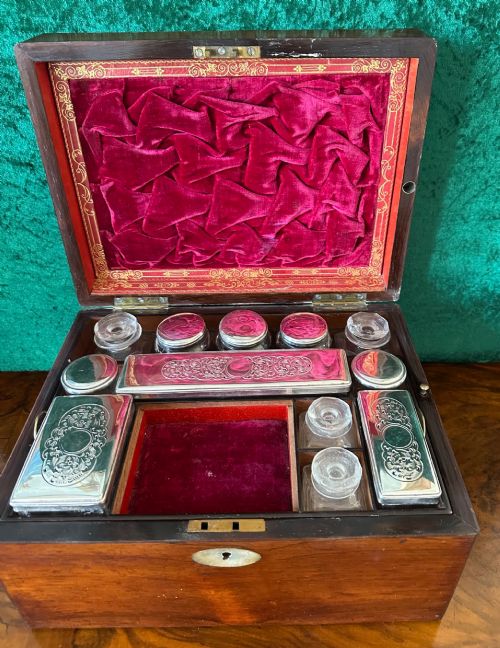
A victorian silver vanity case encompasses portable dressing boxes, travelling sets, and fitted jewellery boxes housing precious grooming implements. These pieces range from compact scent bottle cases to substantial burr walnut and coromandel boxes equipped with glass and silver accessories.
Most examples encountered here date from the nineteenth century, including Victorian and Edwardian iterations alongside French Belle Epoque designs. Buyers find fitted interiors lined with velvet, silk, and leather designed to secure individual items during transit.
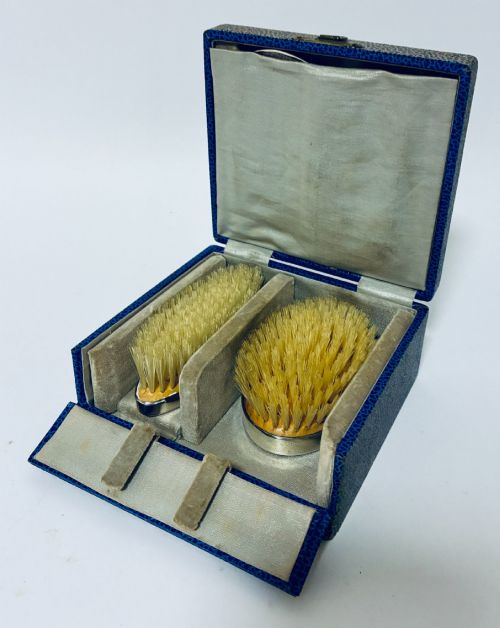
Forms extend to scent bottles, card cases, and manicure sets, often retaining their original fitted compartments. The combination of sterling silver fittings with fine hardwoods defines the typical survival from this era.
Materials and construction
Craftsmen built these containers using robust timber carcasses of burr walnut, coromandel, and rosewood, frequently reinforced with brass binding. Interiors utilised tactile linings of velvet, silk, and leather to cushion delicate glass and silver implements.
Metal components combined solid sterling silver and silver gilt with cut glass, opaline glass, and occasionally tortoiseshell. Engraving, engine-turned guilloche designs, and fitted bezels demonstrated precise metalsmithing skills.
Victorian Silver Vanity Case Retail Price Guide 2026
Typical asking prices for victorian silver vanity case among the pieces listed under this phrase on Sellingantiques today, from the lower quarter to the upper quarter. They describe what is for sale here now, not the wider market.
Secret compartments occasionally emerge beneath false bottoms, once intended for private letters or hidden currency.
Assessing quality
Distinction across the range rests upon the completeness of the internal fittings and the caliber of the timber. Fully kitted sets retaining their original matching crystal cut bottles and silver instruments command greater regard than altered or partially filled boxes.
The refinement of the exterior joinery, such as precise brass inlay and superior burr walnut figuring, separates standard production from exceptional examples. Superior execution extends to the weight of the sterling silver mounts and the intricacy of engine-turned surface patterns.
Horton And Allday·Jane Brownett Alexander Jones·Asprey·Parkins And Gotto
The Victorian Silver Vanity Case Glossary
- Guilloche
- An ornamental pattern produced by a geometric lathe, creating precise repeating waves or lines on metal surfaces. This technique frequently appears on silver-gilt lids and boxes.
- Coromandel
- A dense, dark exotic hardwood prized for its rich contrasting grain, used extensively for luxury nineteenth-century travelling boxes. It provides a durable and handsome exterior.
- Sterling silver
- An alloy of silver containing ninety-two point five percent pure silver and seven point five percent other metals, usually copper. It serves as the standard material for the vanity fittings.
- Opaline glass
- An opaque or translucent pale glass popular in the nineteenth century for decorative scent bottles and jars. It offers a smooth, milky appearance that complements silver mounts.
- Silver gilt
- Sterling silver that has been coated with a thin layer of gold on its surface. This treatment provides a warm golden sheen to interior fittings and boxes.
Victorian Silver Vanity Case: Frequently Asked Questions
What items belong inside a vanity case?
A complete vanity case typically contains glass scent bottles, small jars, and manicure instruments fashioned from silver and steel. Many also feature compartments for jewellery, cards, and small writing accessories.
These fitted implements were secured within velvet or silk-lined trays designed to keep personal grooming items organised during travel.
How do I care for wood and silver?
Protect wooden exteriors from direct sunlight and sudden temperature shifts to prevent warping or splitting. Apply specialist wax sparingly to maintain the finish of burr walnut or coromandel.
Polish silver mounts gently with a soft cloth, avoiding abrasive cleaners that might damage surrounding fabric linings or glass surfaces.
Are interior linings usually original?
Many surviving pieces retain their original silk, velvet, or leather linings, though wear from use is common. Examining the stitching and adhesive remnants helps determine if the interior fabric dates from the period of manufacture.
Original fitted interiors significantly enhance the character and completeness of a travelling box.
How are Victorian pieces dated?
Dating relies on hallmarks stamped onto the silver components, registry marks, and stylistic clues within the cabinetwork. Maker marks and town assay stamps provide specific chronological reference points for the metal mounts.
Cabinet construction methods and lock types also offer reliable indicators of nineteenth-century manufacturing periods.