


Antique Pier Glass Mirror
An antique pier glass mirror brings architectural light and vertical proportion to a room, historically hung on the narrow wall between windows.
Antique Pier Glass Mirror
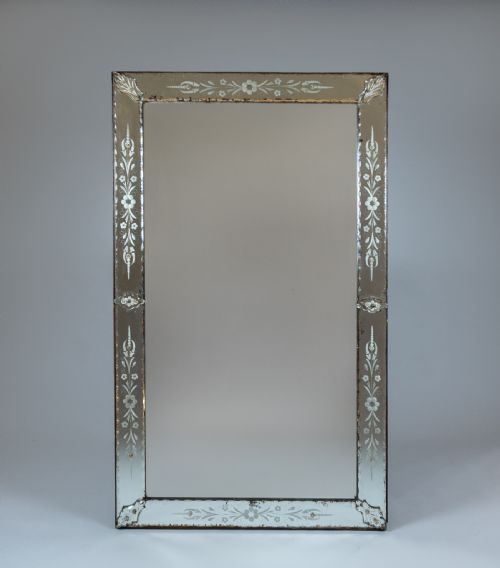
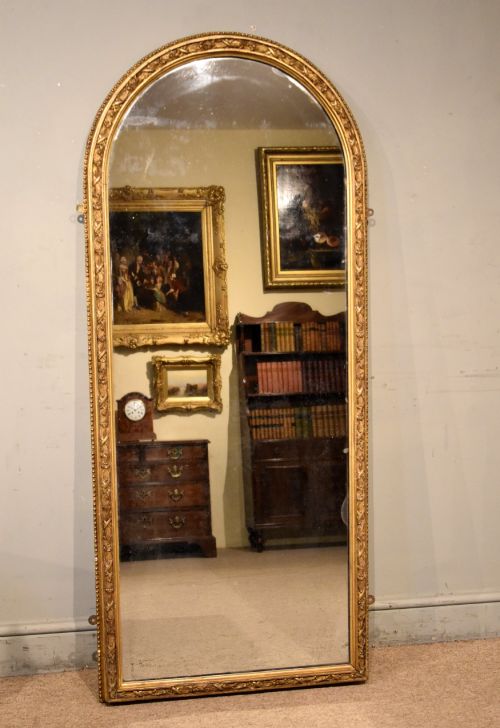
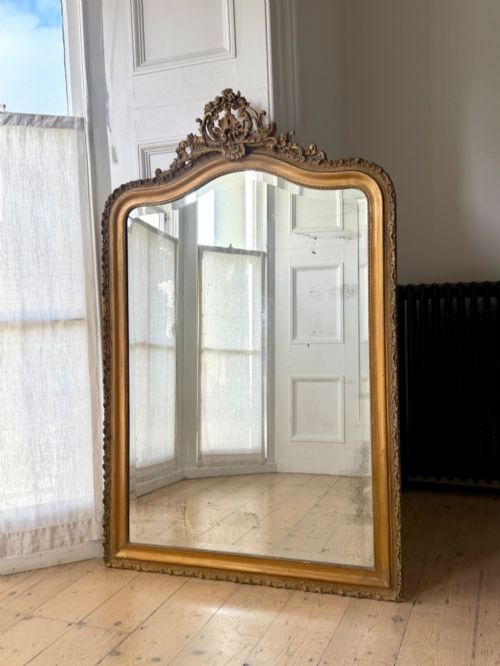
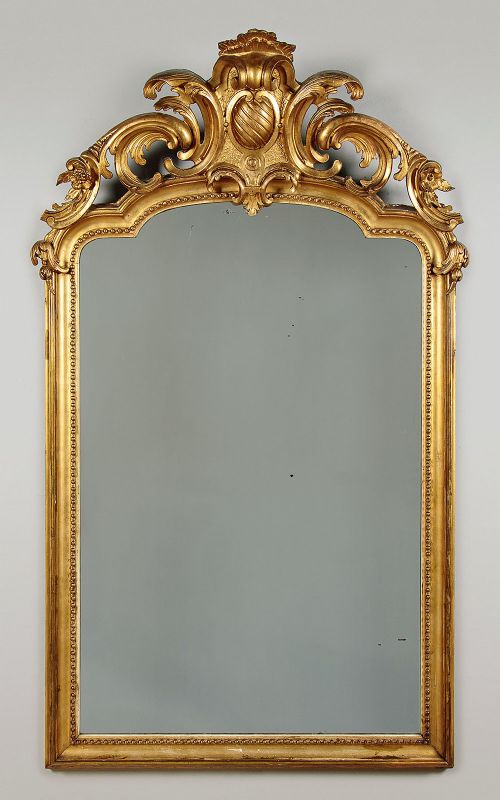
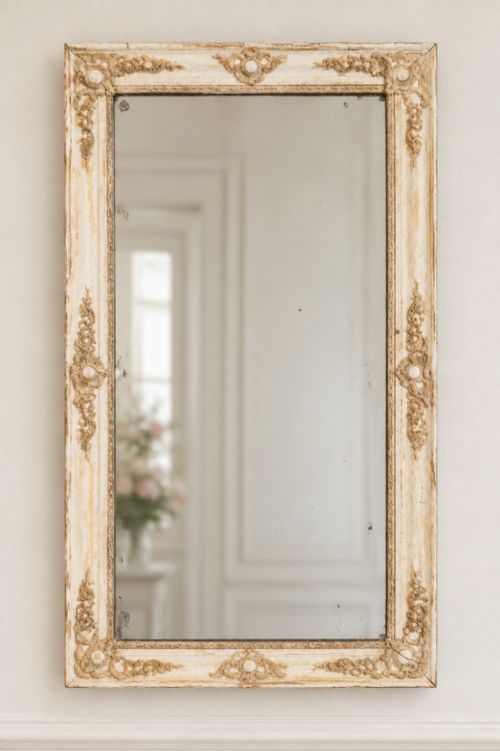
An antique pier glass mirror stands as a tall, vertical looking glass designed specifically to occupy the architectural wall space between two windows. These pieces originate across the eighteenth and nineteenth centuries, spanning Georgian, Regency, and Victorian periods.
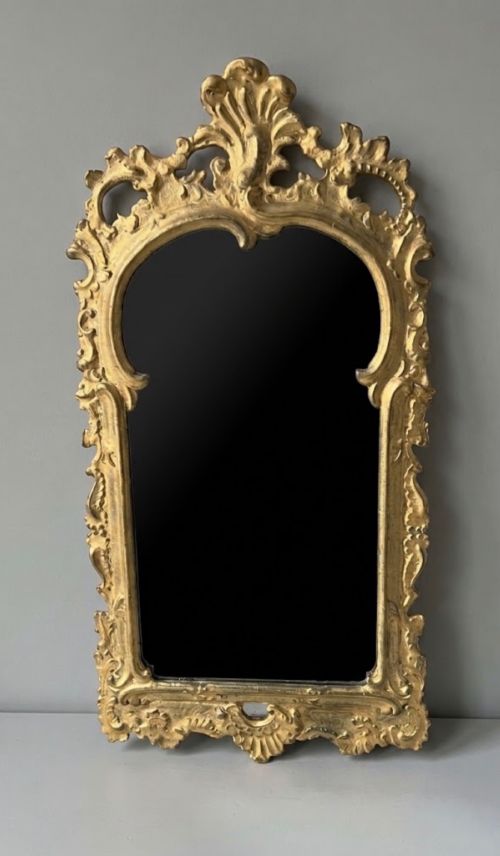
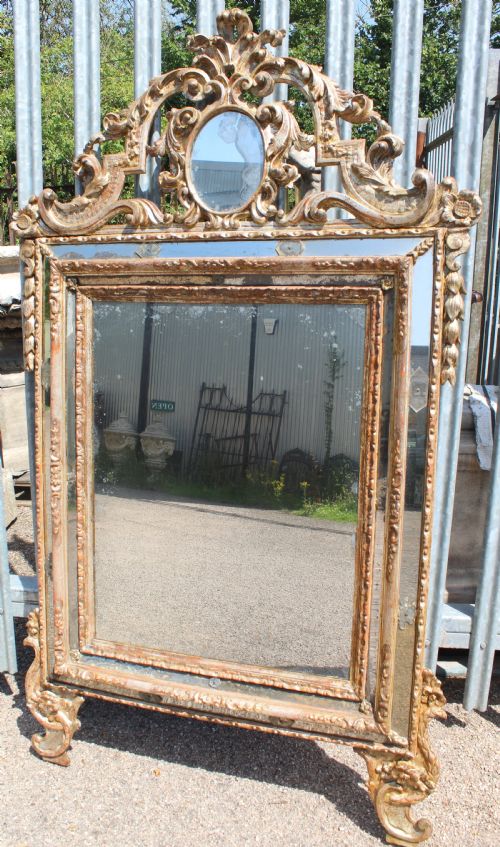
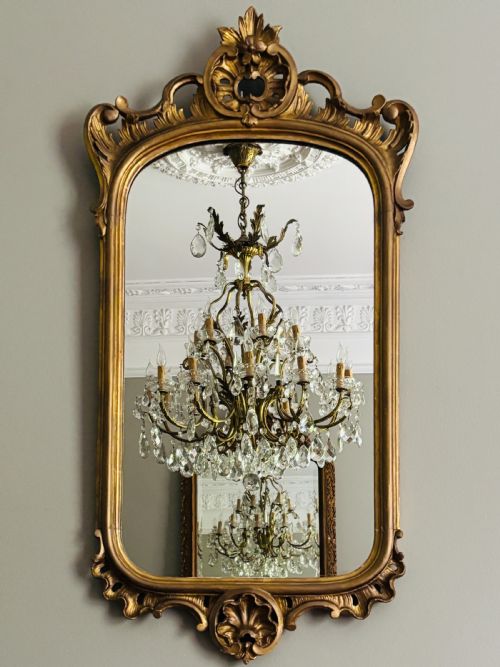
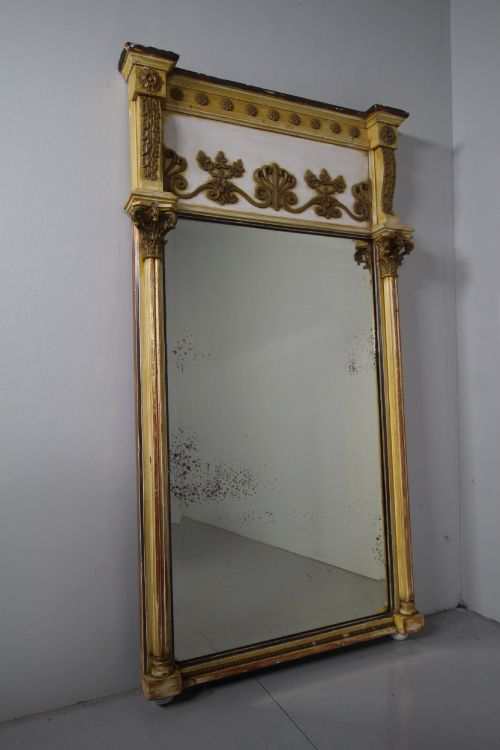
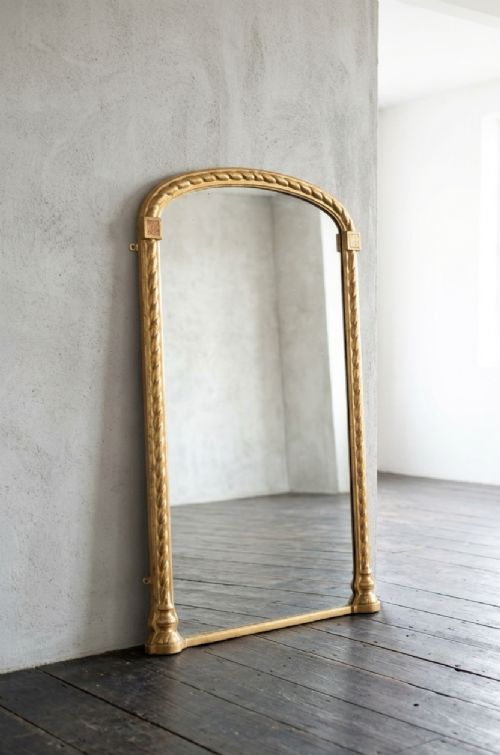
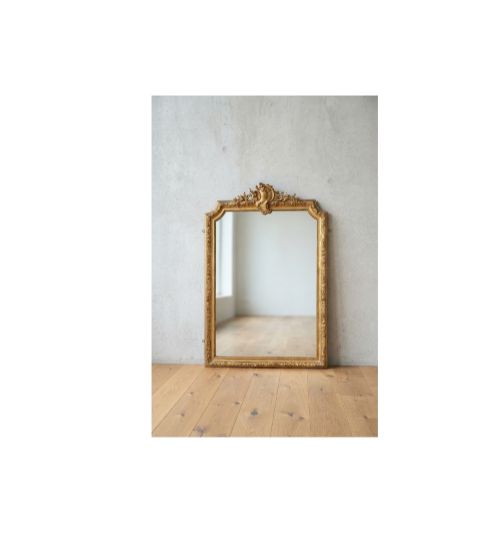
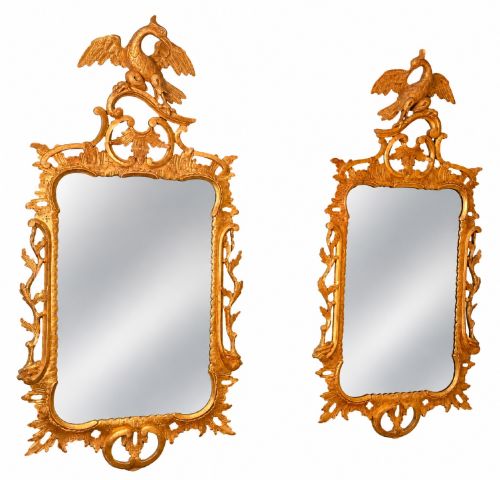
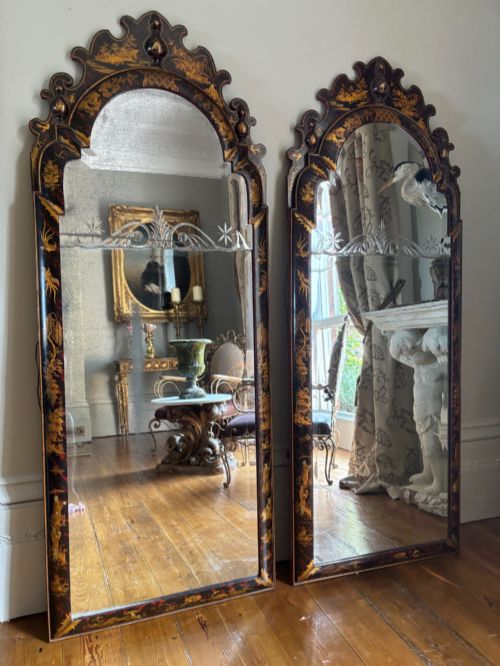
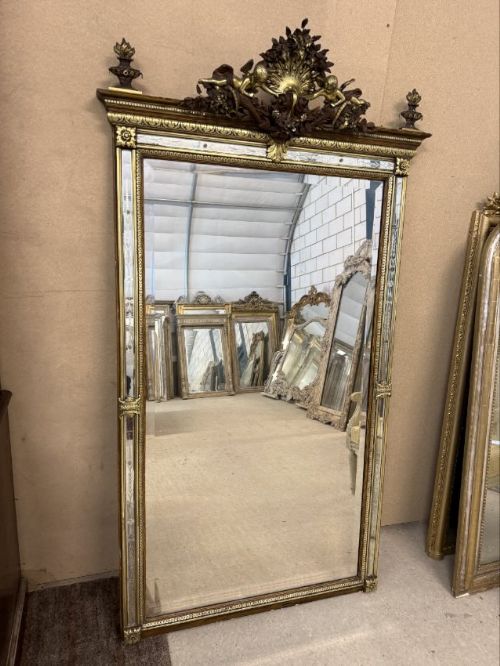
The versions most commonly met on this page combine giltwood frames with original mirror plates, often accompanied by console tables or painted panels. Surviving examples reflect diverse stylistic revivals, including Rococo and Queen Anne forms alongside French trumeau designs.
How they were made
Craftsmen built structural frames using timbers such as mahogany, walnut, and plain wood, which provided the necessary stability for hanging heavy glass plates. Carpenters then applied layers of gesso to carved wooden elements in order to create smooth surfaces for subsequent gilding.
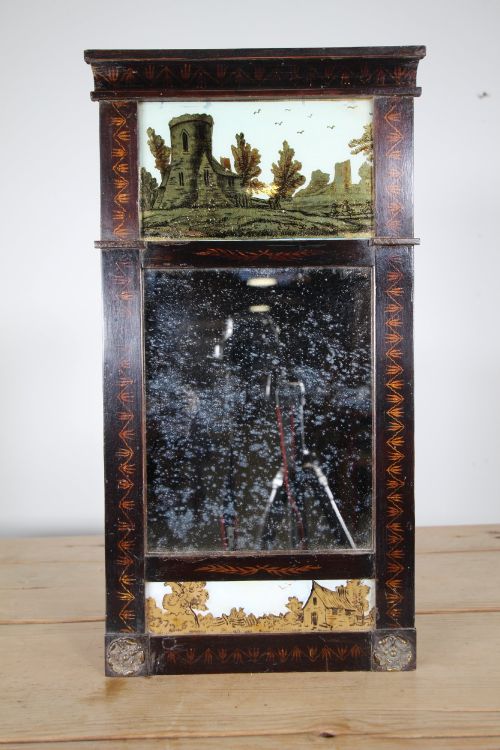
Giltwood finishes relied on thin gold leaf applied over red bole, while glass production utilised mercury techniques that produced distinct ageing and foxing patterns over time. Specialised panels incorporate verre eglomise or oil paintings into the upper sections of the mirror frames.
Antique Pier Glass Mirror Retail Price Guide 2026
Typical asking prices for pier glass mirror among the pieces listed under this phrase on Sellingantiques today, from the lower quarter to the upper quarter. They describe what is for sale here now, not the wider market.
Several mirrors include painted pastoral scenes and exotic birds peering down from gilt cornices.
What varies in quality
The distinction between tiers rests upon the crispness of the original carved gesso and the depth of the gilding. Frames displaying deeply undercut foliage, lion masks, or figurative details demonstrate superior sculptural competence by the maker.
The condition and authenticity of the mirror plate dictate the integrity of the piece, with original mercury glass and untouched verre eglomise panels commanding greater regard. Proportions that harmonise vertical height with architectural framing likewise separate standard items from exceptional survivors.
Gillows Of Lancaster
The Antique Pier Glass Mirror Glossary
- Pier glass
- A tall mirror designed to hang on the narrow wall space between windows. These mirrors frequently stood above matching console tables.
- Gesso
- A plaster-like mixture applied to wood frames and carved into relief ornament before gilding. This technique allows for sharp decorative details.
- Verre eglomise
- A process of cold painting and gilding on the reverse side of glass panels. It produces a reflective, metallic decorative border or picture.
- Mercury glass
- A type of mirror plate made by applying a tin and mercury amalgam behind glass. It creates a dark, mottled reflection as it ages.
- Trumeau
- A decorative wall panel incorporating a painted scene or oil painting above a mirror plate. These pieces originate mainly from French interiors.
Antique Pier Glass Mirror: Frequently Asked Questions
Where should I hang an antique pier glass mirror?
These mirrors suit narrow wall spaces, traditionally positioned between two windows to reflect natural light back into a room. They also function effectively above mantlepieces or console tables.
Because of their vertical proportions, they draw the eye upward and create a sense of increased ceiling height in reception rooms or hallways.
What is mercury glass in an old mirror?
Mercury glass refers to mirror plates produced using a liquid amalgam of tin and mercury applied to the rear of the glass sheet. This historical method creates a characteristic deep reflection.
Over the decades, the backing degrades naturally, resulting in dark spots and a mottled foxed appearance that collectors value for authenticity.
How do I identify a Regency pier mirror?
Regency pier mirrors frequently feature classical motifs such as ball ornamentation along the cornice, verre eglomise top panels, and giltwood frames. The proportions tend to be strictly rectangular and architecturally composed.
Maker details sometimes appear on the reverse, while stylistic cues point to the early nineteenth century aesthetic of revivalism.
Can I clean the original mirror plate?
Original mirror plates require gentle maintenance using a soft, dry cloth to remove dust without disturbing the delicate silvering or foxed surface. Avoid modern chemical glass cleaners entirely.
Moisture can seep behind the glass plate and accelerate the degradation of the historical backing materials.