
Antique Pier Cupboard
An antique pier cupboard is a slender display piece designed for narrow wall spaces, offering refined timber surfaces and glazed storage.
Antique Pier Cupboard
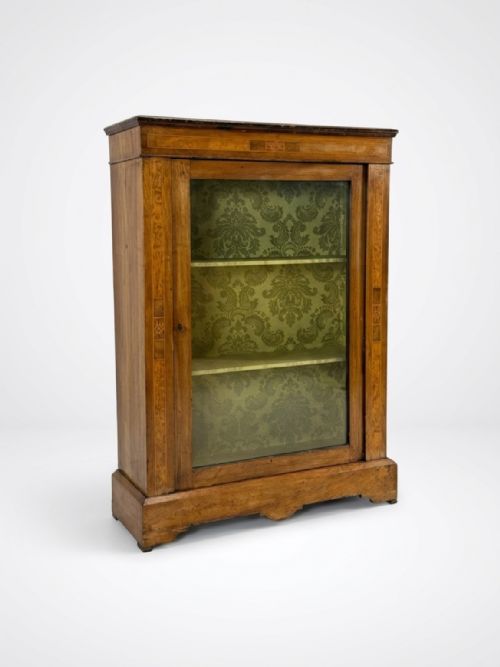
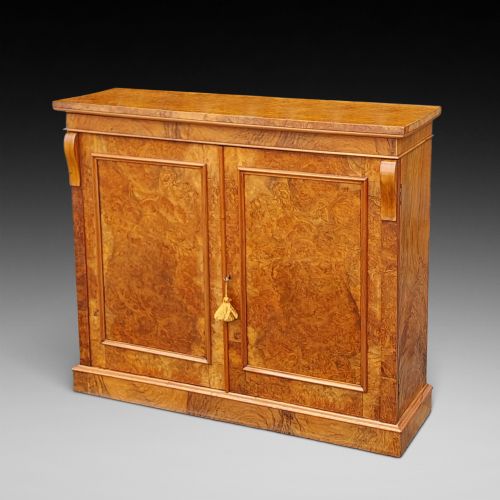
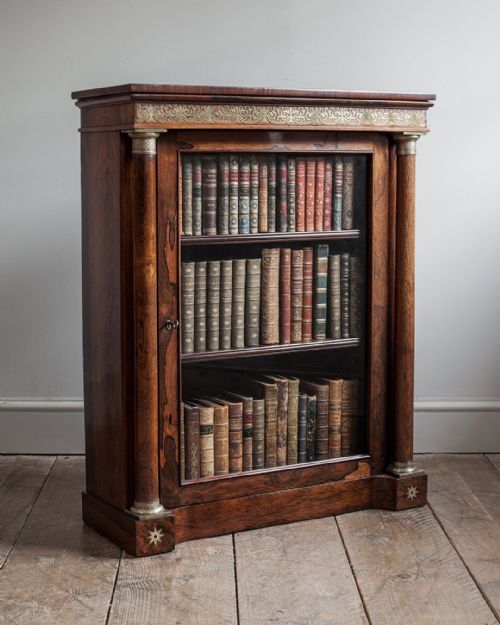
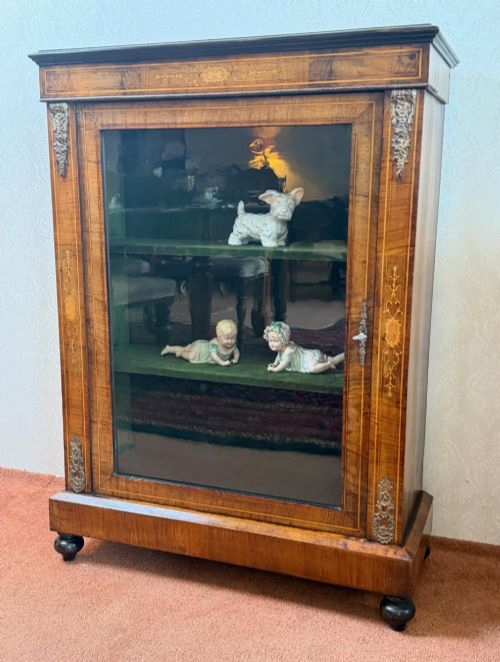
An antique pier cupboard is a narrow display cabinet historically placed against the wall space between windows, known as the pier. These pieces appear predominantly in nineteenth-century forms, spanning Victorian and Regency periods.
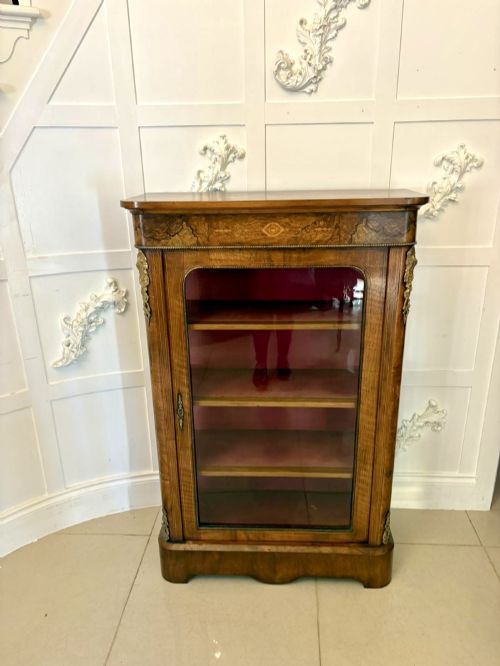
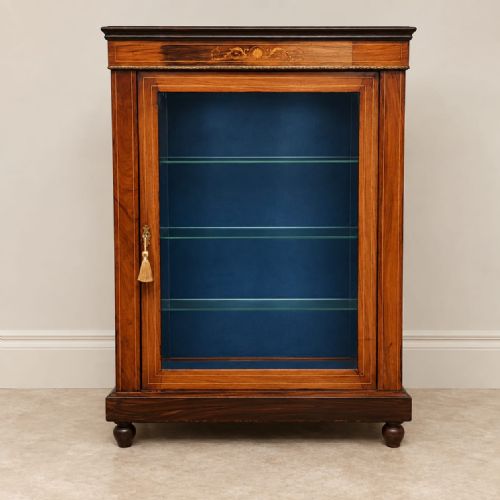
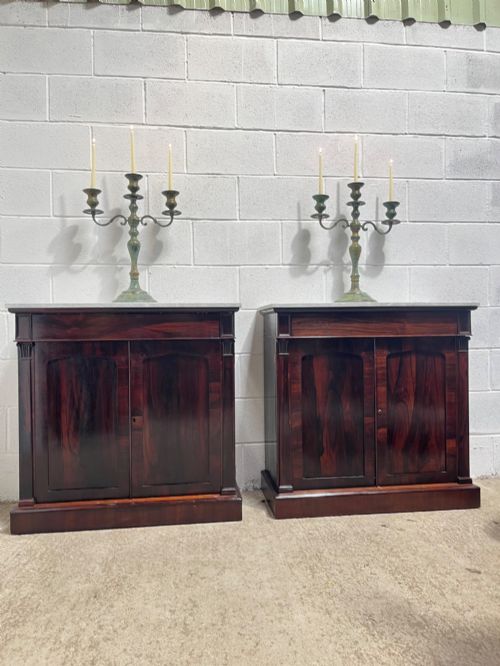
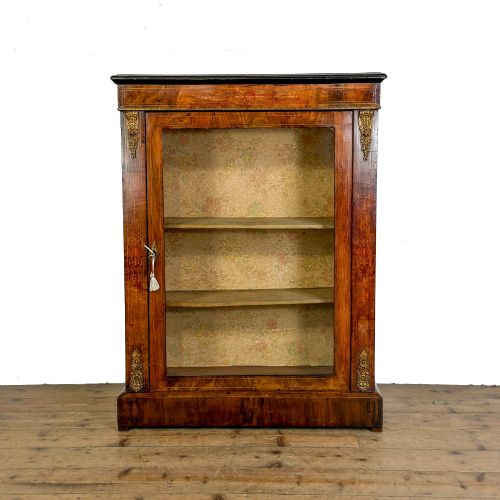
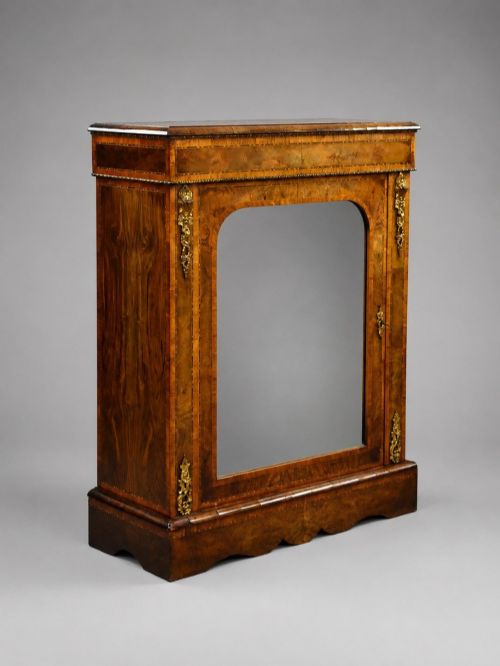
The objects combine upright proportions with glazed doors or open shelving, serving originally to display ceramics and books. Surviving examples often emerge in walnut, rosewood, and mahogany.
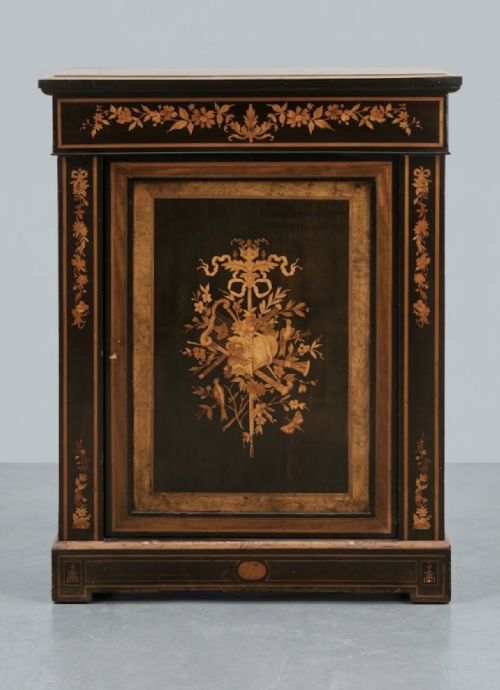
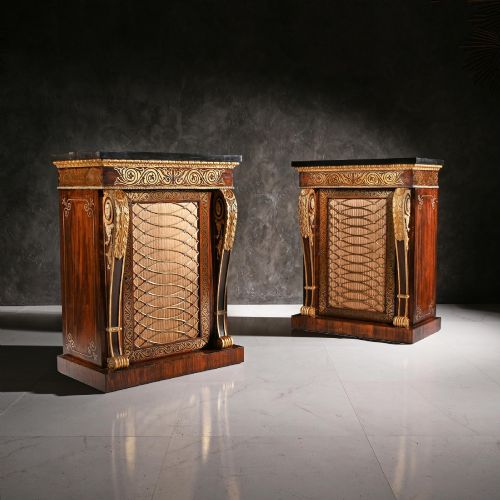
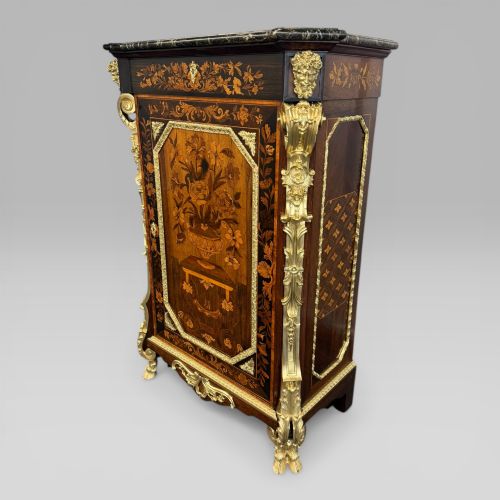
Cabinets on this page encompass French revival styles, Napoleon III ebonised pieces, and English marquetry work. The dominant profile is tall and shallow, engineered specifically for compact architectural gaps.
How they were made
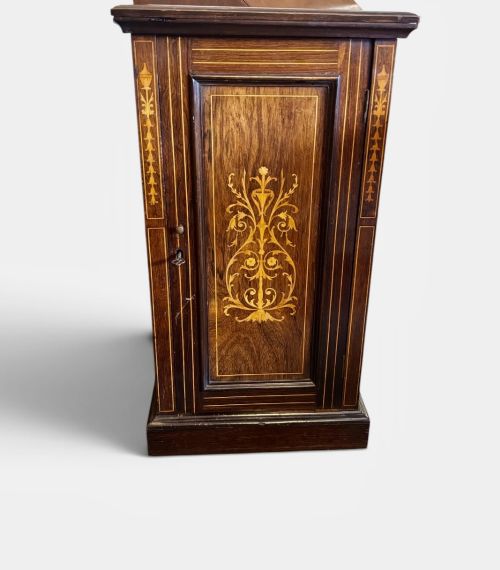
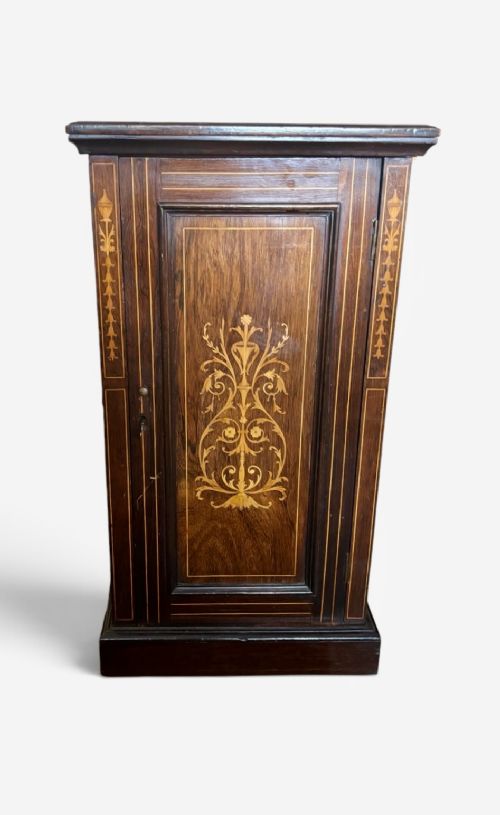
Cabinet makers utilised dense timber foundations of walnut, rosewood, and mahogany, applying fine veneers over carcases to achieve rich surface grain. Marquetry inlay in satinwood, brass, and pewter decorates the principal door panels and friezes.
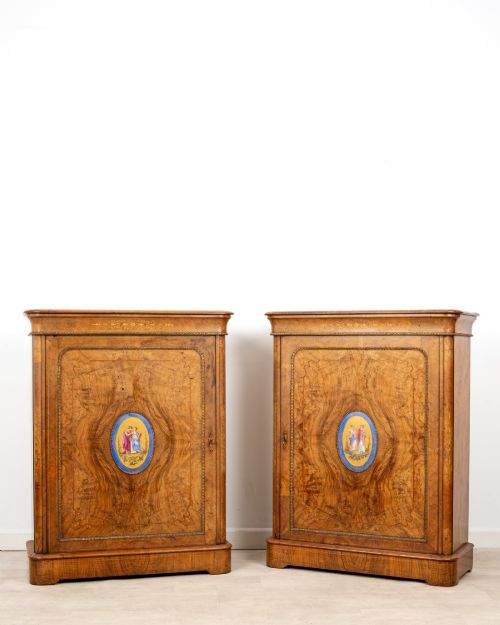
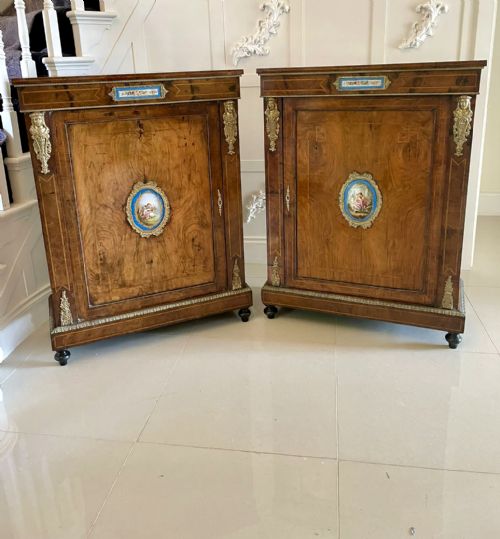
Mounts in cast ormolu and brass edge the doors, shelving supports, and plinths, while porcelain plaques from Sevres style factories frequently accent the central facade. Marble tops appear on French variants, adding weight and a cool tactile contrast to the polished wood.
Some nineteenth-century cabinets hide their porcelain plaques so securely that visitors spend minutes searching for the hidden catch.
What varies in quality
The standard of a pier cupboard rests upon the depth of the marquetry and the crispness of the bronze or ormolu mounts. Finer pieces display hand-cut brass stringing and detailed porcelain plaques rather than painted substitutes.
Timber selection dictates the hierarchy, with figured burr walnut and book-matched rosewood veneers marking the upper tiers of production. Original glass panels with subtle surface distortion and intact interior velvet linings further elevate the standing of a piece.
Edwards and Roberts·Edward Holmes Baldock·Louis Constantin Le Gaigneur
The Antique Pier Cupboard Glossary
- Pier cabinet
- A narrow display piece designed to sit against the wall between windows. These cabinets feature glazed doors and compact footprints.
- Ormolu
- Gilded bronze mounts applied to furniture for decorative enrichment. This technique gained widespread use in French and English luxury cabinet work.
- Marquetry
- The art of applying pieces of veneer to a structure to form decorative patterns. Craftsmen utilised contrasting woods, brass, and tortoiseshell.
- Boulle
- A form of marquetry consisting of tortoiseshell and brass inlay developed in France. It appears on Napoleon III and nineteenth-century revival pieces.
- Sevres style
- Ceramic plaques painted with pastoral scenes or monograms, mounted onto cabinet doors. These panels emulate the porcelain produced by the royal French manufactory.
Antique Pier Cupboard: Frequently Asked Questions
What is a pier cupboard?
An antique pier cupboard is a tall, narrow cabinet built to occupy the wall space between two windows. These pieces provide upright storage and display surfaces without dominating a room.
They emerged in popularity during the nineteenth century, utilising glazed doors to protect porcelain and books from dust. The shallow depth distinguishes them from standard sideboards and bookcases.
Where did they go in a room?
These cabinets sat against the narrow strip of wall dividing large windows, known historically as the pier. Placing mirrored or glazed furniture in this spot maximised the natural light reflected around the interior.
In modern rooms, they function well in hallways, alcoves, or beside fireplaces where standard furniture proves too deep. Their upright proportions draw the eye upward without blocking circulation paths.
How do I spot a French piece?
French pier cupboards often feature ebonised wood, tortoiseshell inlay, ormolu mounts, and inset marble tops. These details separate continental examples from plainer English walnut and mahogany alternatives.
Styles span Napoleon III designs and French revivals, frequently incorporating Sevres style porcelain plaques into the door frames. The construction employs oak or softwoods for internal carcases beneath the decorative veneers.
What woods were used?
Cabinet makers relied primarily on burr walnut, rosewood, and mahogany for the main carcase construction and surface veneers. Satinwood, ebony, and fruitwood appeared in thin stringing and marquetry details.
Subordinate timbers like pine or oak formed the interior shelving and drawer linings. The choice of timber shifted according to the prevailing fashion of the Victorian and Regency periods.