


Antique Photograph Holder
An antique photograph holder gathers family portraits behind glass in silver, wood or velvet, bringing period craftsmanship straight to the mantelpiece.
Antique Photograph Holder
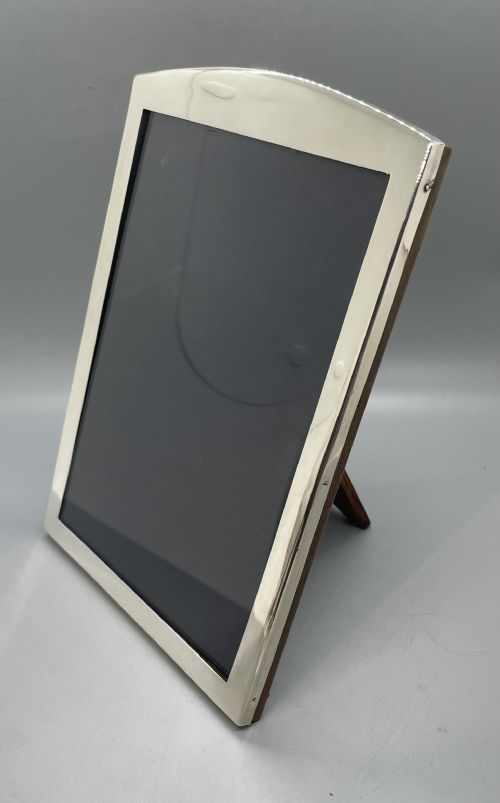
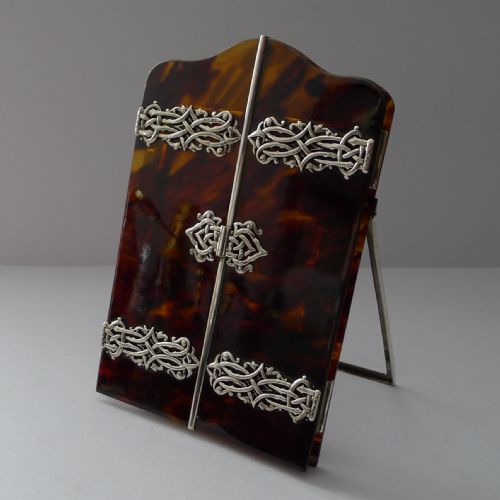
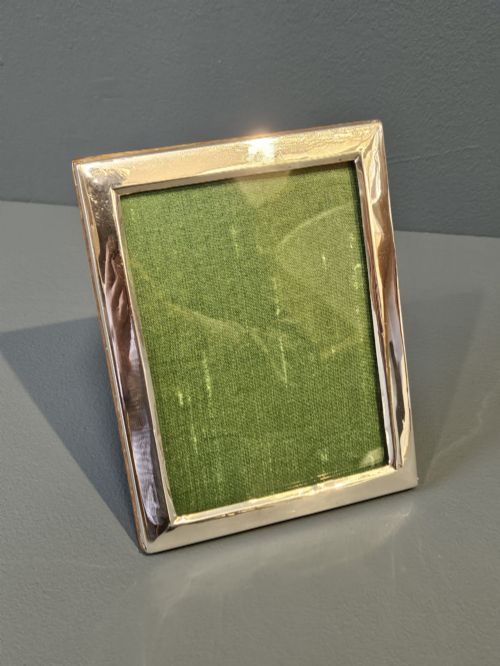
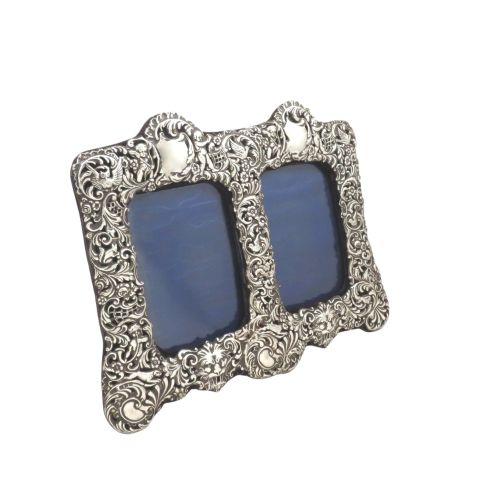
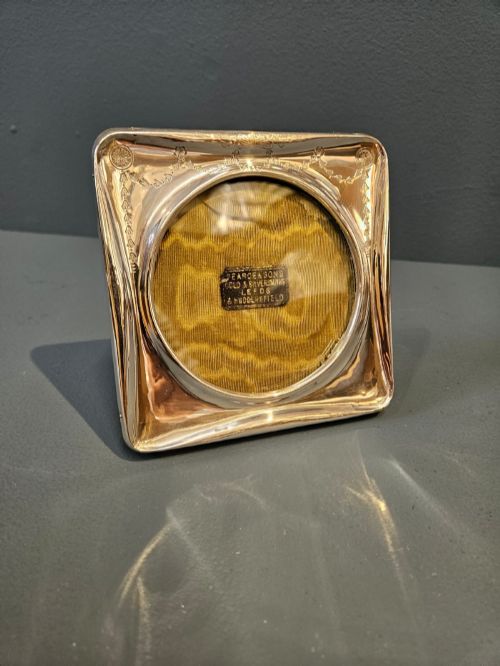
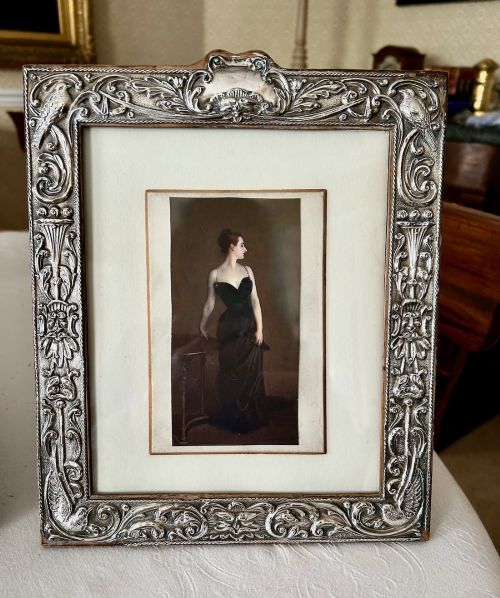
Every antique photograph holder on this page serves to display family portraits and snapshots from the late nineteenth century through the interwar decades. Buyers will encounter single upright frames alongside double folding travel pieces and multi-panel table top display boxes.
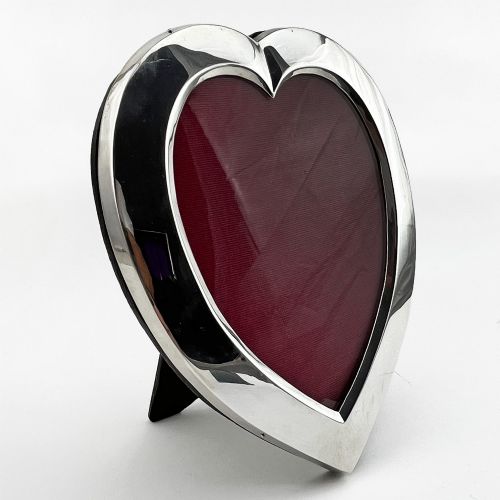
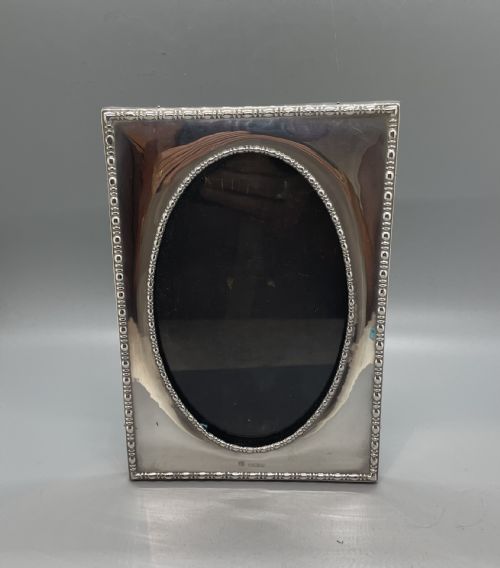
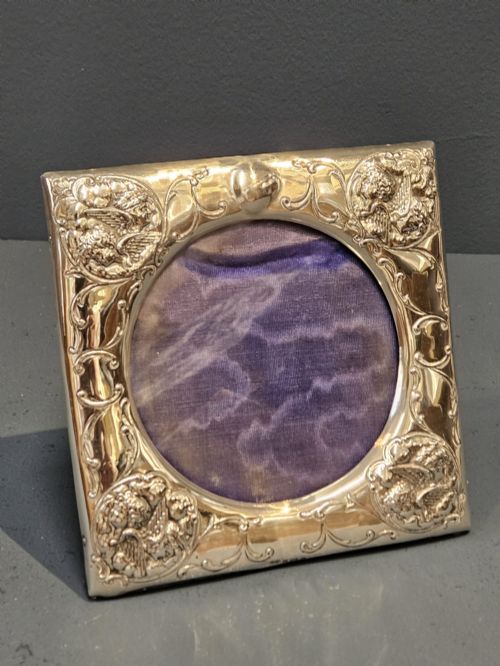
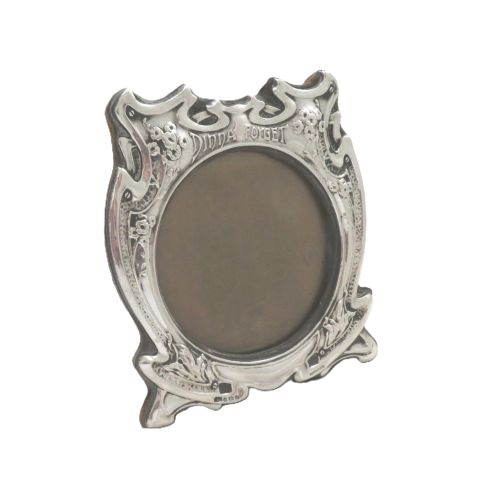
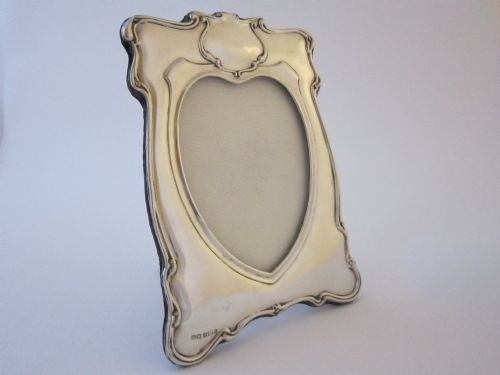
The dominant examples are fashioned from sterling silver, emerging frequently from Edwardian and George V workshops in Birmingham and Sheffield. These pieces take heart shapes, circular apertures, and rectangular formats designed for cabinet cards and cartes de visite.
Alternative forms span carved oak and velvet structures, while continental makers contribute gilded bronze and chrome models. Each object preserves a distinct domestic ritual of commemoration from the Victorian era onward.
Materials and Techniques
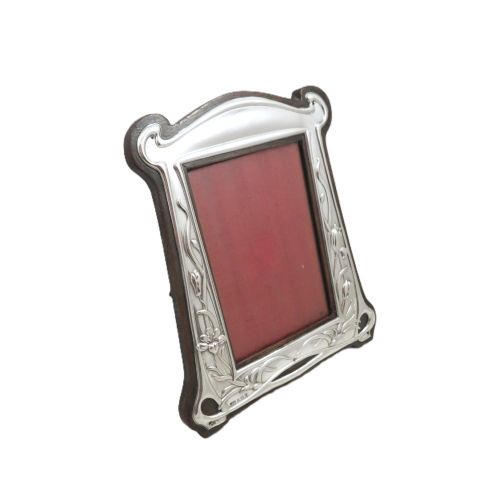
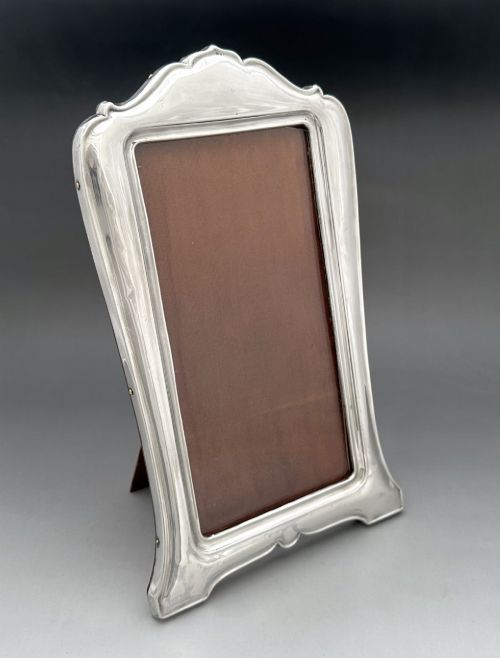
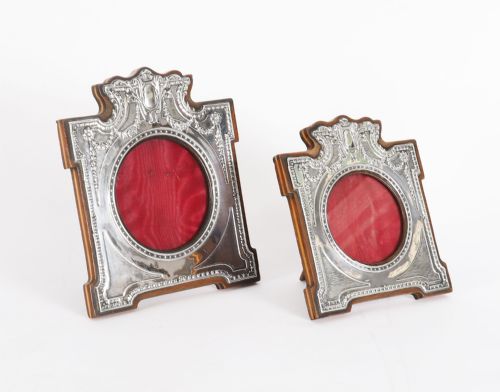
Silversmiths constructed the primary metal frames using sterling silver and silver plate, frequently applying engine-turned patterns, embossing, or engraved motifs by hand. Makers such as William Comyns and Mappin Bros mounted these delicate metal fronts onto sturdy wooden backs supported by hinged struts.
Other variants utilise carved oak, brass, and glass, whilst travel pieces incorporate fabric, crocodile skin, and velvet interiors to protect the portraits during transit. French ateliers introduced cast gilded bronze and nickel-plated finishes during the Art Nouveau and Art Deco periods.
Listings feature materials spanning sterling silver, glass, wood, velvet, and brass across Victorian, Edwardian, and Art Deco styles.
Assessing Quality and Execution
Quality rests in the crispness of the chased or embossed metalwork and the integrity of the structural joints. Pieces featuring substantive sterling silver mounts from recognised makers demonstrate superior weight and refined detailing compared to lighter plated alternatives.
The presence of original glass, intact fabric linings, and functional wooden struts elevates an example. Exceptional craftsmanship shows in specialised motifs, such as Reynolds Angels or figural Art Nouveau designs, executed with distinct depth and clarity.
William Comyns·Mappin Bros·Syner & Beddoes·Hardy Brothers·Emile Langlois
The Antique Photograph Holder Glossary
- Carte de visite
- A small type of paper photograph popular in the nineteenth century, measuring roughly two by four inches. These portraits were frequently mounted on card and housed in specialised table top display boxes.
- Engine-turned
- A decorative technique involving precise geometric patterns mechanically engraved into a metal surface. This finish provides texture and reduces the visibility of surface scratches on silver frames.
- Sterling silver
- An alloy consisting of silver and other metals, typically copper, standardised for durability and lustre. British examples bear hallmarks indicating the assay office and year of production.
- Embossed
- A method of raising a design in relief against a background using metalworking stamps or hammers. Edwardian frames often utilised this technique to create floral and scroll borders.
- Double folding
- A hinged construction joining two frames together to allow the object to close like a book or stand independently at an angle. These were frequently used as travel frames.
Antique Photograph Holder: Frequently Asked Questions
How do I date a silver frame?
British silver frames carry hallmarks that include a date letter, an assay office mark, and a lion passant indicating sterling standard. Comparing these stamps against official registry records provides the exact year of manufacture.
Stylistic cues such as Art Nouveau tendrils or Edwardian ribbon motifs also point to specific decades when combined with the hallmark evidence.
What size were historical photographs?
Victorian and Edwardian photographs varied from small carte de visite formats to larger cabinet cards. Frames were manufactured in specific dimensions to accommodate these standard portrait sizes.
Interior apertures often match nineteenth-century photographic card dimensions precisely, making modern prints difficult to insert without trimming.
How were travel frames used?
Double and multi-fold frames were designed for portability, allowing Victorians to carry images of family members whilst journeying. The hinged panels closed securely to protect the glass and portraits inside.
Leather, crocodile skin, and velvet exteriors provided additional resilience for belongings carried in luggage or placed on temporary accommodation desks.
Can I clean antique silver frames?
Gentle dusting with a soft cloth preserves the accumulated patina valued by collectors. Aggressive polishing removes the subtle details carved into embossed and engraved surfaces.
Special care must be taken around fabric linings, velvet backings, and fragile glass panels when handling older metalwork.