



Antique Silver Aperture
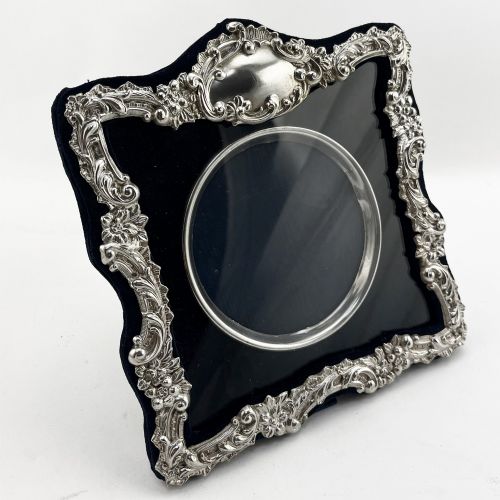
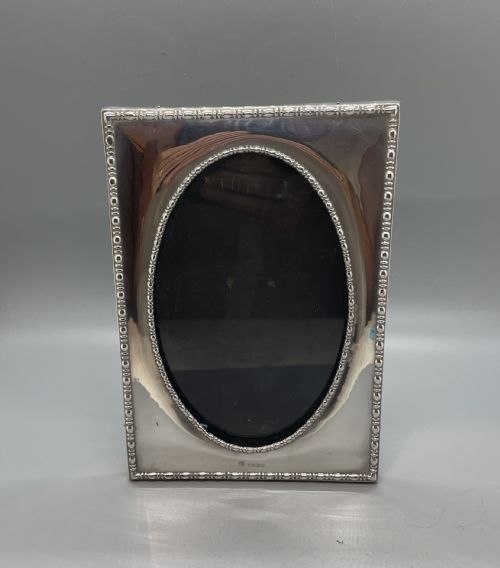
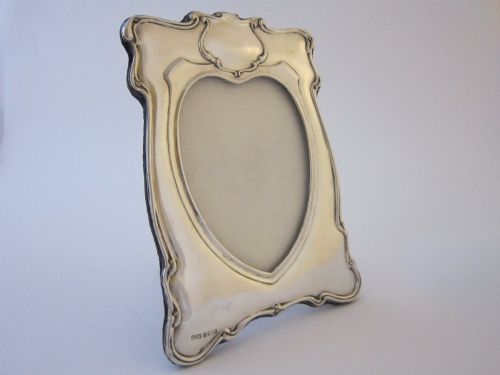
These antique silver aperture items are principally sterling silver photo frames and mirrors designed to display cherished portraits.
Antique Silver Aperture
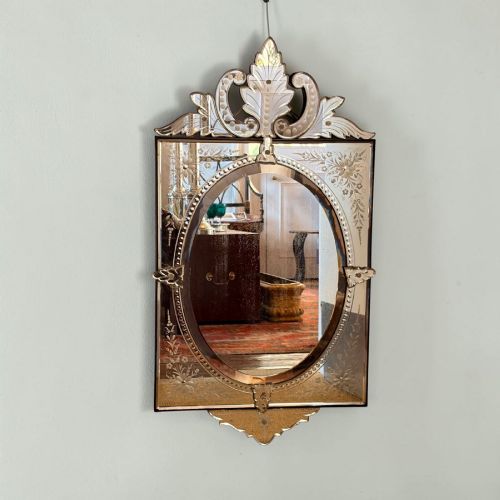
When you search for antique silver aperture, you encounter picture frames, photo frames, and mirrors spanning the Edwardian period, 1900, 1930, and the nineteenth century. These items were designed to hold and showcase photographs or reflective glass through a central opening.
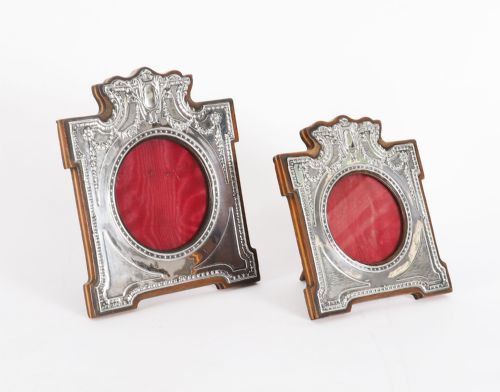
The versions you are most likely to meet on this page are Edwardian sterling silver photo frames. They appear alongside Venetian mirrors, Art Nouveau photograph frames, and Victorian Rococo Revival pieces.
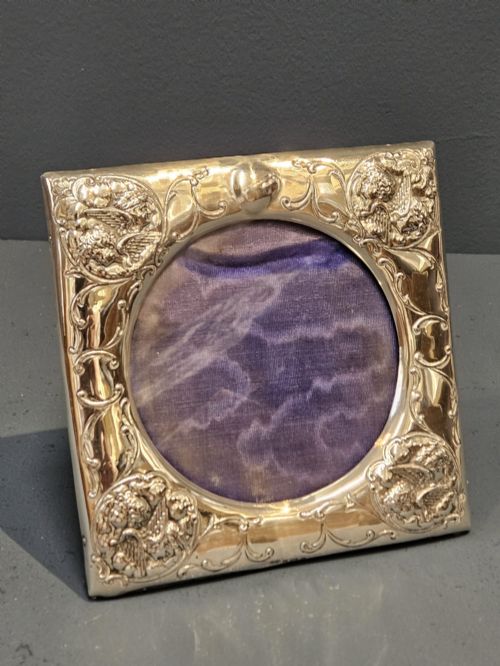
Makers such as Mappin Bros and Henry Matthews produced notable examples featuring embossed designs, planished surfaces, and depictions of Reynolds Angels. Forms include heart-shaped double frames and unusual rectangular designs incorporating wood, velvet, glass, mirror glass, silk, oak, and fabric.
How they were made
These items are constructed primarily from sterling silver, often shaped through embossing or planishing techniques to create textured and decorative borders. Silversmiths mounted these metal fronts onto supportive backings made from wood, oak, and fabric.
Internal apertures are glazed with clear glass or mirror glass to protect the inserted photographs or provide reflection. Finishing touches frequently include internal linings of velvet and silk to cushion the portraits and secure the backing boards.
Antique Silver Aperture Retail Price Guide 2026
Typical asking prices for silver aperture among the pieces listed under this phrase on Sellingantiques today, from the lower quarter to the upper quarter. They describe what is for sale here now, not the wider market.
Reynolds Angels peer out from Edwardian silver frames, watching over whatever portrait you slide into the aperture.
What varies in quality
The distinction between standard examples and superior pieces rests on the complexity of the silversmith's work and the clarity of the hallmarks. Pieces bearing named makers like Henry Matthews or Mappin Bros, alongside distinct stylistic motifs such as Art Nouveau sweeping lines or Reynolds Angels, command greater attention.
The integrity of the supporting materials also dictates overall quality. Examples retaining original wood backing, intact velvet or silk linings, and undamaged glass inserts demonstrate better preservation than those with replaced components.
Mappin Bros·Henry Matthews
The Antique Silver Aperture Glossary
- Aperture
- The opening or window in a frame designed to view a photograph or mirror plate. This central cutout defines the primary function of the object.
- Sterling silver
- The silver alloy standard utilised for the metal components of these frames, containing specified proportions of pure silver and other metals for durability. Hallmarks stamped onto the metal verify this composition.
- Planished
- A metalworking technique involving light hammering with a polished tool to create a textured, faceted surface finish. This method appears on specific Art Nouveau frames.
- Embossed
- Raised ornamentation hammered or pressed into the surface of the silver from the reverse side to create relief patterns. Floral and figural scenes frequently utilise this method.
- Reynolds Angels
- A decorative motif depicting winged cherubs inspired by the paintings of Sir Joshua Reynolds. This imagery adorns the borders of specific Edwardian frames.
Antique Silver Aperture: Frequently Asked Questions
How do I date an Edwardian silver frame?
Dating relies heavily upon the silver hallmarks stamped on the frame, which indicate the assay office, such as Birmingham or Sheffield, and the specific year of manufacture. Maker's marks further narrow down the production period.
Stylistic indicators also help determine age, as distinct design movements like Art Nouveau or Victorian Rococo Revival correspond to specific decades around the turn of the twentieth century.
What materials are used inside these frames?
The interior components typically consist of glass or mirror glass covering the aperture opening. Backings and structural supports are frequently formed from wood or oak.
To cushion and secure the photographs, makers utilised velvet, silk, and various fabrics. These internal textiles contribute significantly to the original condition of the piece.
How should I display antique silver frames?
Display these frames on stable flat surfaces away from direct sunlight and excessive moisture to protect the silver surface and internal fabrics. Avoid placing them in areas subject to rapid temperature changes.
Gentle placement prevents strain on the easel backs, wood structures, and delicate backing materials. Regular inspection ensures the structural integrity of both the silver and the inner linings remains undisturbed.