



Small Round Frame
A small round frame brings immediate focus to a wall or table, offering compact visual weight through centuries of timber and metal work.
Small Round Frame
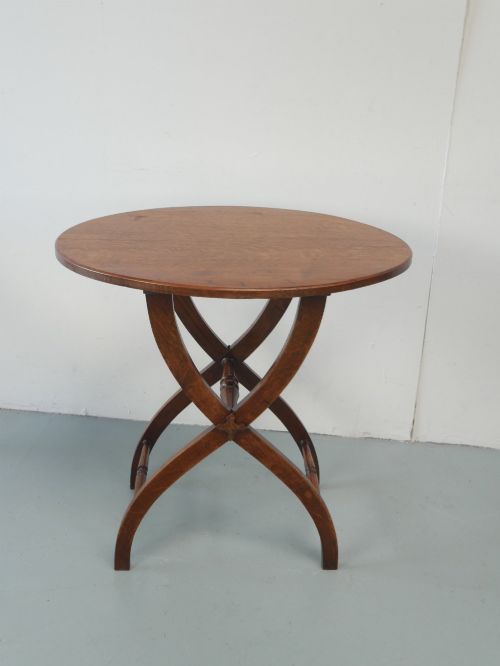
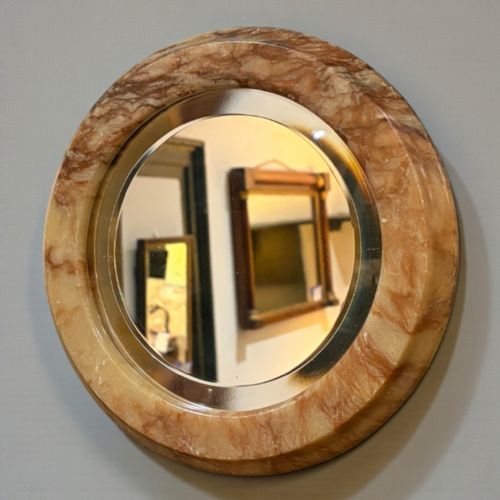
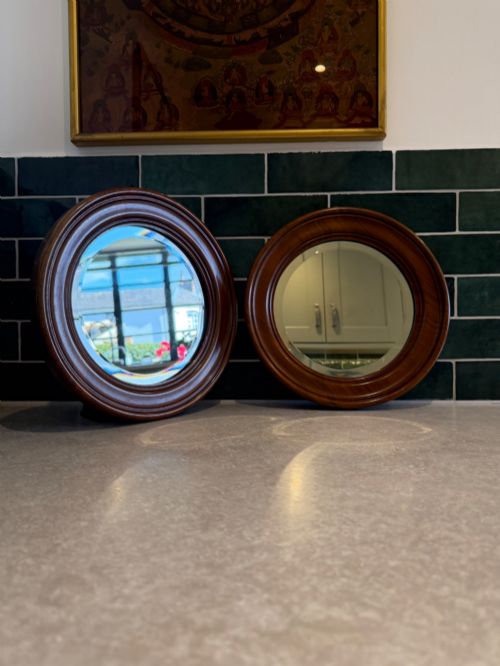
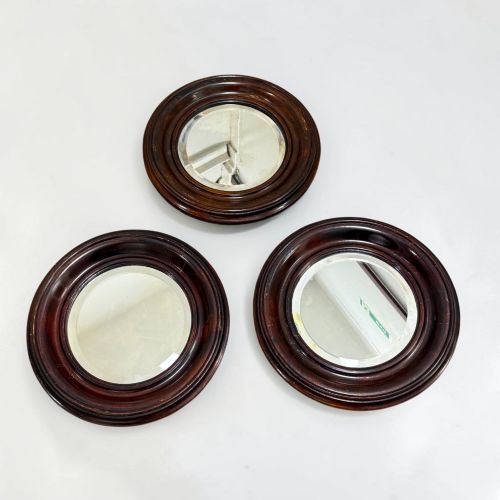
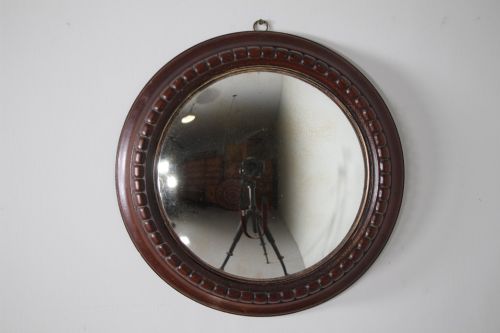
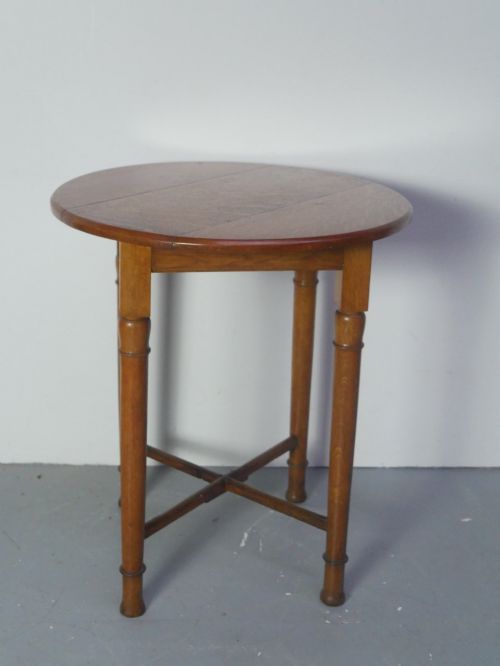
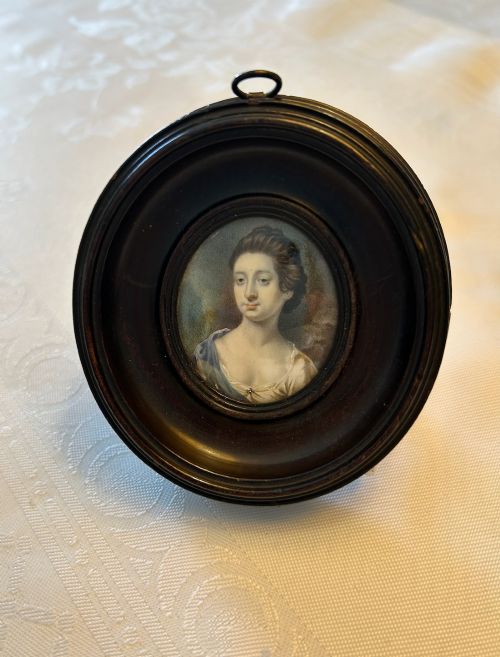
When you search for a small round frame, you encounter a varied selection of circular domestic objects designed to hang on walls or sit upon surfaces. The listings here primarily comprise convex wall mirrors, portrait miniatures, paintings, and small occasional tables from different eras.
The versions most frequently met on this page date from the Victorian and Edwardian periods, alongside examples from the 18th century, the 1900s, and the 1920s. These pieces bridge decorative arts and functional furniture, housing watercolours, mirrors, or timber tops within circular perimeters.
Makers and craftsmen of the 19th and early 20th centuries utilised this compact circular format to draw the eye within domestic interiors. Whether rendered in giltwood, ebonised wood, oak, or walnut, the items maintain a portable scale suited to panelled rooms and modest wall spaces.
How they were made
The construction of these objects relies heavily on traditional timber turning and joinery techniques applied to oak, walnut, mahogany, and ebonised wood. Frames are often built up with gesso over a wooden base to receive rich gilding or dark polished finishes.
Glass is frequently worked into convex shapes for mirrors, capturing wide-angled reflections within small perimeters. Meanwhile, fine paintings and watercolours are housed securely behind glass within circular wooden or gilt mounts.
Small Round Frame Retail Price Guide 2026
Typical asking prices for small round frame among the pieces listed under this phrase on Sellingantiques today, from the lower quarter to the upper quarter. They describe what is for sale here now, not the wider market.
Listings feature items spanning the 18th, 19th, and 20th centuries, including Victorian, Edwardian, and Arts and Crafts examples.
What varies in quality
The distinction between standard examples and finer items lies in the crispness of the timber turning and the depth of the applied gesso and giltwood. Superior pieces exhibit hand-carved details and well-preserved surface finishes that retain their original character without heavy restoration.
The integration of the internal artwork or mirror plate dictates the overall refinement of the piece. Finely painted watercolours and genuine period convex glass elevate the visual success of the frame far beyond simple mass-produced items.
The Small Round Frame Glossary
- Convex mirror
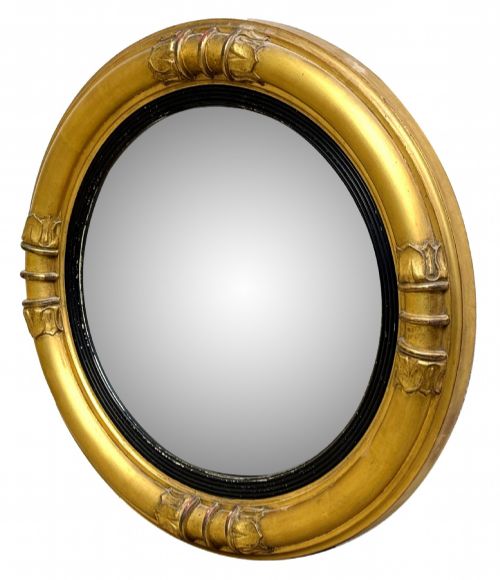
- A round mirror featuring a curved glass surface that reflects a wide, fish-eye view of the room. This form was especially popular during the Regency and Victorian periods.
- Giltwood
- Timber that has been coated with a thin layer of gold leaf over a prepared gesso ground. It provides a bright, reflective metallic finish on frames and decorative objects.
- Ebonised wood
- Timber treated with a dark stain or finish to imitate expensive ebony. This technique was frequently utilised during the Victorian era for portrait and mirror frames.
- Portrait miniature
- A small, highly detailed painting on a prepared surface, often housed in an intimate circular frame. These works capture subjects with fine brushwork.
- Gesso
- A plaster-like mixture applied to wood frames to create a smooth surface for gilding or painting. It allows craftsmen to model intricate decorative reliefs.
Small Round Frame: Frequently Asked Questions
What periods do these frames belong to?
The pieces span from the mid 18th century through the Victorian and Edwardian eras up to the 1920s. Each era brought distinct preferences in timber selection and decorative motifs.
Victorian and Edwardian items are common on this page, while earlier 18th-century examples appear in specialist portrait miniatures and frames.
How were round mirrors used historically?
Convex mirrors were placed in principal rooms to monitor activity and distribute ambient light across the space. Their curved glass captured the entire breadth of an interior.
Smaller circular frames also served to display intimate painted portraits of family members on walls or dressing furniture.
How do I care for antique giltwood frames?
Giltwood surfaces require gentle dusting with a soft, dry brush to protect the delicate gold leaf and underlying gesso. Avoid liquid cleaners and moisture entirely.
Keep these items away from direct sunlight and damp environments to preserve the integrity of the wood and the metallic finish.