

Antique Photograph Frame
An antique photograph frame holds a cherished portrait behind glass while bringing period character to a desk or mantelpiece.
Antique Photograph Frame
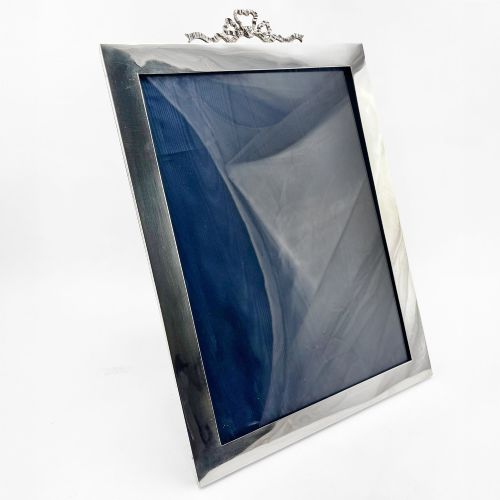
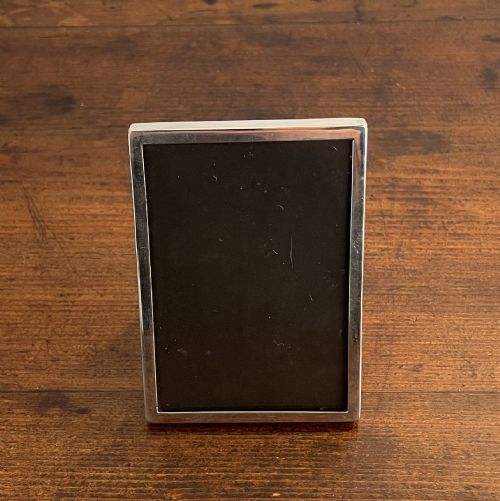
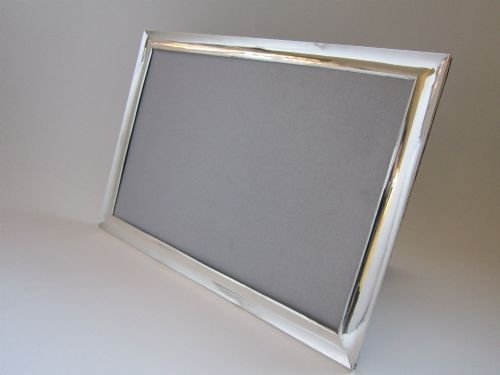
The search for an antique photograph frame leads collectors to decorative domestic items designed to display portrait photography, carte de visite images, and artwork. These pieces appear most frequently from the Victorian, Edwardian, and Art Deco eras, spanning the late nineteenth and early twentieth centuries.
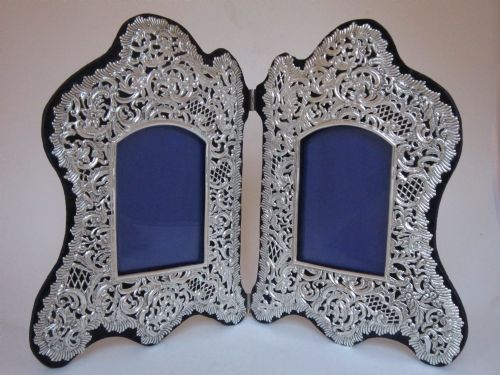
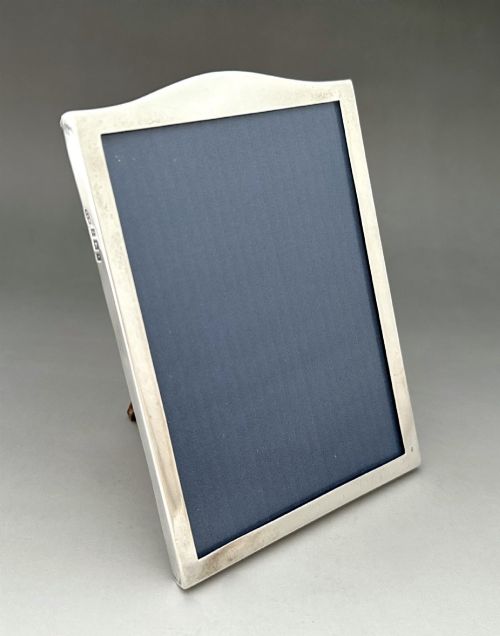
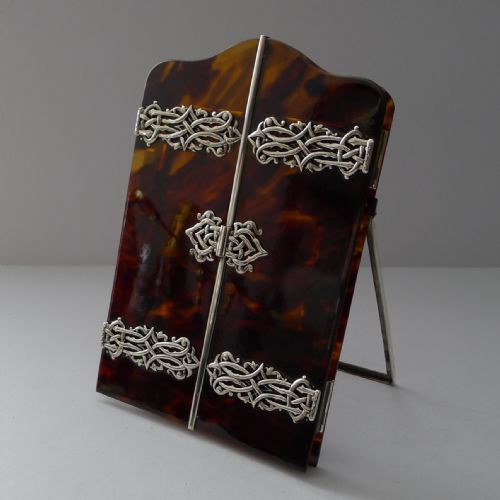
Common forms on this page include single standing frames, double-hinged folding designs, and table-top display boxes. Many examples accommodate images vertically or horizontally through clever two-way backs.
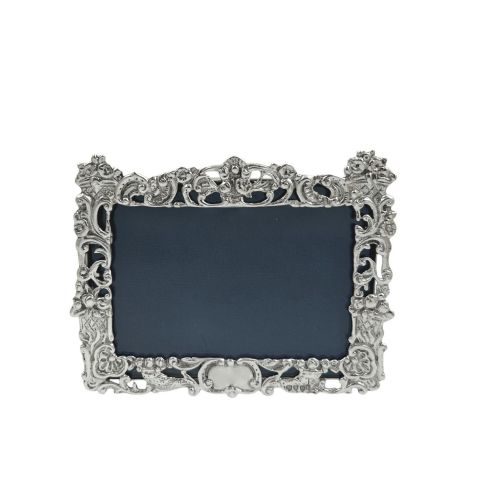
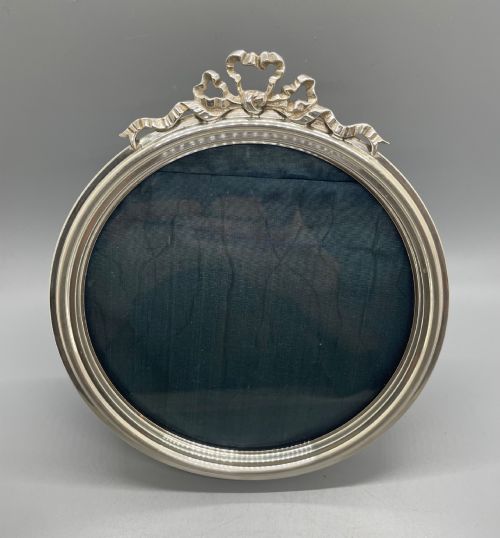
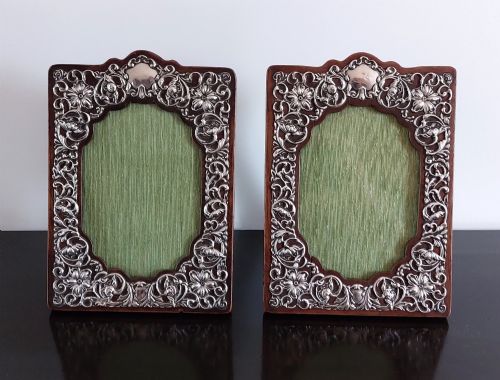
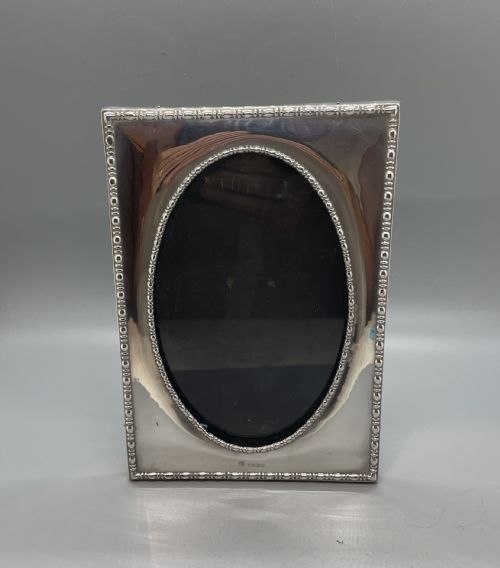
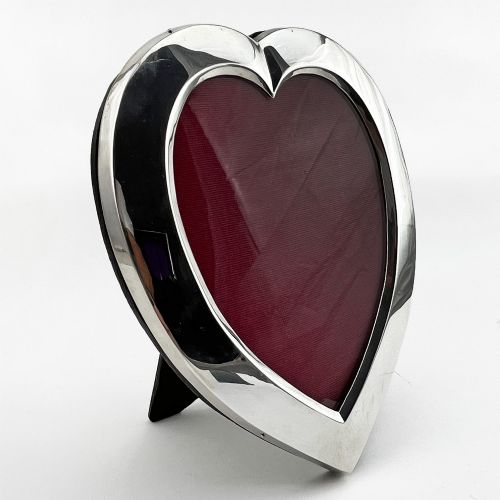
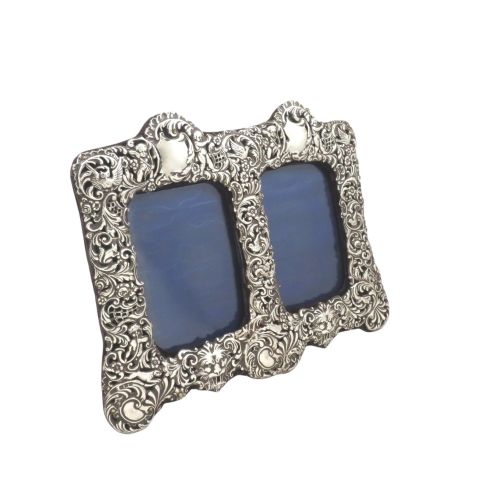
Makers utilised various silhouettes, ranging from simple rectangular shapes to heart motifs, oval boundaries, and elaborate figural surrounds featuring cherubs, birds, or angels.
Materials and construction
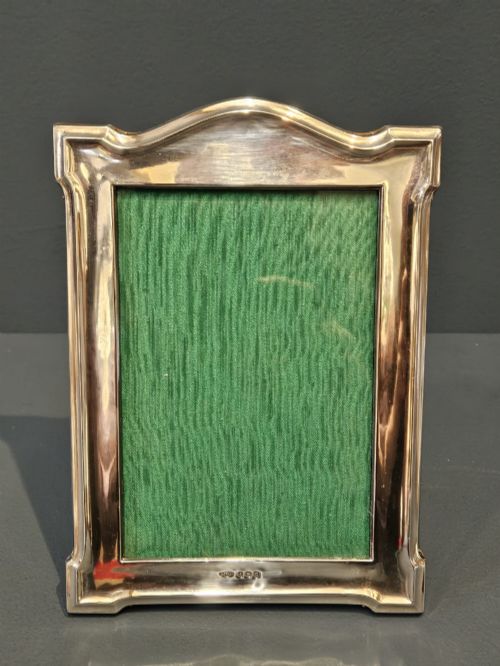
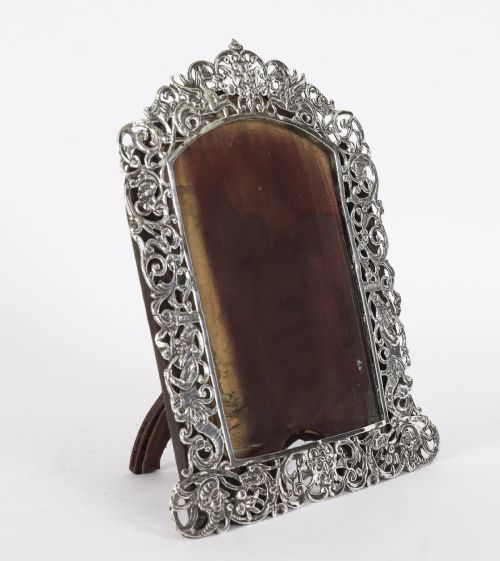
Silversmiths constructed the primary body of these objects using sterling silver mounted over a wooden core, frequently utilising oak or gilt wood for structural support. Many backs consist of wood covered in blue or dark velvet, secured by metal turn-buttons and hinges.
Makers also employed cast brass, gilded bronze, and occasionally leather or tortoiseshell to form the decorative borders. Glass protects the photograph on the viewing side, while paper components and hand-tinted photographic prints sometimes remain intact inside.
Antique Photograph Frame Retail Price Guide 2026
Typical asking prices for photograph frame among the pieces listed under this phrase on Sellingantiques today, from the lower quarter to the upper quarter. They describe what is for sale here now, not the wider market.
Listings feature sterling silver, brass, gilt wood, and leather frames housing photographs from the Victorian period through to the 1930s.
Assessing quality and execution
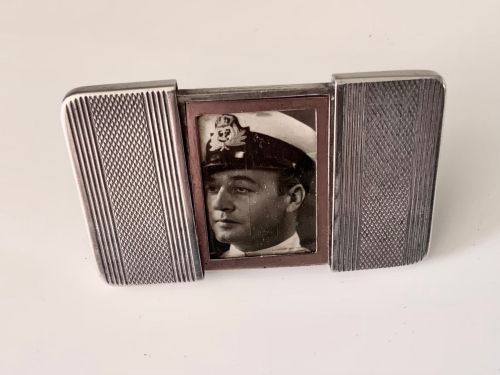
Quality in an antique photograph frame rests upon the depth of the metalwork, the crispness of chased or engraved decoration, and the integrity of the backing materials. Heavy cast silver or bronze examples with detailed motifs such as cherubs, flowers, or engine-turned patterns represent superior craftsmanship.
Rosenthal Jacob And Co·William Comyns·Mappin Bros·Henry Matthews·Walker And Hall·Syner And Beddoes·J C Vickery
The Antique Photograph Frame Glossary
- Sterling silver
- A silver alloy containing 92.5 percent pure silver by mass, widely utilised by British silversmiths for hallmarked frames.
- Carte de visite
- A small type of paper photograph popularised in the nineteenth century, often housed in specialised display frames and boxes.
- Engine-turned
- A decorative technique involving precise geometric patterns mechanically engraved into a metal surface.
- Hallmark
- An official stamp applied by an assay office indicating the metal standard, city of origin, and year of manufacture.
- Velvet backing
- A soft textile lining fitted to the reverse side of a frame, often supported by a wooden strut.
Antique Photograph Frame: Frequently Asked Questions
How do I date a silver frame?
British silver pieces typically carry hallmarks that include a date letter corresponding to the specific year of assay and manufacture. Examining these small stamped marks alongside the registered style helps determine the exact period.
Stylistic cues such as Art Nouveau whiplash lines or geometric Art Deco borders also narrow down the production decade when hallmarks are rubbed or missing.
Can I change the photograph inside?
Most antique frames feature removable wooden backs secured by small pivoting metal arms, allowing the user to swap photographs safely. Care must be taken with old velvet linings and fragile glass panes during the process.
Original vintage photographs or contact sheets found inside should be preserved carefully if they form part of the historical item.
What is a two-way frame?
A two-way frame incorporates a hinged easel support or swivel mechanism that allows the object to stand in either portrait or landscape orientation. This versatility made them popular for desks and tables.
Makers achieved this functionality by designing symmetrical outer borders or adaptable backing struts that operate horizontally and vertically.
How should I clean silver frames?
Silver components require gentle cleaning with a soft microfibre cloth and specialised silver polish to remove tarnish while preserving the raised details. Contact between polish and the original wood or velvet backing should be avoided.
Unlacquered sterling silver naturally develops a mild patina over time, which many collectors prefer to leave undisturbed.