
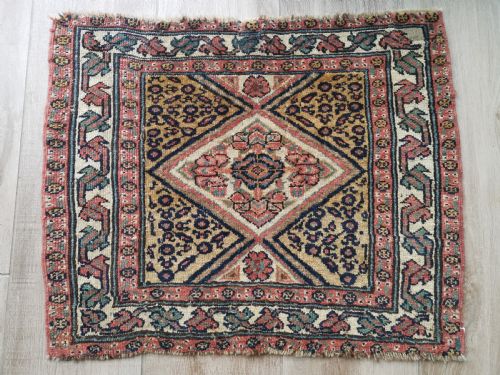
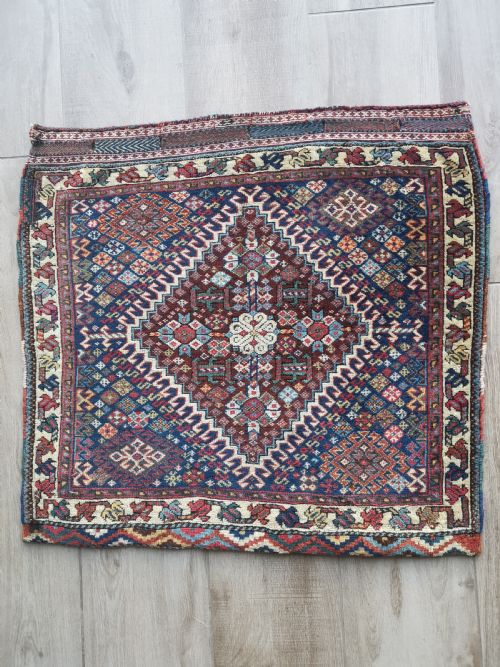
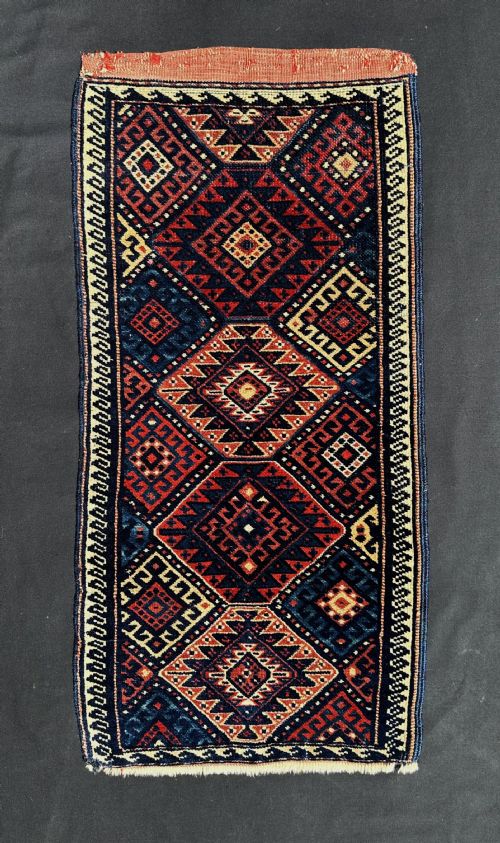


Antique Persian Textile Panel
An antique persian textile panel brings centuries of nomadic and court craft into a room, offering rich colour and intricate pattern.
Antique Persian Textile Panel
When you search for an antique persian textile panel, you encounter a diverse range of nomadic and village artefacts. The selection spans bagfaces, saddle-bags, and wall hangings originating from regional tribes and dynasties.
Most examples you meet on this page include Qashqai, Shahsavan, and Rasht embroideries. These pieces reflect the specific utilitarian roots of tribal weaving and courtly workshop traditions.
The material forms range from wool felt grounds and hand-spun wool to silk embroideries and block-printed cottons. Each object carries the distinct geographic identity of provinces such as Fars, Kerman, and Khorassan.
Materials and construction methods
Maker communities utilised natural dyes, hand-spun wool, cotton, and wool felt as the primary foundations for their work. Artisans combined these organic materials with meticulous techniques like Soumak weaving and intricate needlework.
Rasht pieces rely on silk and felt applique work applied to red or black grounds to create floral medallions. Other items employ block printing and painting directly onto textiles to achieve detailed pictorial surfaces.
The listings feature pieces from the nineteenth and early twentieth centuries, utilising wool, silk, cotton, and felt.
Assessing quality in regional weavings
The fineness of the needlework or the tightness of the Soumak weave dictates the distinction between standard items and superior examples. Complex iconography, such as recognizable bird and dragon motifs, elevates the artistic merit of a panel.
The integrity of the original wool or felt ground and the vibrancy of the natural dyes preserved over time determine the overall presence of the object.
The Antique Persian Textile Panel Glossary
- Bagface
- The front section of a utilitarian nomadic container, often preserved and mounted as a decorative textile panel. These smaller pieces display concentrated tribal motifs and geometric fields.
- Soumak
- A flat-weave technique where coloured weft threads wrap around the warp threads in a continuous brocade-like pattern. This method creates a textured, durable surface with pronounced detail.
- Rasht embroidery
- A needlework tradition from Gilan province featuring detailed silk applique on a wool felt backing. Artisans cut and stitch coloured pieces of felt and silk to form elaborate floral designs.
- Khorjin
- A traditional double saddle-bag utilised by nomadic tribes for transport and storage. Surviving fragments often isolate the face panels for display.
- Qajar
- Pertaining to the royal dynasty that ruled Persia from the late eighteenth to the early twentieth century. This period produced distinct block-printed and painted cottons alongside refined court textiles.
Antique Persian Textile Panel: Frequently Asked Questions
How were these textiles used originally?
Nomadic groups utilised many of these pieces as utilitarian storage items, including saddle-bags, wheat sacks, and infant cradles. They served daily transport and household organizational needs.
Other examples, such as Rasht embroideries and block-printed panels, functioned as interior furnishings or decorative hangings within residential spaces.
How should I care for a textile panel?
Keep textile panels away from direct sunlight to protect natural dyes from fading over time. Mount them professionally using non-destructive methods that distribute weight evenly across the fabric.
Avoid moisture and high humidity to preserve fragile wool felt and silk threads. Gentle vacuuming through a mesh screen can remove dust safely.
How can I identify tribal origins?
Examine the specific structural techniques, colour palettes, and repeating motifs unique to different regional groups like the Qashqai or Shahsavan. Specific motifs such as birds, dragons, and star medallions often point to particular weaving traditions.
Geographic attributions also rely on material combinations, such as silk applique on red felt characteristic of northern Rasht workshops.