

Antique Persia Wool Rug
When you handle an antique persia wool rug, you hold centuries of tribal weaving traditions shaped by nomadic hands across rugged southern and western landscapes.
Antique Persia Wool Rug
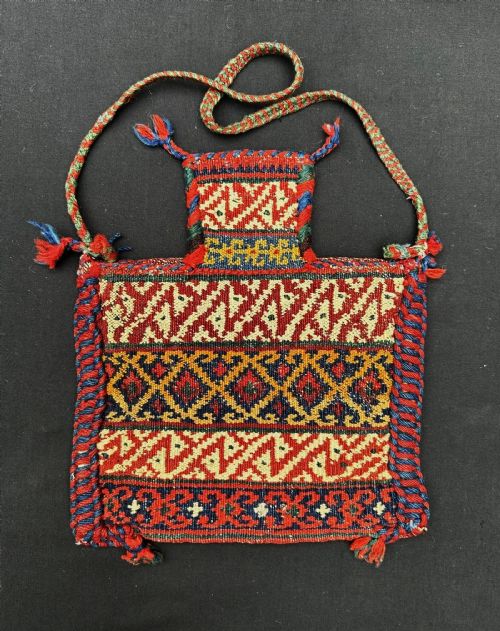
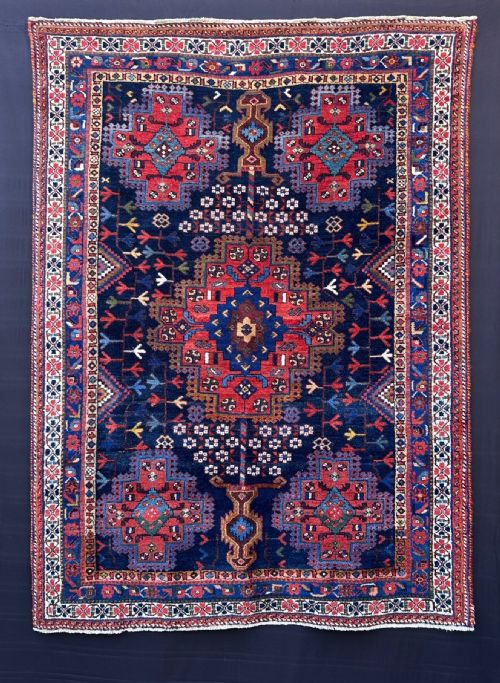
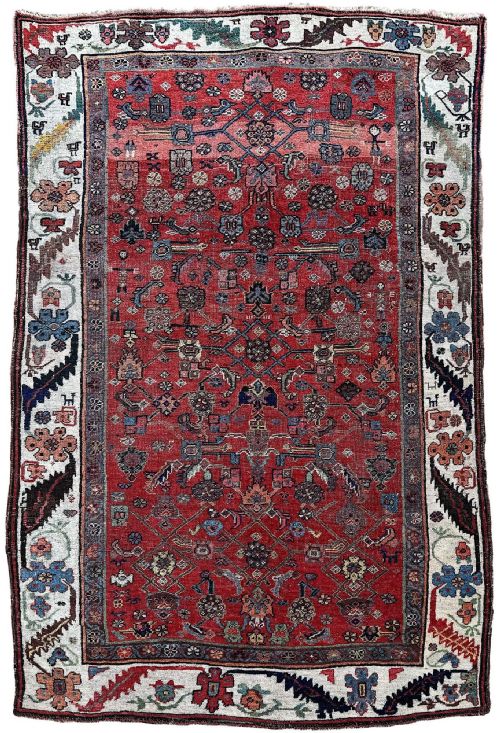
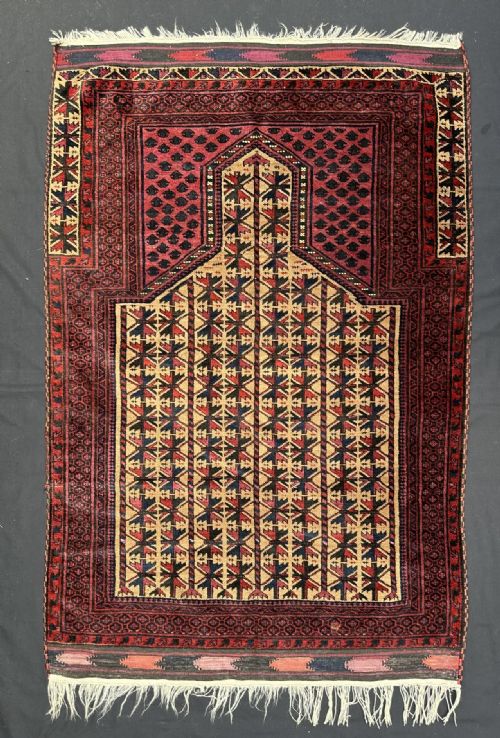
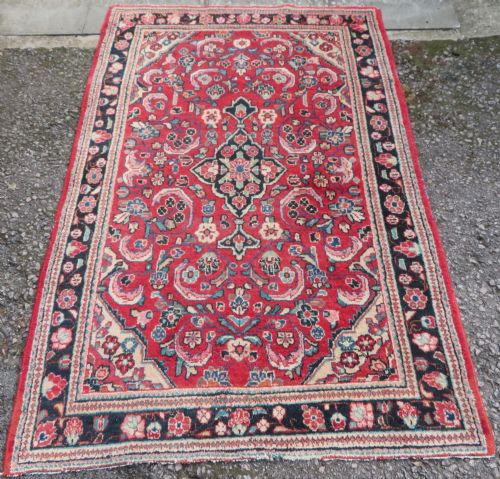
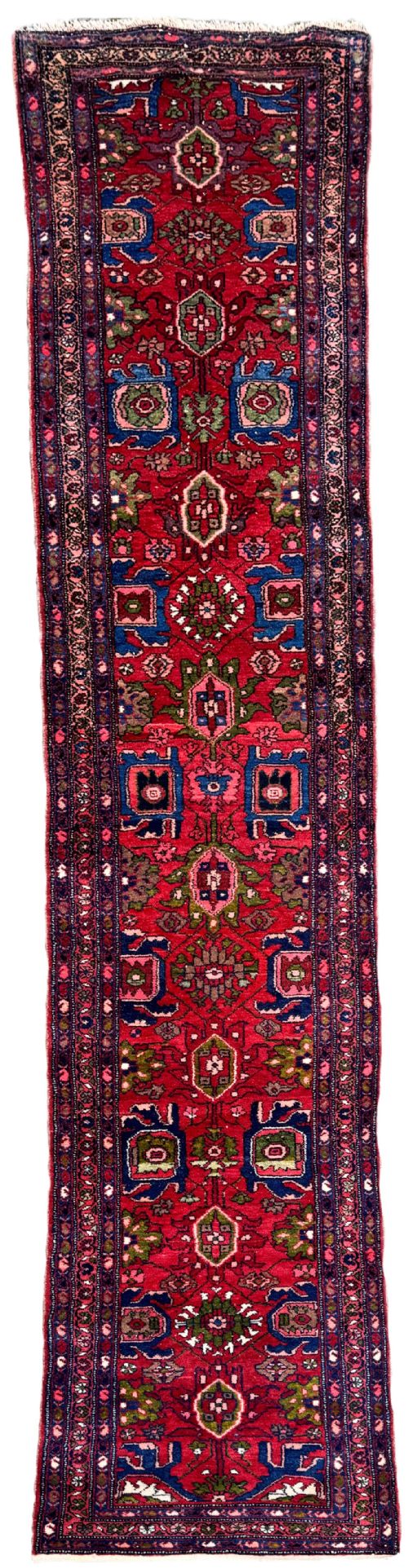
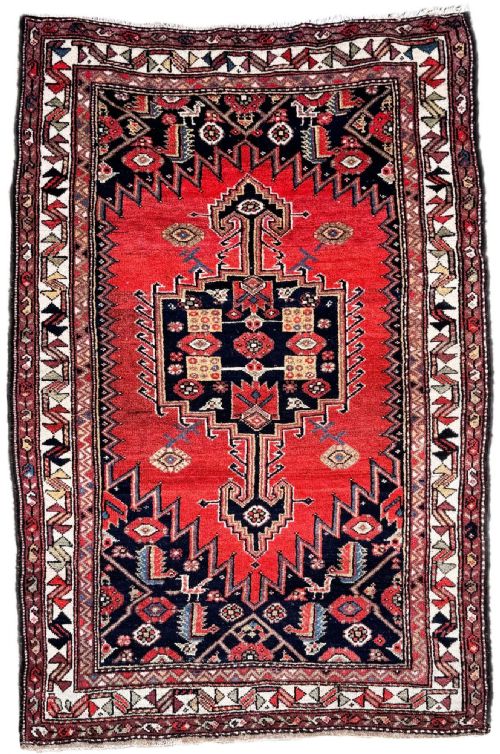
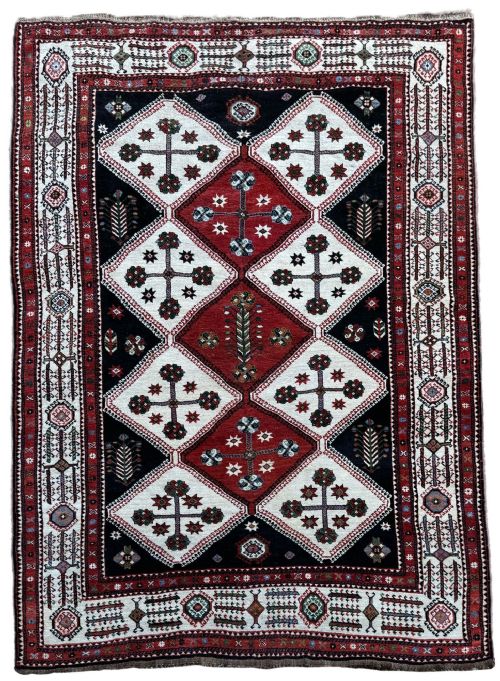
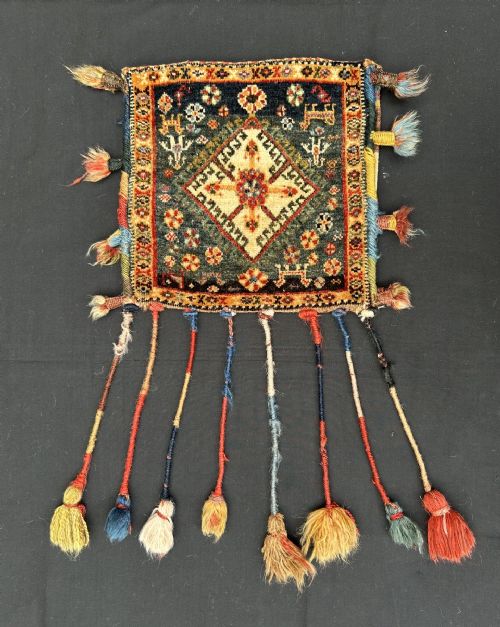
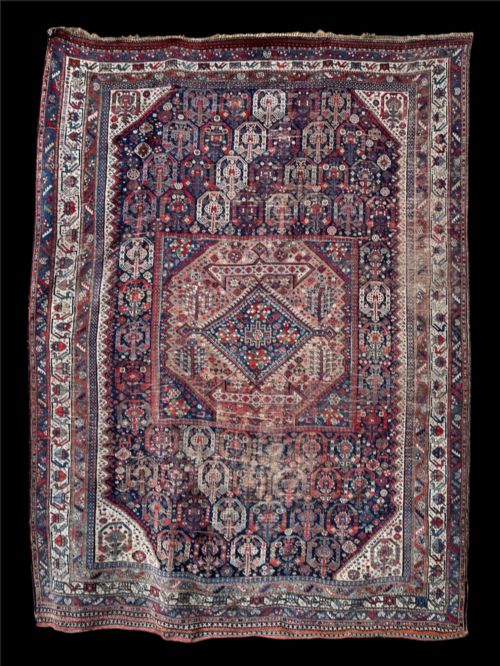
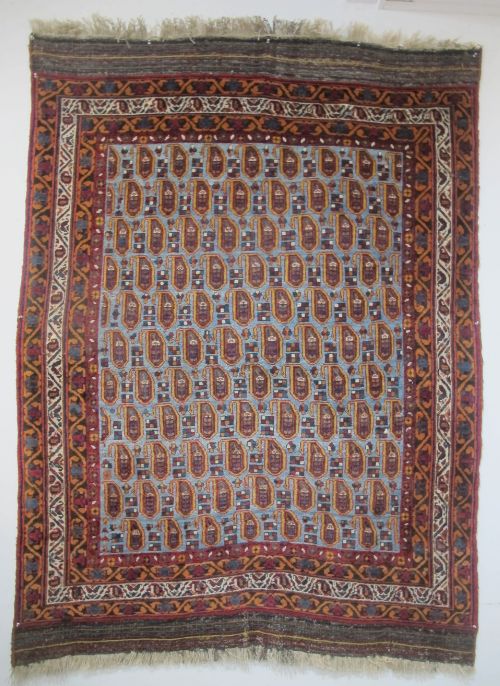
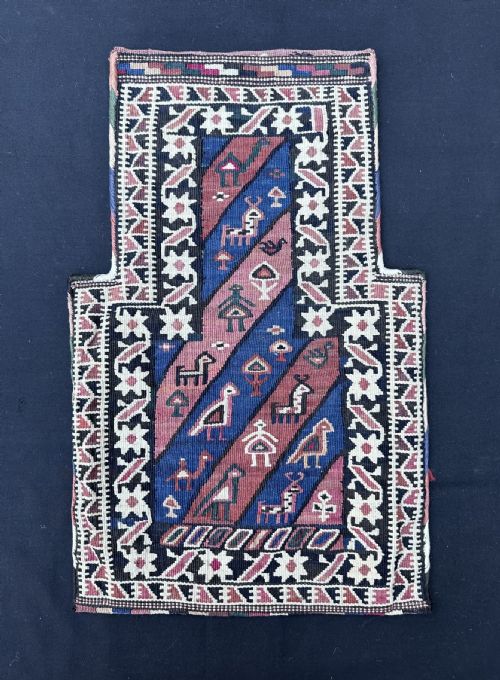
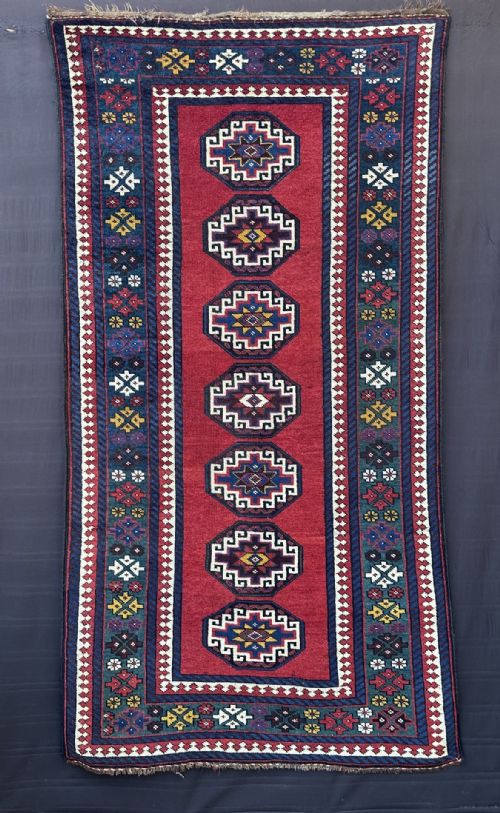
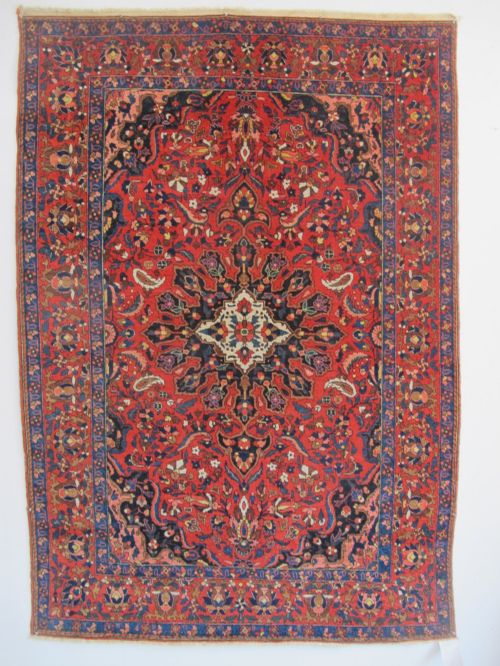
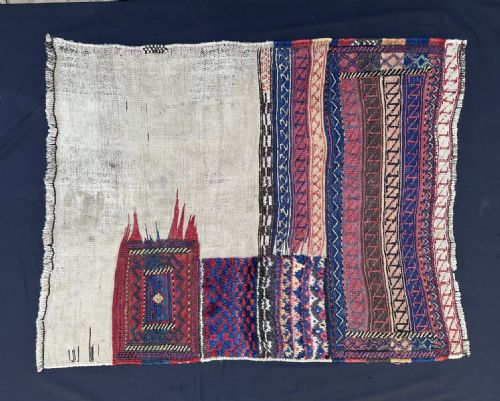
An antique persia wool rug encompasses heavy floor coverings, long hallway runners, and small tribal bags woven by nomadic and village communities throughout the nineteenth and early twentieth centuries.
The inventory on this page bridges large room-sized Heriz and Serapi carpets from north-west Persia with finely detailed village pieces from Hamadan, Bidjar, and the southern tribal confederacies.
Makers ranged from village weavers working on fixed upright looms to nomadic groups carrying portable ground looms across Fars and Kerman provinces.
Materials and construction
Weavers utilised hand-spun wool for the pile, yielding varied lanolin content that absorbs natural dyes with deep tone and subtle variation.
Foundations typically rely on sturdy cotton or wool warps and wefts, tightly beaten down with heavy combs to create durable structures capable of withstanding generations of daily use.
Materials recorded across current and archived stock include hand-spun wool, cotton foundations, natural dyes, leather, and occasional cowrie shell ornaments.
Factors of quality
Quality rests upon the handled softness and density of the wool, the clarity and saturation of natural dye palettes, and the precision of geometric or curvilinear knotting.
Pieces originating from established workshops like Tabriz or Isfahan display immense architectural detail, whereas tribal works from Afshar or Qashqa'i weavers derive distinction from spontaneous layouts and expressive animal or plant motifs.
The Antique Persia Wool Rug Glossary
- Warp
- The vertical threads stretched lengthwise on the loom that form the foundation upon which the knots are tied.
- Weft
- The horizontal threads passed back and forth across the warp threads after each row of knots to lock the pile in place.
- Boteh
- A traditional almond or paisley motif representing a floral shoot or cypress tree, frequently seen in Persian tribal weaving.
- Sofreh
- A flatwoven spread or cloth used during meals or dough preparation, often produced by nomadic groups for domestic utility.
- Khorjin
- A double-sided storage bag constructed for transport on pack animals during seasonal migrations.
Antique Persia Wool Rug: Frequently Asked Questions
How do I clean an old wool rug?
Surface dust should be gently removed using suction without a revolving brush. Professional textile conservators should handle deeper washing to protect natural dyes.
Harsh chemical detergents and excessive moisture can strip the remaining natural oils from the wool and destabilize the foundation threads.
Are these carpets suitable for heavy hallways?
Many sturdy village runners and geometric carpets were built to endure heavy foot traffic on stone and timber floors. Their dense wool pile withstands continuous use.
Placing a breathable underlay beneath the textile prevents slipping and cushions the foundation against sharp impact.
How can I tell a tribal rug from a city piece?
Tribal examples from groups like the Qashqa'i or Afshar display asymmetrical layouts, bold geometric medallions, and spontaneous use of animal and plant motifs. City pieces from Tabriz or Isfahan exhibit balanced floral compositions and intricate curvilinear precision.
Nomadic weavers relied on memory and local surroundings, while urban workshops followed precise paper cartoons drawn by master designers.
What causes colour variation within the pile?
Natural dyes derived from plants, roots, and insects react organically to mordants and water batches, producing subtle shifts in shade known as abrash. This tonal variation occurs naturally across single fields of colour.
Hand-spun wool absorbs these plant extracts unevenly, giving older textiles a shimmering depth that synthetic dyes cannot replicate.