

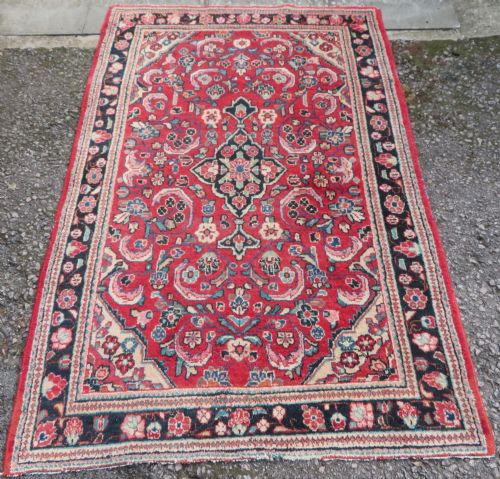
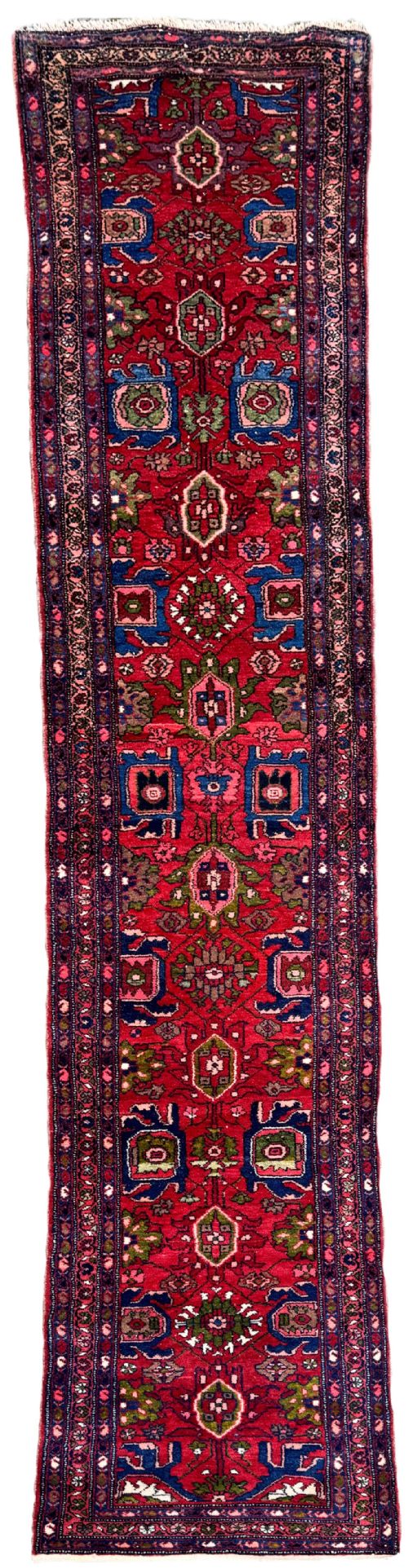
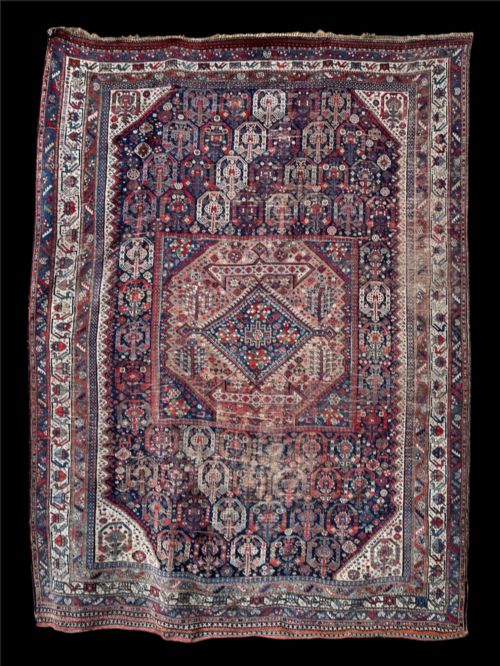
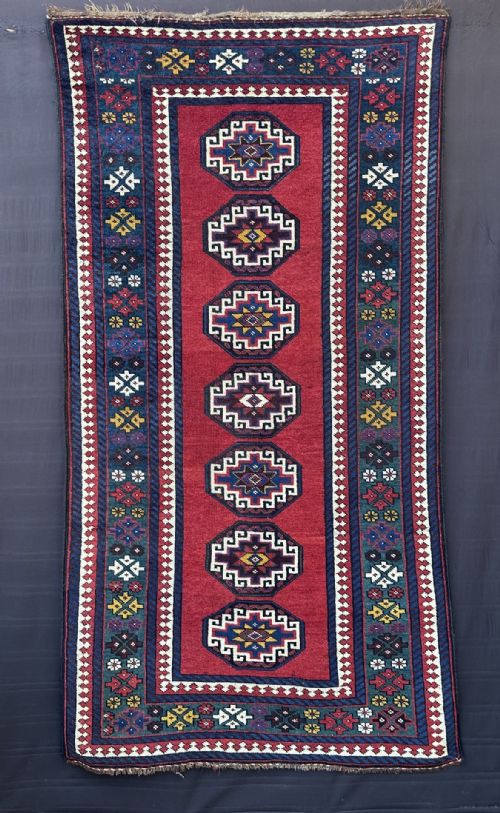
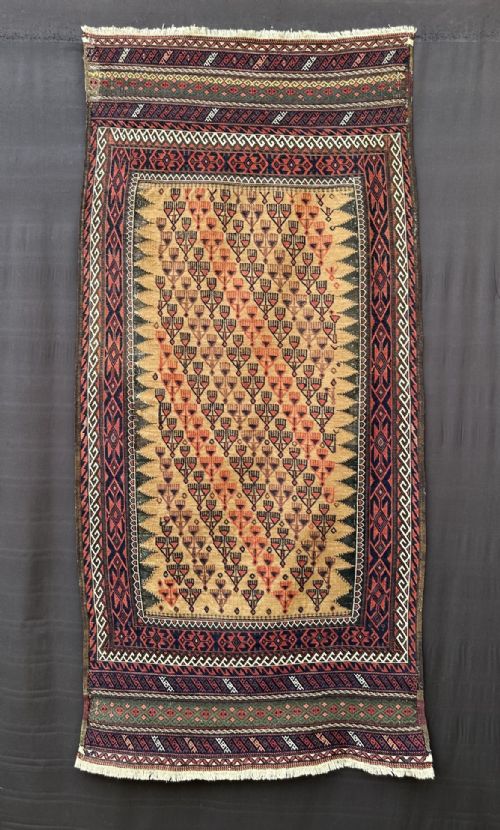
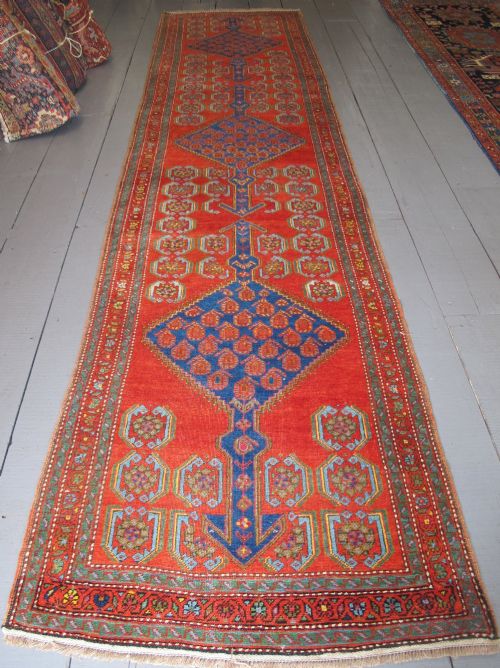


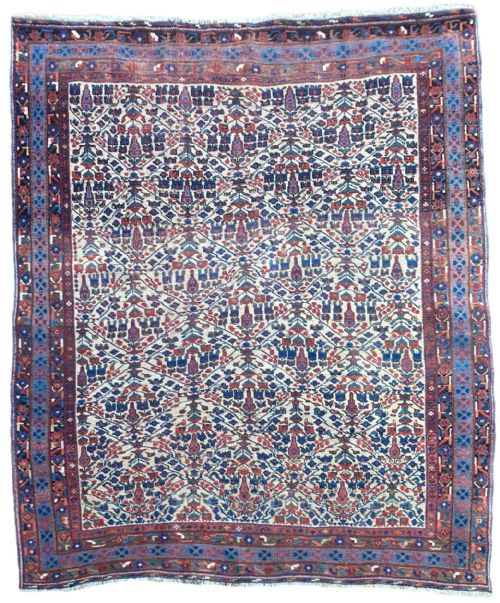


Antique Persia Runner Rug
When you search for an antique persia runner rug, you enter a tradition of long, narrow floor coverings woven by village and nomadic makers across Persian lands.
Antique Persia Runner Rug
An antique persia runner rug serves narrow spaces such as hallways, corridors and long rooms, adapting traditional weaving designs into elongated formats. The selection spans origins from north-west, west, and east Persia, including regional outputs attributed to Hamadan, Heriz, Bakshaish and Baluch groups.
Makers produced these corridor carpets in various lengths and widths during the nineteenth and early twentieth centuries, drawing on tribal and village motifs. Pieces range from room-length formats to narrow corridor strips designed for specific architectural pathways.
Materials and construction
Weavers constructed these textiles primarily using wool pile knotted onto cotton or wool foundations, employing regional techniques passed down through generations. The reliance on natural dyes ensured that colours matured gradually over decades of exposure and use.
Nomadic and village workshops utilised locally sourced materials, combining handspun wool with durable foundation threads to withstand heavy foot traffic in domestic corridors.
Some dining sofhres preserve the nomadic habit of sitting directly on the woven floor spread for communal meals.
Evaluating craftsmanship
Quality separates through knot density, the precision of geometric or floral layout execution, and the depth of natural dye palettes. Superior examples maintain structural integrity across long spans, exhibiting balanced borders and crisp motif transitions.
The finesse of the wool and the consistency of the weave differentiate standard village utility pieces from finer urban or workshop productions.
The Antique Persia Runner Rug Glossary
- Runner
- A long, narrow carpet format traditionally utilised in hallways, corridors and staircases. This shape accommodates elongated spaces while displaying repeated medallion or all-over patterns.
- Natural Dyes
- Colourants derived from plant, insect and mineral sources prior to the widespread adoption of synthetic alternatives. These dyes age with a characteristic patina.
- Sofreh
- A flatweave or pile textile traditionally used for domestic food preparation, dining or bread making within tribal communities. These utilitarian cloths often feature distinctive regional iconography.
- Kelim
- A flatwoven textile produced without a pile, resulting in a lightweight, reversible rug. Makers employed slit-weave techniques to create sharp geometric patterns.
- Foundation
- The underlying structural grid of a rug, consisting of warp and weft threads that support the knotted wool pile. Cotton and wool were standard materials for this framework.
Antique Persia Runner Rug: Frequently Asked Questions
Where were these runners placed?
These narrow formats were designed for hallways, long corridors and transitional spaces within traditional homes. Their dimensions suited high-traffic walkways where standard rectangular carpets would not fit.
Nomadic and village households also utilised long formats inside tents and permanent dwellings to line the perimeter of living areas.
How do I care for an old wool runner?
Protect the textile by placing a suitable underlay beneath it to prevent slipping and reduce friction against the floorboards. Regular gentle vacuuming without a rotating brush roll helps remove embedded dust from the wool pile.
Keep the piece away from direct, continuous sunlight to preserve the natural dyes, and rotate the runner periodically to ensure even wear.
What is the difference between village and tribal rugs?
Village pieces were typically woven by settled communities in specific regional centres such as Hamadan, Bidjar or Heriz, often following structured market designs. These items reflect established local weaving traditions and commercial distribution networks.
Tribal pieces originated from nomadic or semi-nomadic confederacies like the Bakhtiari, Qashqa'i or Baluch, incorporating memory-driven motifs and symbols unique to each group.
How can I tell the age of a piece?
Age is assessed by examining the palette of natural dyes, the handling of the wool, structural wear patterns and traditional regional design characteristics. Pieces dating from the nineteenth and early twentieth centuries display specific structural traits and dye maturation.
Variations in handspinning irregularities and foundation materials also provide clues to the period of manufacture before commercial yarns became prevalent.