


Antique Pen Rest
An antique pen rest keeps a dip pen from soiling the desktop, combining practicality with the sculptural weight of bronze, brass, or carved wood.
Antique Pen Rest
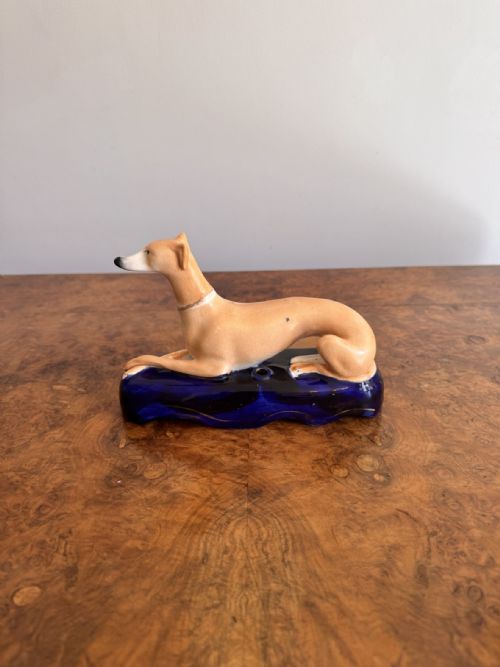
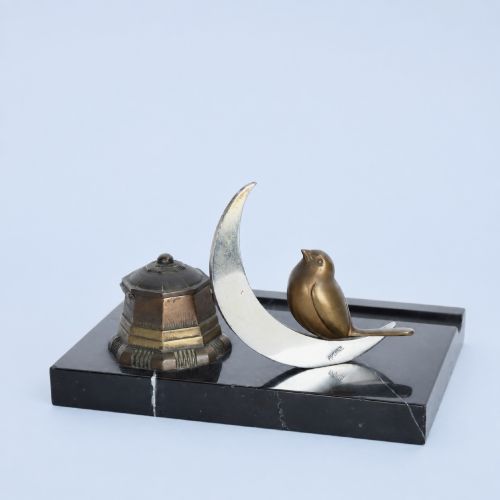
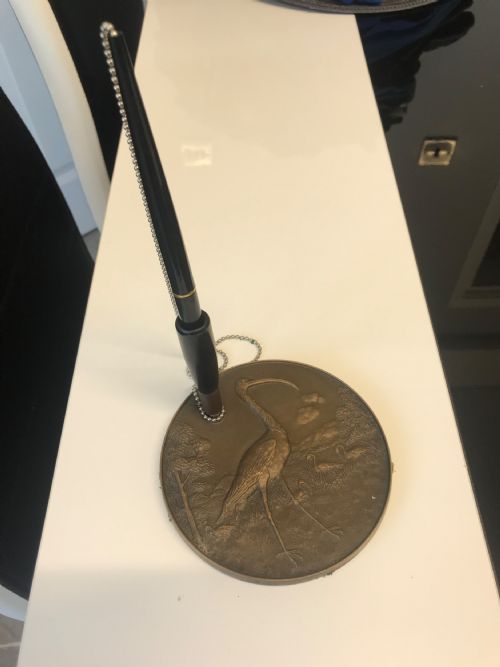
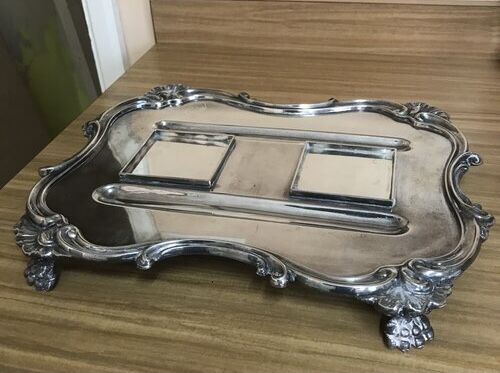
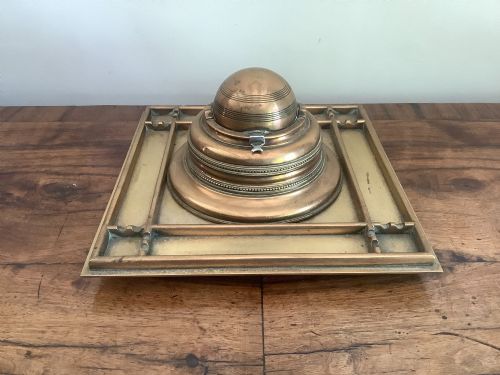
The versions most common on this page range from Victorian brass and equestrian designs to Art Nouveau bronze pieces and carved wooden Black Forest animals. They reflect the heavy stationery use of the nineteenth and early twentieth centuries, constructed to anchor a gentleman's or lady's writing table.
Materials and construction
Foundry casting dominates the metal examples, utilising bronze, brass, and silver plate to create figural animals, birds, and architectural motifs. These cast components are often paired with heavy bases of marble, onyx, or solid oak.
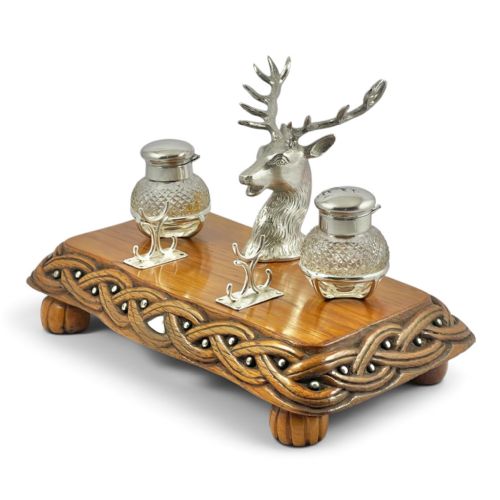
Carved pieces rely on dense timbers, horn, and serpentine stone, shaping natural materials into detailed forms like cats, stags, and foliate scrolls. Glass and porcelain elements frequently provide the inserts for inkwells attached to the stands.
What separates the best from the rest
Quality rests on the crispness of the casting and the depth of the hand-chasing, where sharper feather, fur, or floral details distinguish a superior workshop piece from a standard production item. The integration of materials also matters, such as a bronze figure securely pinned to a heavy marble or onyx base rather than simply glued.
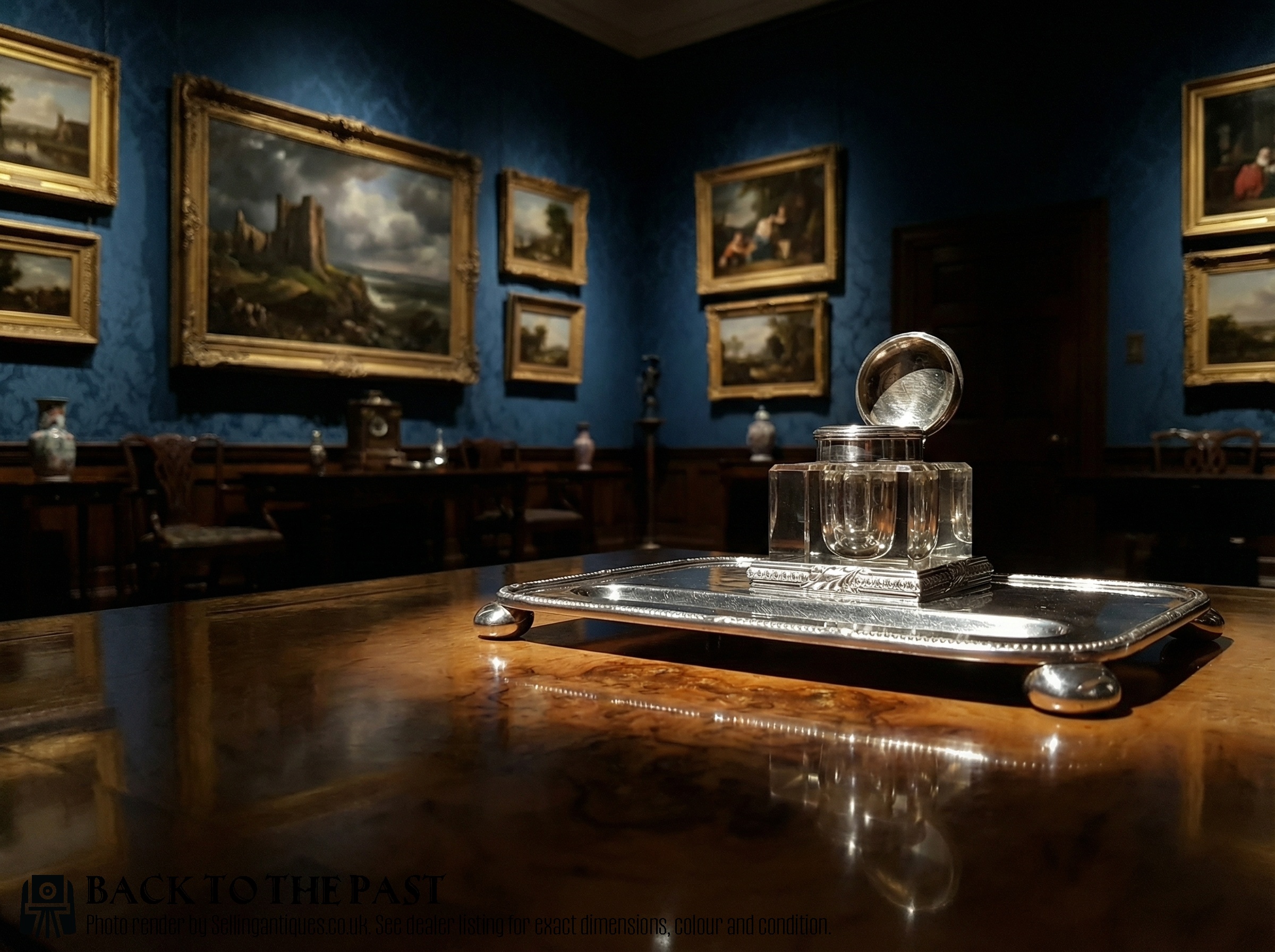
The presence of original glass ink inserts, matching pens, and maker signatures elevates certain items significantly. Weight is another indicator, as substantial cast bronze or solid silver plate demonstrates a refusal to compromise on metal gauge.
A.Cohen & Co Ltd London·Asprey Of London·Albert Marionnet·Maurice Dufrene·Bergmann·Ernest Louis ADNIN·Zimmermann·Reed and Barton·Carpenter and Hamberger
The Antique Pen Rest Glossary
- Inkstand
- A complete desk tray holding one or more ink pots, pen rests, and sometimes sanders or wafer boxes. It represents the master station of the nineteenth-century writing desk.
- Desk tidy
- A multi-compartment desktop organiser designed to hold pens, stamps, and stationery items in one place. These frequently incorporate integrated channels or grooves to serve as pen rests.
- Ormolu
- Gilded bronze produced by applying a finely ground mercury and gold amalgam to cast bronze before firing. The technique gives a rich, golden surface common on finer French desk accessories.
- Black Forest carving
- Woodwork originating from the mountainous region of Central Europe, characterised by deeply carved animal figures like bears, stags, and dogs. These pieces often double as inkstands or pen trays with glass eyes.
- Treen
- Small handmade wooden objects produced from the sixteenth century onwards. These items range from utilitarian kitchenware to desk accessories like pen rests.
Antique Pen Rest: Frequently Asked Questions
What is an antique pen rest?
An antique pen rest is a small desk accessory or a fitted groove on an inkstand designed to hold a dip pen safely off the writing surface.
They were essential desk equipment when steel nibs and fountain pens required a safe parking place to prevent ink from staining papers or furniture.
How were pen rests used?
Writers placed their dipping pens across the raised supports or channels between uses to keep wet ink away from the writing paper.
They sat beside inkwells on desks in studies, offices, and drawing rooms throughout the Victorian and Edwardian periods.
How do I date a pen rest?
Dating relies on the stylistic markers of the period, such as Art Nouveau whiplash curves, Victorian Gothic revival motifs, or Edwardian silver hallmarks.
Materials and manufacturing methods, like sand-cast bronze versus machine stamping, also help narrow down the decade of production.
How do I care for antique metal rests?
Care requires dusting with a soft, dry cloth and avoiding harsh commercial metal polishes that can strip original patination or gilding.
Bronze and brass pieces benefit from occasional gentle cleaning with microcrystalline wax to protect the metal surface from moisture.