

Antique Pedestal Dish
These raised vessels, found under the search phrase antique pedestal dish, bring height and presence to a table through elevated bowls, comports, and tazzas.
Antique Pedestal Dish
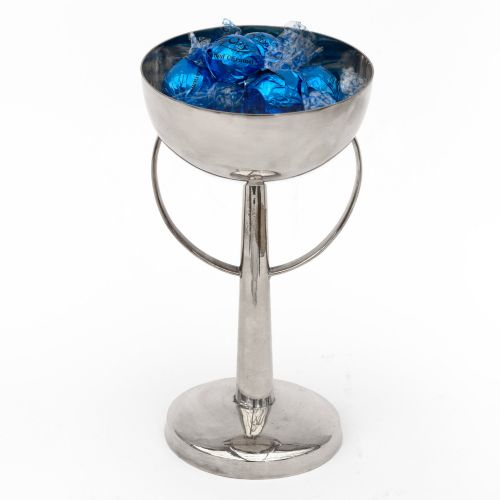
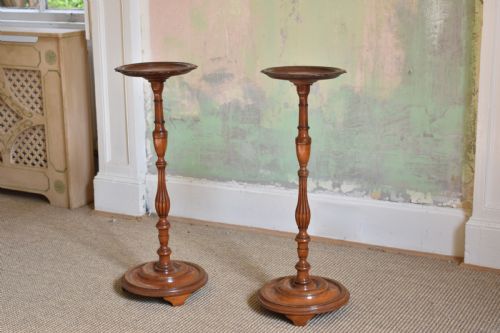
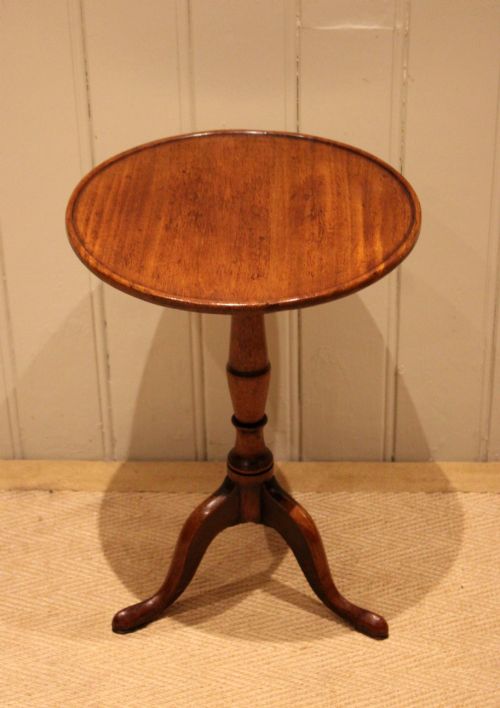
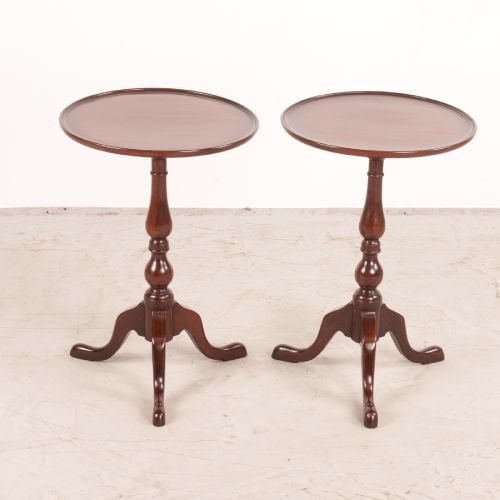
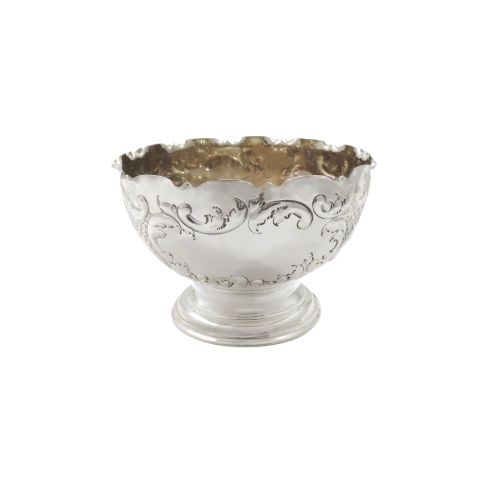
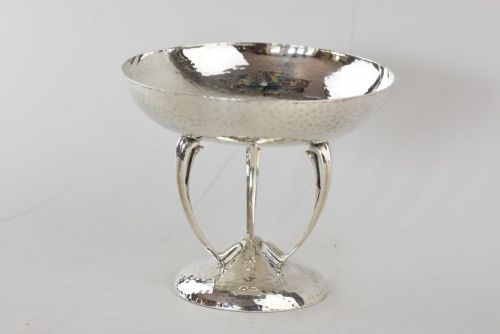
An antique pedestal dish encompasses raised serving vessels, footed bowls, comports, and tazzas designed to display fruit, sweetmeats, or decorative arrangements. These forms cross paths with wine tables and occasional stands that share a raised central support or columnar base.
The pieces appearing on this page span the Georgian, Victorian, and Edwardian eras, alongside later twentieth-century interpretations. Materials range from sterling silver and silver plate to porcelain, cut crystal, and various hardwoods including mahogany and oak.
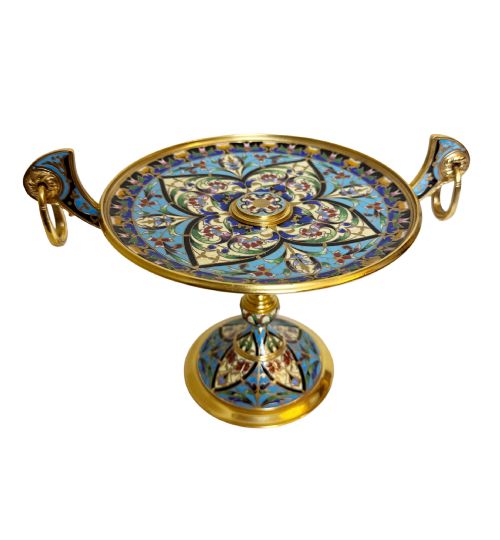
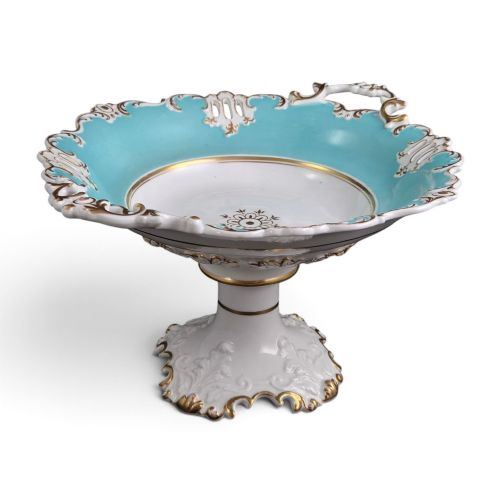
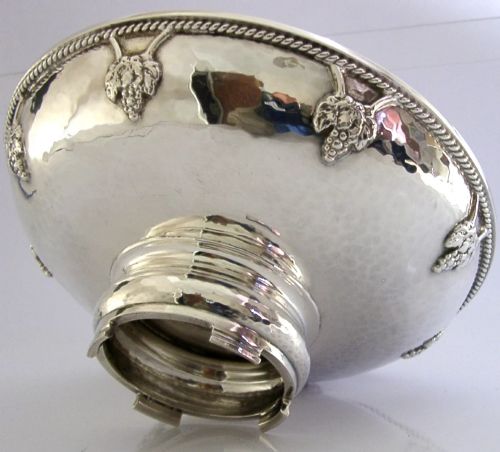
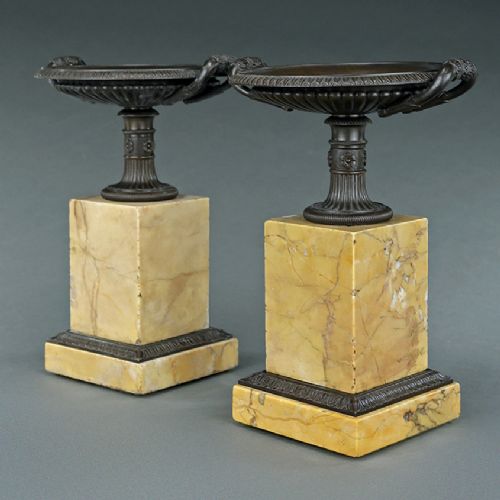
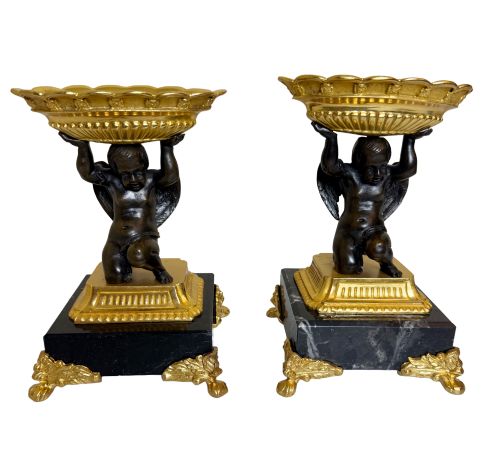
Originating from diverse European workshops, these items include French gilt bronze and marble pieces, English porcelain comports, and Arts and Crafts hammered silver. Their functions shift from formal dining service to architectural display upon occasional furniture.
What Varies in Quality
The refinement of the casting and the crispness of chased or carved ornamentation separate standard production from superior output. Hand-planished hammer marks and detailed figural mounts indicate greater maker investment than pressed or stamped alternatives.
Material selection dictates longevity and visual weight, from heavy-gauge sterling silver and thick-cut crystal to dense, well-figured mahogany and fine porcelain bodies. The integrity of assembly, whether joinery in wooden tables or the secure seating of bowls on bronze bases, determines structural balance.
Object forms range from traditional tazzas and wine tables to lidded porcelain dishes and pierced fruit baskets.
Goldsmiths and Silversmiths Company·Liberty and Co·Mappin and Webb·George W Scott and Sons Ltd
The Antique Pedestal Dish Glossary
- Tazza
- A shallow bowl or saucer mounted upon a stem and foot. This Italian form serves as a display piece for fruit or sweetmeats.
- Comport
- A footed dish or bowl used on the dining table for serving fruit or confections. They often match large ceramic or glass dinner services.
- Planished
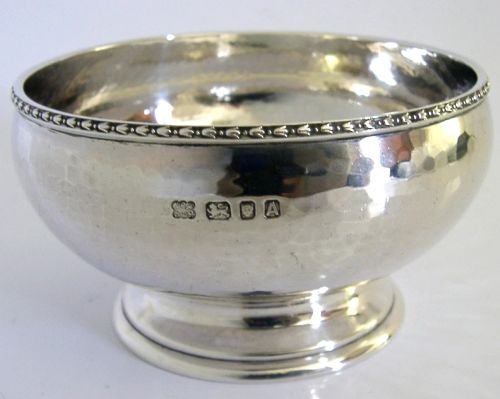
- A metal surface finished by hammering with a small, flat-faced tool. This technique creates a textured pattern that scatters light across silver or pewter.
- Tripod Table
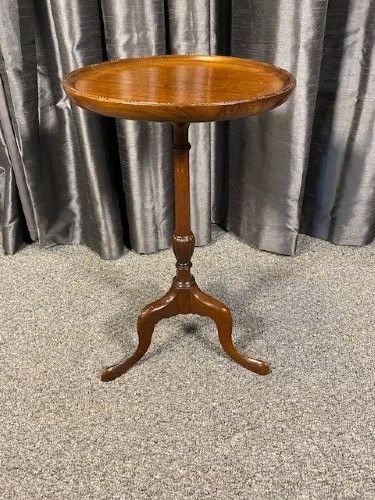
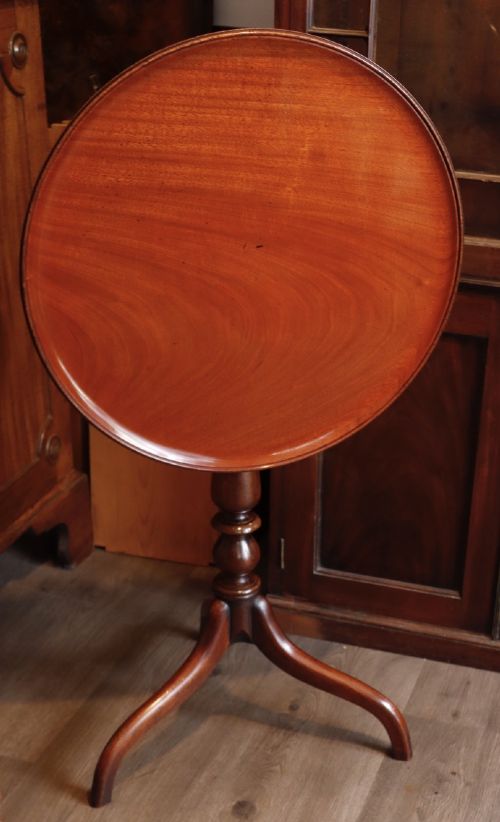
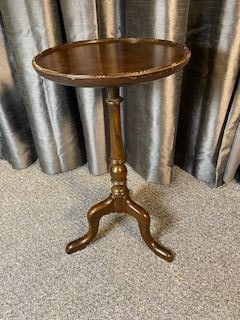
- A small occasional table supported by three legs radiating from a central pillar. Many feature tilt-top mechanisms for storage.
- Champlevé
- An enamelling technique where troughs or cells are sunk into the surface of a metal object and filled with vitreous enamel. The surrounding metal remains visible as part of the design.
Antique Pedestal Dish: Frequently Asked Questions
What is an antique pedestal dish used for?
These elevated vessels serve primarily to present fruit, sweetmeats, or small floral arrangements on dining tables and sideboards. Their raised height draws the eye and creates visual layers among flat tableware.
In domestic settings, smaller versions function as bonbon dishes or salt cellars, while larger comports and tazzas act as decorative centerpieces.
How do I distinguish Victorian from Georgian pieces?
Georgian items display restraint and classical proportion, often utilising mahogany, walnut, or early porcelain bodies with balanced, restrained ornament. Victorian examples frequently embrace heavier ornamentation, eclectic revivals, and diverse materials like silver plate and gilt bronze.
Examining the manufacturing marks, metal gauges, and decorative motifs helps align a piece with its respective period.
Are wooden wine tables considered pedestal dishes?
While wine tables function as occasional furniture rather than serving dishes, they share the defining architectural characteristic of a central pedestal base supporting an elevated top. Both forms rely on balanced vertical stems to lift their primary surfaces.
Collectors often group these wooden stands alongside footed bowls and comports when curating display spaces.
How do I care for silver and glass pedestal dishes?
Silver vessels require gentle cleaning with appropriate non-abrasive polishes to preserve patination and avoid wearing down fine chasing or hallmarks. Cut crystal and glass components need lukewarm water and mild detergent, avoiding sudden temperature changes to prevent cracking.
Wooden pedestals benefit from occasional wax application to nourish the grain and protect the finish.