


Antique Pedestal Console
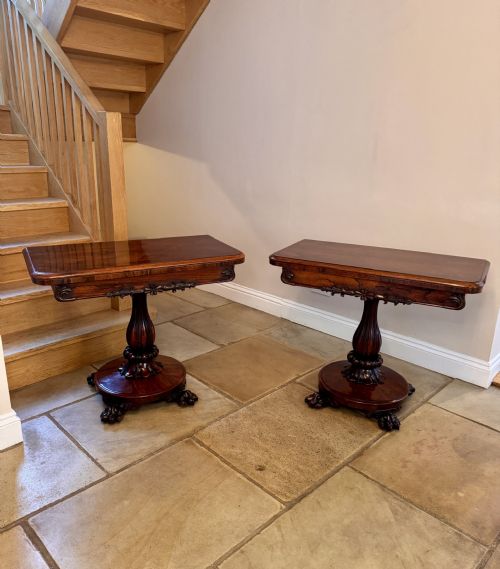
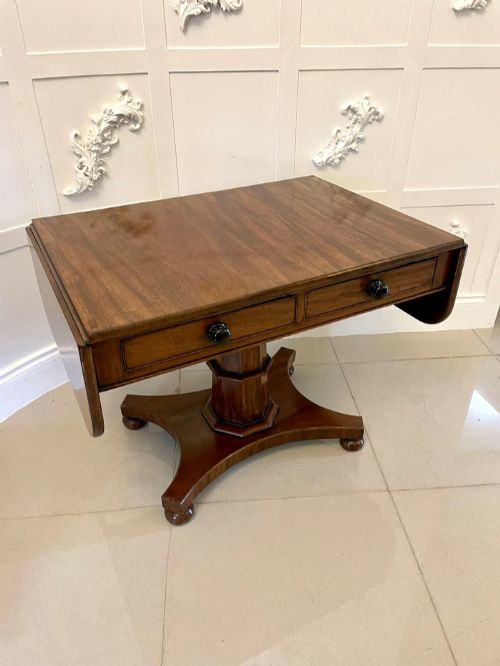
An antique pedestal console brings classical architectural dignity to a hall or drawing room through robust timber and sturdy central support.
Antique Pedestal Console
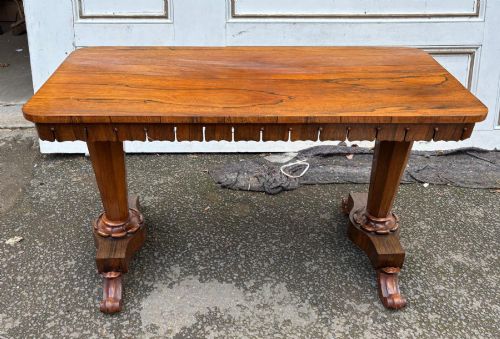
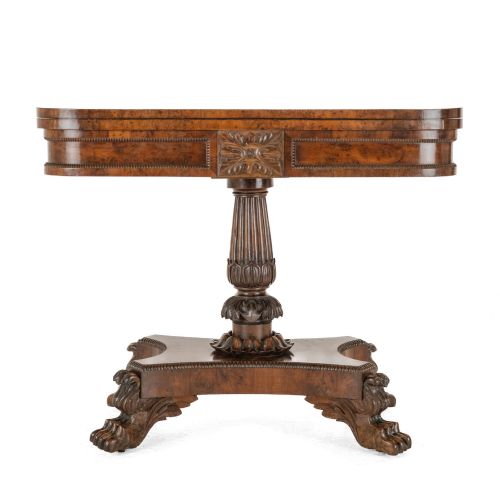
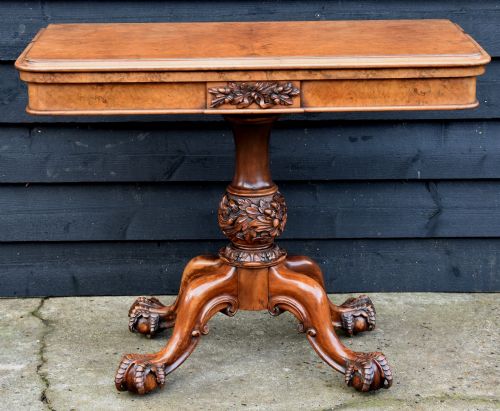
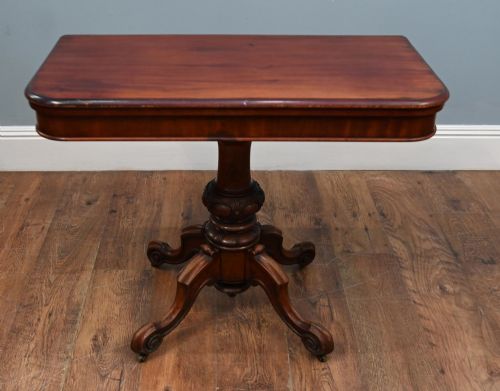
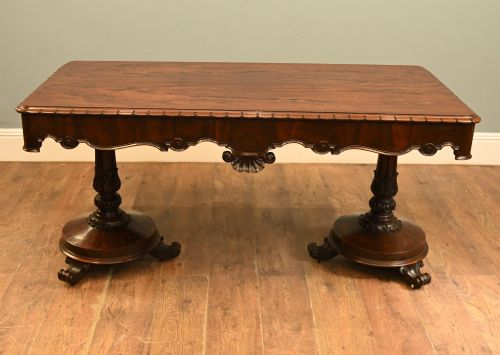
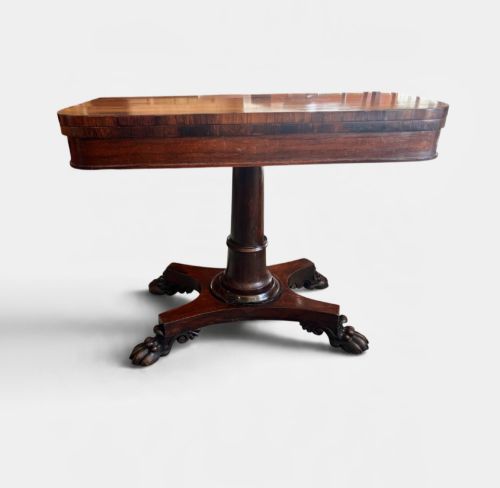
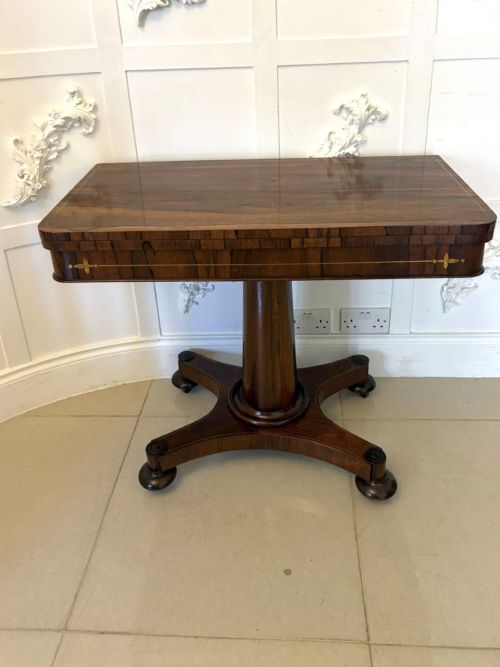
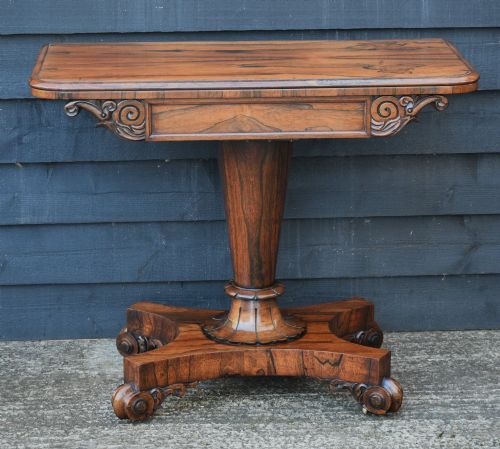
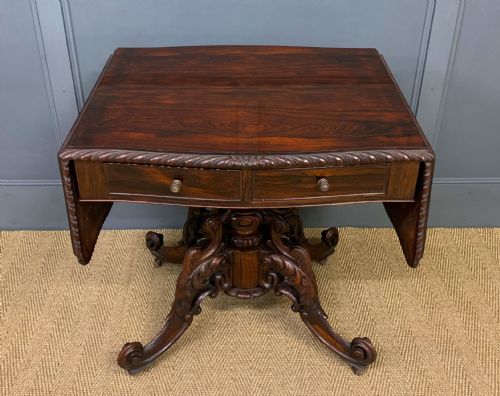
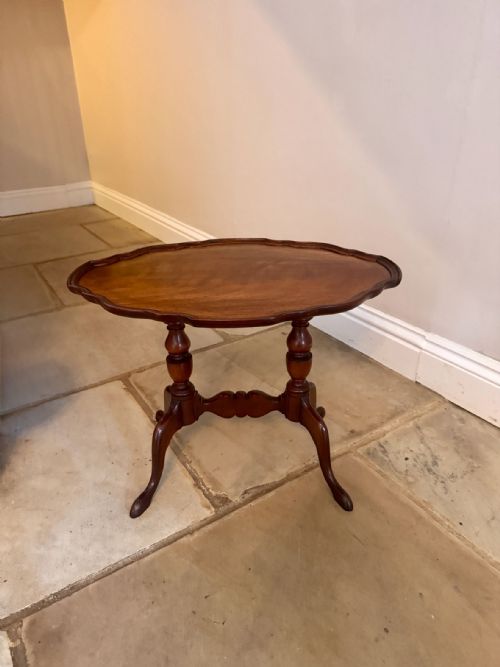
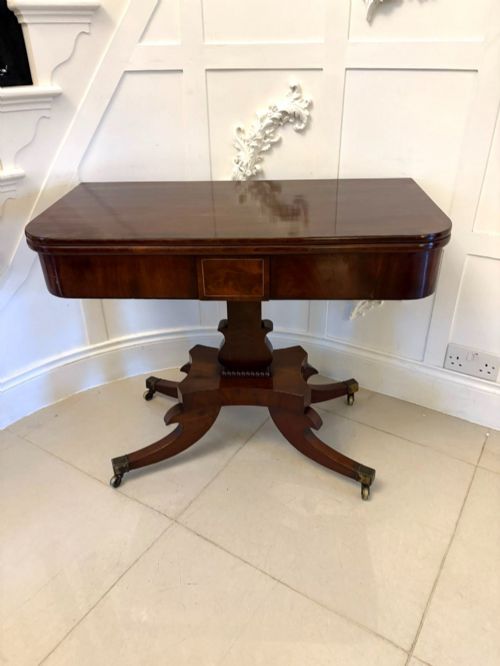
Most examples hail from the Regency, William IV, and Victorian eras, spanning the nineteenth century alongside select late Georgian and Art Deco instances. These forms rely on a central pillar or carved basket base resting on a platform rather than four corner legs, creating a distinctive profile.
Materials and construction
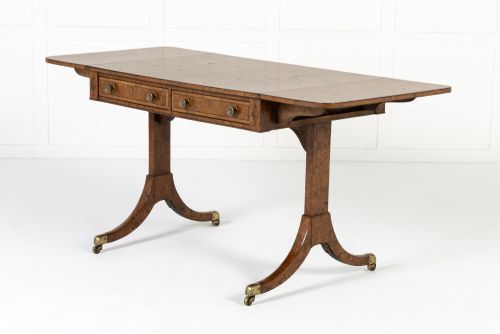
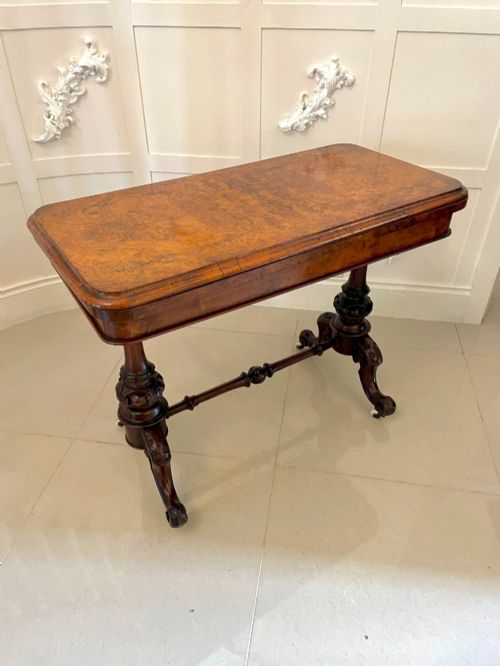
Cabinetmakers utilised rich timber veneers including mahogany, flame mahogany, rosewood, walnut, and burr walnut over solid secondary woods. Figured grains were carefully selected to catch the light on tabletops and pedestals.
Brass inlay and subtle carving frequently accent the rosewood and mahogany surfaces, particularly on Regency and William IV pieces. Fold-over tops, drop leaves, and swivel mechanisms demonstrate intricate nineteenth-century joinery.
Antique Pedestal Console Retail Price Guide 2026
Typical asking prices for pedestal console among the pieces listed under this phrase on Sellingantiques today, from the lower quarter to the upper quarter. They describe what is for sale here now, not the wider market.
Listings span the eighteenth century, Regency, William IV, Victorian, and Art Deco periods, executed in mahogany, rosewood, walnut, and brass.
Evaluating the craftsmanship
The distinction between standard production and superior workshop output lies in the choice of timber figure and the crispness of carved details on the pedestal base. Highly figured mahogany, burr walnut, and precise brass inlay indicate an elevated commission.
Structural stability in the central pillar and the smooth operation of swivel or folding mechanisms separate enduring examples from lesser items. Proportions that balance a heavy top upon a solid platform reflect the designer's intent.
George Bullock
The Antique Pedestal Console Glossary
- Console table
- A table designed to stand against a wall, frequently supported by a pillar or brackets rather than four freestanding legs.
- Pedestal base
- A central column or support resting on a platform or plinth, carrying the weight of the tabletop.
- Fold-over top
- A hinged timber top that opens out to double the surface area, commonly found on card and games tables.
- Figured mahogany
- Timber cut to reveal distinctive grain patterns such as flame or mottle, prized for decorative tabletops.
- Brass inlay
- Metal strips or motifs set flush into the wooden surface, characteristic of Regency cabinetwork.
Antique Pedestal Console: Frequently Asked Questions
What is an antique pedestal console?
An antique pedestal console is a nineteenth-century table supported by a central pillar or column rather than standard corner legs. These pieces were built to stand against walls or function flexibly as card, tea, and sofa tables.
The pedestal design allowed greater legroom for sitters and presented a striking architectural silhouette in drawing rooms and reception spaces.
How do I identify a Regency console?
Regency consoles and card tables typically display classical restraint, incorporating rosewood or mahogany veneers accented with fine brass inlay. Sabre legs or circular platforms with central columns dominate this period.
The maker's hand often shows in the precision of the brass work and the rich figuring chosen for the fold-over top.
Where should I place a pedestal table?
These tables sit naturally against a hallway wall or beneath a mirror as a decorative console when closed. Many designs feature fold-over tops that open easily for use as card or tea tables during gatherings.
Their freestanding nature also permits placement toward the centre of a room if the timber grain on the back matches the front.
How do I care for rosewood and mahogany?
Maintain antique polished timber by keeping it away from direct sunlight and sudden temperature shifts that cause wood to split. Regular dusting with a soft, dry cloth preserves the finish without building up heavy wax layers.
Occasional light feeding with appropriate furniture wax maintains the depth of grain in walnut and flame mahogany.