



Antique Patterned Footstool
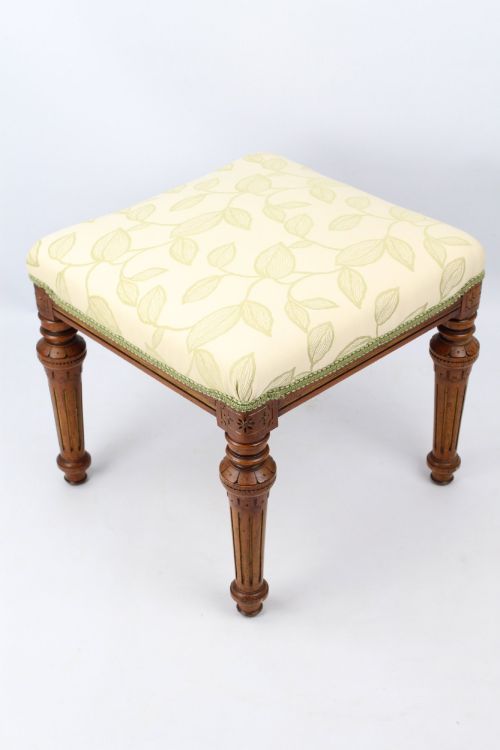
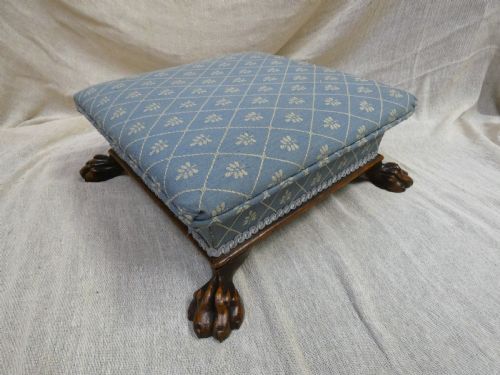
An antique patterned footstool brings texture and period character to a room, offering low seating or a place to rest tired feet.
Antique Patterned Footstool
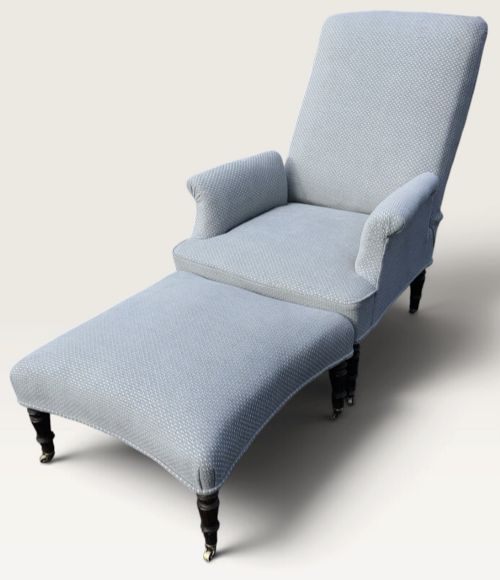
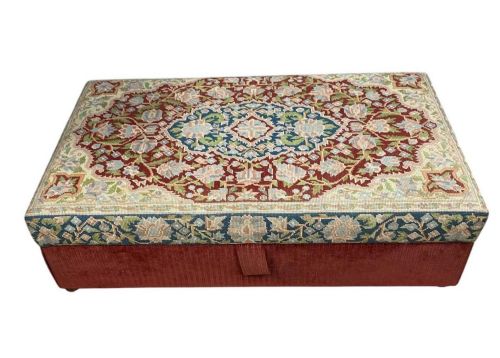
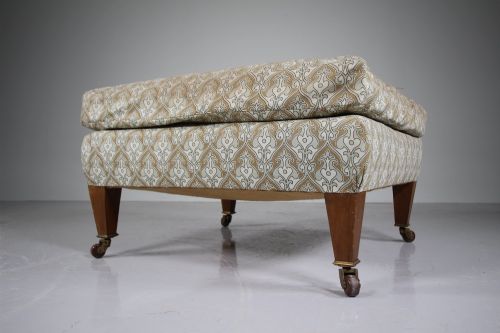
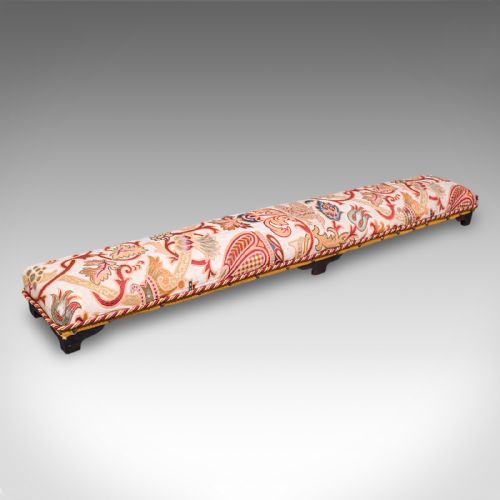
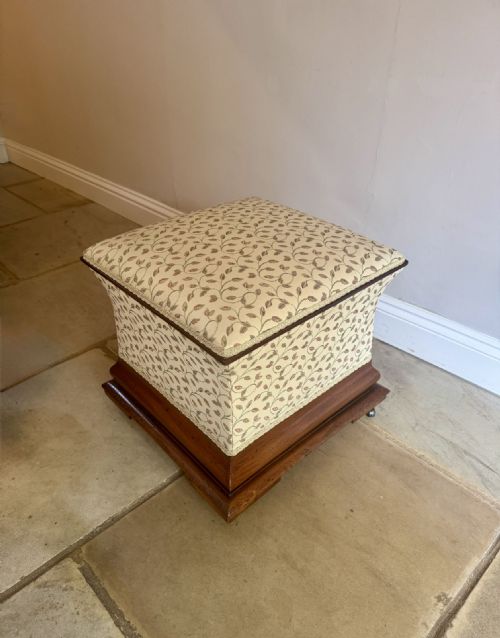
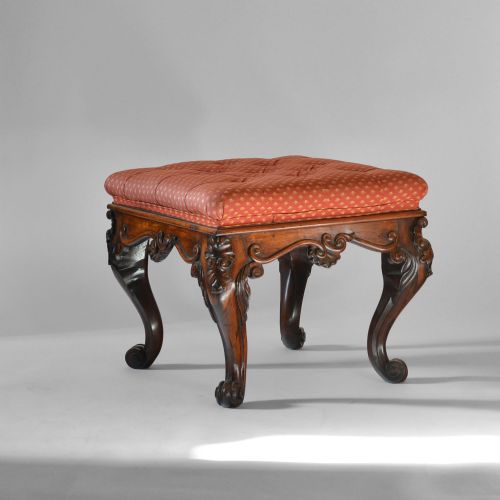
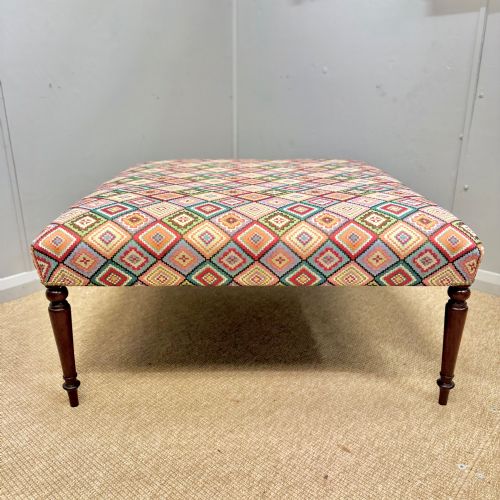
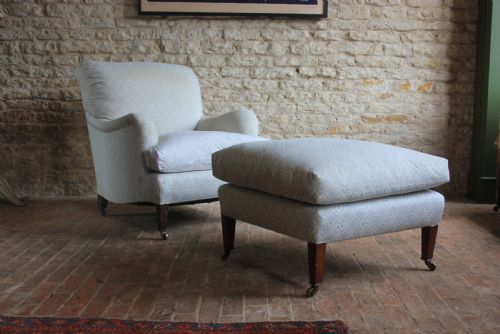
An antique patterned footstool takes many forms across this selection, from compact footstools to large ottomans and dressing table stools. The most common examples you will encounter date from the Victorian period and the nineteenth century, though earlier Georgian and later Edwardian pieces also appear.
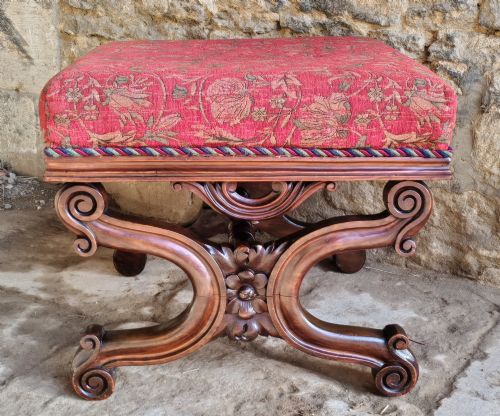
Makers utilised various timber frames, including mahogany, rosewood, oak, and walnut, paired with patterned fabrics such as Kilim and Liberty prints. Forms range from simple x-frame stools to elaborate carved centre stools and Anglo-Indian designs.
How they were made
The construction relies on solid hardwoods like mahogany, rosewood, and oak, shaped into frames through traditional joinery and detailed carving. Brass elements sometimes accent the timber structures, while textiles cover the padded tops.
Upholstery techniques involve securing fabric, including cotton and woven tapestries, over internal padding to create a durable, patterned surface suitable for daily use.
Antique Patterned Footstool Retail Price Guide 2026
Typical asking prices for patterned footstool among the pieces listed under this phrase on Sellingantiques today, from the lower quarter to the upper quarter. They describe what is for sale here now, not the wider market.
Some nineteenth-century ottomans doubled as work boxes, hiding sewing needles and threads beneath the padded seat for discreet Victorian crafting.
What varies in quality
The distinction between standard and superior pieces rests upon the crispness of the timber carving and the integrity of the frame construction. Heavier woods and more complex silhouettes, such as x-frames or waisted ottomans, indicate finer craftsmanship.
The choice and execution of the upholstery also dictate the tier of the piece, with matched designer textiles and hand-finished details separating ordinary examples from exceptional ones.
Howard & Sons·Liberty & Co
The Antique Patterned Footstool Glossary
- Ottoman
- A low upholstered seat or footstool without a back or arms, often featuring internal storage or a generous padded top.
- Kilim
- A flatwoven textile originating from the East, frequently utilised to cover nineteenth-century stools for a distinct geometric pattern.
- X-frame
- A structural furniture design where intersecting diagonal supports form an 'X' shape beneath the seat.
- Rosewood
- A dense, richly grained timber favoured in fine nineteenth-century cabinet making and seating frames.
Antique Patterned Footstool: Frequently Asked Questions
How do I use a footstool?
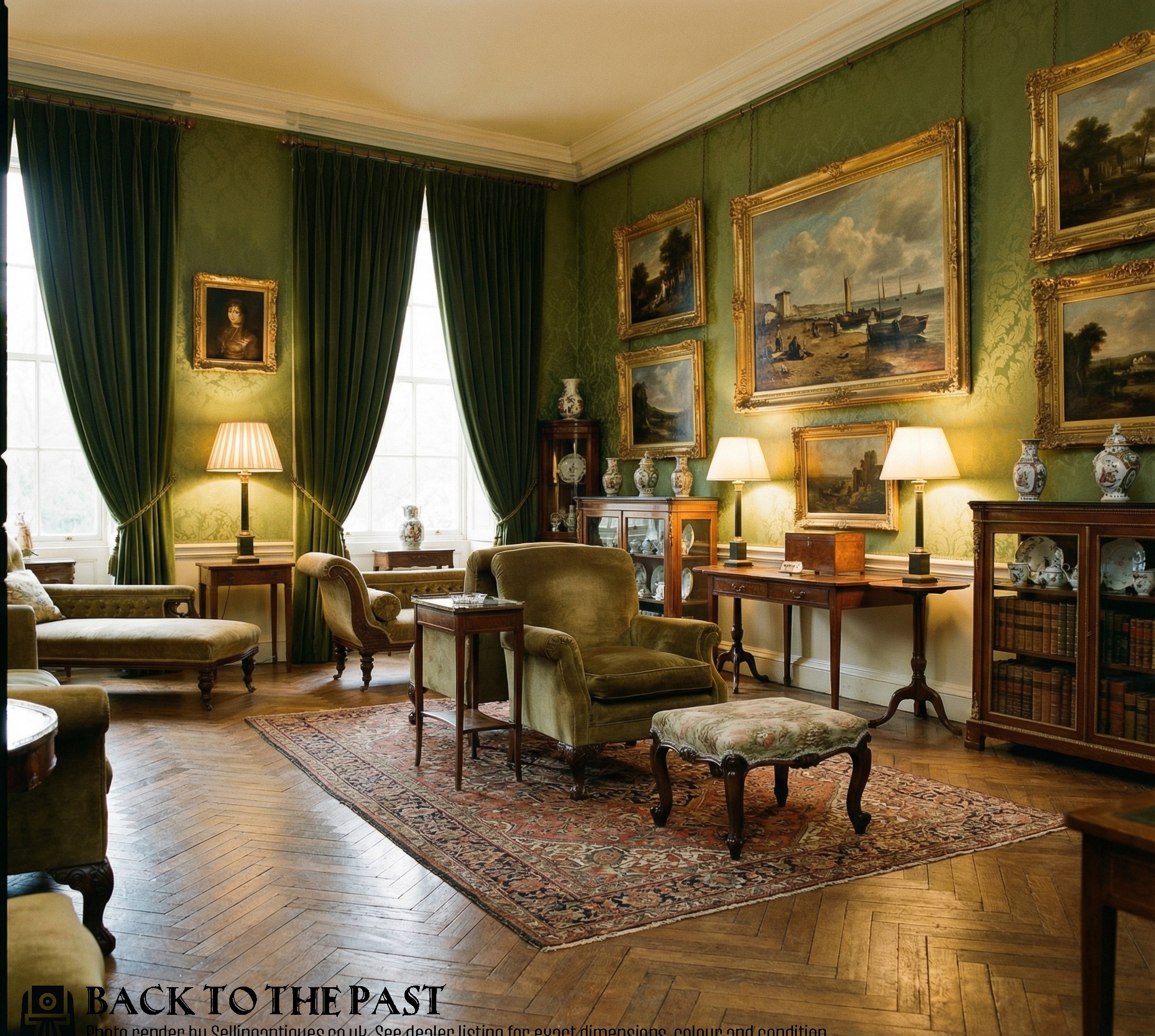
These pieces serve primarily as a rest for the feet when placed before an armchair or sofa. They also function independently as low seats or decorative centre stools in a room.
Larger ottoman variations can double as impromptu coffee tables or storage boxes when paired with a rigid tray top.
How do I date a footstool?
Dating relies on observing the timber species, carving style, and upholstery methods visible on the frame. Victorian examples often display heavy rosewood or mahogany with elaborate revival details.
Earlier Georgian or later Edwardian pieces exhibit distinct stylistic proportions and joinery techniques characteristic of their respective eras.
Are these stools comfortable?
Comfort depends entirely on the original padding and modern reupholstery work. Most feature firm, traditional stuffing designed to support the feet or provide a stable seating platform.
Historical pieces may feel firmer than modern squab cushions due to period upholstery methods.
Can I reupholster an antique stool?
Reupholstering is common practice and allows you to preserve the antique wooden frame while updating the fabric to suit your interior. Many collectors choose period-appropriate textiles like Kilim or Liberty cotton to maintain historical sympathy.
Professional upholsterers ensure the internal webbing and padding remain secure without damaging the timber structure.