

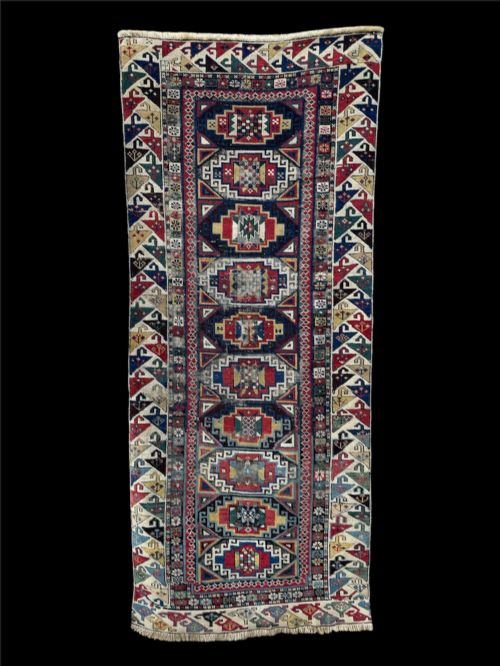


Antique Passage Runner
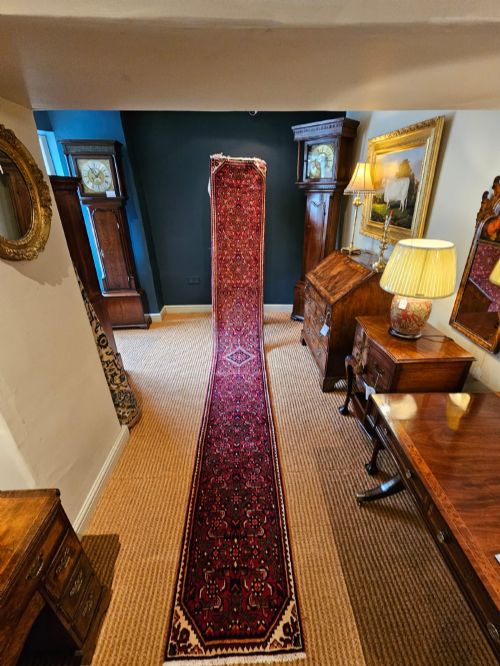
An antique passage runner is a long, narrow carpet designed for corridors, hallways and stairs, bringing rich historical pattern and texture to high-traffic areas.
Antique Passage Runner
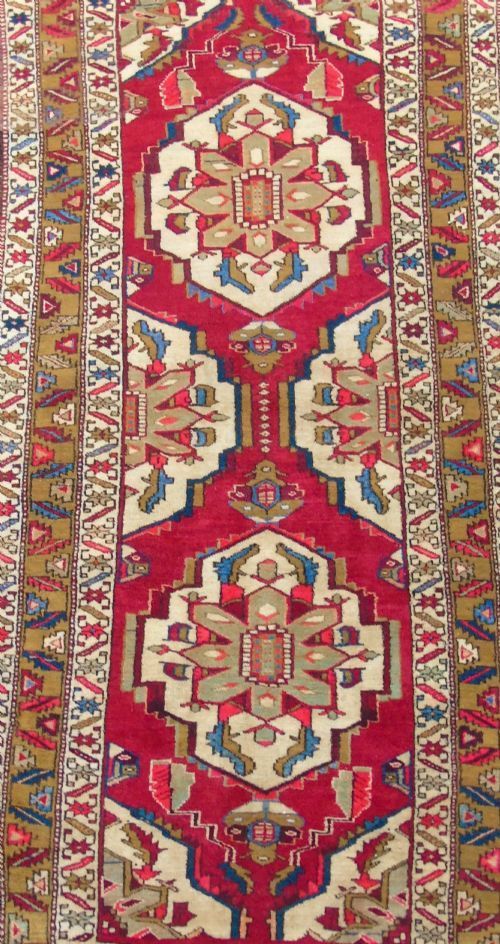
When you search for an antique passage runner, you are looking at elongated carpets woven to line hallways, corridors and staircases. The pieces gathered here span from the nineteenth century into the 1930s, originating primarily from Persian and Caucasian weaving traditions. You will encounter tribal formats alongside more formal village productions, each piece scaled specifically for linear spaces.
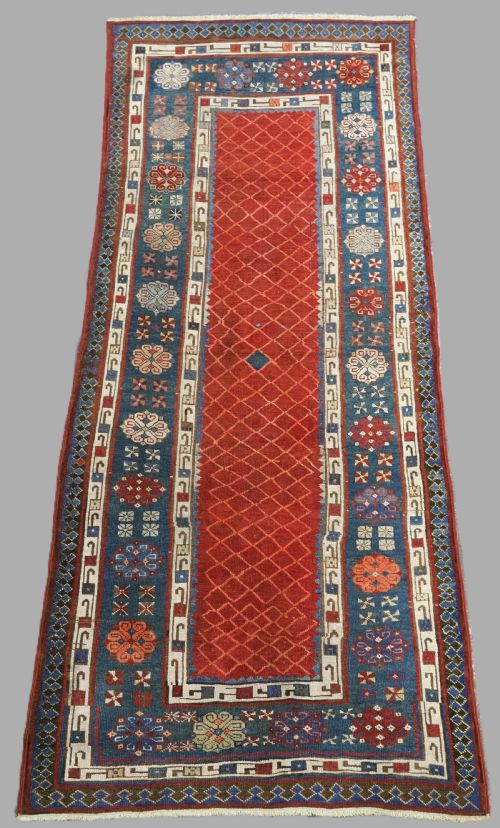
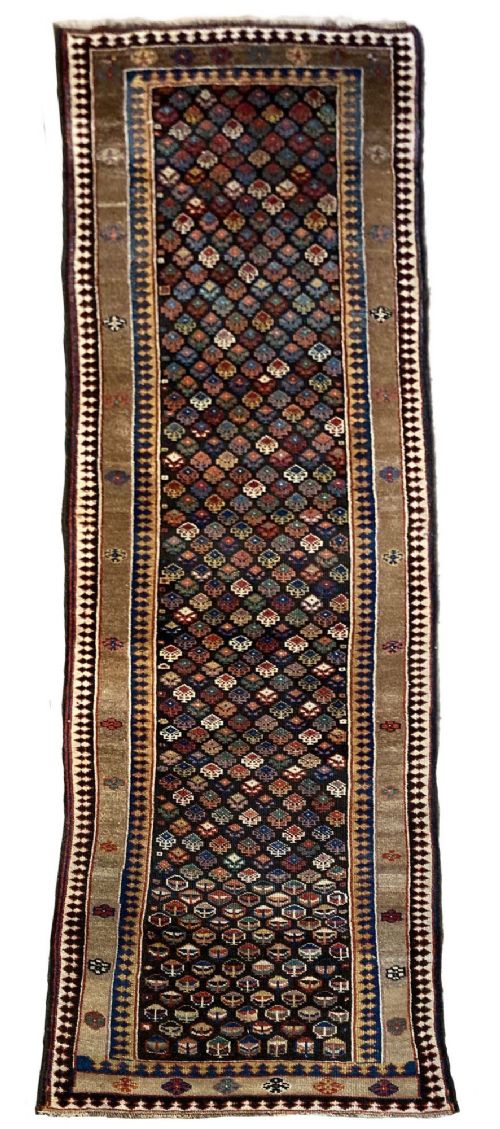
The most common examples on this page are Persian Heriz, Kurdish, and Caucasian runners, often displaying geometric medallions, lattice motifs or repeating shrub designs. These textiles served practical purposes in domestic architecture, protecting wooden floorboards while insulating cold hallways. Their proportions remain remarkably useful for modern interior spaces that require linear floor coverings.
How they were made
These runners are constructed using natural wool pile knotted onto wool or cotton foundations, utilising hand-spun yarns dyed with traditional organic materials. The density of the knotting varies according to origin, with Caucasian and Persian workshops employing sturdy knotting techniques suited to heavy daily foot traffic.
Weavers created intricate geometric and floral patterns using regionally specific palettes, from the deep indigo and madder reds of Persian Heriz and Kurdish workshops to the crisp white and blue grounds of Caucasian Talish and Shirvan pieces.
Antique Passage Runner Retail Price Guide 2026
Typical asking prices for passage runner among the pieces listed under this phrase on Sellingantiques today, from the lower quarter to the upper quarter. They describe what is for sale here now, not the wider market.
Geographic origins represented include Persian, Caucasian, Kurdish, and Afghan weaving traditions.
What varies in quality
Quality in an antique passage runner rests on the crispness of the drawing and the saturation of the natural dyes. Pieces with deeply saturated, varied colour palettes and precisely executed geometric or floral designs represent the upper tier of the weaving traditions.
The integrity of the wool pile and the retention of original side cordings and end finishes also dictate the standing of a runner. Finer knot density allows for sharper linear details in lattice and boteh motifs, elevating the visual rhythm along the length of the carpet.
The Antique Passage Runner Glossary
- Runner
- A long, narrow carpet format specifically proportioned for corridors, hallways, and staircases. These pieces measure significantly longer than they are wide.
- Boteh
- A stylised almond or paisley motif representing a floral spray or cypress tree, frequently repeated along the field of Persian and Kurdish carpets.
- Heriz
- A region in northwest Persia known for producing durable carpets featuring bold geometric medallions and strong, rectilinear formatting.
- Talish
- A Caucasian weaving style often characterised by long, narrow proportions, open coloured fields, and precise geometric border arrangements.
- Foundation
- The underlying grid of warp and weft threads, typically cotton or wool, that supports the knotted wool pile of the carpet.
Antique Passage Runner: Frequently Asked Questions
Where should I place an antique passage runner?
These long carpets suit narrow corridors, grand hallways, and straight staircases where their linear proportions can guide the eye. They add warmth and historical character to functional transit spaces in the home.
Ensure you use a suitable underlay to keep the runner secure on wooden or tiled floors, which also protects the antique wool foundation from friction.
How do I care for an antique wool runner?
Regular gentle vacuuming without a rotating brush roll keeps dust and grit from settling into the wool pile. Professional cleaning by a specialist in antique textiles is recommended every few years.
Avoid placing these pieces in direct, prolonged sunlight to protect the natural dyes from fading over time.
How can I tell a Persian runner from a Caucasian runner?
Persian runners, such as those from Heriz or Kurdish areas, tend to feature more curvilinear or structured floral elements alongside robust wool foundations. They often display rich, earthy red and blue tones.
Caucasian pieces from regions like Shirvan or Talish typically present sharper geometric layouts, crisp white grounds, and distinctive latch-hook motifs.
What periods do these runners date from?
The pieces available span from the nineteenth century through the early decades of the twentieth century, including examples woven around 1880, 1900, and up to the 1930s. Each era reflects the traditional dying and weaving practices of its specific origin.
Older nineteenth-century examples often display deeply oxidized natural dyes and distinct regional tribal patterns that evolved over generations of village weaving.