

Antique Parlor Furniture
Antique parlor furniture brings together seating suites, occasional tables, and cabinets from the nineteenth and twentieth centuries designed for formal reception rooms.
Antique Parlor Furniture
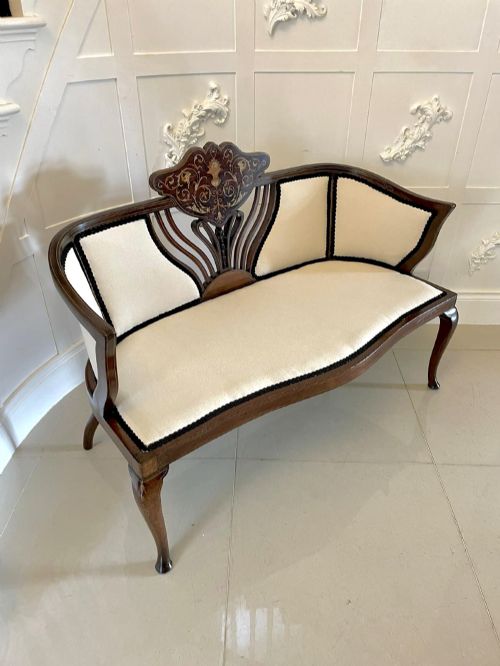
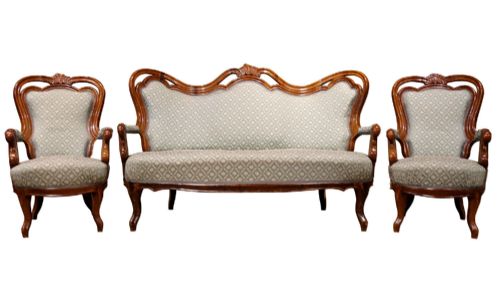
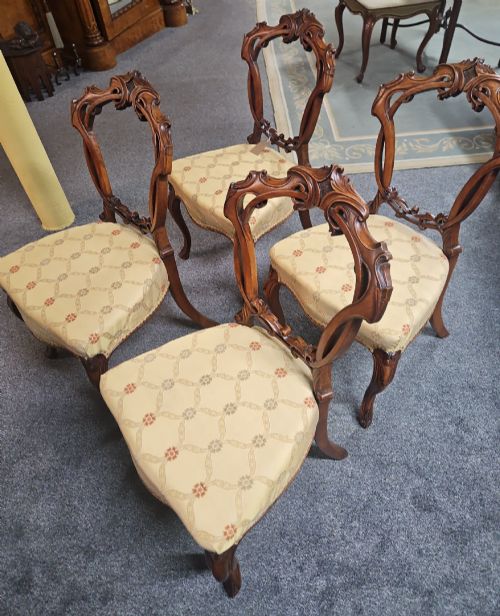
When you search for antique parlor furniture, you encounter pieces designed for the formal reception rooms of the nineteenth and early twentieth centuries, spanning periods from the Regency era through Victorian and Edwardian decades. The selection centres heavily on multi-piece salon suites, sofas, settees, and occasional tables intended for social gatherings.
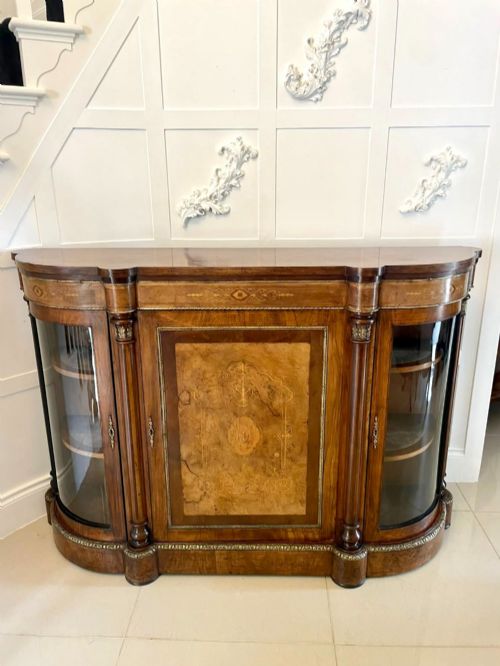
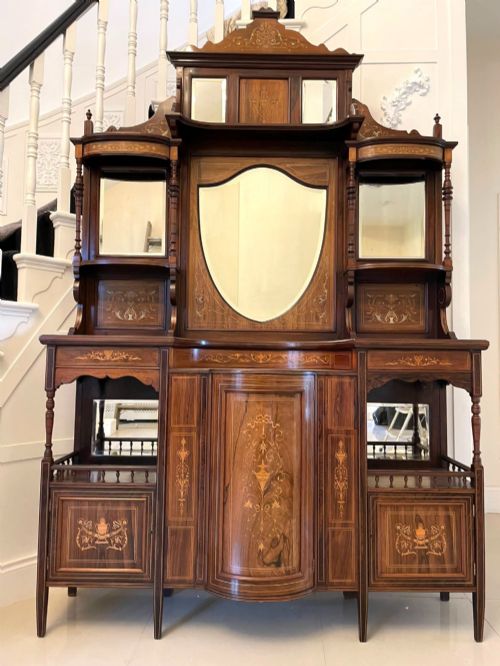
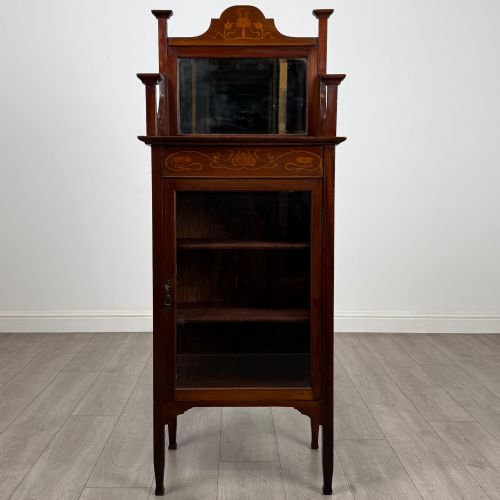
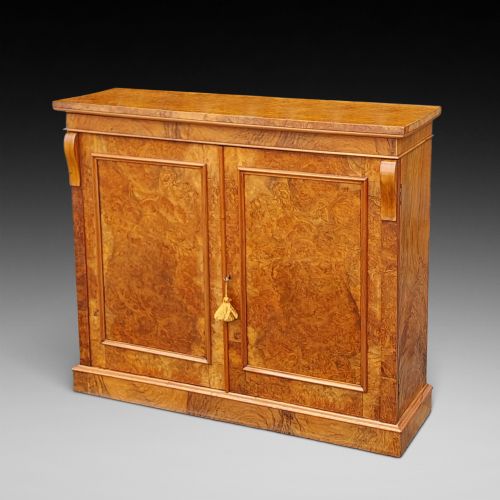
The material record on this page shows a strong presence of walnut, rosewood, and mahogany, alongside specialised forms like display cabinets, loo tables, and centre tables. Pieces range from large walnut drawing room suites down to small occasional tables and side cabinets.
Makers and regional workshops produced diverse stylistic expressions, including Rococo Revival, Aesthetic Movement, Arts and Crafts, and Scandinavian Neo-Classical designs. Buyers find both British productions and continental European pieces sharing the category.
Distinctions in quality and execution
The distinction between standard commercial output and superior craftsmanship rests on the crispness of carved woodwork, the precision of inlaid veneers, and the integrity of structural joinery. Exhibition quality pieces demonstrate elevated hand-carving and careful timber selection.
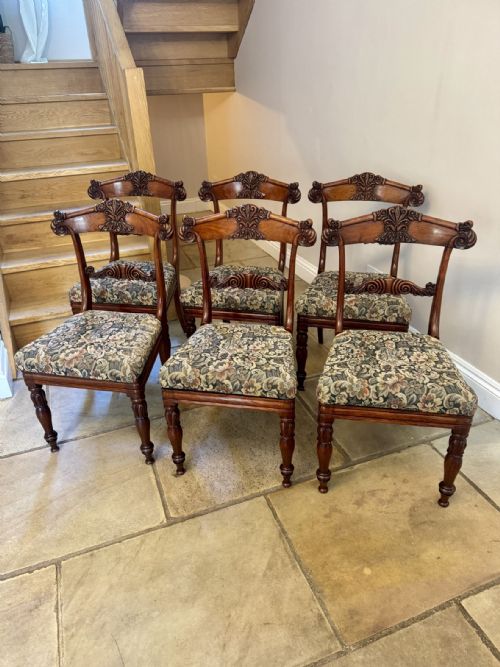
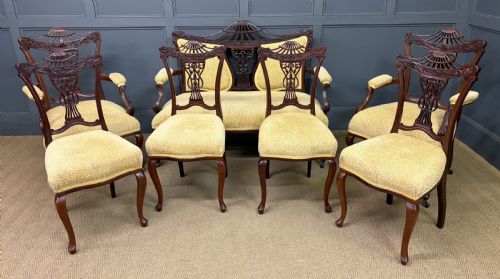
Coherence within multi-piece salon suites dictates overall desirability, where matching sets maintain uniform timber grain, carving depth, and upholstery execution across sofas and chairs.
An upright parlour gramophone from Leeds joins the walnut tables and rosewood cabinets.
C. Hindley And Sons·Garnett And Sons·U Phone Of Leeds·François Linke
The Antique Parlor Furniture Glossary
- Salon suite
- A matched set of seating furniture, typically comprising a settee and multiple armchairs or side chairs designed for formal rooms.
- Centre table
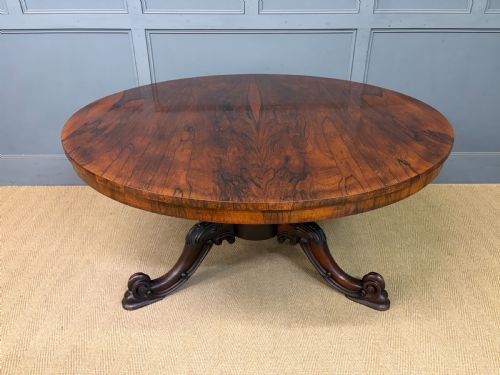
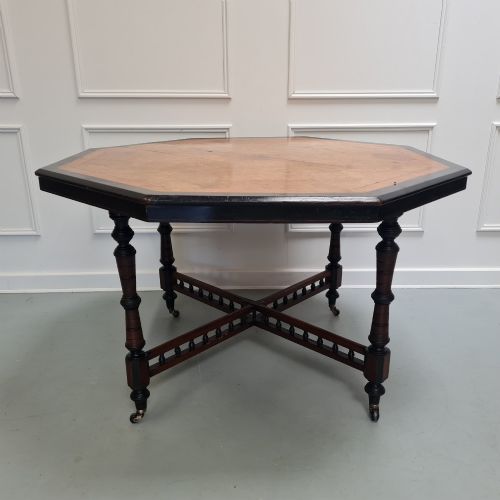
- A freestanding table designed to stand in the middle of a room rather than against a wall, frequently octagonal or round in plan.
- Inlay
- A decorative technique where contrasting woods or materials like boxwood and satinwood are fitted into recesses carved into a timber surface.
- Ormolu
- Gilded bronze mounts applied as decorative ornaments to furniture surfaces, common in continental and high-status pieces.
- Credenza
- A sideboard or display cabinet raised on legs or a plinth, featuring doors and sometimes glass panels for storage and exhibition.
Antique Parlor Furniture: Frequently Asked Questions
What is an antique parlor suite?
A parlor suite consists of coordinated seating pieces, usually combining a settee with matching armchairs and side chairs, designed to outfit a formal nineteenth or early twentieth-century reception room.
These suites ensure a unified decorative scheme for hosting guests, utilising matching timbers such as walnut or rosewood alongside consistent carving and upholstery.
How do I identify Victorian parlor furniture?
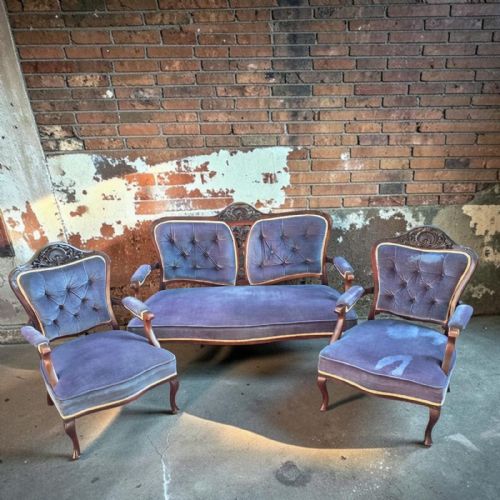
Victorian parlor pieces typically feature rich dark timbers like walnut and rosewood, deep buttoned upholstery, and revival styles such as Rococo Revival or Aesthetic Movement.
Construction from the mid to late nineteenth century often includes heavy carved details, cabriole legs on seating, and intricate inlay work on cabinets and tables.
What is an occasional table used for?
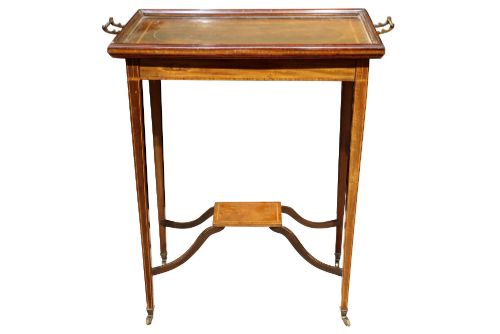
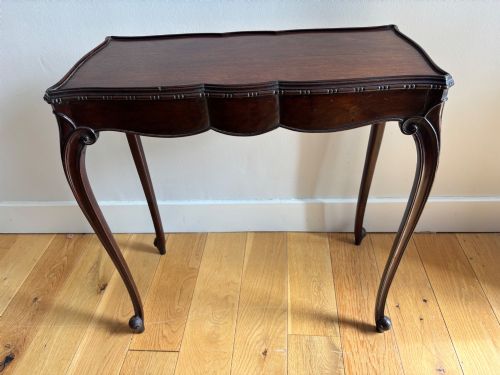
An occasional table served as a movable, light piece for holding decorative objects, books, or tea services in a parlor or drawing room.
Examples on this page include tray top designs, drum tables, and pedestal tables in mahogany, satinwood, and walnut.
How do Edwardian pieces differ from Victorian ones?
Edwardian parlor furniture tends to feature lighter timbers, satinwood and boxwood inlay, and Sheraton Revival influences compared to heavier Victorian designs.
Cabinet work from this period often emphasises display cabinets and occasional tables with slender proportions and refined decorative stringing.