


Antique Paper Print
When you search for an antique paper print, you are looking at historical engravings, lithographs, and maps spanning multiple centuries.
Antique Paper Print
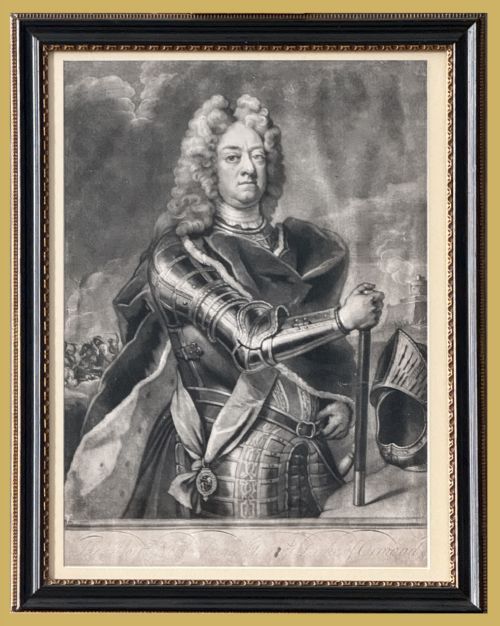
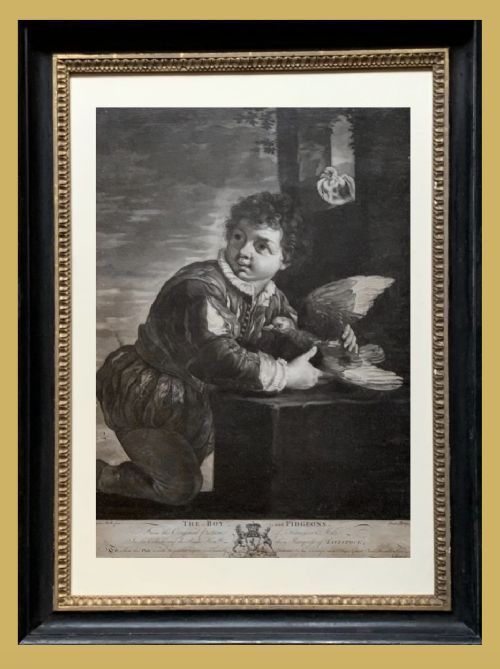
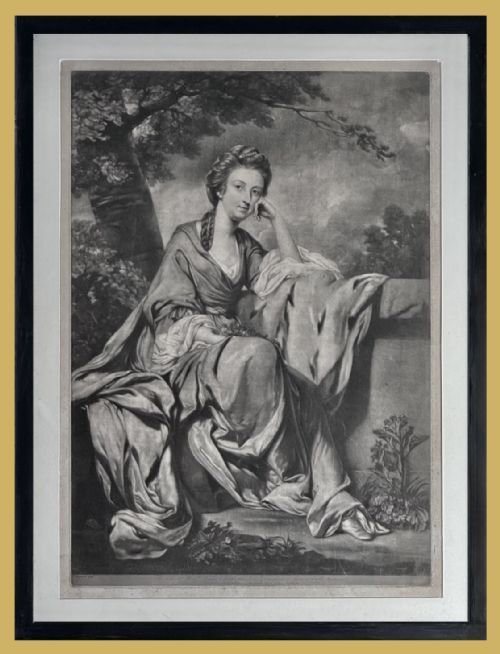
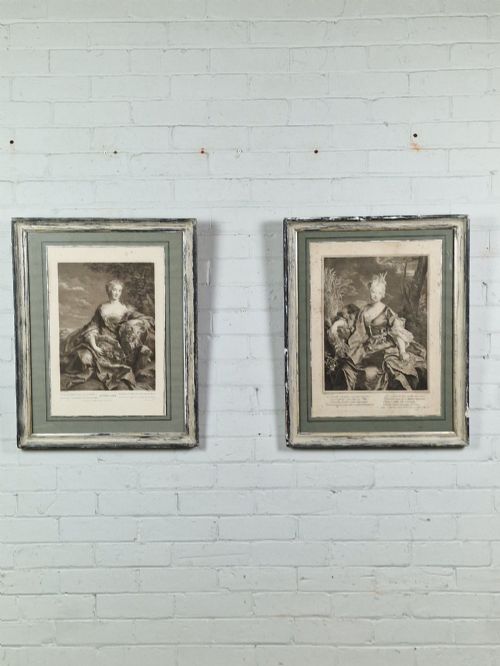
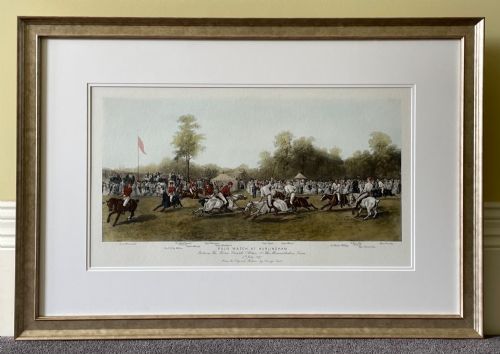
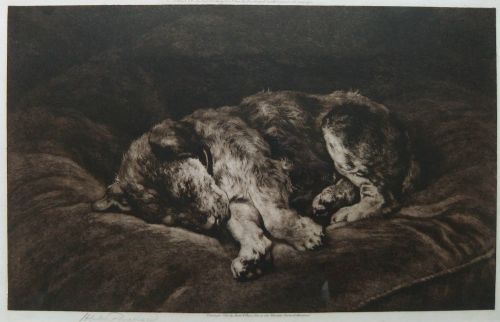
An antique paper print encompasses a wide array of works on paper, ranging from seventeenth-century maps and eighteenth-century mezzotint portraits to twentieth-century lithographs and advertising posters.
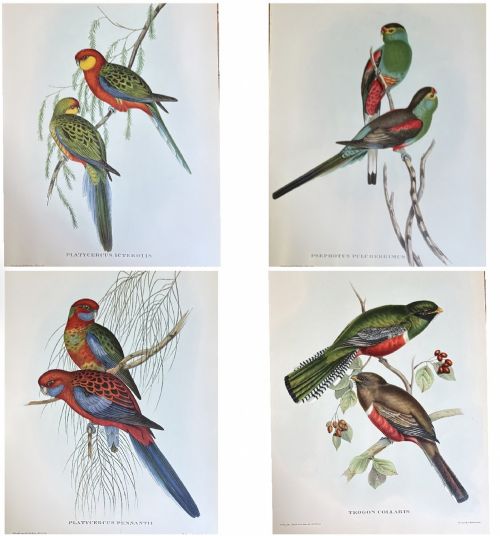
The selections visible here cover distinct artistic styles such as Baroque, Georgian, Victorian, and Art Deco, frequently presented as wall art, framed prints, or unframed sheets.
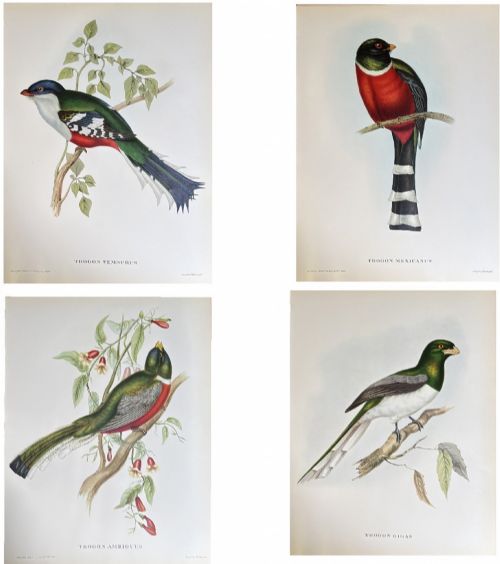
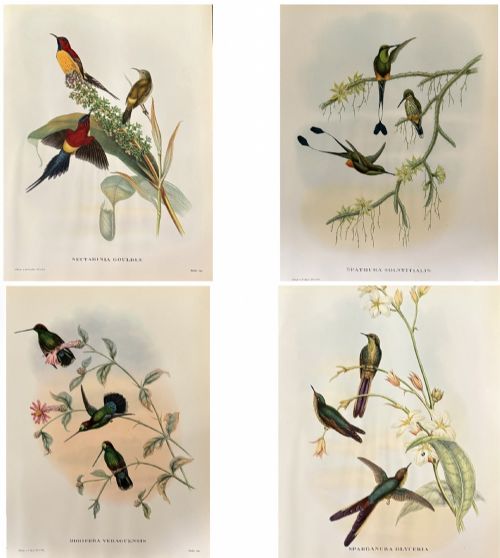
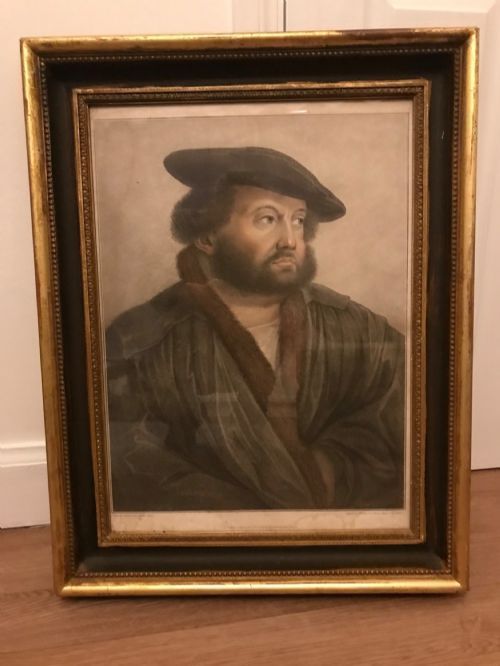
Buyers frequently encounter portraiture, botanical studies, architectural engravings, and topographical cartography produced across the seventeenth, eighteenth, nineteenth, and early twentieth centuries.
How they were made
The physical objects rely principally on paper sheets marked by ink, watercolour, or pastel, often finished with gold leaf highlights.
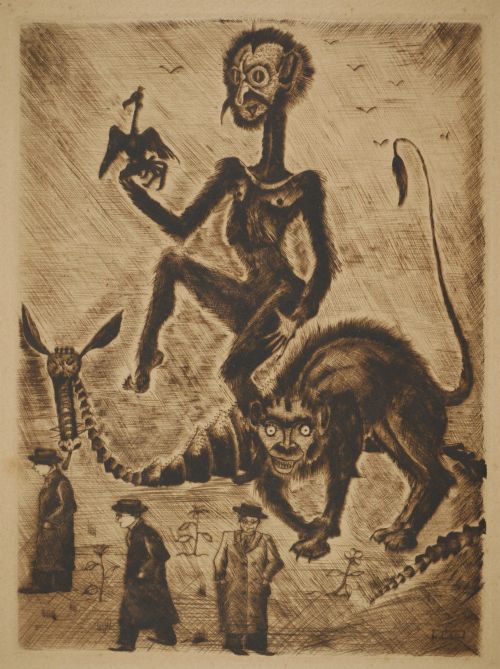
Printmakers utilised various techniques recorded in the evidence, including etching, mezzotint, stipple engraving, and lithography, applying pressure to transfer inked plates or stones onto the paper surface.
Many surviving examples are housed in period frames constructed from oak or giltwood, sometimes protected beneath glass panes.
Materials recorded across these listings include handmade paper, oak framing, gold leaf, and traditional printing ink.
What varies in quality
The visual strength of an impression separates superior examples from weaker ones, as plates worn down through repeated printings yield softer lines and muddy tones.
The clarity of the ink upon the paper and the precision of the original draughtsmanship determine the overall aesthetic impact of the sheet.
The integrity of the paper itself, along with the survival of contemporary hand-colouring or original framing materials, defines the standing of individual works.
John Simon·Michael Dahl·Kurt Lorein Victor Peiser·John Boydell·Pier Francesco Mola·Edward Fisher·Sir Joshua Reynolds·Francesco Bartolozzi·John Smith·G Kneller·J Sommer·Thomas Murray·James Watson·Sir William Nicholson·Joseph Sympson·Sir Peter Lely·W Dickinson·Elisabeth Sonrel·Andrew Bell·Marcellin Auzolle·James McArdell·Jeremiah Meyer·Thomas Watson·Blaeu·François Perrier
The Antique Paper Print Glossary
- Mezzotint
- A printmaking process where the copper plate is roughened to produce dark tones, allowing smooth gradations of light and shade. This technique was widely utilised for eighteenth-century portraiture.
- Lithography
- A planographic printing method based on the mutual repulsion of oil and water, enabling detailed tonal work on limestone or metal plates. It became prominent during the nineteenth and twentieth centuries for posters and multi-coloured plates.
- Etching
- A method where lines are bitten into a metal plate with acid before being inked and pressed onto paper. Master printmakers utilised this versatile technique for fine-line illustration.
- Cartography
- The science and practice of drawing maps, represented here by antique regional maps and county surveys. These sheets often feature decorative cartouches and contemporary hand-colouring.
- Stipple engraving
- A method of producing prints by means of dots rather than continuous lines, creating a soft, painterly effect. It gained popularity in the eighteenth century for reproducing delicate portraits.
Antique Paper Print: Frequently Asked Questions
How do I care for antique paper prints?
Keep works on paper away from direct sunlight and high humidity to prevent fading and foxing spots. Acid-free mounting materials protect the sheet during framing.
Ensure that glass does not touch the surface of the paper directly to allow air circulation and avoid moisture entrapment.
What is a mezzotint portrait?
A mezzotint is an intricate printmaking method that builds up rich dark backgrounds and subtle tonal gradations. Artists used this technique to translate oil paintings into popular prints.
Many eighteenth-century examples depict notable historical figures and royalty after painters like Sir Joshua Reynolds.
Are these prints original to their date?
The listings comprise period impressions created during the era of the maker or artist named. Archival prints bear the characteristic paper stocks and ink formulations of their specific century.
Examination of the plate marks and paper texture helps confirm the period of production.
How were antique maps produced?
Cartographers engraved geographical details onto copper plates before printing onto handmade paper. Subsequent details and boundaries were frequently added by hand using watercolour.
These sheets served both as practical navigation tools and decorative works for libraries and studies.