
Antique Panelled Chest
When you search for an antique panelled chest, you are looking for solid oak storage furniture built with stile and rail framing.
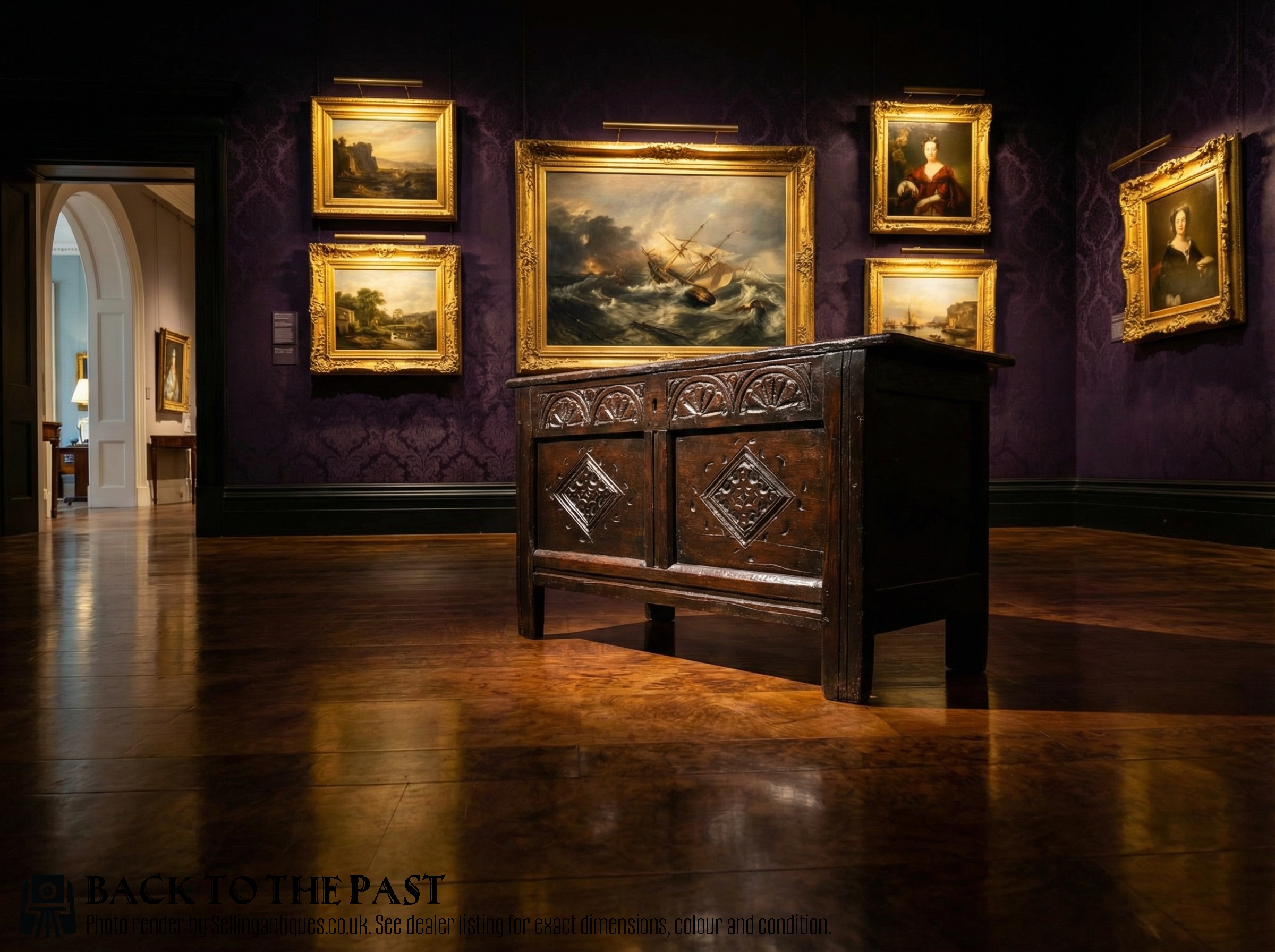
Antique Panelled Chest
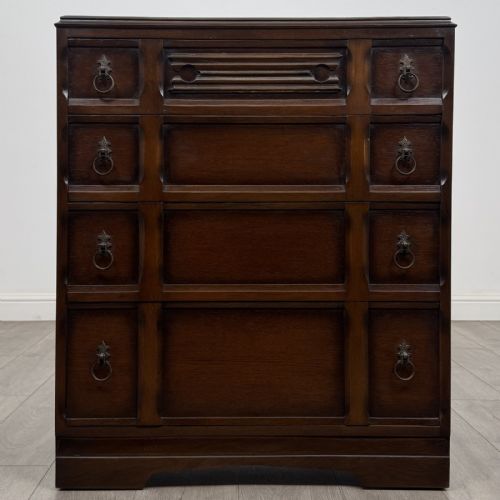
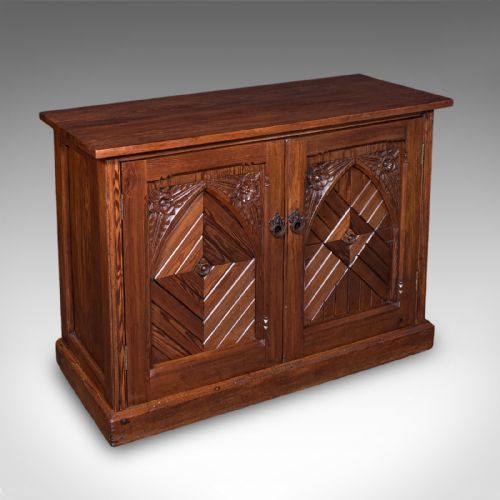
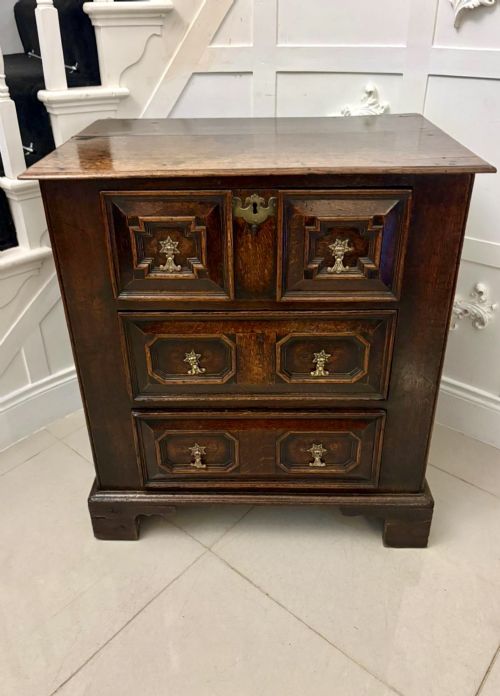
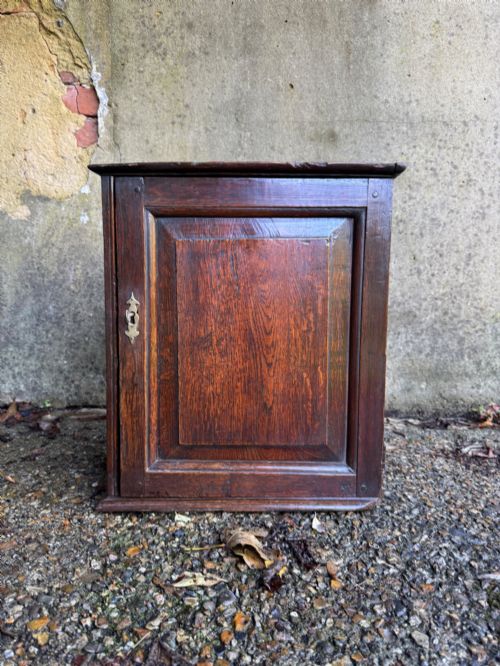
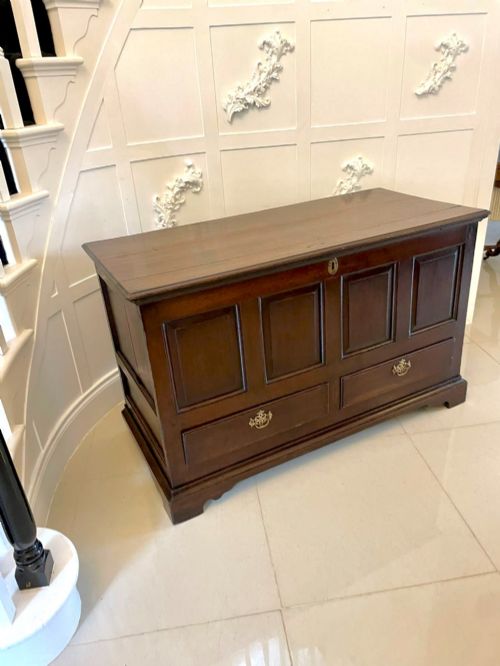
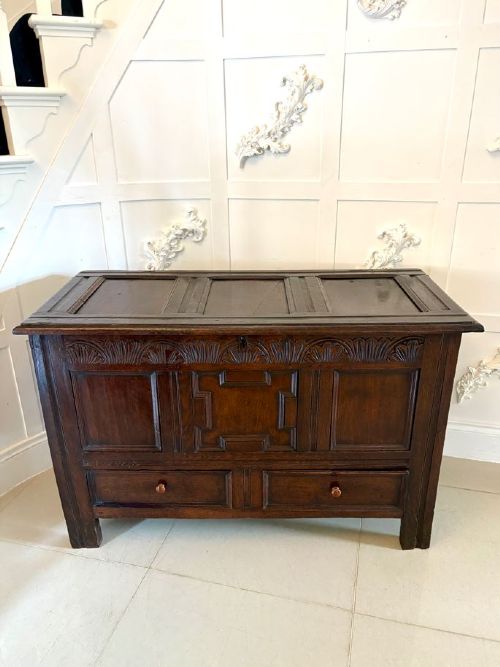
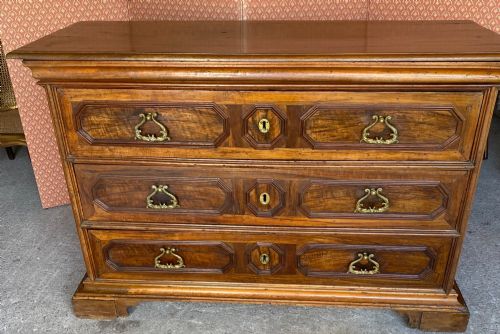
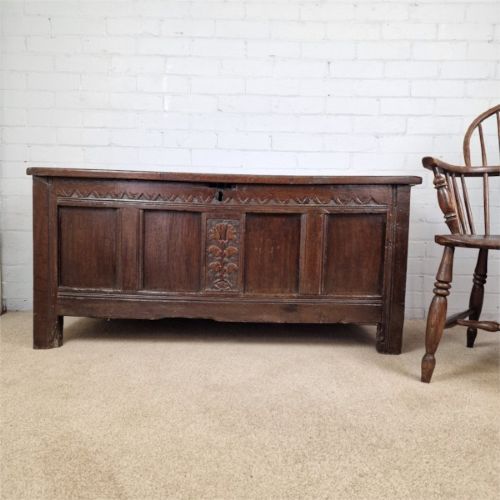
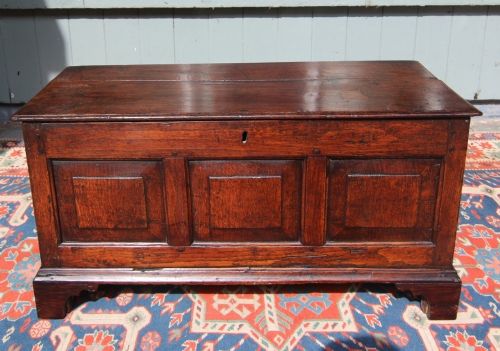
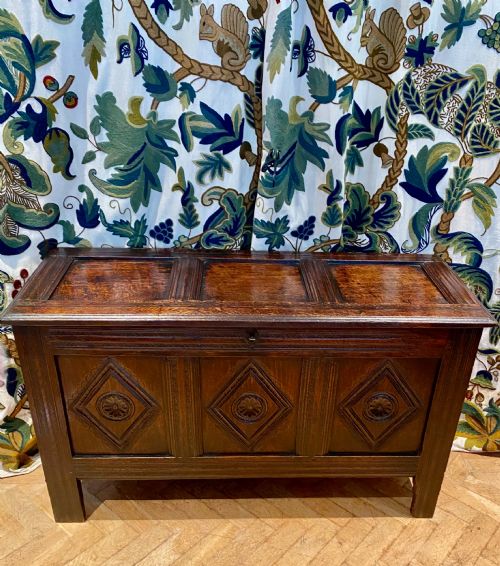
An antique panelled chest encompasses heavy storage forms built across the seventeenth and eighteenth centuries, including joined coffers, blanket boxes, mule chests, and early chests of drawers. These pieces served domestic households for linens, garments, and valuables, utilising sturdy construction methods designed to withstand centuries of daily use.
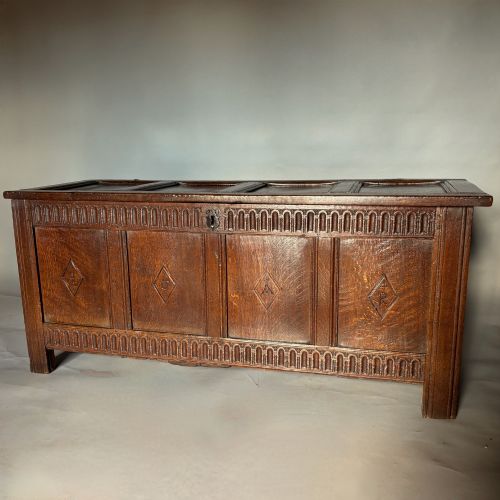
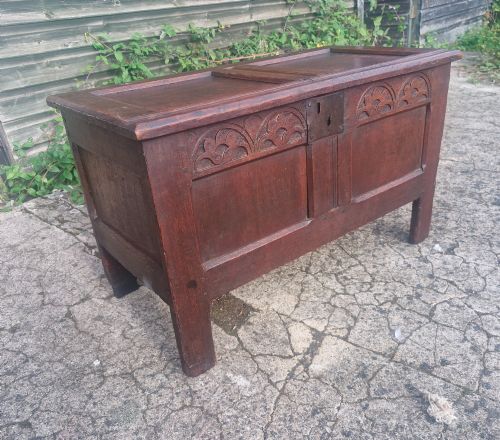
The most common examples met on this page are seventeenth-century and Georgian oak coffers and mule chests. These items display distinctive frame-and-panel construction, sometimes incorporating lower drawer tiers or geometric mouldings typical of the period.
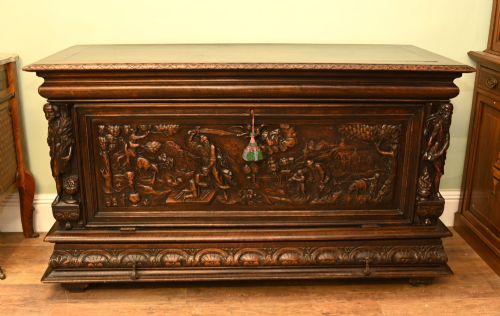
Originating largely from English, Welsh, and French workshops, these chests reflect regional cabinet-making traditions. Welsh examples such as the coffer bach appear alongside English joined chests and occasional continental imports in mahogany or pine.
What Varies in Quality
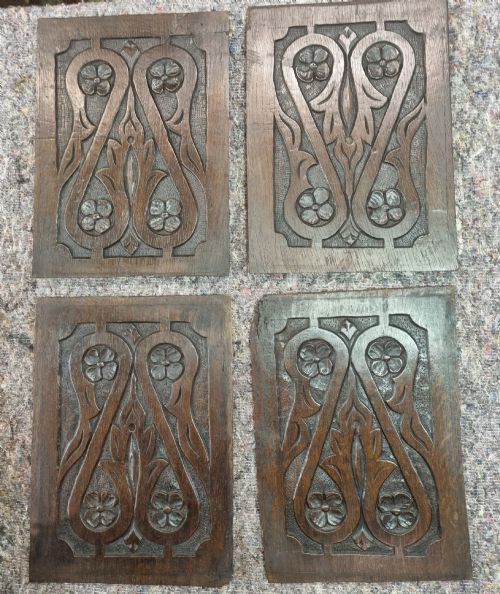
The standard of a piece depends on the crispness of the hand-carving and the integrity of the original joined frame. Higher quality examples retain their original timber boards, bottom planks, and structural pegging without excessive modern replacements.
Surface depth and tactile warmth distinguish superior chests from utilitarian workshop output. A rich, untreated patina developed over centuries signals careful preservation, whereas heavy chemical stripping or excessive modern intervention diminishes the historical character.
Many seventeenth-century coffers still bear the ghost marks of long-lost candle boxes nailed inside the main compartment.
The Antique Panelled Chest Glossary
- Coffer
- A large wooden chest used historically for storing valuables, linens, and personal possessions. These heavy storage boxes typically feature hinged lids and sturdy boarded or panelled construction.
- Mule chest
- A storage chest featuring one or more drawers built beneath the main compartment. This hybrid form bridges the traditional coffer and the modern chest of drawers.
- Stile and rail
- A traditional framing technique where vertical stiles and horizontal rails hold a floating central panel in place. This method prevents warping as the wood ages.
- Mortise and tenon
- A fundamental woodworking joint where a projecting tongue fits snugly into a matching cavity to lock two pieces of timber together securely.
- Patina
- The surface sheen and colour acquired by wood and metal over long periods of handling, exposure, and waxing. Collectors value this visual evidence of age.
Antique Panelled Chest: Frequently Asked Questions
How do I use an antique panelled chest today?
These robust chests function effectively as blanket boxes at the foot of a bed, coffee tables in a living room, or hallway storage for shoes and boots.
Their sturdy flat lids provide practical surface area while the internal compartment keeps clutter concealed.
What is the difference between a coffer and a mule chest?
A standard coffer is a single deep box accessed exclusively from a hinged lid on top. A mule chest incorporates one or more functional drawers beneath the main storage compartment for easier access to smaller items.
Both forms utilise heavy panelled construction typical of seventeenth and eighteenth-century joinery.
How do I care for old oak furniture?
Keep wooden storage pieces away from direct heat sources and sudden temperature fluctuations to prevent the timber from splitting. Apply traditional beeswax occasionally to nourish the surface and maintain the natural finish.
Avoid modern liquid polishes containing silicones that can penetrate open-grain oak.
How can I tell the age of a panelled chest?
Examine the construction methods, tool marks on the timber, and the style of any carved ornamentation. Hand- cleft boards, irregular pegging, and original ironwork point towards seventeenth or eighteenth-century origin.
Later revival pieces often display uniform machine sawing and standardised modern fixings.