

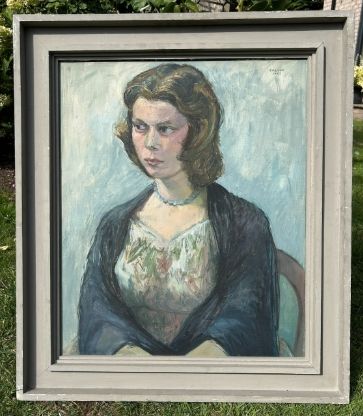

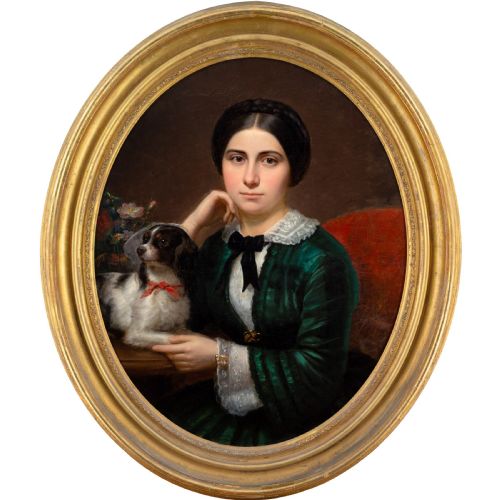
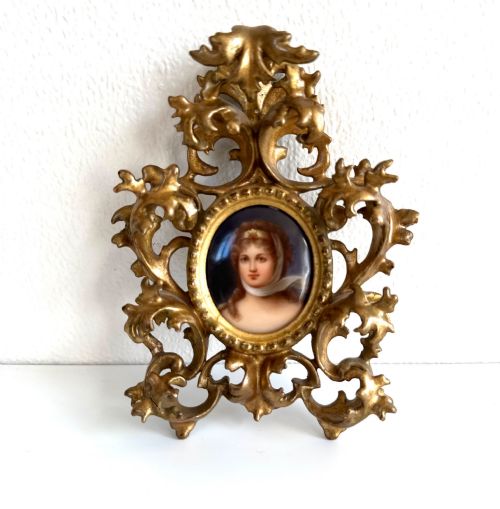
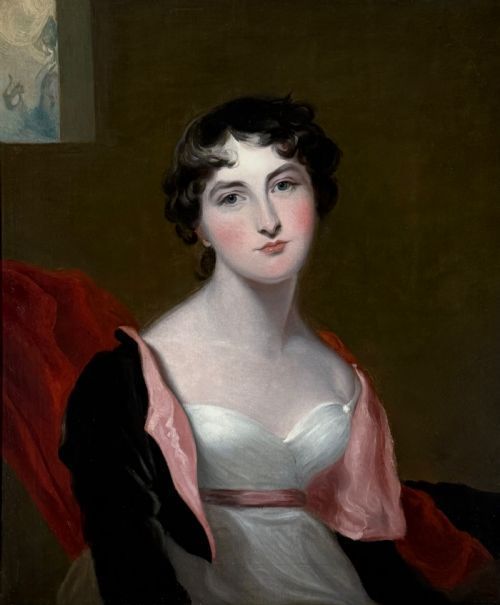
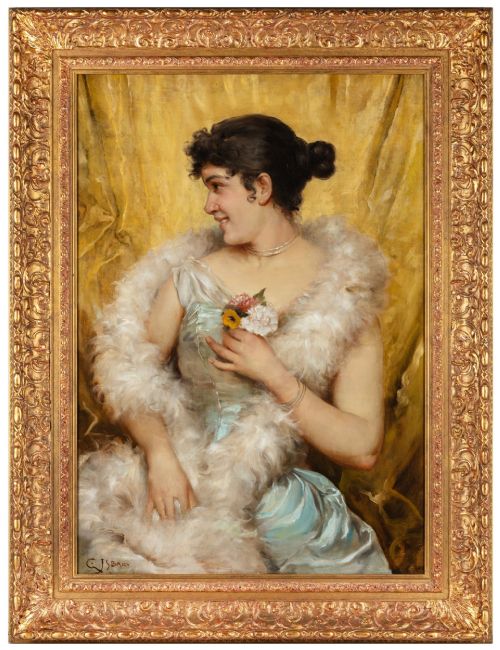
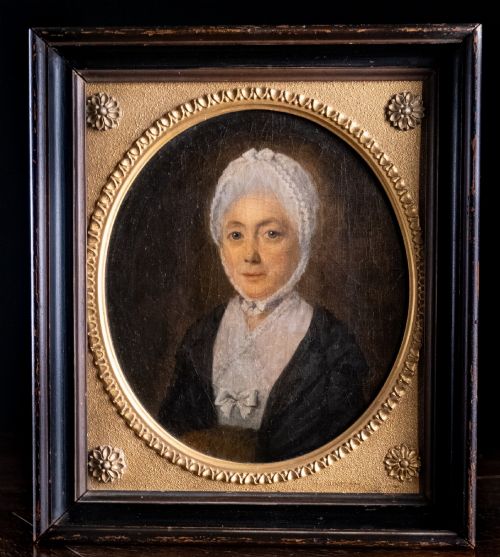
Antique Painting of Woman
When choosing an antique painting of woman, you secure a framed window into past lives and centuries of portraiture.
Antique Painting of Woman
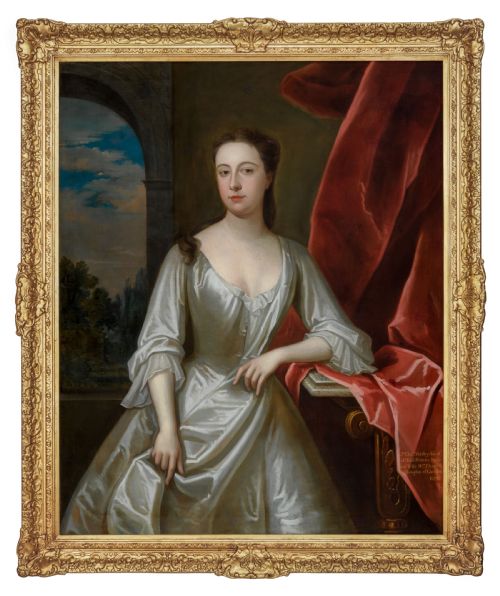
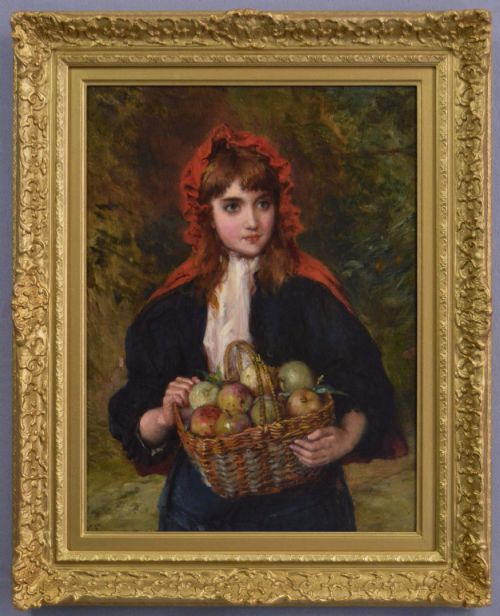
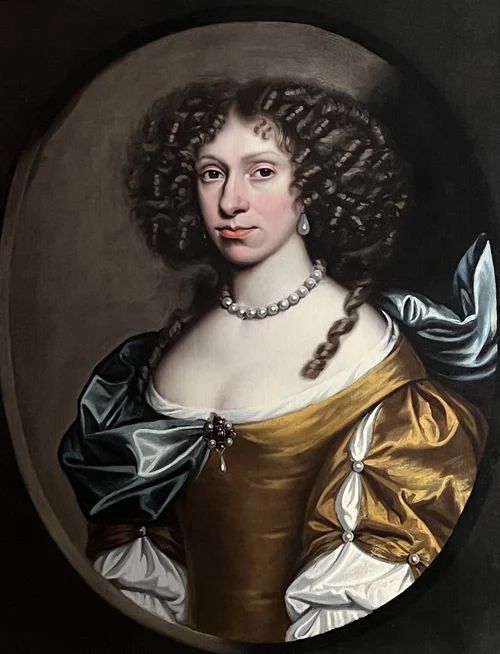
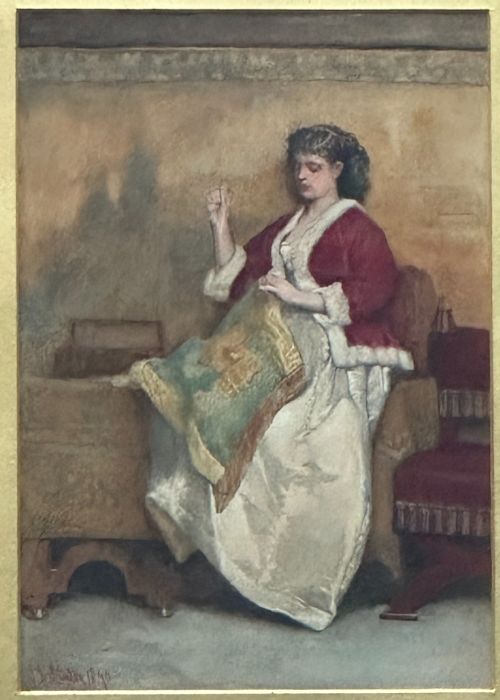
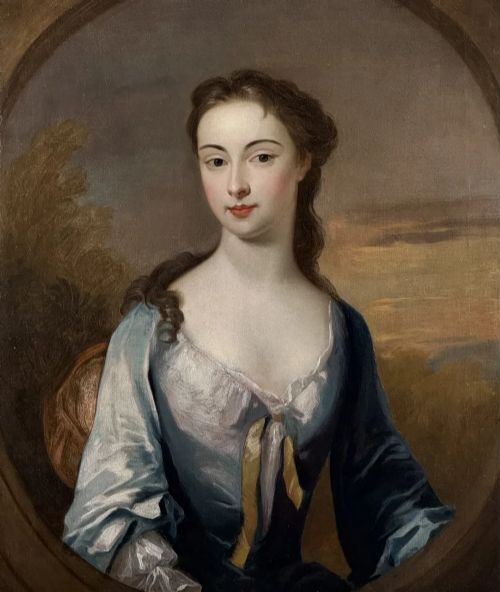
An antique painting of woman encompasses formal oil portraits, informal domestic studies, and watercolor depictions originating from the sixteenth century through the mid-twentieth century. Buyers frequently encounter nineteenth-century canvas works and Edwardian depictions, alongside earlier eighteenth-century oils attributed to continental and British schools.
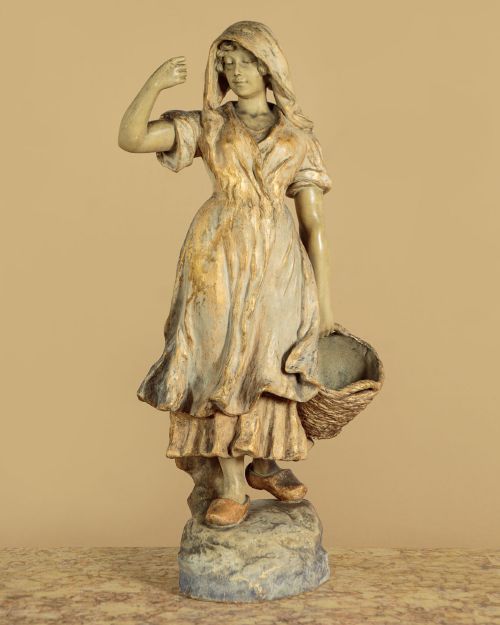
Subjects range from noblewomen in period costume and titled ladies on porches to anonymous rural figures mending nets or holding baskets of fruit. These artworks record changing ideals of beauty, fashion, and social standing across Victorian, Georgian, and modernist movements.
How they were made
Artists relied primarily on oil paint applied to stretched canvas or wooden board, occasionally utilising paper for watercolours and pastels. Pigments were built up in layers to capture the texture of fabrics, skin tones, and background interiors.
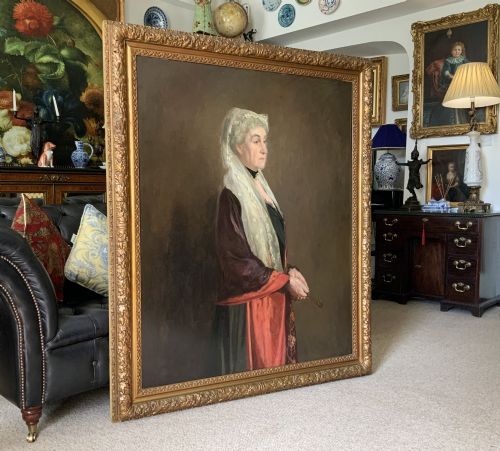
Frames formed an integral part of the finished piece, utilising carved wood, glass protection, and giltwood finishes to complement the painted canvas.
Listings feature works spanning from the sixteenth century through the mid-twentieth century, executed in oil, watercolour, and pastel.
What varies in quality
The degree of anatomical precision and psychological depth separates skilled portraiture from basic commercial likenesses. Master painters handled light, shadow, and fabric folds with fluency, whereas lesser works remain stiff and formulaic in execution.
Condition and provenance elevate individual pieces, particularly when a painting retains an original period frame or documented attribution to a recognised academy painter.
Sir Godfrey Kneller·William Oliver·David Scougall·Charles Jervas·Sir James Dromgole Linton·David Bates·Sir Thomas Lawrence·G. J. S. Bary·Max Kaltenmoser·Toussaint Gelton·Charles Stuart Forbes·Charles James McCall·Demetre Chiparus·Achille-Fould·Henry Wissen Senior·Charles Vyse·Percy Lancaster·Royal Doulton
The Antique Painting of Woman Glossary
- Canvas
- A heavy woven fabric stretched across a wooden frame to serve as a foundation for oil painting. It provides a durable surface that responds well to traditional layering techniques.
- Giltwood
- Wood carved and coated with a thin layer of gold leaf or metallic paint. This material defines ornate period frames designed to enhance the visual impact of portraits.
- Provenance
- The documented history of ownership associated with a work of art. A clear record helps verify authenticity and tracks the passage of a piece through time.
- School
- A group of artists working in a particular region or period under shared stylistic influences. Listings frequently categorise anonymous works by national schools such as the French or British school.
Antique Painting of Woman: Frequently Asked Questions
How do I identify the period of a portrait?
Clothing, hairstyles, and framing styles offer the most reliable clues to a painting's era. Examining the canvas preparation and stretcher construction provides additional chronological evidence.
Comparing the sitter's dress against historical fashion plates helps narrow down the decade of creation.
Were these portraits always commissioned?
While formal eighteenth and nineteenth-century works recorded wealthy patrons and nobility, many nineteenth and twentieth-century paintings depicted anonymous models or genre figures.
Artists often painted domestic scenes or local women as studies without a specific commissioning client.
How should I care for an oil painting?
Keep paintings away from direct sunlight and dramatic temperature fluctuations to prevent canvas warping and paint cracking. Dust the surface gently with a soft, dry brush without applying moisture or cleaning agents.
Consult a professional conservator before attempting any surface cleaning or varnish removal.
What is the difference between an oil and a watercolour?
Oil paint utilises a slow-drying medium that allows artists to blend colours smoothly and build rich, textured layers on canvas or wood. Watercolour employs a water-soluble binder on paper, resulting in a lighter and more translucent finish.
Watercolours require glass protection in their framing, whereas oil paintings on canvas remain exposed to the air.