

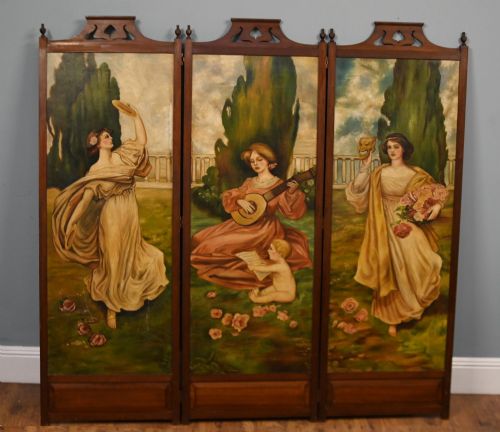
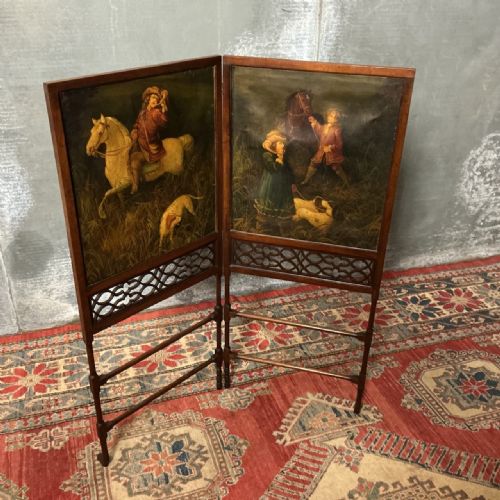
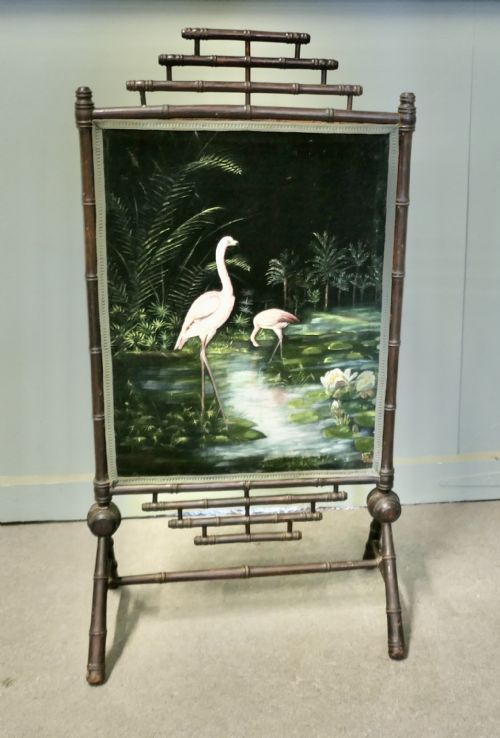

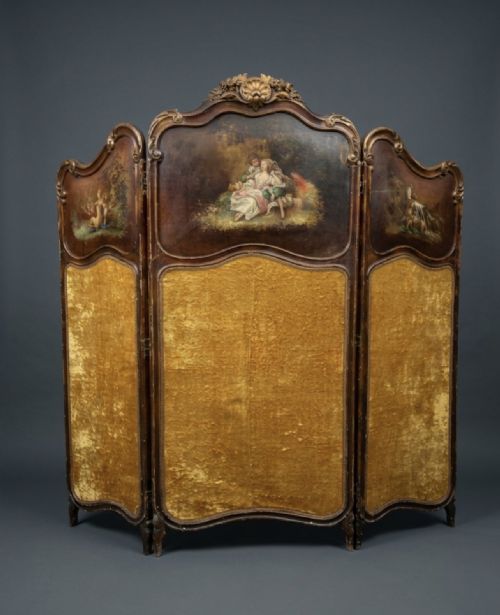
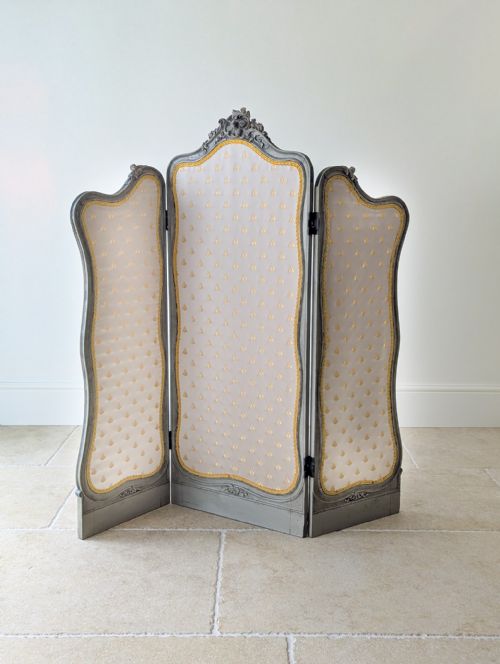


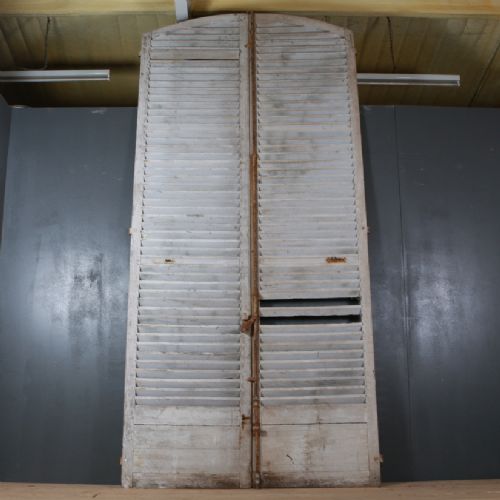


Antique Painted Wooden Screen
These antique painted wooden screens bring rich hand-painted detail and architectural presence to a room, offering both privacy and decorative drama.
Antique Painted Wooden Screen
Buyers frequently encounter multi-fold panels decorated with floral motifs, pastoral scenes, or oriental subjects, alongside distinct forms like dummy boards and architectural salvage shutters. These pieces originate from English, French, Swedish, and Asian workshops, reflecting diverse aesthetic movements from French Rococo Revival to Chinoiserie.
The assortment balances large multi-panel room dividers with smaller fire screens and wall art panels. Each piece utilises wood as a base, combined with paint, oil paint, lacquer, canvas, or brass fittings to achieve its finished appearance.
How they were made
Constructed primarily from sturdy timbers like mahogany, walnut, and pine, these frames provide the stable foundation necessary for multi-fold hinges and heavy panels. Artisans joined the wood using traditional joinery techniques before applying layers of preparation for the decorative surface.
The decorative schemes rely on skilled brushwork using oil paint, lacquer, and standard pigments directly onto wood, canvas, or prepared panels. Metal elements such as brass hinges and mounts secure the folding structures, while specific items incorporate applied fabric or canvas elements.
Antique Painted Wooden Screen Retail Price Guide 2026
Typical asking prices for painted wooden screen among the pieces listed under this phrase on Sellingantiques today, from the lower quarter to the upper quarter. They describe what is for sale here now, not the wider market.
Listings feature items from the eighteenth, nineteenth, and early twentieth centuries, utilising wood, paint, brass, and lacquer.
What varies in quality
The refinement of the painted artwork dictates the visual impact, distinguishing fluid, detailed hand-painted pastoral or oriental scenes from simpler decorative applications. Mastery of brushwork and composition in the oil painting or lacquer work reveals the hand of a more accomplished artisan.
Structural integrity of the wooden frames and the original quality of the brass hardware contribute to the longevity of folding screens and room dividers. The choice of base timber, such as solid walnut or mahogany versus simpler pine, changes the weight, durability, and tactile presence of the piece.
The Antique Painted Wooden Screen Glossary
- Dummy Board
- A painted wooden figure cut out in lifesize proportions to simulate a person or animal standing in a room. These trompe l'oeil pieces date back centuries and were often placed near fireplaces or doorways.
- Chinoiserie
- European artistic style and interpretation of Chinese and East Asian artistic traditions. This aesthetic appears frequently on lacquer and painted wooden panels.
- Modesty Screen
- A small decorative screen historically used to shield diners from the heat of a fire or to provide privacy in a sitting room. They often feature delicate painted panels mounted in wooden frames.
- Napoleon III
- A nineteenth-century French stylistic period associated with eclectic revivals and ornate decorative arts. Pieces from this era often feature rich black lacquer and detailed painted ornamentation.
- Fire Screen
- A protective barrier placed in front of an unused fireplace during warmer months. These screens frequently showcase elaborate oil paintings or embroidered panels.
Antique Painted Wooden Screen: Frequently Asked Questions
How do I use a folding screen?
Folding screens function well to divide large spaces, conceal storage areas, or create intimate zones within a room. They stand independently and can be angled to fit the specific geometry of your floor plan.
Position them against a neutral wall as a backdrop of artwork or use a three-fold panel to soften an empty corner with painted scenes.
What is a dummy board?
A dummy board is a flat wooden panel cut into the silhouette of a human figure, animal, or object and painted in realistic detail. Historical interiors utilised them as curious decorative accents near hearths and entryways.
These pieces rely on clever perspective and skilled oil painting to create a lifelike presence in an empty space.
How do I care for painted wood?
Maintain painted and lacquered wooden surfaces by dusting gently with a soft, dry cloth. Avoid chemical cleaners, excessive moisture, and direct sunlight, which can damage aged oil paint and lacquer.
Stable indoor humidity prevents the wooden panels from warping and keeps the original paint layers secure.
How do I identify a fire screen?
Fire screens are typically smaller in scale than multi-fold room dividers and feature a single decorative panel supported by feet or a stable base. They were designed to sit directly on the hearth.
Many examples incorporate brass handles or frames, protecting the decorative oil painting or panel from heat while remaining easy to move.
What is Chinoiserie decoration?
Chinoiserie describes European decorative arts inspired by Chinese design motifs, featuring landscapes, figures, and birds rendered in lacquer or paint. This style gained popularity across various centuries.
On screens, this technique often presents intricate gold and polychrome painting against a dark lacquer background.