



Antique Painted Tin
Antique painted tin brings together hand-painted metal vessels and tin-glazed earthenwares, offering collectors robust household containers and decorative panels carrying centuries of pigment.
Antique Painted Tin
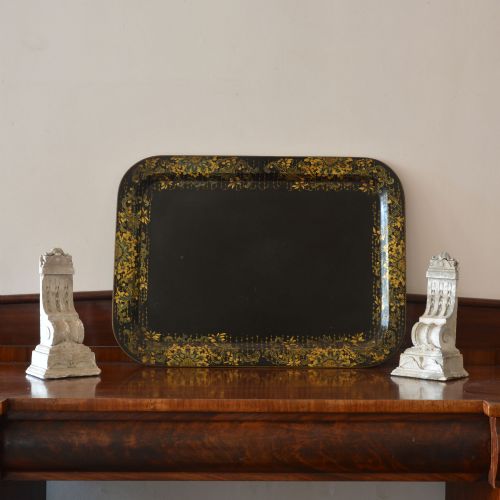
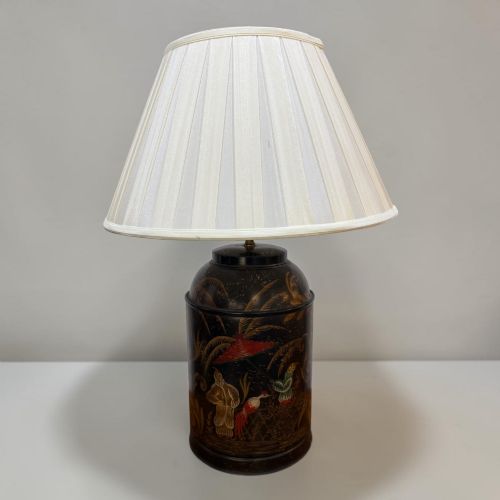
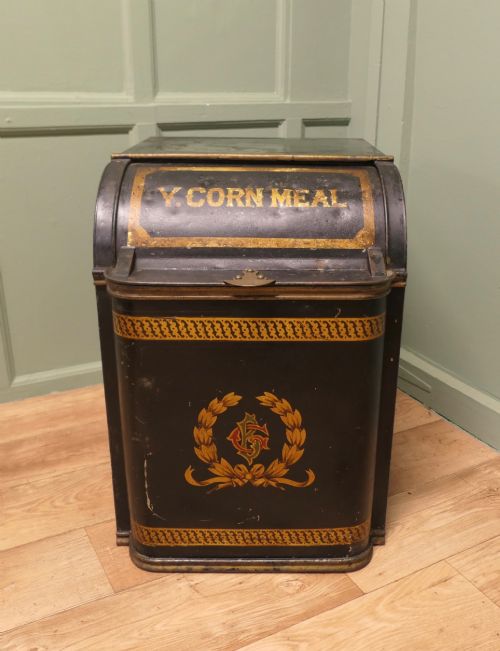
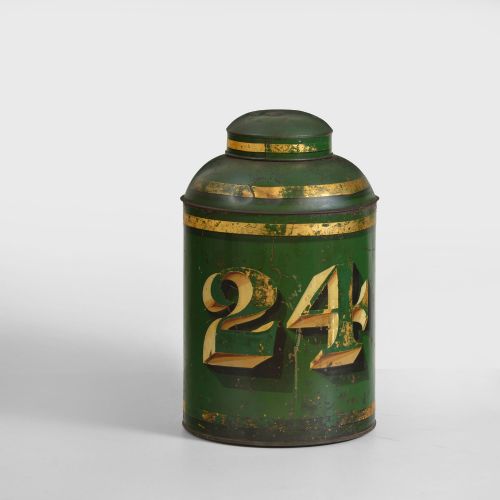
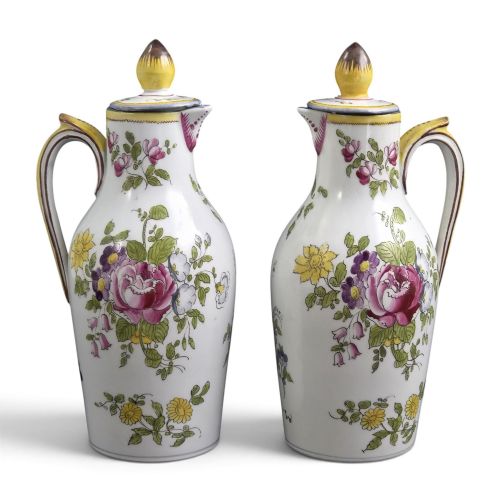
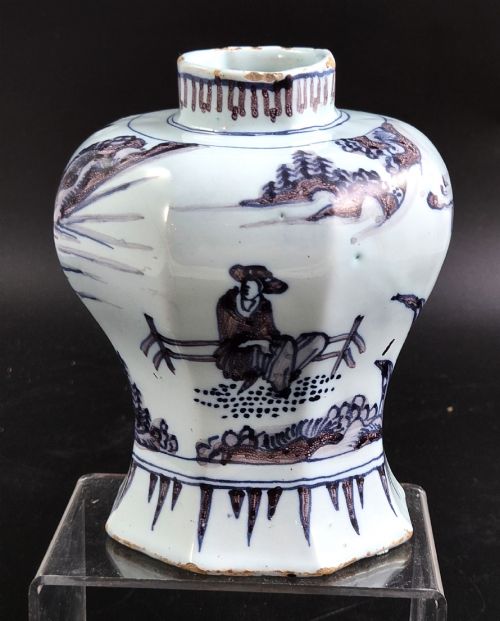
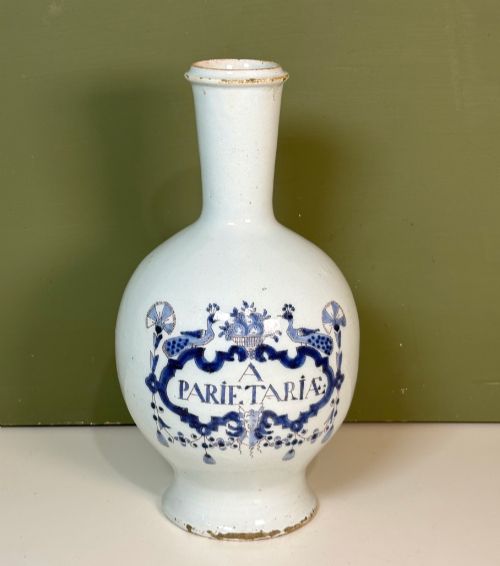
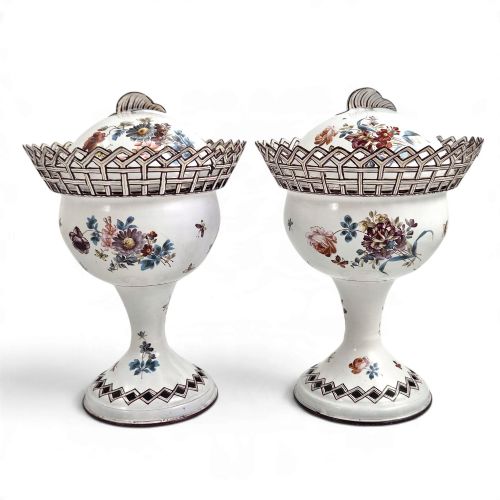
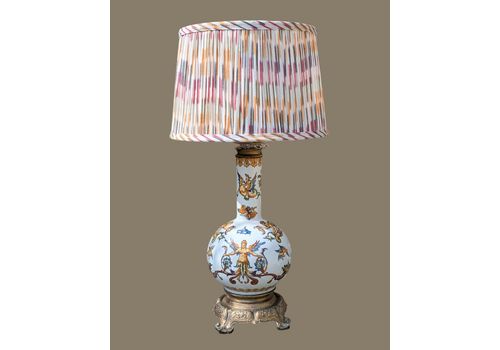
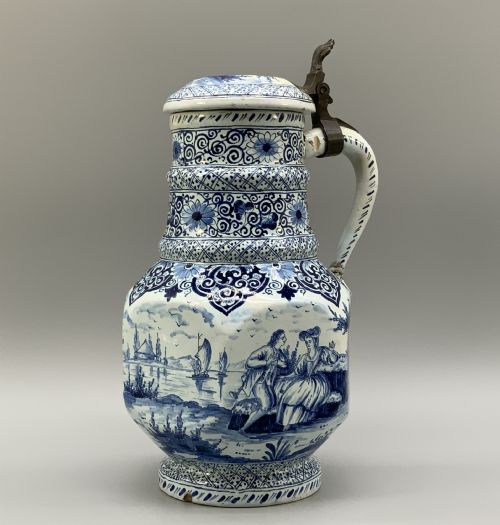
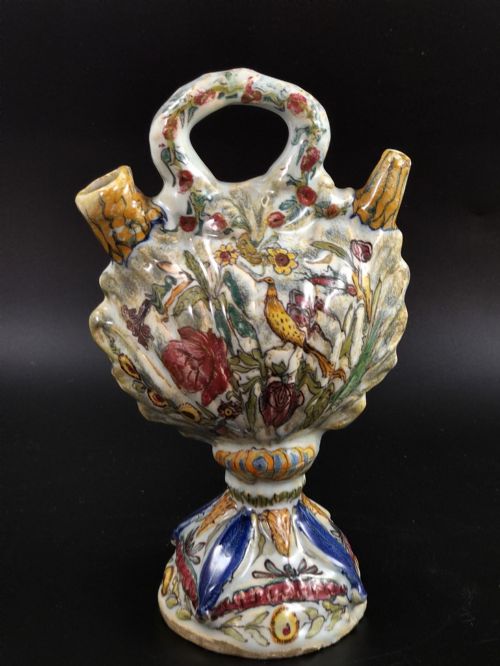
When you search for antique painted tin, you encounter a crossover of metal containers finished with surface pigments alongside tin-glazed earthenwares often termed faience, delft, and maiolica. The selection includes domestic storage pieces like toleware tea tins, tobacco jars, and trade signs alongside decorative chargers, baluster vases, and framed panel paintings on metal.
The objects span from the seventeenth century through to the early twentieth century, with strong representation from eighteenth-century Dutch and English delftware alongside nineteenth-century French tole peinte lanterns and storage boxes. You find both functional utility items and purely ornamental vessels bearing floral, figurative, and architectural motifs.
Materials and construction
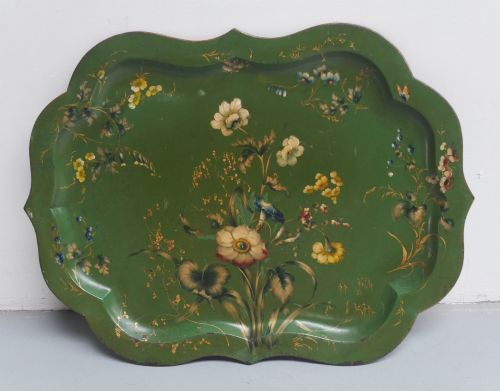
The material foundation relies on beaten metal sheets or ceramic bodies coated with an opaque tin-glaze. Toleware items use sheet metal prepared with layers of paint and lacquer, sometimes incorporating parcel gilding.
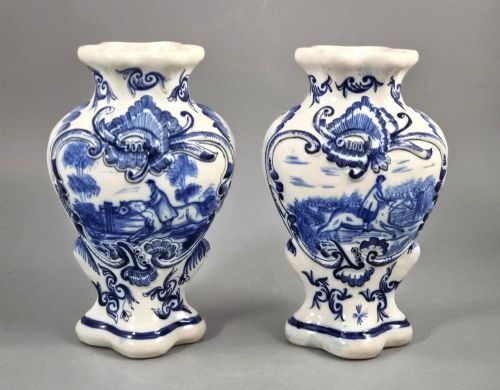
Earthenware pieces receive a tin-oxide glaze that provides a white, opaque ground for hand-painted cobalt blue, manganese purple, and polychrome pigments before firing. Metal substrates often feature applied hand-painted scenes directly on the primed iron or tinplate surface.
Antique Painted Tin Retail Price Guide 2026
Typical asking prices for painted tin among the pieces listed under this phrase on Sellingantiques today, from the lower quarter to the upper quarter. They describe what is for sale here now, not the wider market.
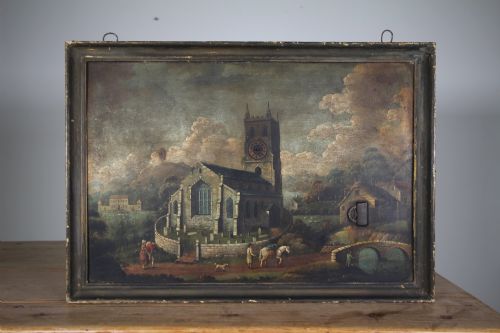
An eighteenth-century metal panel painting conceals moving clock hands and a working waterwheel inside the tin scene.
Assessing craftsmanship
Quality rests in the precision and confidence of the brushwork applied to the tin glaze or metal surface. Finer examples display fluid, detailed hand-painted scenes rather than stencilled or repetitive factory transfers.
The durability of the surviving surface coating and the crispness of moulded details on vases, jars, and wall lanterns distinguish superior survivals from utilitarian items worn down by heavy domestic service.
Veuve Perrin Marseille·Cantagalli·Fourmaintraux-Courquin·Sceaux·Kibri·Eade and Son·HB Quimper
The Antique Painted Tin Glossary
- Toleware
- Painted or lacquered metalware originating in France and England. The technique covers household vessels, trade signs, and lighting fixtures.
- Tin-Glaze
- A ceramic glaze made opaque by the addition of tin oxide. It creates a white surface suitable for direct painting.
- Delftware
- Tin-glazed earthenware produced in the Netherlands and England. Pieces typically feature blue and white or polychrome decoration.
- Maiolica
- Italian tin-glazed earthenware decorated with colours. The tradition spans Renaissance revivals and later regional workshops.
- Faience
- European tin-glazed pottery produced outside Italy. French and continental factories developed distinct regional styles of decoration.
Antique Painted Tin: Frequently Asked Questions
What is toleware?
Toleware refers to utilitarian and decorative metal objects coated with paint and protective lacquers. Makers shaped sheet metal into tea caddies, trays, and lanterns before applying hand-painted decorative schemes.
These metal pieces served practical functions in domestic and commercial settings, from storing dry goods to providing wall illumination. Their durable finishes allowed them to withstand daily household handling.
How do I clean antique painted metal?
Painted metal surfaces require gentle dusting with a dry, soft cloth to protect the historic pigment layers. Moisture and modern chemical solvents can lift or damage old oil paints and lacquers.
Keeping these objects away from direct sunlight and damp environments prevents the metal substrate from corroding beneath the painted finish. Minimal handling preserves the delicate surface details.
What distinguishes delftware from faience?
Delftware specifically describes tin-glazed earthenware made in England and the Netherlands, famous for its blue and white maritime and floral motifs. Faience is the broader continental term used for similar tin-glazed pottery made across France and other European regions.
Both categories share the foundational white tin-oxide glaze, but regional painting styles, clay bodies, and workshop traditions help separate Dutch production from French or Italian equivalents.
Were these items meant for daily use?
Many painted tin and tin-glazed pieces began as functional household goods, including tobacco jars, tea canisters, pharmacy jugs, and oil vessels. Their sturdy construction suited them for active mercantile and domestic environments.
Over time, changing fashions transformed surviving utilitarian containers into cherished cabinet pieces and decorative displays. Their dual role as practical storage and fine craft defines their appeal.