


Antique Painted Settee
An antique painted settee brings lightness and hand-finished character to a room, drawing on centuries of European craft.
Antique Painted Settee
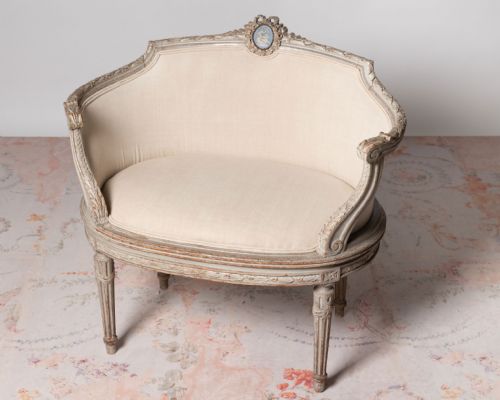
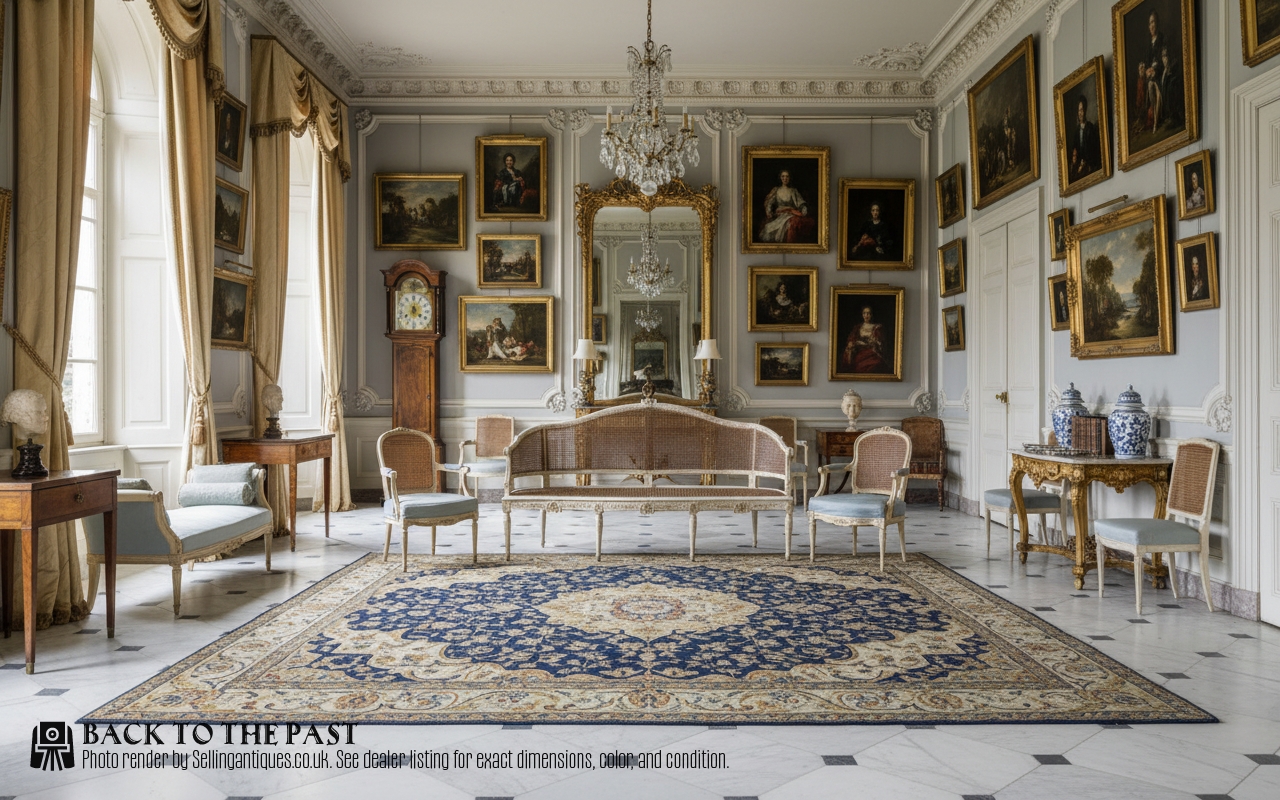
When you search for an antique painted settee, you encounter a wide variety of seating forms designed for formal parlours, quiet corners, and garden conservatories. The options range from grand eighteenth-century Swedish and Italian designs to delicate nineteenth-century French and English pieces.
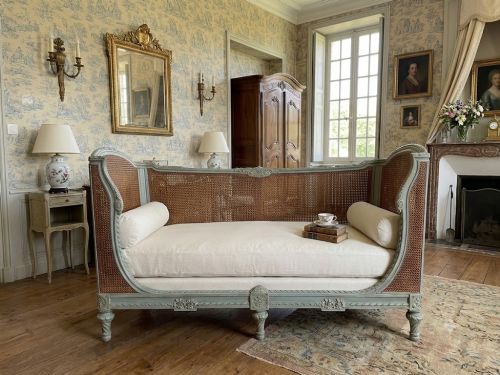
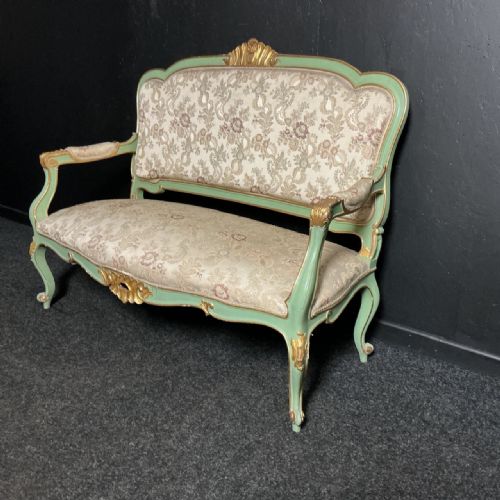
French styles dominate the selection, particularly those inspired by the reigns of Louis XV and Louis XVI, alongside Gustavian pieces from Sweden. These variations span from ornate gilt-accented frames to simpler cane-backed daybeds and upholstered couches.
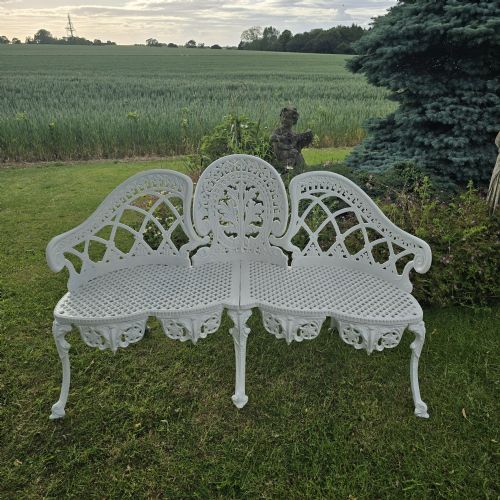
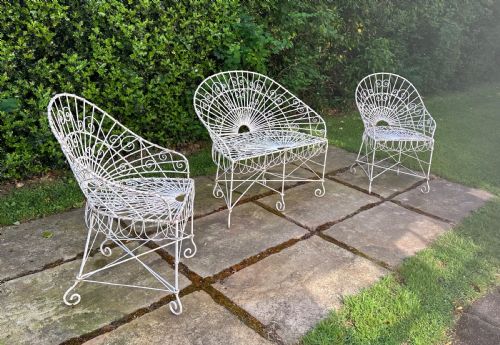
Alongside formal interior seating, the evidence includes garden benches and conservatory seating in wood and wrought iron. This variety means buyers find pieces suited to both intimate sitting rooms and sheltered outdoor spaces.
Materials and construction
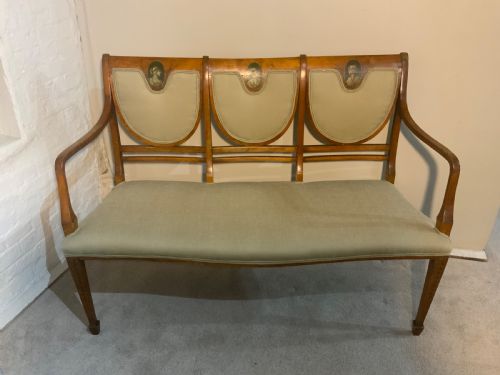
Makers shaped these frames from solid woods such as beech and satinwood, applying preparatory grounds before laying down paint, polychrome decoration, or gold leaf. Canework panels frequently form the backrests and seats, woven tightly to support cushions.
Upholstered versions rely on traditional textile coverings including linen, fabric, and floral needlepoint tapestry. Structural joinery combines pegged mortise and tenon joints with hand-carved decorative motifs on the rails and fluted legs.
Periods range from the eighteenth century through Regency and Edwardian eras up to mid-twentieth-century garden benches.
Judging quality and character
Quality rests in the crispness of the hand-carved detail on the wooden frame and the survival of the original painted surface beneath later layers. Pieces with untouched polychrome or subtle gilt highlights show superior artisan input.
The integrity of the woven canework and the tightness of the frame construction distinguish finer workshop output from simpler utilitarian seating. Well-preserved upholstery and original decorative schemes elevate the standing of any individual couch.
Thonet
The Antique Painted Settee Glossary
- Canapé
- A traditional French term for an upholstered sofa or settee. These pieces typically feature exposed wooden frames and padded seating.
- Bergère
- An enclosed armchair or settee with upholstered sides and a padded backrest. The style originated in France during the eighteenth century.
- Gustavian
- The Swedish interpretation of neoclassical design, known for pale painted finishes and restrained classical motifs. It flourished during the late eighteenth century.
- Chinoiserie
- European decorative style employing hand-painted motifs inspired by traditional Chinese art. It appears on lacquerwork and painted furniture frames.
- Polychrome
- Decoration utilising multiple colours applied to wood or plaster surfaces. This technique adds depth and narrative detail to antique frames.
Antique Painted Settee: Frequently Asked Questions
How do I identify French regional styles?
French styles like Louis XV feature flowing asymmetric curves and cabriole legs, while Louis XVI pieces showcase straight fluted legs and geometric symmetry.
Examining the carved woodwork and painted finish helps determine the specific provincial or Parisian origin.
Are painted settees suitable for daily use?
Most antique settees function well for regular seating provided the frame remains stable and the joints are secure. Caned seats may require occasional checks to ensure the woven strands stay taut.
Placing cushions on older upholstery protects delicate historical textiles from direct wear.
How do I care for antique painted wood?
Maintain painted finishes by dusting gently with a dry, soft cloth and avoiding harsh chemical cleaning products. Keep wooden frames away from direct heat sources and strong sunlight to prevent paint flaking.
Stable indoor humidity preserves both the wood and the decorative surface layers.