
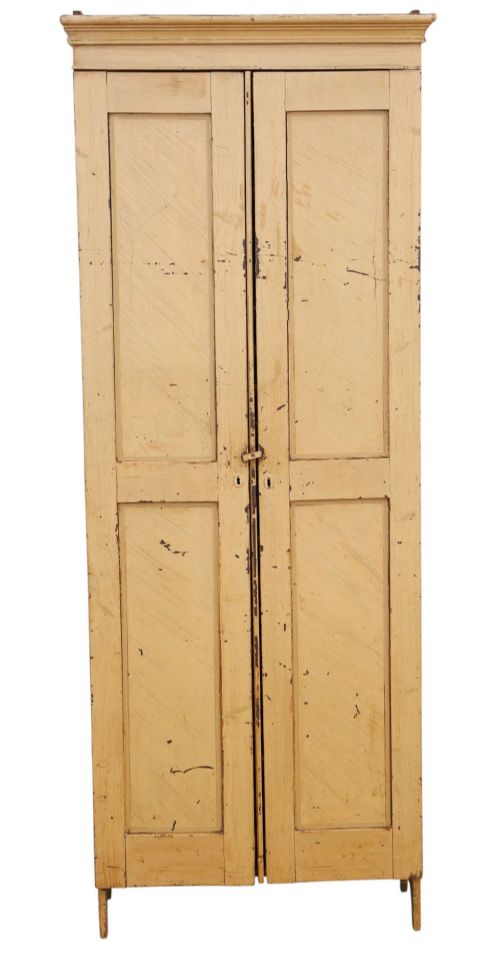
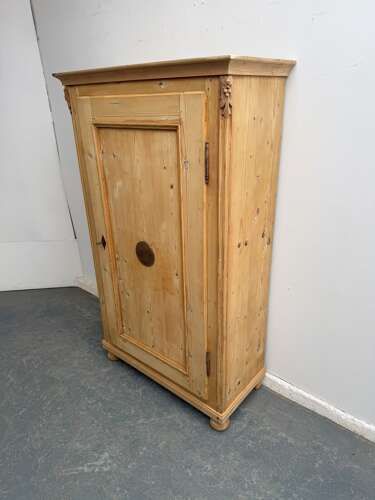
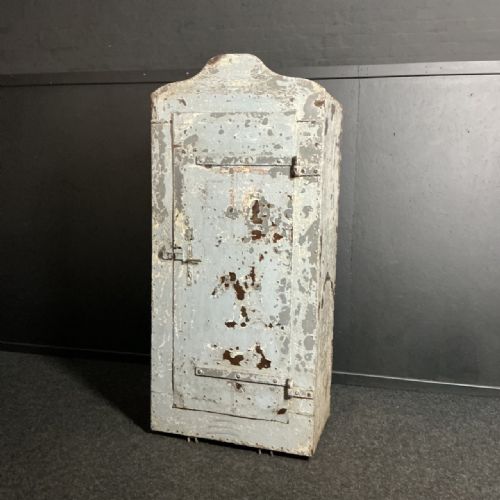
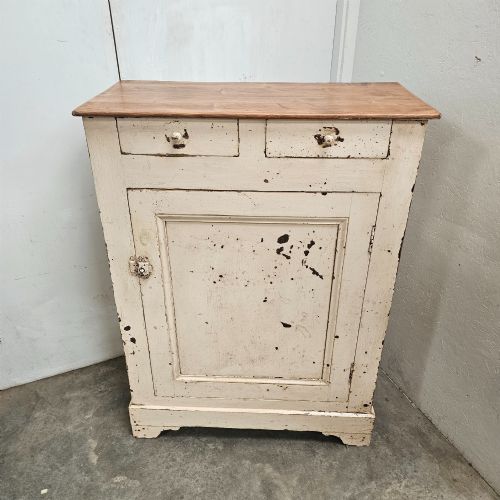


Antique Painted Food Safe
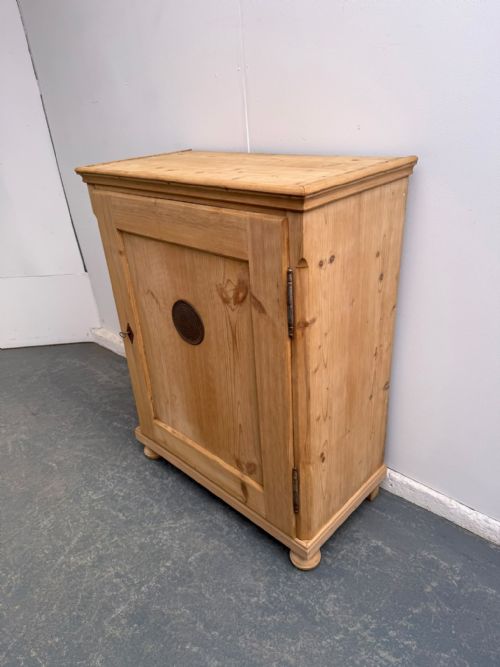
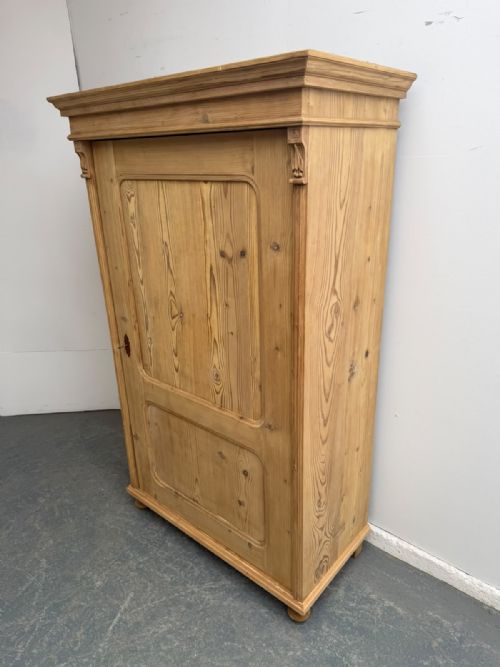
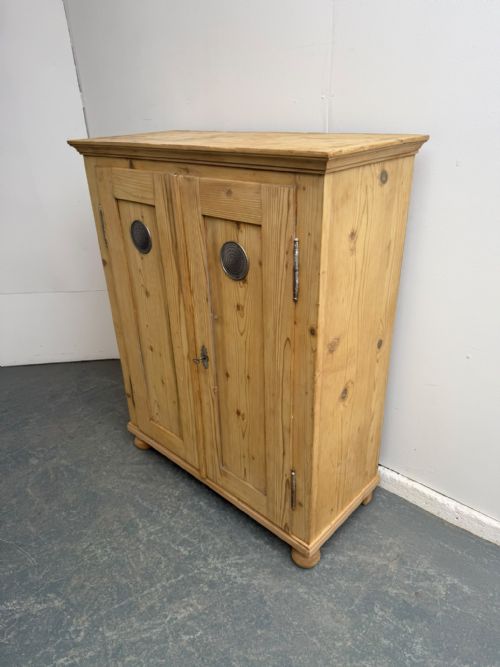
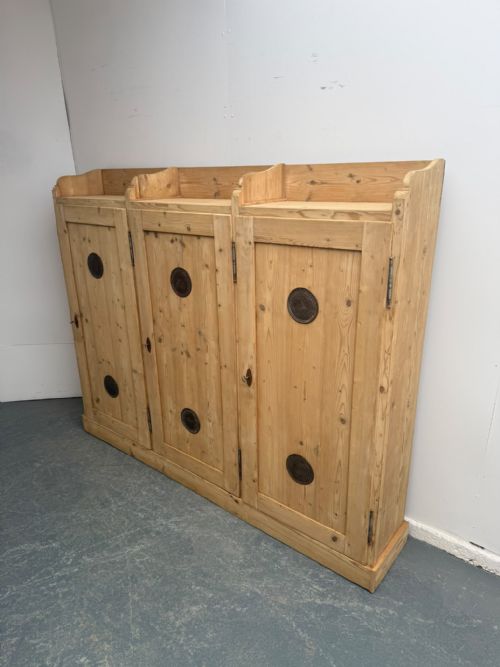
An antique painted food safe is a utilitarian kitchen cupboard designed to keep provisions fresh, combining practical ventilation with charming folk character.
Antique Painted Food Safe
An antique painted food safe provides traditional kitchen storage through enclosed shelving and ventilated doors. These pieces reflect vernacular domestic life before modern refrigeration.
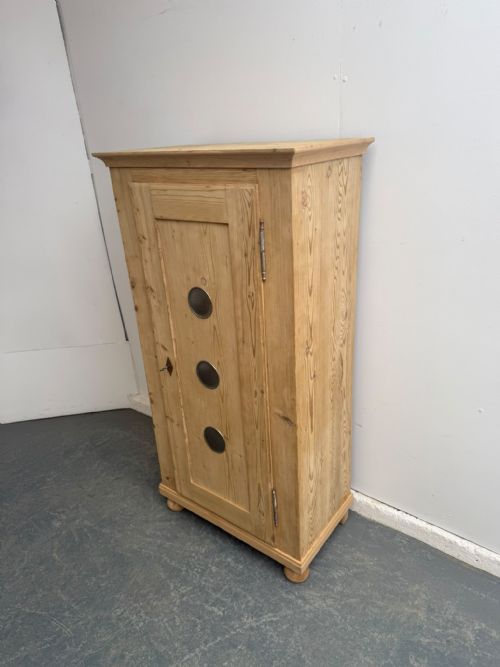
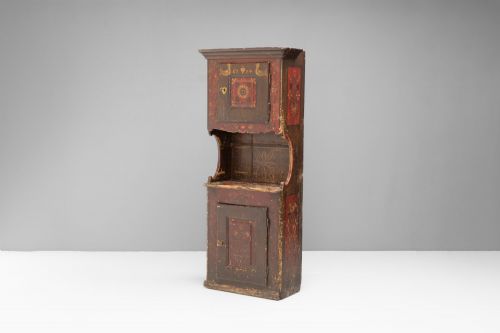
The most common examples encountered are pine cupboards from the nineteenth century, finished with old paint or left ready for treatment. Regional variations include French confituriers, Scandinavian storage, and British housekeeping cupboards.
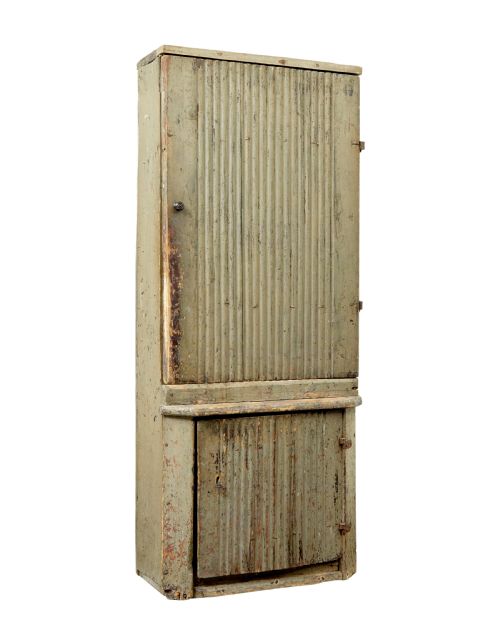
Such furniture ranges from tall narrow larders to low single-door cupboards and specialised bread and cheese storage units. Their primary function was keeping perishables secure from insects while allowing air circulation.
Materials and construction methods
Construction relies primarily on pine and painted wood, assembled using traditional joinery appropriate for utilitarian country furniture. Iron, steel, brass, and ceramic hardware such as latches and hinges secure the doors.
Ventilation panels incorporate metal mesh, pierced tin, or slatted wood to maintain airflow inside the cabinet. Surfaces are frequently finished with layers of paint, ranging from early decorative schemes to later applied coats.
Some cupboards still carry the faint, lingering scent of decades spent guarding farmhouse cheese and bread.
Distinctions in quality and execution
Quality separates through the integrity of the original timber frame, the proportion of the carcass, and the survival of early painted surfaces. Better examples retain their original functional hardware, including iron hinges and brass latches.
Regional forms and distinct vernacular styling, such as folk art details or Scandinavian carved elements, distinguish standard utility pieces from more desirable decorative specimens.
The Antique Painted Food Safe Glossary
- Food safe
- A ventilated cabinet designed for storing perishable food items before the advent of refrigeration. These units rely on mesh or pierced panels to keep pests away from provisions.
- Housekeeper's cupboard
- A large storage piece traditionally used in country houses for linens, dry goods, and provisions. They typically combine deep cupboards with configuration drawers.
- Confiturier
- A French jam cupboard made to store preserves and small food items in domestic kitchens. These compact units usually feature a single door above or below a small drawer.
- Vernacular furniture
- Everyday utilitarian pieces built by regional makers for local domestic use rather than following strict high-style metropolitan fashions. Materials reflect local availability, primarily pine and native hardwoods.
- Folk art
- Decorative embellishments and artistic expressions applied by non-professional makers to everyday objects. In these cupboards, it appears as distinctive painted finishes or carved details.
Antique Painted Food Safe: Frequently Asked Questions
What is an antique painted food safe?
An antique painted food safe is a ventilated wooden cabinet used in historical kitchens to store provisions away from insects.
These pieces rely on mesh or pierced panels to circulate air while keeping perishable foods protected.
How were food safes ventilated?
Ventilation was achieved through wire mesh, perforated metal sheeting, or slatted wooden panels built into the doors.
This airflow prevented condensation and spoilage inside the enclosed storage space.
What wood are they made from?
The majority of these cupboards are constructed from pine, which was the standard softwood used for utilitarian country furniture.
Some examples feature native hardwoods or integrated metal and ceramic hardware.
How do I date an antique food safe?
Dating relies on construction methods, types of hardware, timber preparation, and the characteristics of the paint layers.
Nineteenth-century examples dominate the selections, alongside occasional late eighteenth-century specimens.
Where were food safes used?
They were utilised in domestic kitchens, larders, and sculleries across Britain, France, and Scandinavia for everyday provisions.
Their robust construction suited farmhouses and large country homes alike.