
Antique Painted Chair
When you want an antique painted chair, you are choosing seating that carries the brushwork and decorative character of past centuries.
Antique Painted Chair
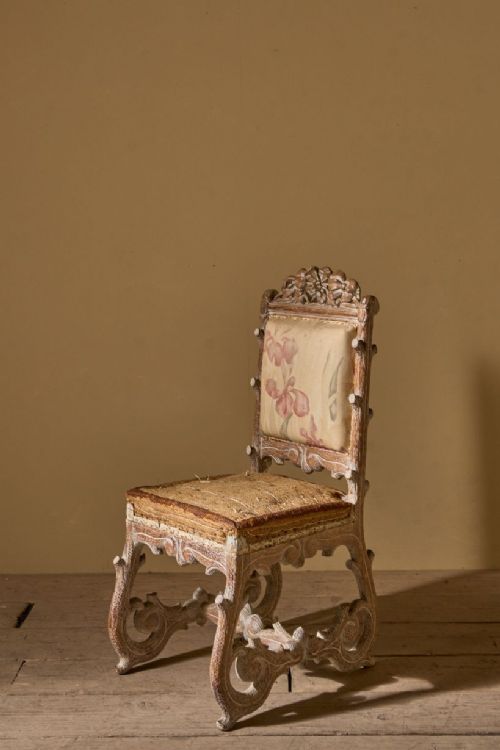
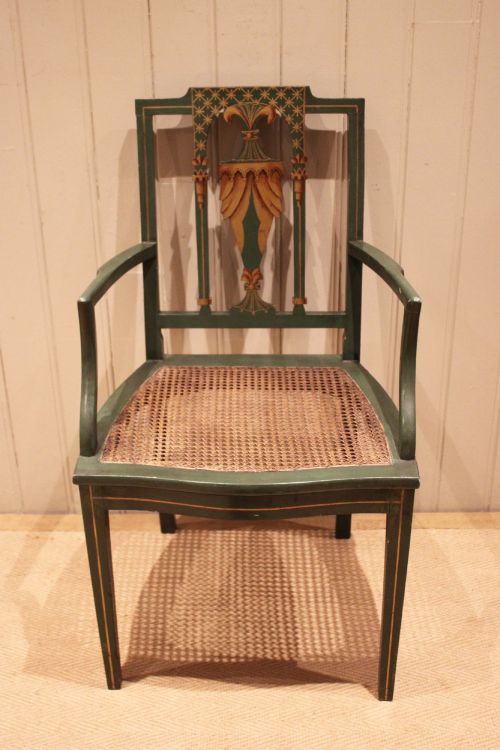
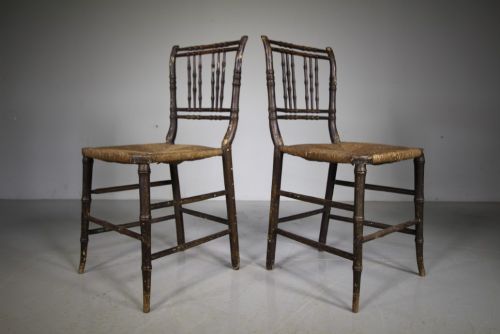
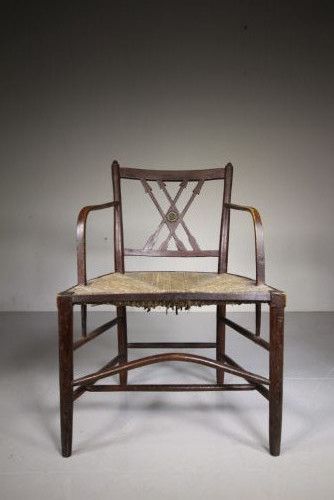
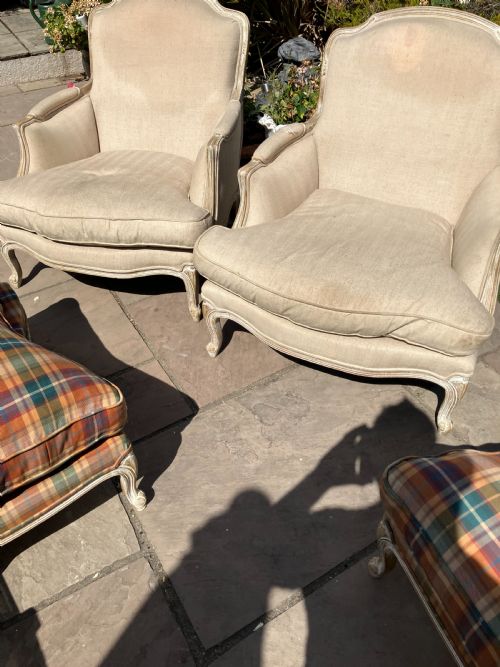
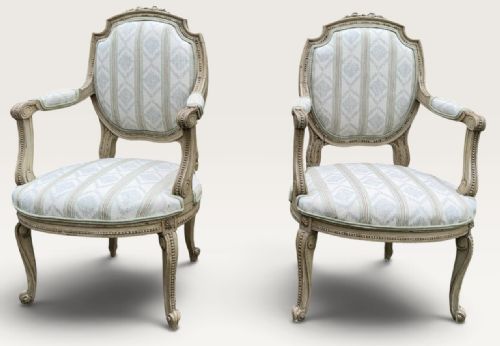
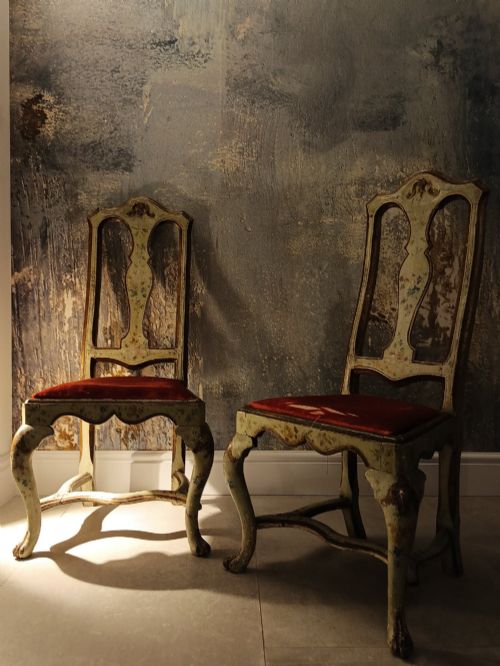
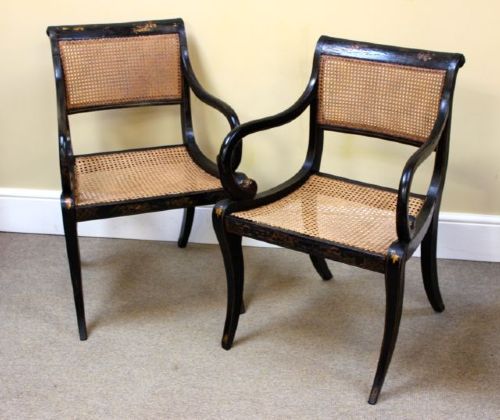
An antique painted chair brings decorative surface finish and historic form together, spanning formal salon seating and country vernacular pieces. When exploring this selection, you encounter items ranging from eighteenth-century English and Italian side chairs to nineteenth-century French armchairs and Regency bamboo-turned seating.
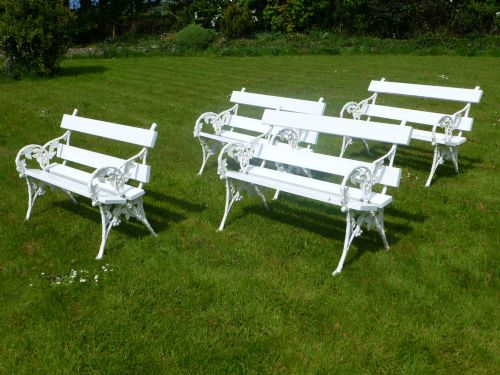
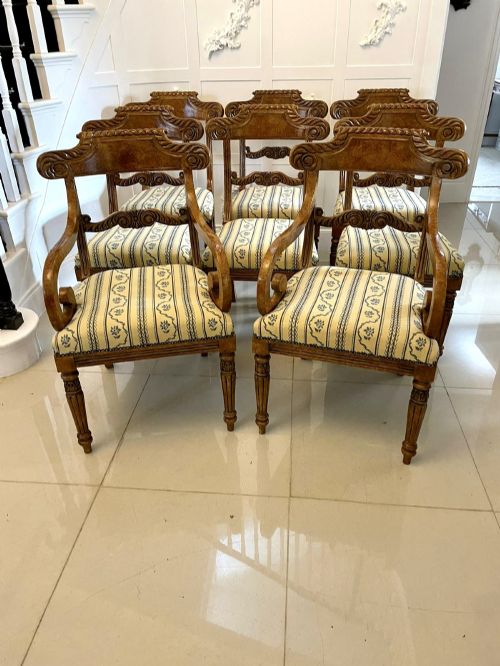
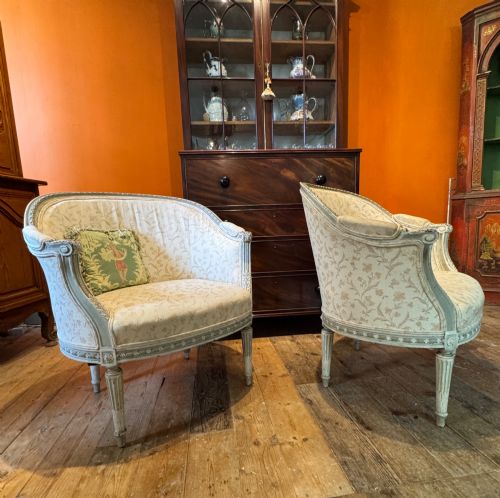
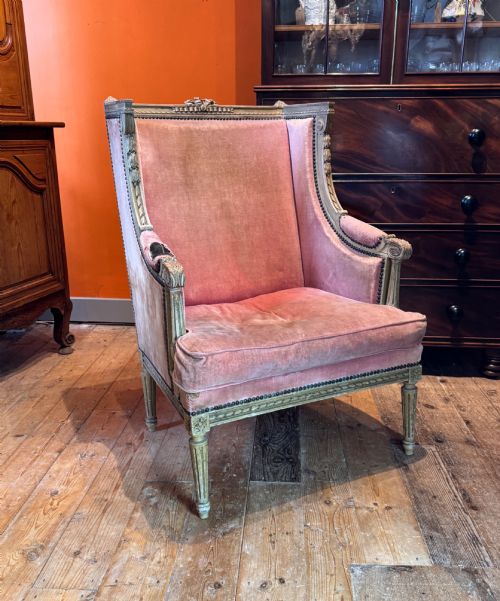
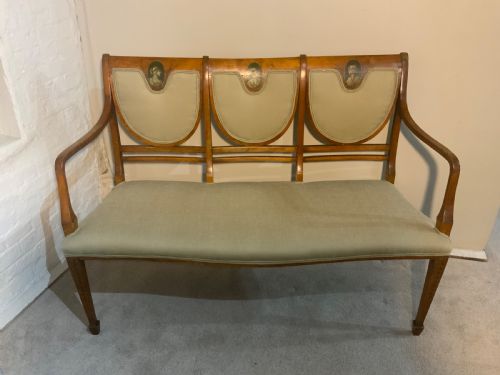
The category encompasses diverse utilitarian and decorative forms, including dining chairs, hall chairs, bergères, tub armchairs, and garden benches. Makers across England, France, Italy, and Sweden utilised paint to elevate native timbers or mimic exotic woods like satinwood and rosewood.
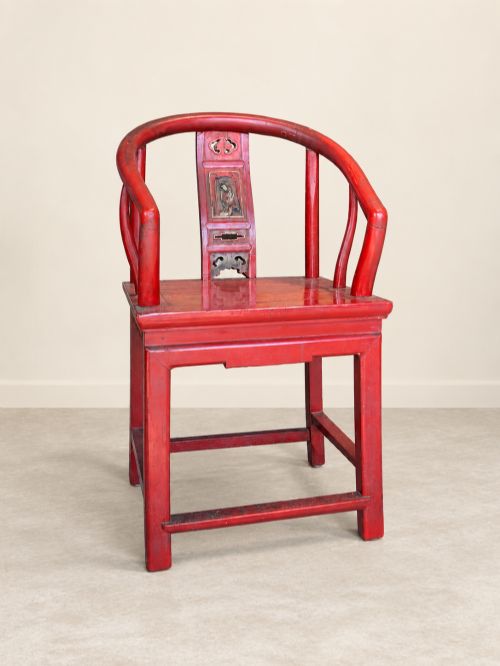
Surviving examples often retain original polychrome or monochrome schemes, though many pieces received later decorative treatments during revival periods. Buyers find both restrained neoclassical designs and exuberant vernacular folk art.
Materials and construction
Carpenters shaped these frames from native hardwoods and softwoods including beech, pine, ash, oak, and satinwood, often combining solid timber construction with turned components or carved ornament. Caned panels, rush seating, and upholstered pads in linen, velvet, or tapestry provided structural support and comfort.
Surfaces were prepared with grounds before receiving oil, distemper, or lead-based paint, sometimes layered with parcel gilt highlights or faux finishes. Simulated bamboo turnings and hand-painted botanical or avian motifs required skilled brushwork by specialist decorators.
Listings feature periods spanning from the eighteenth century through the 1930s, utilising paint, beech, pine, cane, and fabric.
Factors of distinction
The integrity of the surface decoration largely determines a piece's standing, distinguishing original historic paint layers from later cosmetic overpainting. Fine joinery, balanced proportions, and crisp carving in the underlying wood framework separate accomplished workshop production from standard vernacular output.
The sophistication of the painted ornament, whether delicate neoclassical swags, simulated exotic wood grains, or folk art motifs, dictates the visual presence of the seating. Matching sets and documented maker attribution further elevate the standing of individual examples within the wider market.
Edward & Roberts·Falkirk foundry
The Antique Painted Chair Glossary
- Bergère
- An enclosed upholstered armchair with wooden framing around the back and sides, frequently featuring cane panels. This French seating form often includes a loose seat cushion for added comfort.
- Fauteuil
- An open-arm upholstered armchair with exposed wooden armrests and legs, originating in seventeenth-century France. The arms typically feature padded elbow rests.
- Parcel gilt
- A decorative technique where specific carved details or mouldings on a painted surface are highlighted with gold leaf. This method accentuates architectural elements of the chair frame.
- Simulated bamboo
- Wood turned on a lathe to mimic the segmented appearance of natural bamboo stalks, popular during the Regency period. Craftsmen painted these frames to resemble real cane or lacquered finishes.
- Shield back
- A chair back design shaped in the outline of a heraldic shield, popularised by Hepplewhite in the eighteenth century. These backs often incorporate pierced splats and painted floral details.
Antique Painted Chair: Frequently Asked Questions
How do I identify original paint?
Original paint surfaces show natural craquelure, integrated wear patterns, and microscopic traces of underlying preparation layers consistent with the age of the timber.
Secondary or later overpainting often appears flat, uniform, or clogs the carved details and joinery lines of the underlying wood structure.
Were these chairs used outdoors?
Most painted indoor salon and dining chairs used delicate timbers like beech or satinwood and were strictly intended for interior domestic rooms.
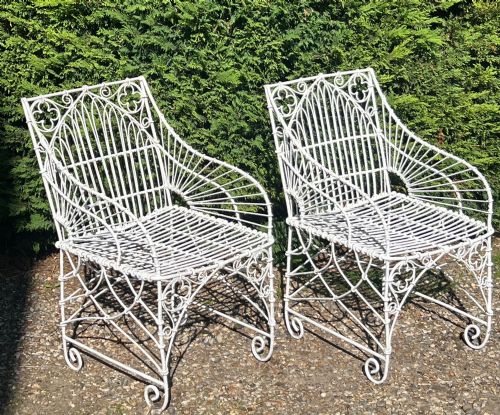
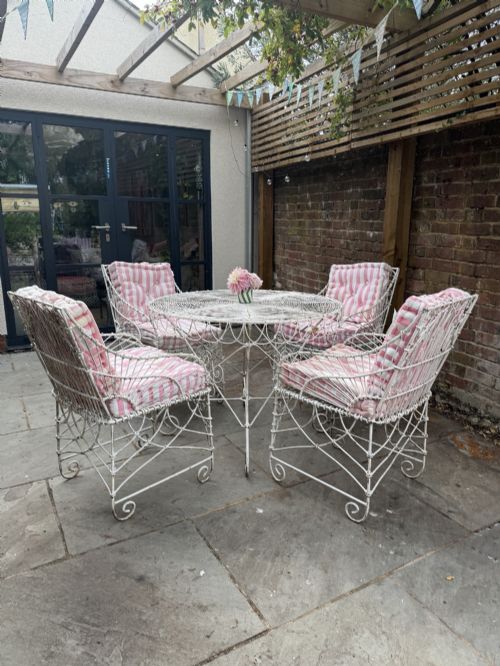
Cast iron and heavy pine garden benches and sets formed the primary exception, constructed specifically to withstand outdoor elements.
How should I clean painted surfaces?
Dust surfaces gently with a soft, dry cloth and avoid harsh modern solvents or abrasive cleaners that strip historic paint layers.
Consult a professional conservator if the paint shows signs of flaking or instability before applying any cleaning agents.
What styles dominate this category?
French Louis XV, Louis XVI, and Regency styles appear frequently, alongside English George III, Hepplewhite, and Sheraton revival designs.
Folk art and vernacular pieces from Sweden and provincial England also feature prominently among the surviving inventory.