


Antique Painted Bird Motif
An antique painted bird motif brings hand-rendered avian detail into domestic spaces across ceramics, glass, and wood.
Antique Painted Bird Motif
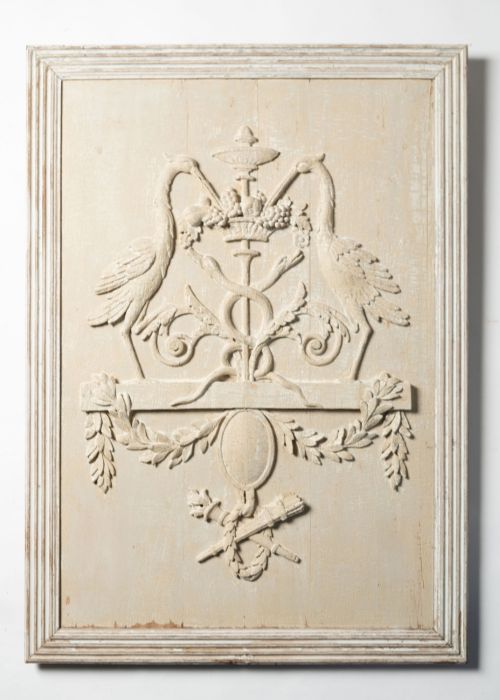
When searching for an antique painted bird motif, collectors encounter a diverse array of decorative arts spanning multiple centuries and global traditions. These objects range from delicate porcelain plates and cabinet pieces to larger wooden panels, bowls, and stained glass windows.
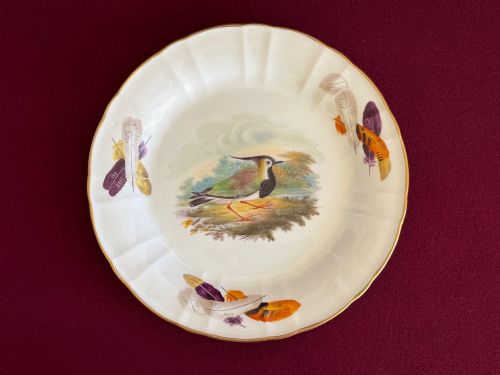
The version most frequently met on this page is the hand-painted ceramic or porcelain vessel, often originating from English factories or Japanese kilns during the nineteenth and early twentieth centuries. Artisans applied these winged subjects to functional and display items alike, incorporating naturalistic foliage and background scenery.
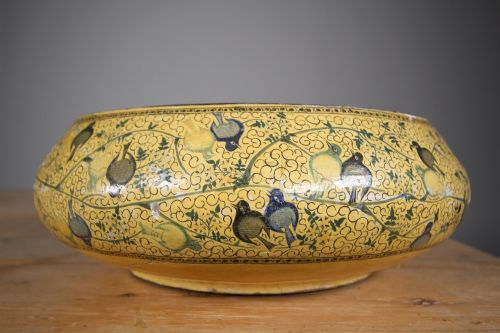
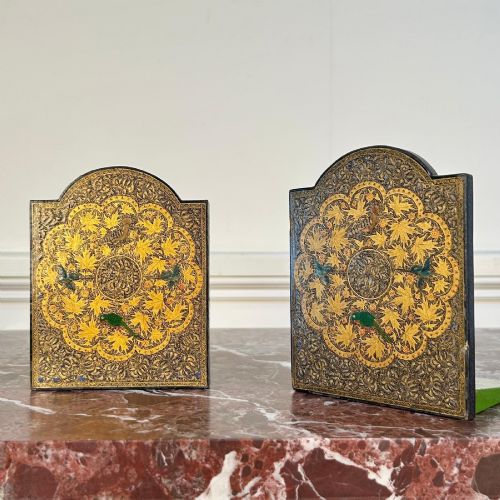
Beyond ceramics, the selection encompasses enamelled patch boxes, lacquered pieces, and architectural glass panels featuring feathered wildlife. Each piece displays distinct regional approaches to avian representation, whether through English botanical realism or intricate Eastern decorative schemes.
Materials and methods of construction
Makers utilised ceramic bodies, glass, and wood as surfaces for detailed hand-painting, enamel work, and lacquer over-painting. Fired glazes and vitreous enamels preserved the vivid pigments of avian plumage across decades of handling and display.
Techniques varied from delicate watercolour washes on paper to polychrome overglaze enamelling on porcelain and earthenware. Wood carvers and cabinet makers also integrated painted panels and decorated surfaces into larger household furnishings.
Glazing and firing processes required precise temperature control to bond metallic oxides and coloured pigments to the underlying ceramic or glass base. Artisans applied gilt detailing and fine line work by hand to accentuate the feathers and surrounding flora.
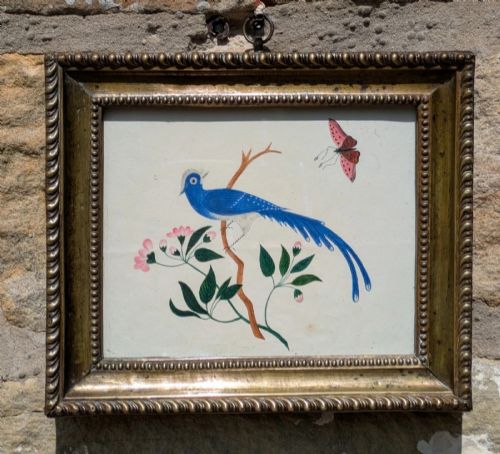
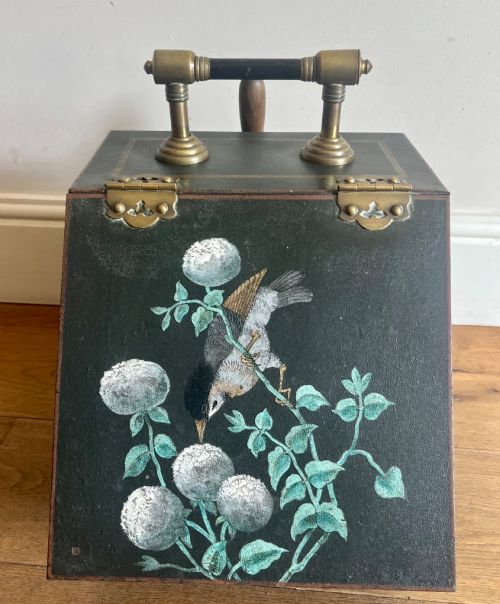
House sparrows, lapwings, mallards, and exotic blue birds all perch silently across these antique surfaces.
Distinctions in craftsmanship
The upper tier of these pieces displays superior brushwork control, where individual feathers, subtle tonal shifts in plumage, and botanical surroundings are rendered with anatomical and botanical precision. Lower tiers present more stylised or repetitive execution with less variation in pigment depth.
The integration of the bird motif into the overall form dictates visual success; finer examples balance the subject harmoniously across the curvature of a vase, the flat plane of a plate, or the rectangular boundary of a glass panel. Mass-produced or simpler decorative items often apply motifs with rigid uniformity and minimal attention to the surrounding composition.
Wedgwood Bone China·Bilston Enamel·Rozenburg Art Nouveau Porcelain·Meissen Ribbed Porcelain·Doulton Lambeth Florence Barlow·Falcon Ware·Fukagawa porcelain·Kutani Shozo·DAVENPORT STONE CHINA
The Antique Painted Bird Motif Glossary
- Enamel
- A vitreous composition fused to a metal, glass, or ceramic substrate through high-temperature firing. It provides a glossy, durable surface for colourful painted motifs.
- Imari
- A style of Japanese export porcelain characterised by a palette of underglaze blue and overglaze iron red, gold, and supplementary colours. These wares frequently incorporated detailed bird and floral designs.
- Polychrome
- The decoration of objects in multiple colours. This technique allows for realistic or vibrant depictions of birds and natural scenery.
- Pearlware
- A fine earthenware developed in the late eighteenth century with a slightly bluish glaze pooling in crevices. It served as a common ground for early painted blue and feathered edge designs.
Antique Painted Bird Motif: Frequently Asked Questions
How do I care for painted bird porcelain?
Display these porcelain pieces away from direct sunlight to prevent the fading of delicate overglaze enamels and hand-painted pigments over time.
Wash items by hand using lukewarm water and mild soap, avoiding abrasive sponges that might damage the surface decoration.
Where were these painted items made?
The pieces originate from diverse international workshops, spanning European potteries in England, Holland, France, and Germany, alongside traditional Japanese kilns.
Each region employed distinct ceramic bodies, glazing techniques, and artistic conventions when depicting avian subjects.
How can I distinguish Victorian pieces?
Victorian examples often utilise specific material combinations like reverse-painted glass, detailed enamel work, or heavy porcelain bodies decorated with naturalistic flora and fauna.
Examining the underlying ceramic mark, style of gilding, and framing methods helps confirm a nineteenth-century origin.
Were these items used daily?
Many ceramic plates, bowls, and tea wares served functional dining roles before transitioning into purely decorative cabinet display pieces.
Enamel boxes and glass panels fulfilled ornamental or specific storage functions within period interiors.