





Antique Blue Bird Painting
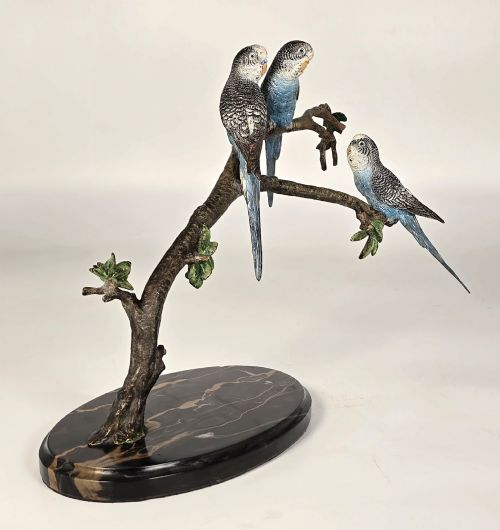
An antique blue bird painting brings feathered elegance into a room through hand-painted porcelain, watercolour, and oil.
Antique Blue Bird Painting
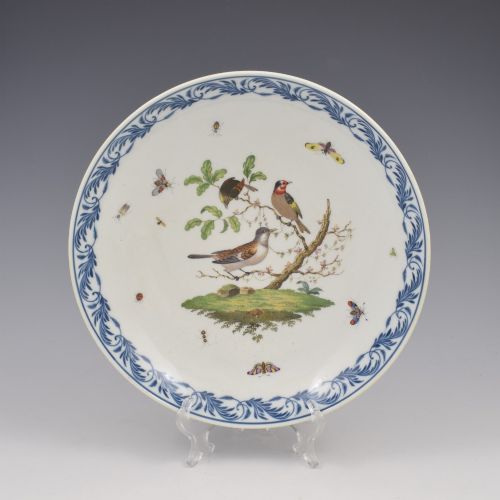
When buyers search for an antique blue bird painting, they encounter hand-painted porcelain plates, watercolours, and oil paintings depicting avian subjects. These decorative objects originate from periods including the eighteenth century, nineteenth century, and early twentieth century.
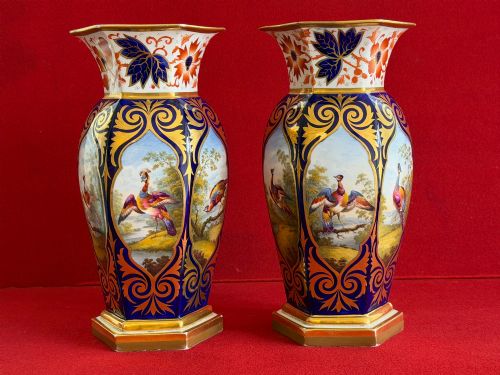
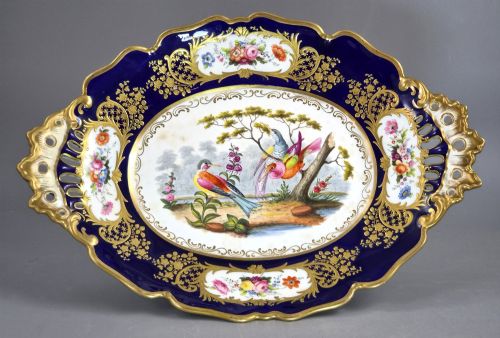
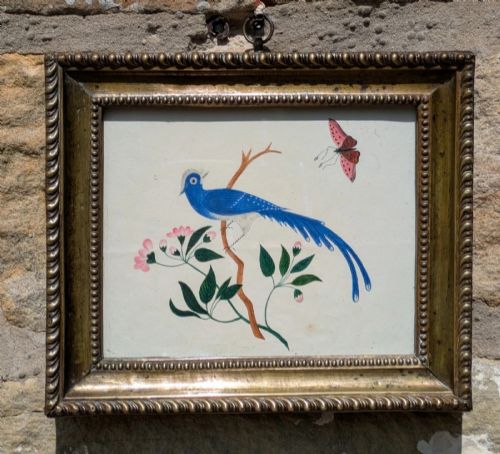
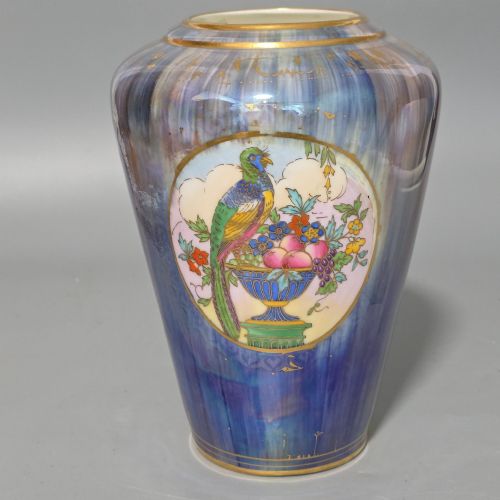
The pieces on this page span diverse forms, from framed fine art paintings to ceramic dishes and vases featuring cobalt blue pigments and polychrome enamels. English and Japanese manufactories dominate the selection, bringing birds and botanical motifs together on glazed surfaces.
How they were made
Artisans applied mineral pigments, enamel, and gold leaf onto porcelain, earthenware, and paper surfaces before firing or sealing the work. Tin-glazed earthenware and porcelain received painted bird designs, sometimes enhanced with gilding.
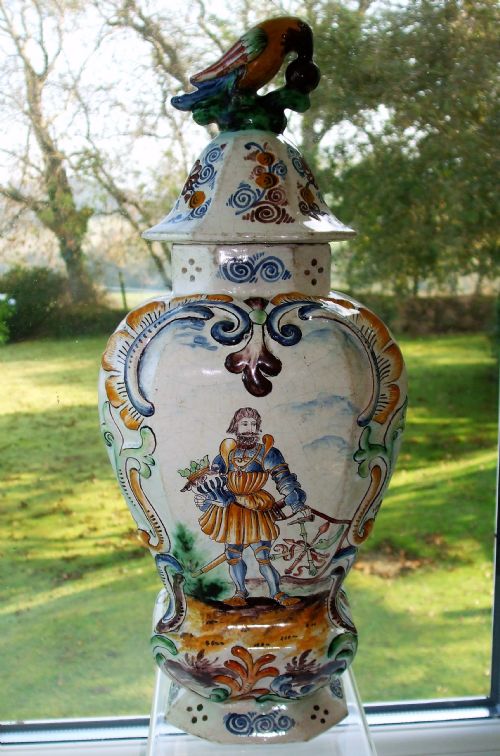
Makers utilised cobalt blue underglaze for rich tonal depth, particularly on Delftware and Imari ceramics. Painters executed fine watercolours and oils on canvas or paper, capturing feather details through careful brushwork.
Listings feature ceramics and paintings from the 18th century through to the 1930s, utilising porcelain, enamel, and gold leaf.
What varies in quality
The skill of the hand-painted brushwork dictates the refinement of each piece, distinguishing hurried factory output from meticulous artistic execution. Naturalistic feather rendering and balanced composition elevate the status of an avian artwork.
The preservation of the glaze, enamel colours, and gilt highlights influences desirability. Crisp cobalt blue tones and intact ceramic bodies demonstrate superior condition and original craftsmanship.
Flight Barr And Barr·Coalport·Meissen·Royal Worcester·Minton·Kuznetsov·Samson Of Paris
The Antique Blue Bird Painting Glossary
- Imari
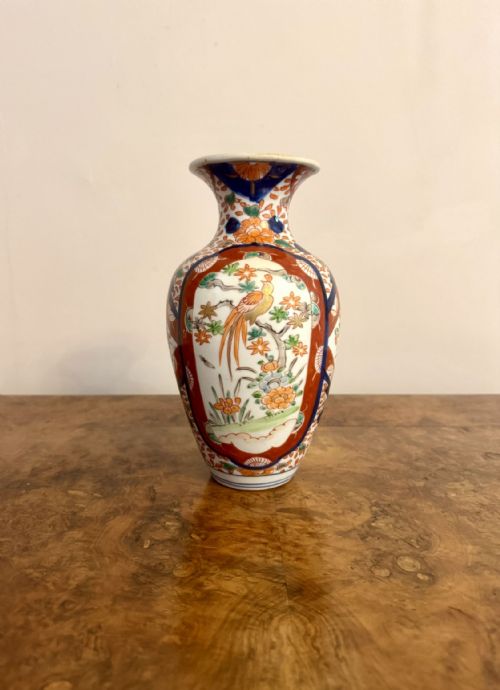
- A style of Japanese porcelain decorated in underglaze blue, iron red, and gold. This technique appeared on plates and vases during the Meiji period and earlier.
- Wet Blue
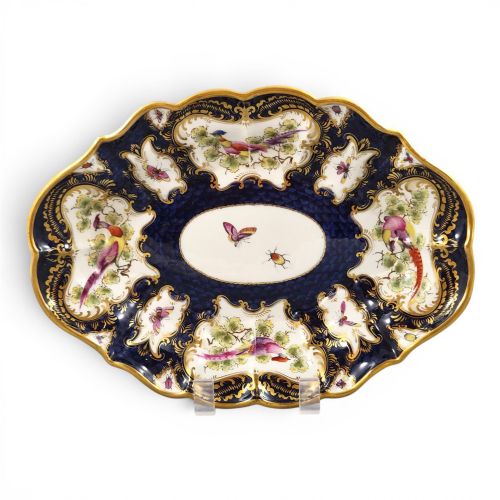
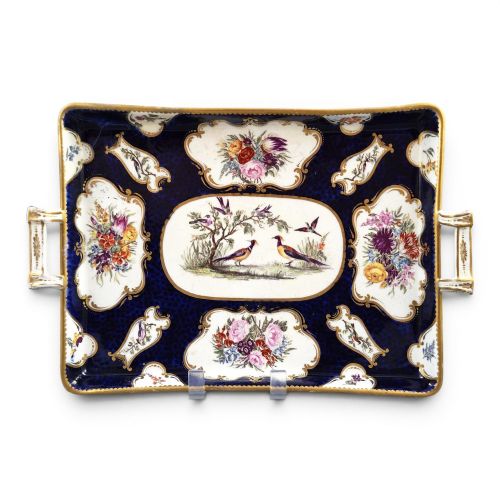
- A deep cobalt blue ground colour applied to porcelain before gilding and overglaze enamel painting. Worcester factories frequently utilised this rich background.
- Tin-Glazed Earthenware
- Pottery coated with a tin-oxide enamel that dries white and opaque. Dutch Delftware and similar earthenwares use this surface to hold painted designs.
- Enamel
- Opaque glass fused to metal or ceramic surfaces through firing. Bilston boxes and porcelain vases employ this method for bright, lasting colour.
Antique Blue Bird Painting: Frequently Asked Questions
What is Japanese Imari porcelain?
Japanese Imari porcelain is characterised by a distinct palette of cobalt blue, iron red, and gold leaf. Artisans painted intricate panels of birds and flowers across chargers, plates, and vases.
This ware gained popularity in Europe through trade networks, inspiring local potteries to imitate the striking colour combination. Meiji period examples display particularly bold decoration.
How should I care for ceramic bird paintings?
Ceramic plates and vases require gentle dusting with a soft, dry cloth to protect fragile overglaze enamels and gilding. Avoid using harsh cleaning solutions or submerging antique pieces in water.
Display items away from direct sunlight to prevent the fading of delicate blue pigments and watercolours. Stable room temperatures protect both ceramic bodies and framed paper works.
What distinguishes Worcester bird ceramics?
Worcester factories employed talented artists to paint naturalistic and exotic birds within gilt borders and wet blue grounds. These porcelain pieces demonstrate high technical skill in both throwing and enamelling.
Markings, paste consistency, and specific bird motifs help differentiate First Period pieces from later nineteenth-century revival items. The precision of the brushwork remains a key indicator of quality.