
Antique Overmantel
An antique overmantel is a grand wall mirror designed to hang above a fireplace, bringing depth and reflected light into a room.
Antique Overmantel
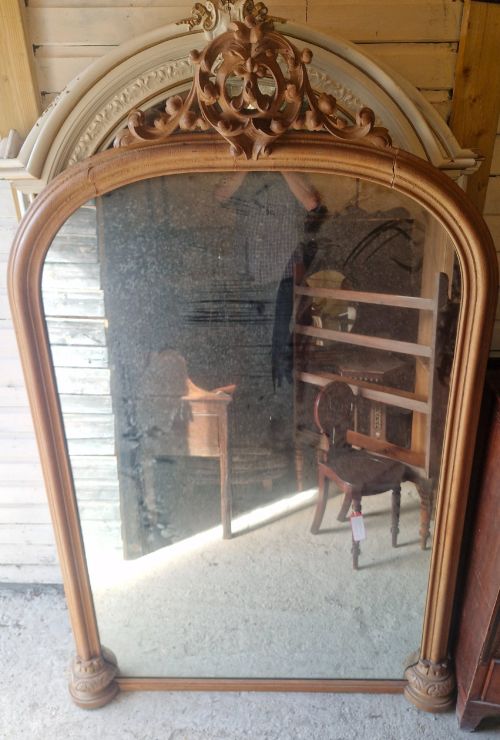
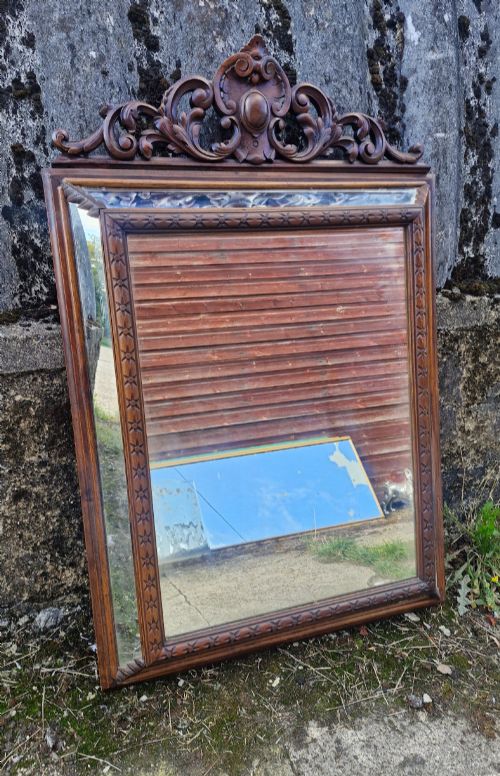
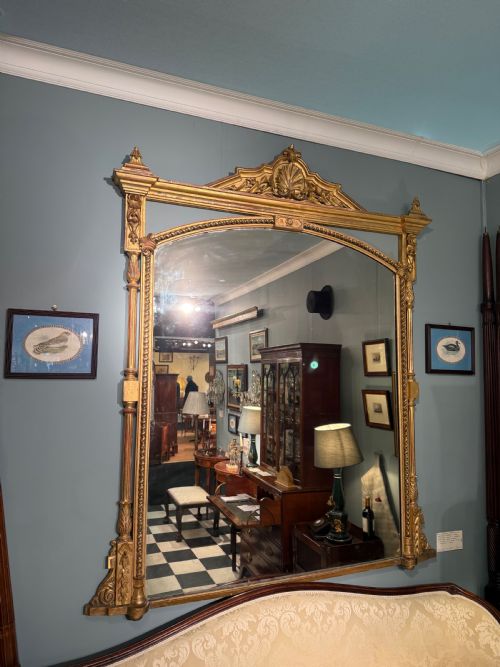
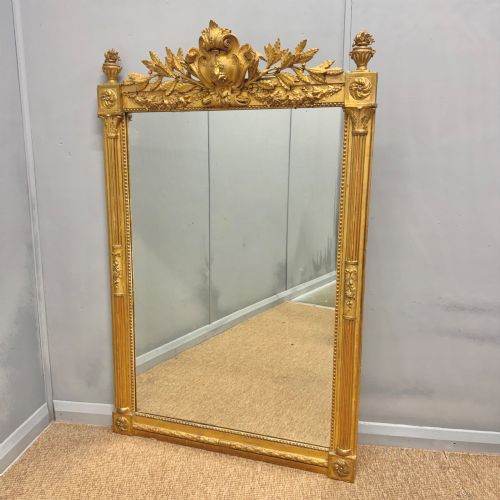
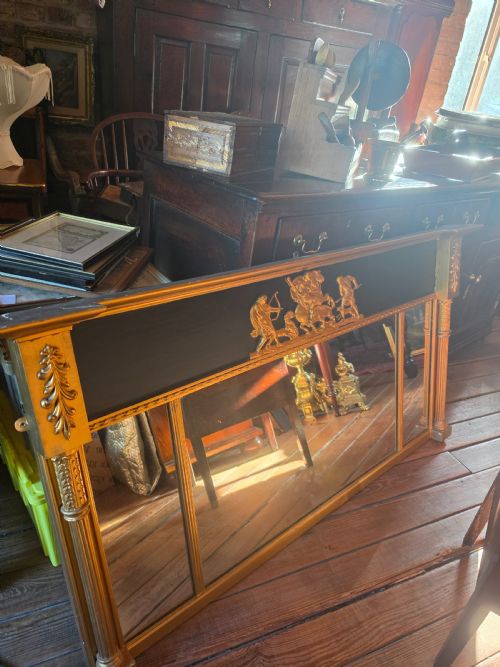
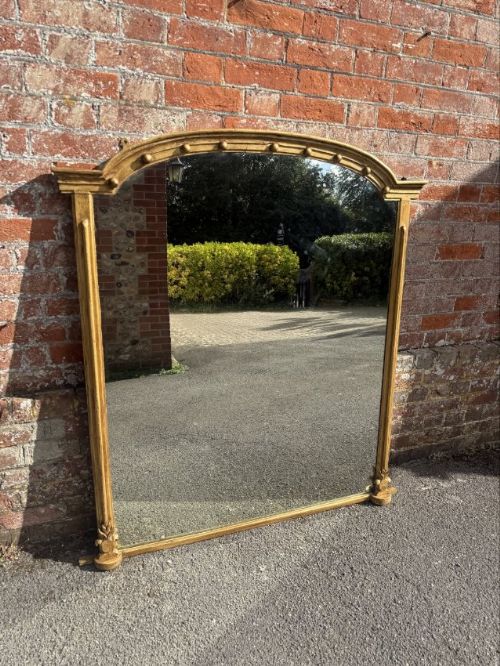
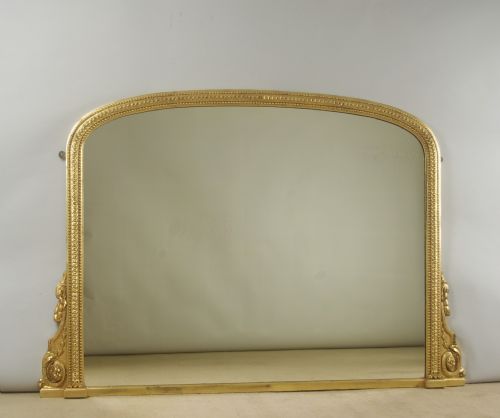
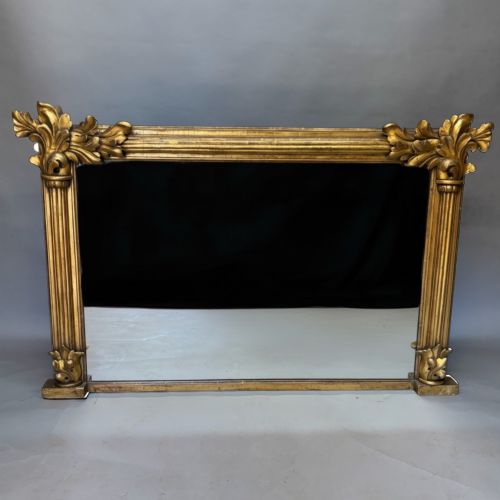
An antique overmantel sits above a mantelpiece to anchor the hearth and reflect light around the room. The selection here spans the nineteenth century, including Regency, Victorian, and Georgian periods alongside French Louis Philippe and Napoléon III designs.
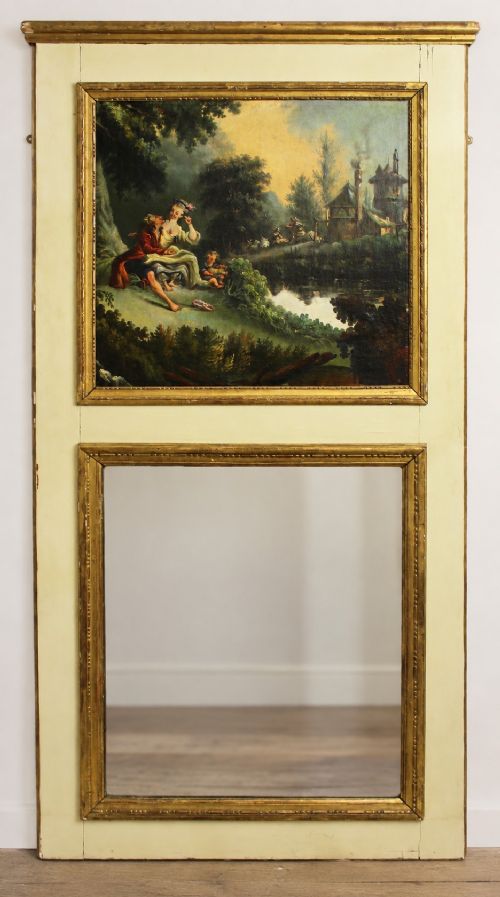
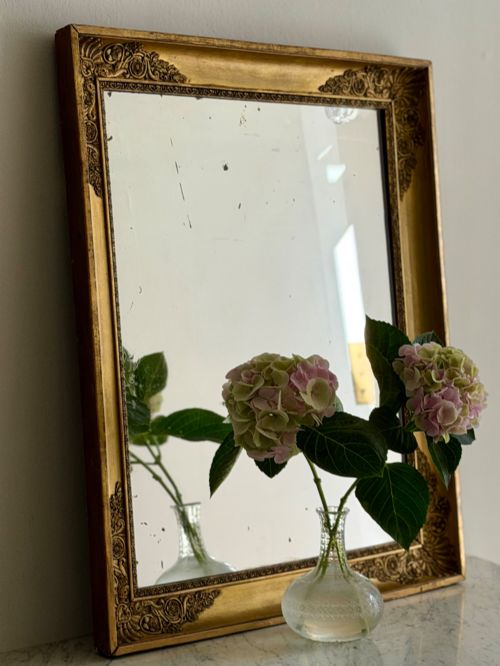
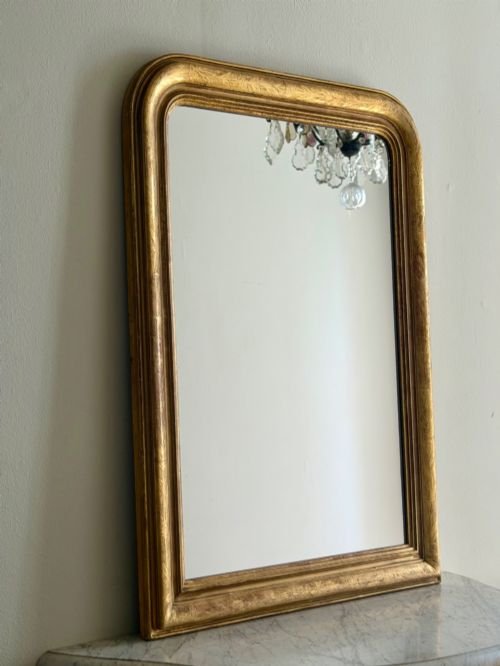
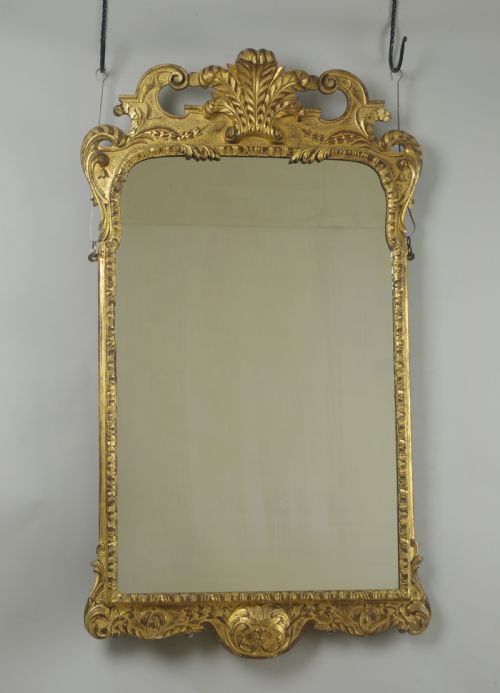
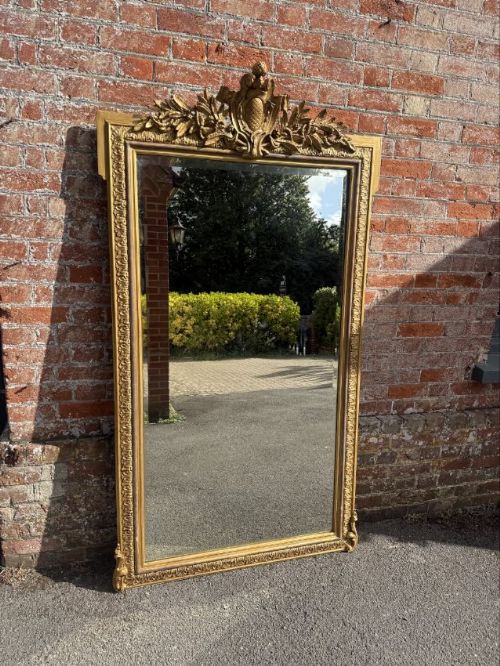
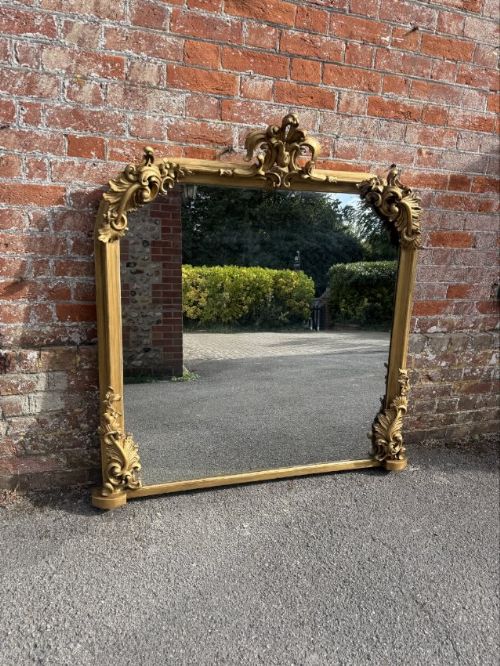
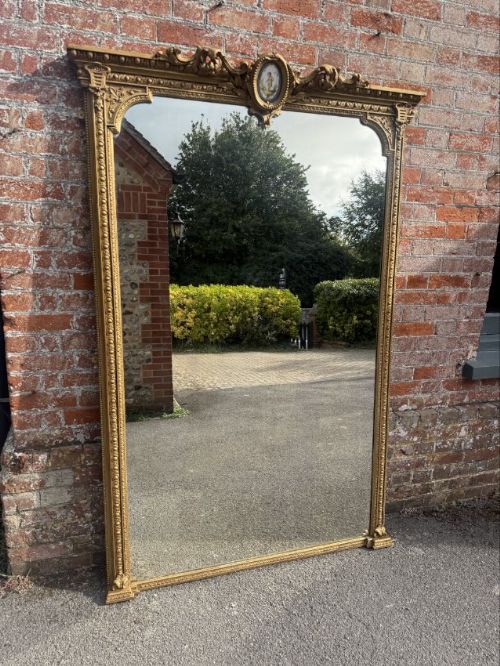
Most pieces take the form of large wall mirrors, overmantels, and trumeau mirrors with rectangular, arched, or shaped tops. English examples often feature carved wood and gesso with rope twist frames, while French pieces frequently showcase mercury glass and crests.
Makers and origins cross English workshops and French ateliers, bringing together country house proportions and decorative painted or gilded surfaces. These mirrors define a living space by combining scale with period craftsmanship.
How they were made
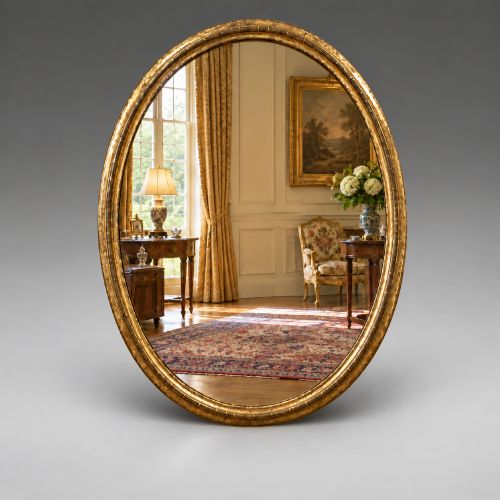
Makers constructed the foundational frames from carved wood, applying layers of gesso to build up intricate relief ornaments, scrolls, and floral motifs. Artisans then applied gold leaf or water gilding over the prepared gesso surfaces to achieve a brilliant metallic sheen.
Glass plates were often made using traditional mercury glass techniques, which produce a distinct mottled or foxed appearance over time. Some French trumeau examples incorporated pastoral oil paintings directly into the wooden framework above the mirror plate.
Some French trumeau mirrors secretly double as indoor art galleries by pairing the glass with an oil painting of pastoral scenes.
What varies in quality
The crispness and depth of the carved wood and gesso ornamentation separate the finest pieces from simpler work. Sharp relief work and well-defined mouldings show the hand of a skilled carver rather than a hurried production.
The condition and authenticity of the mirror plate matter greatly, with original mercury glass and plates showing natural foxing holding higher character. The integrity of the original gilding, whether bright gold leaf or softly worn bare gesso, determines the visual presence of the piece.
Arsène Rochette of Versailles
The Antique Overmantel Glossary
- Gesso
- A plaster-like mixture applied to wood frames as a base for gilding. It allows carvers to create sharp, detailed relief decoration.
- Mercury glass
- An early type of mirror plate made by pouring a silvering amalgam behind glass. It ages with characteristic dark spots known as foxing.
- Trumeau
- A decorative wall mirror combined with a painted panel or artwork above the glass. These originate largely from French interior design.
- Water gilding
- A traditional technique applying gold leaf over wet bole and gesso. This method allows the gold to be burnished to a high gloss.
- Overmantel
- A large mirror specifically proportioned to hang on the wall above a fireplace mantel. It visually balances the hearth below.
Antique Overmantel: Frequently Asked Questions
What is an antique overmantel?
An antique overmantel is a large mirror specifically built to hang on the wall directly above a fireplace mantelpiece. These pieces were designed to reflect firelight and brighten period rooms.
They appear in various nineteenth-century styles, incorporating carved wooden frames, gesso ornamentation, and traditional glass plates.
How do I hang a heavy overmantel?
Hanging a heavy period mirror requires locating secure wall studs or using appropriate masonry anchors to support the substantial weight safely. Professional installation is often recommended due to the sheer size and mass of these large frames.
Ensure the hanging wire or brackets attached to the back match the load capacity of the mirror.
What is mercury glass?
Mercury glass refers to mirror plates produced using traditional silvering methods that often develop dark spots and an aged appearance over time. This natural foxing is a hallmark of older French and English mirrors.
Collectors prize original plates for the distinct depth and character they bring to a room.
How do I clean an antique mirror?
Clean the glass gently using a soft cloth and a mild, ammonia-free glass cleaner applied to the cloth rather than directly onto the plate. Avoid getting moisture behind the edges where the silvering or mercury backing is exposed.
Dust the gilded wooden frame lightly with a dry brush to protect the delicate gesso and gold leaf surface.