



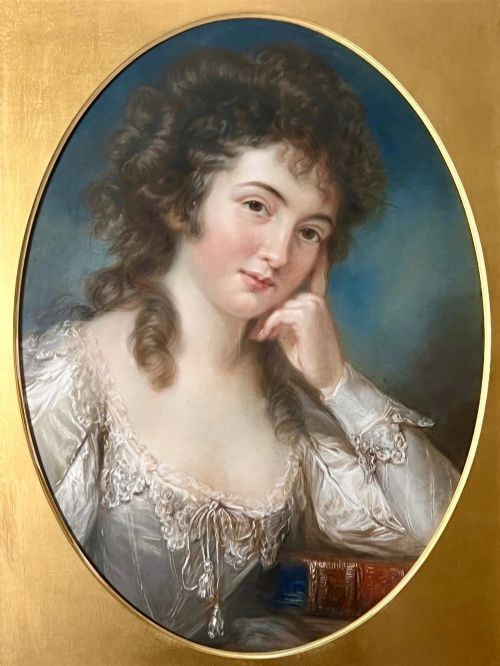
Antique Oval Wall Artwork
Antique oval wall artwork brings intimate portraiture and delicate still life into domestic spaces, uniting curved framing with centuries of painting and pastel traditions.
Antique Oval Wall Artwork
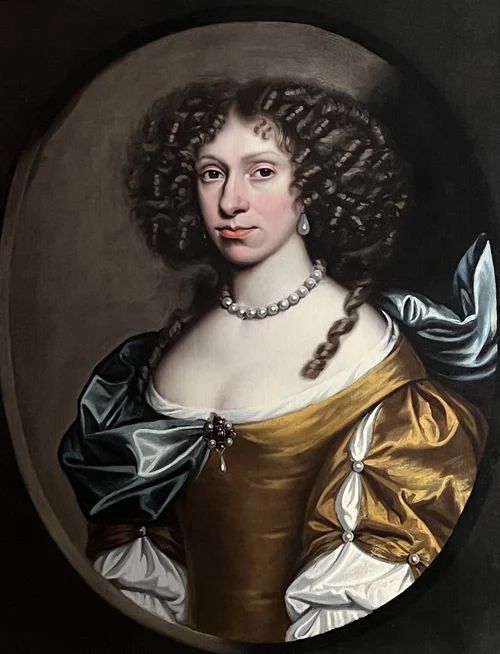
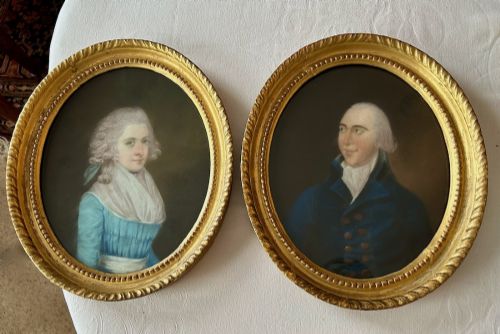
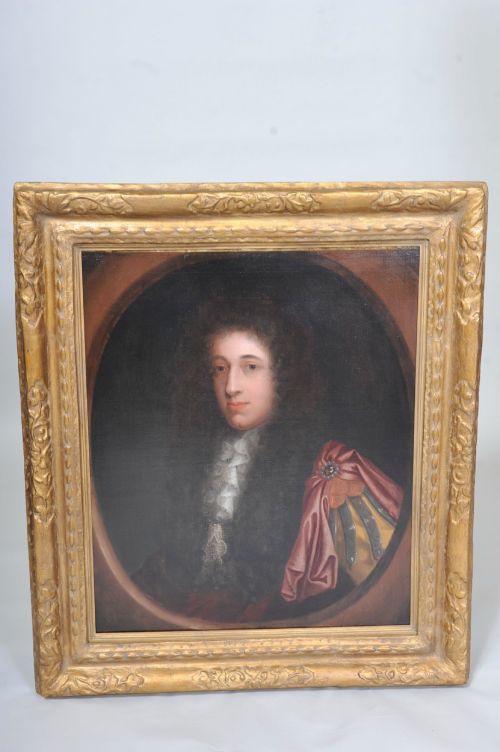
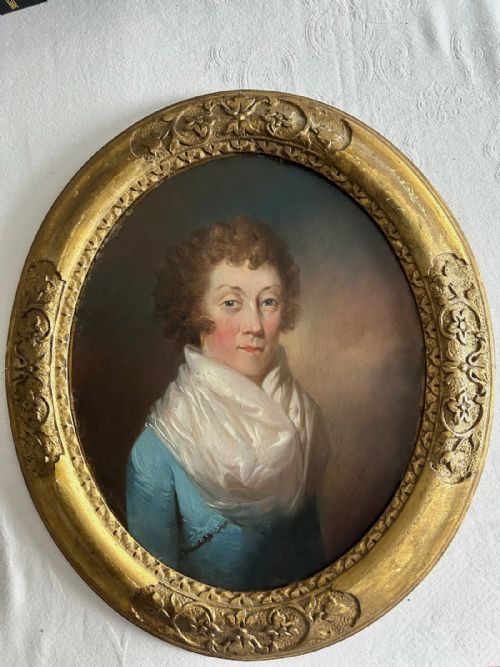
When you search for antique oval wall artwork, you encounter a specialised form of framing that historically suited portrait miniatures, bust-length oils, and pastel studies. The curving geometry softens room layouts, drawing the eye naturally toward a central focal point rather than the hard corners of standard rectangular formats.
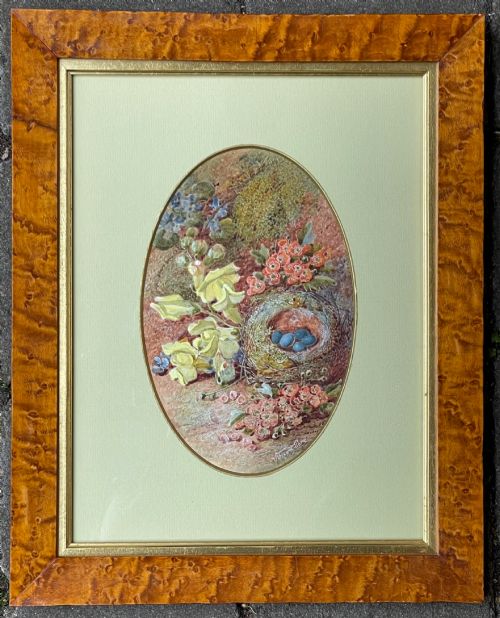
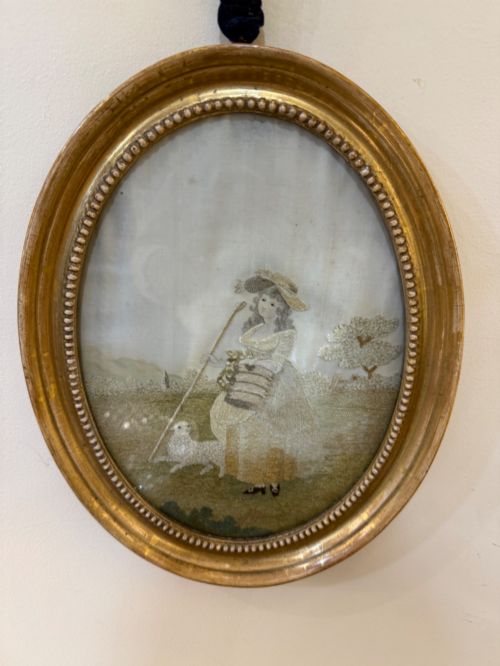
The pieces available span from the seventeenth century through the early twentieth century, encompassing British and continental schools. You will find oil on canvas works, delicate watercolours, pastels, and glazed prints housed in period surrounds.
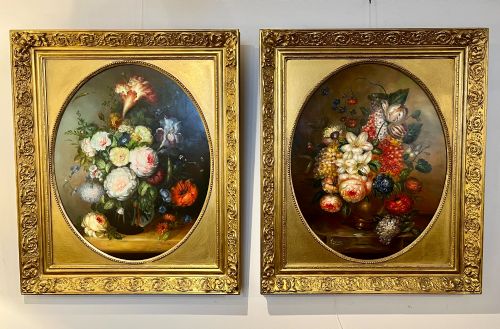
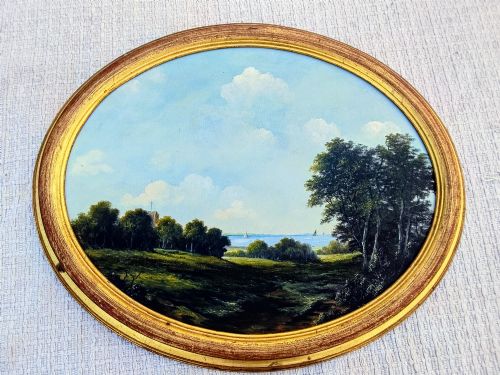
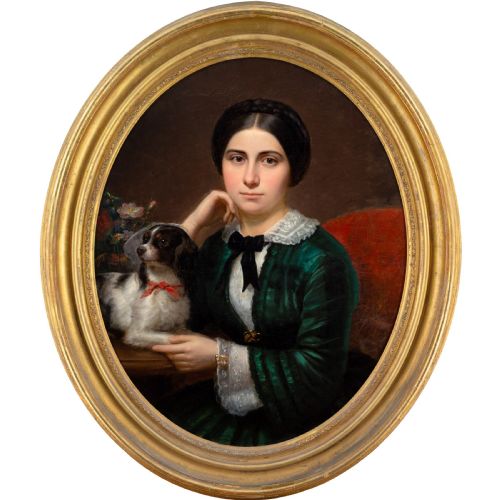
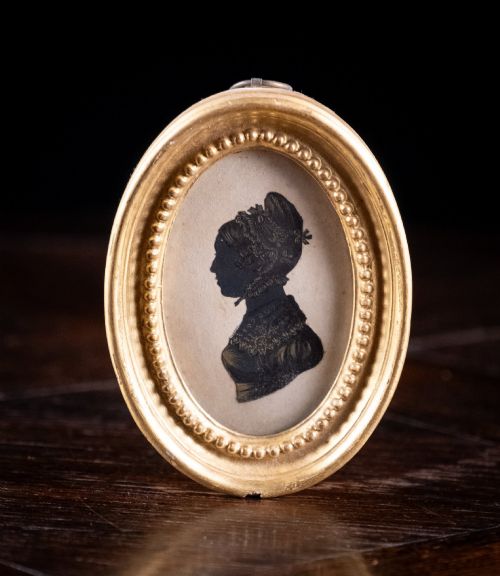
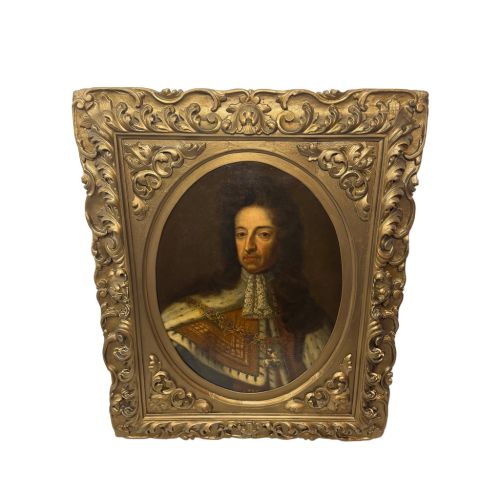
Portraits dominate the selection, depicting sitters from nobility to children, alongside occasional still life compositions and pastoral scenes. These works offer a direct window into historical attire, portraiture conventions, and domestic decoration across distinct eras.
Materials and Construction
The physical build relies heavily on traditional supports such as stretched canvas, wooden boards, and heavy paper for pastels or watercolours. Pigments were applied by hand using oil paints, water-soluble media, or graphite, often sealed behind protective glass within specialised curving mounts.
Frames are integral to the piece, frequently constructed from wood finished with giltwood or gold leaf, or ebonised to contrast with the light of the subject. Shaping timber into a precise oval required specialised joinery and steam-bending techniques to maintain structural integrity around the curved perimeter.
Listings feature works spanning from the seventeenth century to the twentieth century, utilising materials such as giltwood, oil paint, paper, and glass.
Factors Defining Quality
Quality rests primarily in the execution of the hand-drawn or painted subject, where confident brushwork, proportion, and tonal depth distinguish master works from standard school pieces. The preservation of the underlying canvas or paper surface also dictates overall integrity.
The matching of the frame to the artwork plays a significant role, as original period framing with intact gilding or carved detail elevates the object. Patina accumulated across centuries on both the art surface and the protective glass adds depth that modern replacements lack.
DAVID SCOUGALL·JOHN SMITH·JOHN RUSSELL·CHARLES JERVAS·Jeremiah Davison·Allan Ramsay·John Taylor·Costantino Frixione
The Antique Oval Wall Artwork Glossary
- Giltwood
- Wood that has been coated with a thin layer of gold leaf or gold paint. This finish provides a warm, reflective border that complements classical portraits.
- Plumbago
- A drawing executed in graphite or black lead, named after the Latin term for the mineral. These monochrome works showcase fine linear detail.
- Portrait Miniature
- A small, highly detailed painting designed for intimate viewing. They were frequently executed on vellum, card, or ivory.
- Stipple Engraving
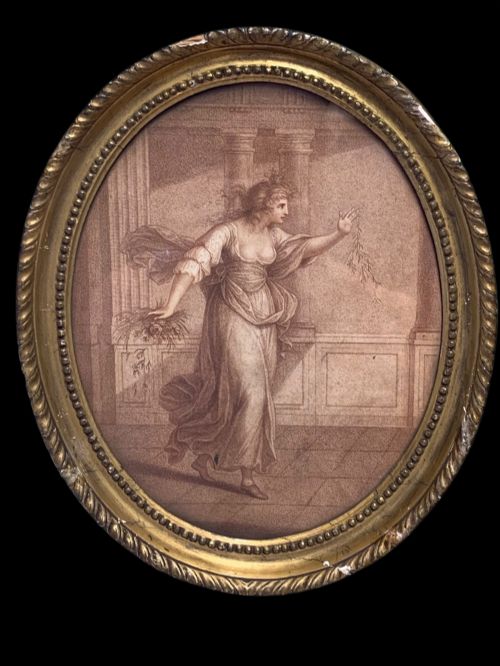
- A printmaking technique using dots to create tonal variations and soft shadows. It was widely used for reproducing popular paintings in the eighteenth century.
Antique Oval Wall Artwork: Frequently Asked Questions
How do I hang antique oval wall artwork securely?
Oval frames often require specific hanging wire placement to distribute weight evenly across the curved top moulding. Using a dual-point wall fixing prevents the piece from tilting.
Ensure the hardware matches the weight of the timber and glass combination. Period frames can be surprisingly heavy due to dense wood and plaster ornamentation.
What periods do these oval artworks represent?
The listings span multiple centuries, starting from the seventeenth century and progressing through Georgian, Regency, and Victorian eras. Each period brings distinct clothing styles and painting techniques.
Later pieces extend into Edwardian and Art Deco revivals of the early twentieth century. Examining the sitter's costume often provides the most reliable clue to the creation date.
Are oval frames usually original to the paintings?
Many pieces retain their original frames, particularly when custom-built to match the unusual curvature of the canvas. Wood shrinkage and past repairs can indicate whether a frame has been associated later.
Matching the patina on the frame to the surface wear of the artwork helps determine if they have remained together since creation.
How should I clean antique glass and gilded frames?
Dust surfaces gently with a soft, dry brush to prevent abrasive particles from scratching the gold leaf or old glass. Avoid liquid cleaners that might seep beneath the rebate and damage the canvas.
Gilded surfaces are particularly sensitive to moisture and chemical agents. Professional conservation cleaning is recommended for delicate seventeenth and eighteenth-century frames.